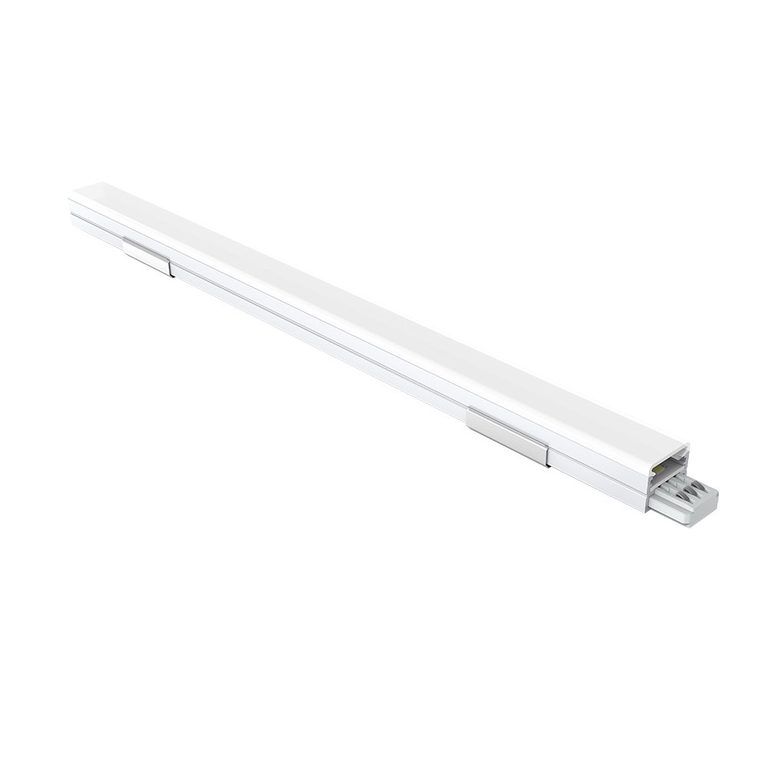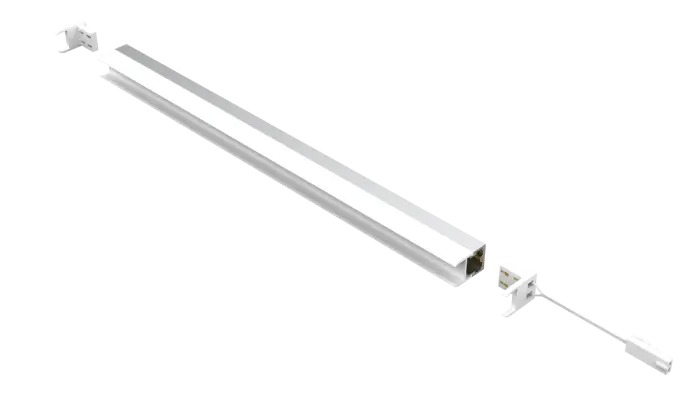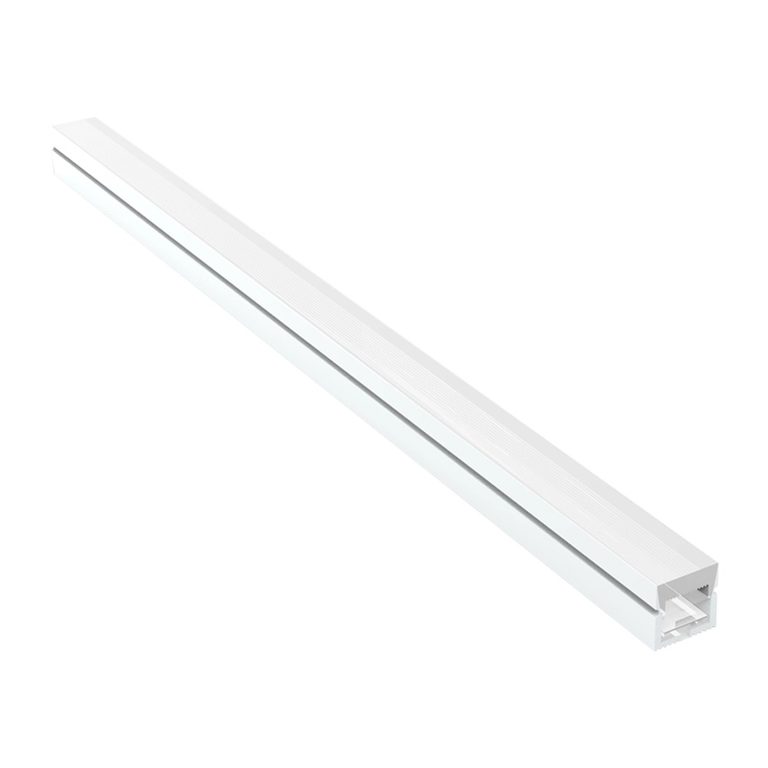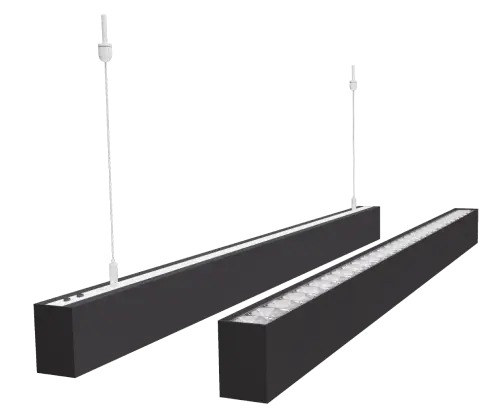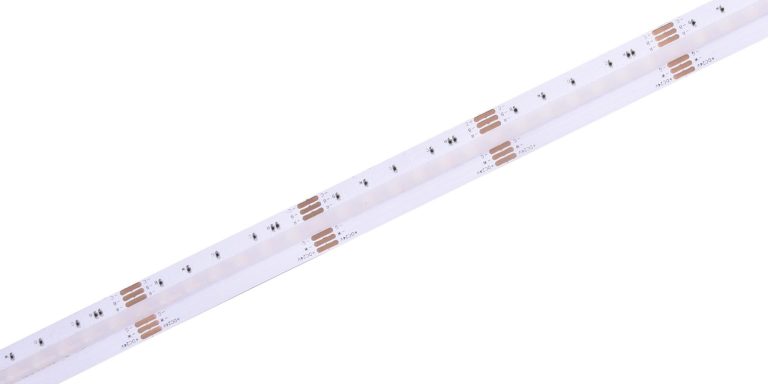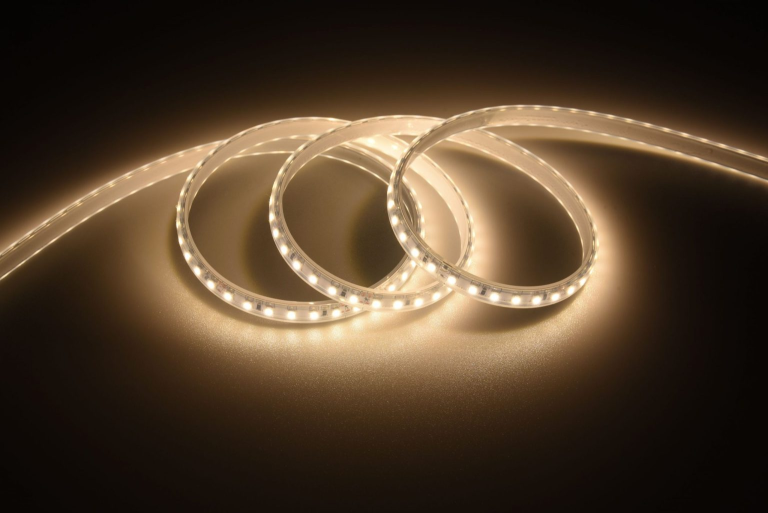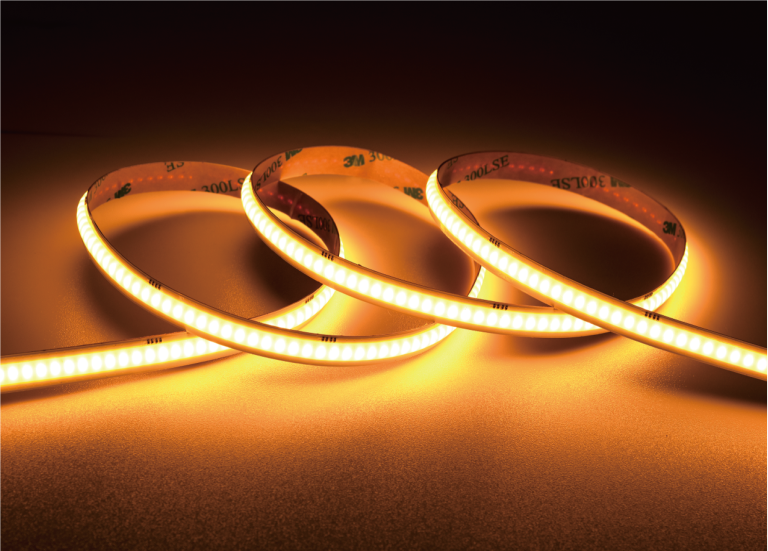
Flexible linear lighting has become an important tool for designers, contractors, and lighting distributors working across commercial and residential environments. Unlike conventional fixtures that are limited by fixed shapes, LED strips can follow architectural lines, fit into confined spaces, and support both functional and decorative goals. For different LED strip light projects, the key is matching the strip, installation method, protection level, and control system to the application.
Start with the Space and Its Lighting Purpose
Successful LED strip light projects begin with a clear understanding of what the lighting needs to accomplish. A strip used for task illumination requires different performance considerations from one intended to create a soft visual accent. Designers should consider brightness, color temperature, color rendering, installation position, operating environment, and access for maintenance before selecting products.
Commercial spaces often combine several lighting layers. Offices may use linear lighting for general illumination, while retail stores can use concealed strips to highlight displays. Hotels and restaurants may combine indirect ceiling lighting with accent lighting to create a distinctive atmosphere. Professional lighting guidance also identifies general, cove, accent, corridor, hospitality, and office applications as suitable uses for LED strip systems.
Residential projects offer similar flexibility on a smaller scale. LED strips can be integrated beneath cabinets, inside wardrobes, along stairs, around ceilings, or behind furniture. The objective is often not simply to increase brightness, but to create layers of light that improve usability and reinforce the interior design.
Create Clean Architectural Lines
The use for LED strips is emphasizing architectural features. Recessed ceiling details, wall niches, columns, stair edges, shelving, and curved structures can all become visual elements when illuminated from concealed positions. A properly planned linear source can make an architectural form easier to read without visually dominating the space.
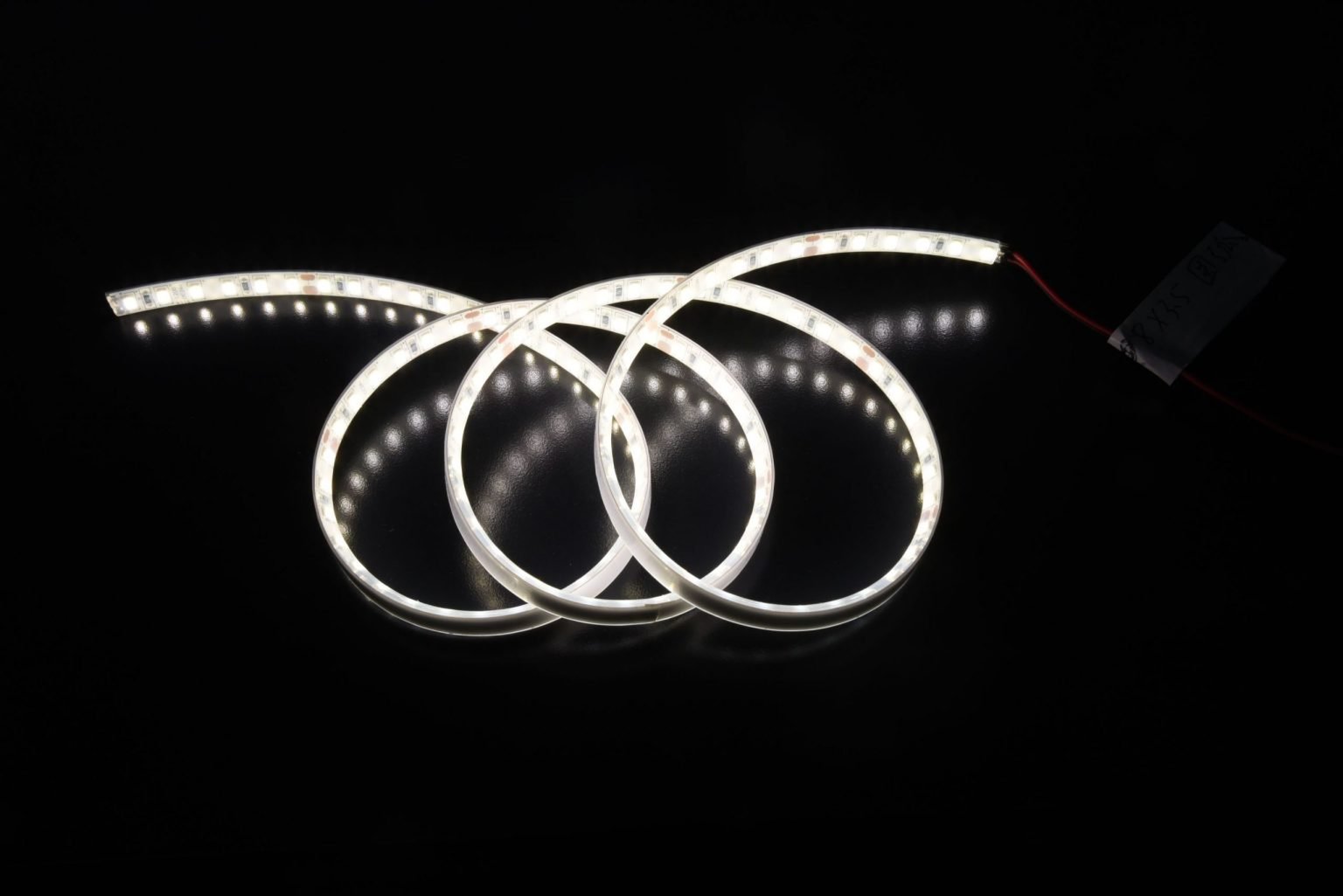
For exterior applications, architectural facade lighting can use linear lighting to emphasize building edges, entrances, rooflines, or selected structural details. Outdoor installations require particular attention to environmental exposure and product protection. For example, professional LED strip systems designed for outdoor applications are available with IP65 or IP67 protection, depending on the intended environment.
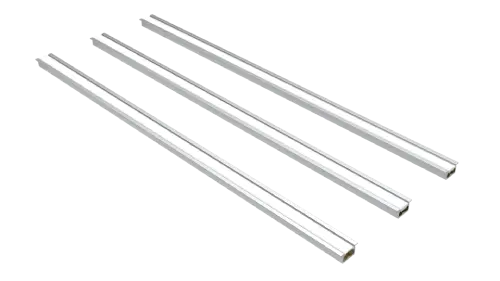
The installation detail matters just as much as the strip itself. Profiles and diffusers can help create a cleaner appearance, manage the light distribution, and protect the strip. This is especially important on visible surfaces where individual LED points could otherwise distract from the architectural effect.
Use Strips for Retail, Hospitality, and Offices
Commercial interiors provide numerous opportunities for project-based linear lighting. In retail stores, strips can illuminate display shelves, counters, product niches, and signage. Strategic placement can guide attention toward merchandise while maintaining a consistent visual language throughout the store.
Hotels and restaurants can use concealed linear lighting around reception areas, bars, dining spaces, corridors, and ceiling features. Offices may incorporate strips into suspended ceilings, wall details, or other architectural elements. These applications demonstrate why commercial LED strip light projects require more than simply choosing a flexible light source; the lighting needs to support the function and identity of each space.
For areas involving moisture or outdoor exposure, protection ratings should be selected according to the actual installation conditions. Product documentation from established manufacturers shows that protected LED strips can be designed for damp environments and outdoor applications, while indoor products may be intended for dry locations.
Bring Linear Lighting Into Residential Details
Residential applications allow designers to use LED strips in subtle ways. Under-cabinet lighting can improve visibility on kitchen work surfaces, while wardrobe lighting can make storage areas easier to use. Stair lighting can provide visual guidance, and concealed ceiling strips can add depth without requiring prominent fixtures.
Color temperature should also reflect the intended atmosphere. Warmer light can support relaxing residential areas, while neutral or cooler options may be more suitable for work-oriented spaces. The correct choice depends on the room, finishes, activities, and desired visual result rather than following one specification for every installation.
Plan Exterior Features With Greater Care
Outdoor projects demand a more detailed assessment because temperature, moisture, ultraviolet exposure, and installation conditions can affect long-term performance. For architectural facade lighting, project teams should evaluate the protection rating, mounting method, wiring, power requirements, and accessibility for maintenance before installation.
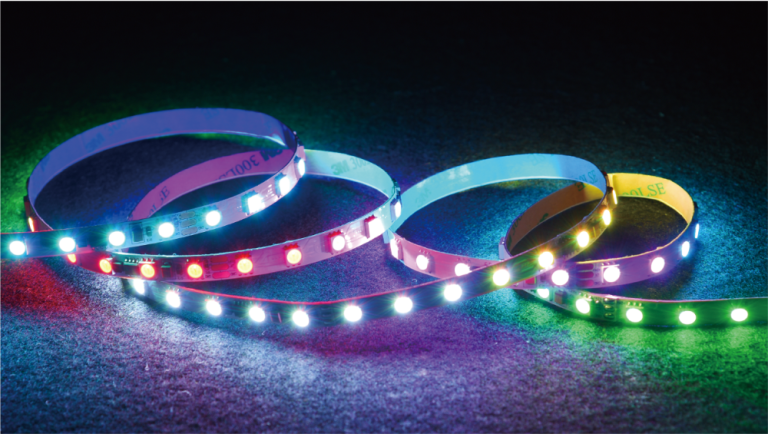
Dynamic RGB or RGBW systems can add another layer of flexibility when a project requires changing colors or programmed effects. Such systems are used for architectural effects, public areas, hospitality environments, and selected residential applications. However, dynamic lighting should support the design concept rather than become an unnecessary visual distraction.
Build the Specification Around the Project
A reliable specification should consider the complete lighting system rather than the strip alone. Power supplies, controllers, connectors, profiles, mounting surfaces, heat management, dimming requirements, and installation details all influence the final result. For longer commercial installations, electrical loading and segmentation also need to be addressed during planning.
We approach LEDIA Lighting projects with this broader perspective. As a professional LED linear light manufacturer in China, we provide LED light strips alongside linear fixtures, cabinet lights, high-bay lighting, and tri-proof lighting for indoor and outdoor applications. Our products are supported by international certifications including China CCC and US UL/ETL certifications, while our development and manufacturing capabilities support customized lighting requirements.
Match the Solution to the Project
The effective LED strip light projects are those where product selection follows the architectural and functional requirements from the beginning. Commercial spaces may prioritize consistency, durability, controls, and maintenance, while residential applications may emphasize comfort, discreet integration, and visual atmosphere.
The same principle applies to architectural facade lighting. Building form, viewing distance, environmental exposure, and desired visual emphasis should determine the lighting approach. With project-specific planning, flexible linear lighting can become an integrated part of the architecture instead of an afterthought.
At LEDIA Lighting, we combine manufacturing capabilities with customized LED lighting solutions to support different project and installation requirements. By evaluating the application first and selecting the appropriate lighting system around it, we can help project partners develop practical, adaptable solutions for commercial and residential spaces.