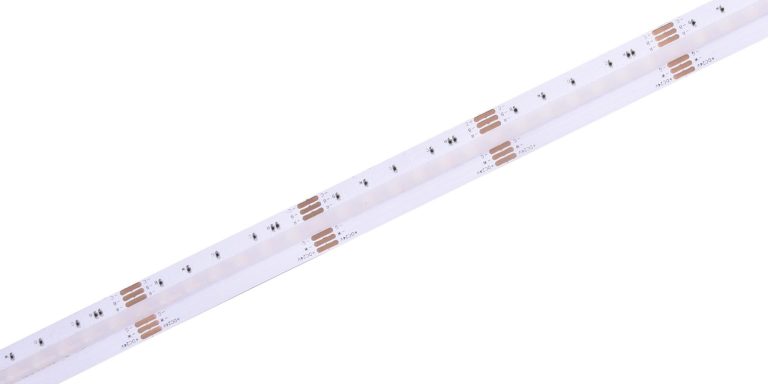
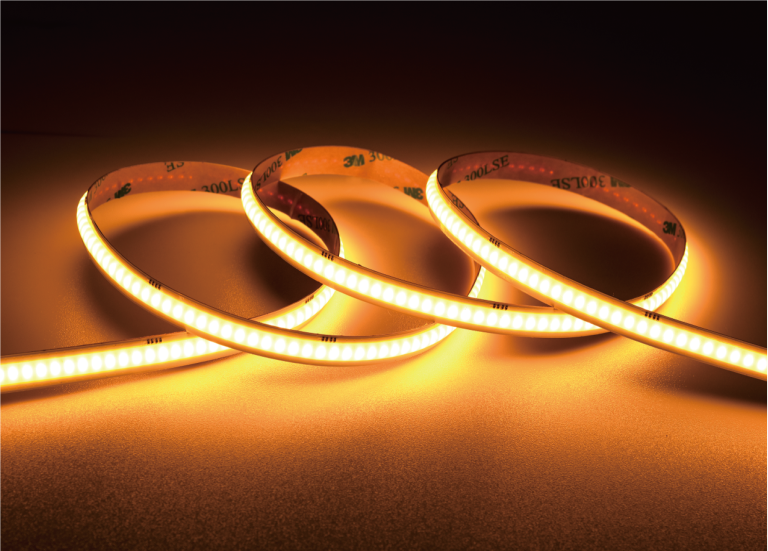
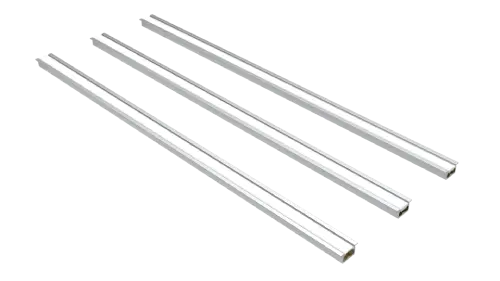
A lighting project becomes easier to manage when space, fixture selection, and installation are considered as one process. For distributors, contractors, designers, and project buyers, choosing wholesale lighting fixtures is not simply a matter of comparing prices and wattage. The physical layout, mounting method, visual target, wiring, maintenance access, and application all influence the final specification. Early planning can help reduce installation changes and unnecessary material waste.
Begin With the Space and Lighting Task
The first step is to understand what the space requires. A wardrobe, retail display, kitchen cabinet, office, and decorative feature do not necessarily need the same lighting approach. Buyers should identify where illumination is required, how much space is available, and whether the light source will be concealed or visible.
We recommend mapping furniture, recesses, shelves, ceiling structures, and other installation surfaces before selecting wholesale lighting fixtures. Measurements should include usable mounting depth and available routes for cables and drivers. This information gives the project team a practical basis for choosing between flexible strips, built-in solutions, and conventional linear fixtures.
The intended lighting effect also matters. General illumination may prioritize distribution and output, while cabinet or furniture lighting often requires compact integration and a clean appearance. Treating these applications separately can prevent an unsuitable fixture from being forced into a difficult installation.
Match the Fixture With the Installation Method
Installation requirements should be considered alongside fixture dimensions. Surface-mounted products, recessed systems, flexible strips, and integrated furniture lighting each involve different preparation work. A project may look straightforward during the design stage but become labor-intensive if cutting, drilling, soldering, or additional profiles are required.
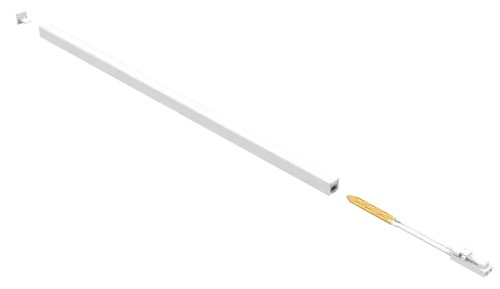
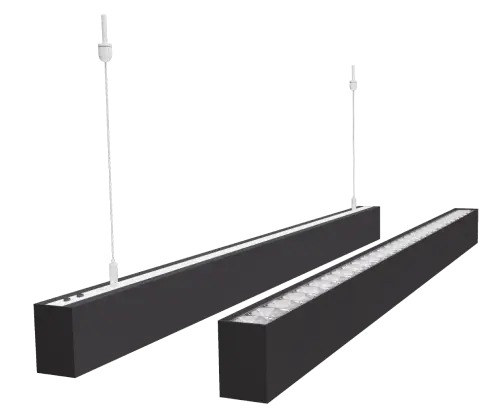
For this reason, we focus on practical integration when developing our linear lighting solutions. Our product range includes strip lights, cabinet lighting, linear fixtures, and other solutions intended for different project and installation requirements. This approach allows buyers to evaluate the complete application rather than selecting a product in isolation.
Plan Around Cutting and Connection Requirements
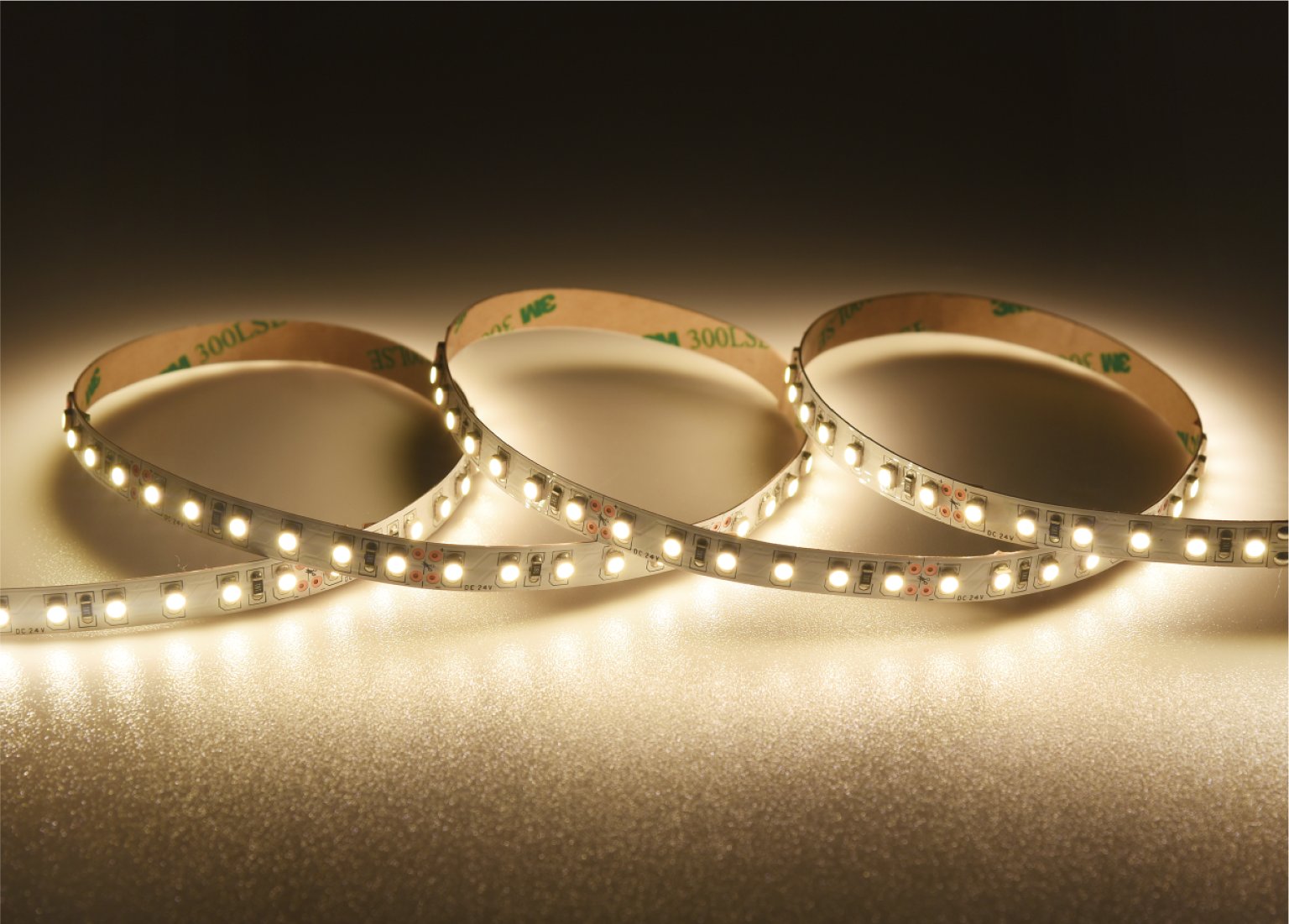
Flexible lighting becomes particularly useful when dimensions vary from one cabinet or furniture section to another. A fixed-length product may leave excess material or require additional connections, while a cuttable solution can follow the actual installation dimensions more closely.
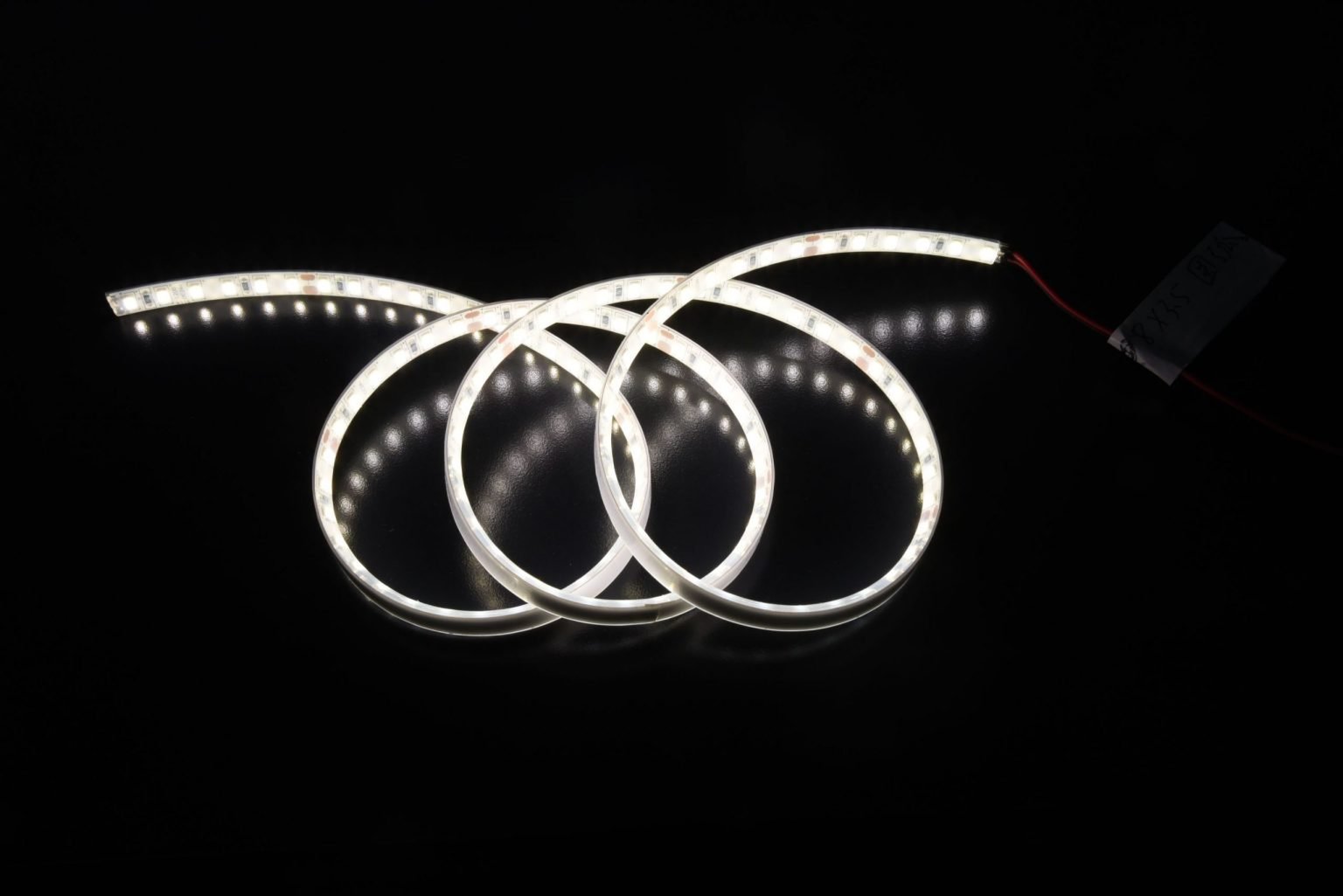
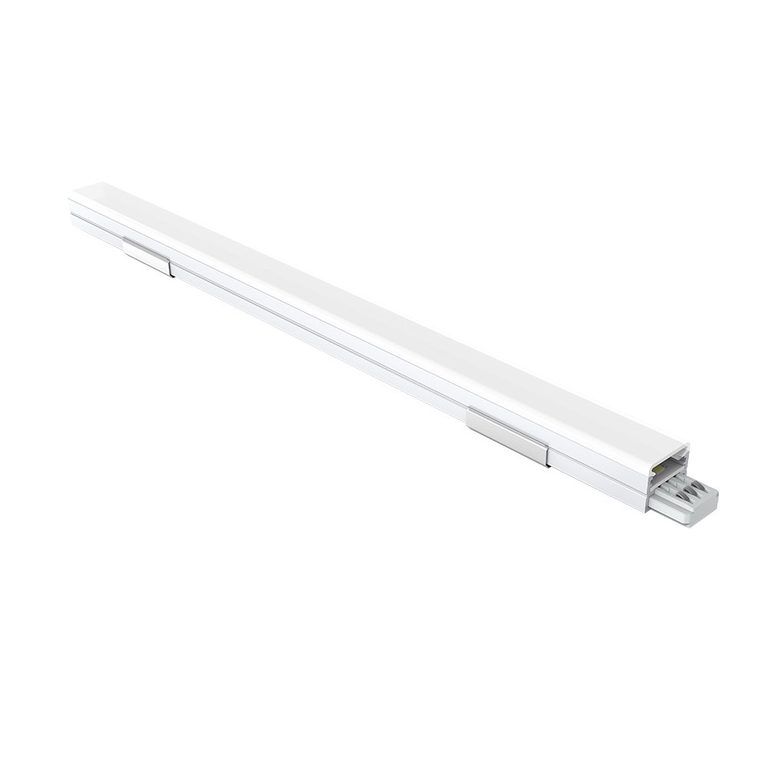
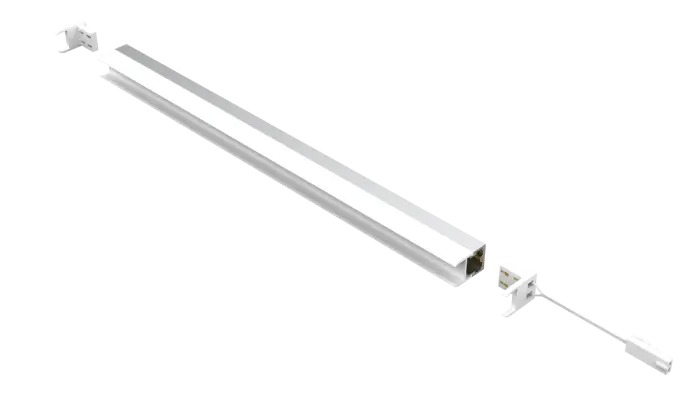
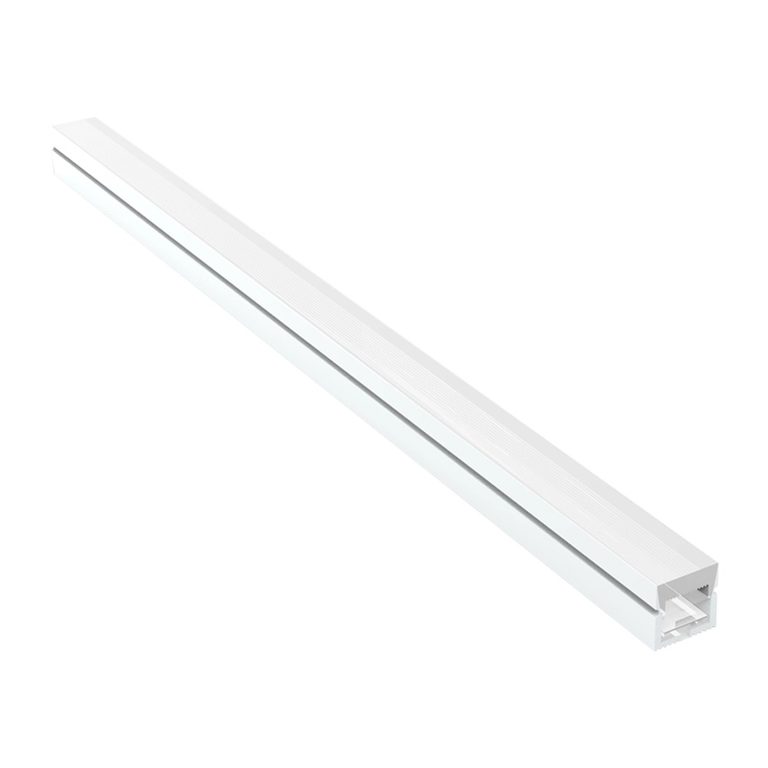
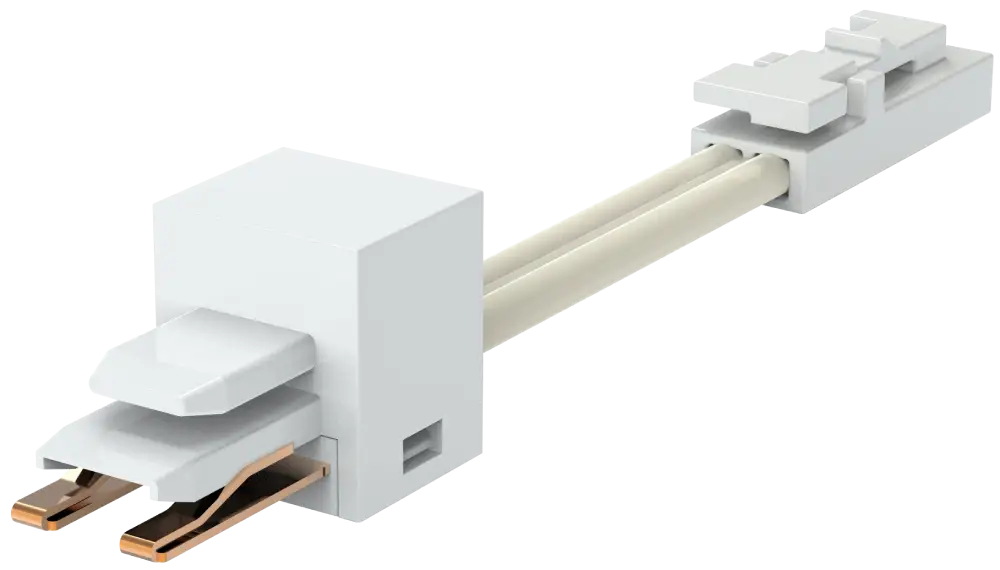
Our Built-in Silicone Light E07 is designed for this type of application. The supplied product information specifies a 12V/24V system with a patented quick plug-in terminal, allowing welding-free installation without aluminum profiles. The strip can be cut to any length to accommodate different installation requirements.
The product is supplied in whole rolls, which can help reduce material waste and labor associated with preparing multiple short sections. Drivers, controllers, and terminals can also be combined with the silicone strip according to the project scenario and desired configuration.
Consider Appearance as Part of the Specification
A lighting installation should work visually with the surrounding furniture and architecture. Exposed dots, uneven illumination, visible wiring, or oversized profiles can affect the finished appearance even when the system technically functions.
The E07 uses double-color silicone extrusion and is designed to create a neon-light effect with even illumination. Its silicone construction is also described as eco-friendly and anti-yellowing. These characteristics are relevant when the linear surface mounted light is integrated directly into wardrobes, closets, kitchen cabinets, and other built-in furniture.
When selecting wholesale lighting fixtures, buyers should therefore evaluate both technical performance and visual integration. A fixture that is easy to install but visually inconsistent with the furniture may still require redesign or replacement later.
Coordinate Drivers, Controls, and Wiring Early
Electrical accessories should not be treated as an afterthought. Driver location, control method, cable routing, connection points, and available power should be established before installation begins. Otherwise, installers may have to modify furniture or finished surfaces to accommodate components.
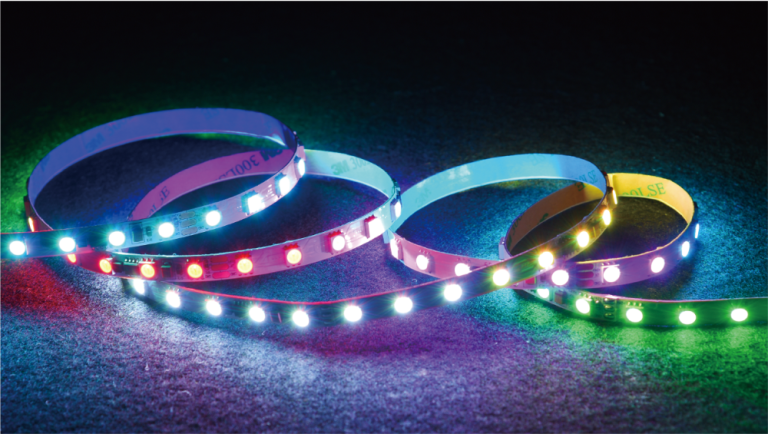
For integrated lighting, compact planning is especially important. Our E07 system allows the driver, controller, and terminal to be combined with the silicone strip according to different scenarios. This gives project teams more flexibility when coordinating lighting with cabinetry and other built-in elements.
The same principle applies to other wholesale lighting fixtures. Procurement teams should request the necessary technical information and accessory requirements before placing volume orders. A complete specification helps designers, electricians, installers, and suppliers work from the same plan.
Reduce Installation Waste Through Early Coordination
Labor efficiency can become a major consideration when a project contains hundreds of individual lighting sections. Small installation complications can multiply across a large commercial or residential development. Standardizing connection methods and confirming dimensions before production can therefore improve consistency.
Our built-in silicone solution is intended to simplify installation through its quick plug-in terminal and welding-free design. The ability to cut the strip according to installation requirements also supports projects where cabinet dimensions differ from one area to another.
For distributors sourcing wholesale lighting fixtures, these practical details can be important when evaluating total project value. Purchase price is only one part of the calculation; installation time, material waste, accessory requirements, and future maintenance also affect project costs.
Turn the Plan Into a Clear Specification
Before ordering, project teams should document the application, installation surface, dimensions, voltage, cutting requirements, connection method, controls, driver arrangement, and desired appearance. Samples can then be tested in representative sections before larger quantities are committed.
We support this planning approach through our LED linear lighting product development and manufacturing capabilities. Our facility includes automated production equipment, dedicated R&D resources, and testing capabilities for developing customized lighting solutions.
Bring Space and Installation Together
Effective lighting planning starts with the space rather than the catalog. By assessing dimensions, lighting tasks, mounting conditions, appearance, wiring, and maintenance requirements together, buyers can select more suitable solutions and avoid unnecessary installation adjustments.
For business sourcing, wholesale lighting fixtures should be evaluated according to the complete project requirement. At LEDIA Lighting, our Built-in Silicone Light E07 demonstrates how cut-to-length capability, quick plug-in connection, flexible component combinations, and integrated visual design can address furniture lighting needs. With careful coordination from space measurement to final installation, project teams can achieve a cleaner result with more predictable labor and material requirements.