Signage lighting can fail before installation. A sign may have the right dimensions and materials yet look uneven because the lighting plan was treated as an afterthought. For contractors and signage fabricators, the better question is not simply which strip to buy. It is what must be confirmed before the sign is fabricated.
When we take on signage projects, we weave the physical layout, optical targets, electrical planning, environmental factors, and supply requirements into a single, cohesive phase. This synchronized approach keeps us clear of redesign headaches and makes installation and maintenance a breeze.
What Exactly Is the Strip Expected to Illuminate?
Start with the sign construction rather than the LED itself. Identify whether the strip will illuminate a shallow channel, an enclosed cabinet, a translucent face, a return, or an exposed architectural outline. Source-to-surface distance can change uniformity.
Next, establish the visual target. Is the requirement a continuous glow, even face illumination, a crisp edge, or a decorative line? We would not specify the same product for every condition.
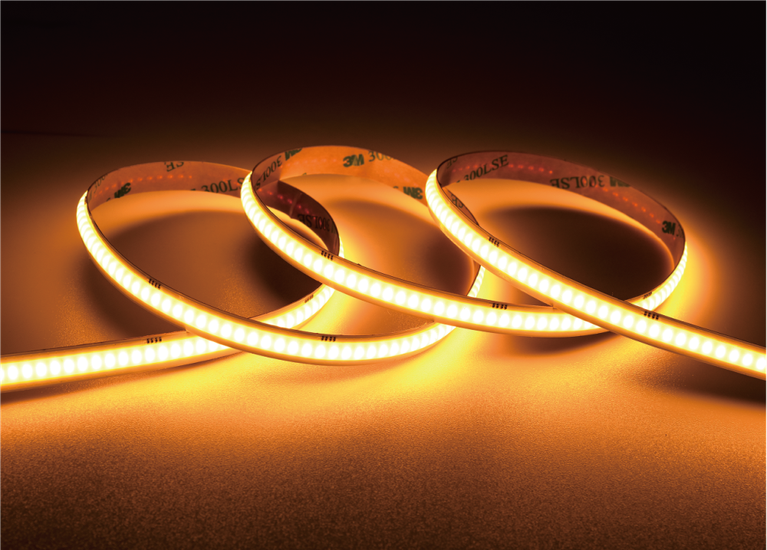
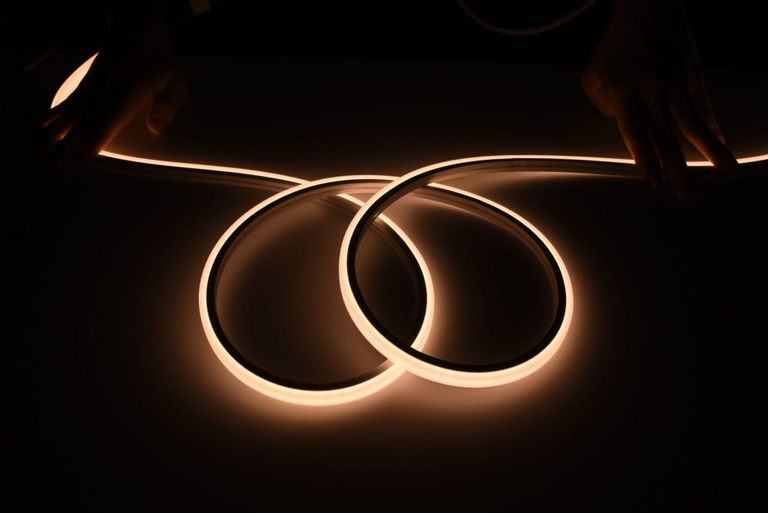
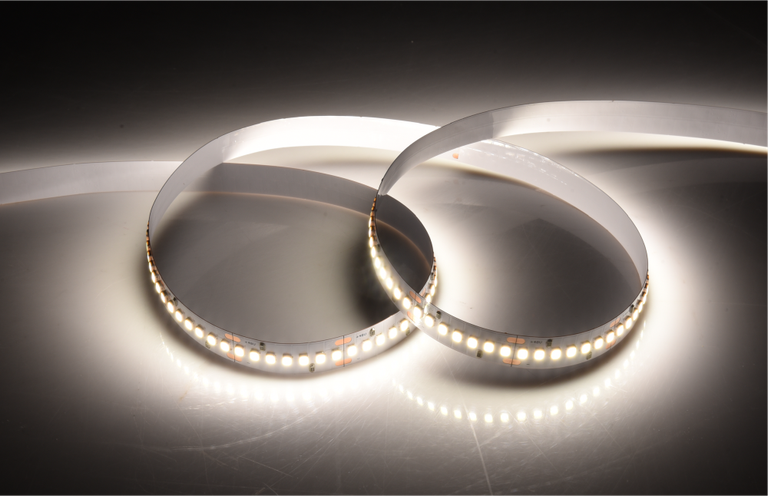
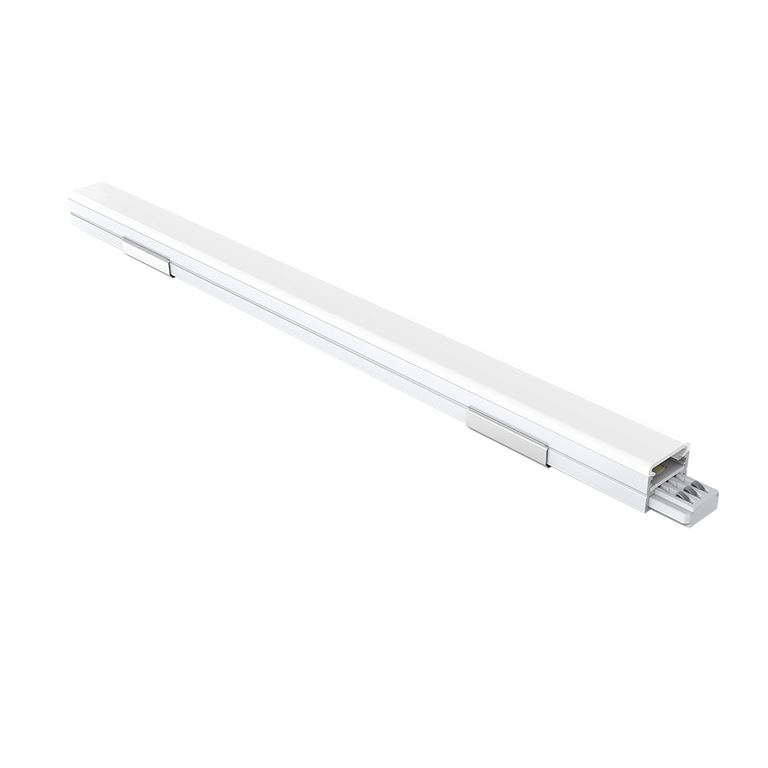
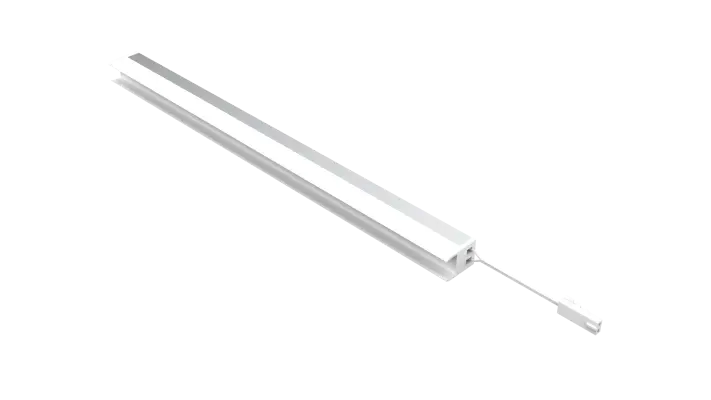
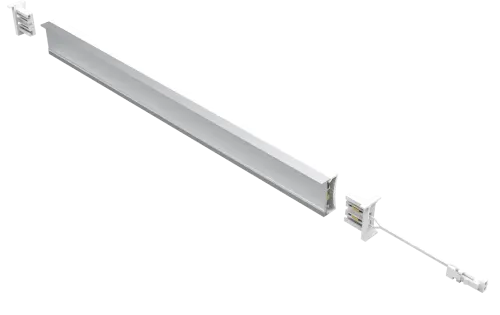
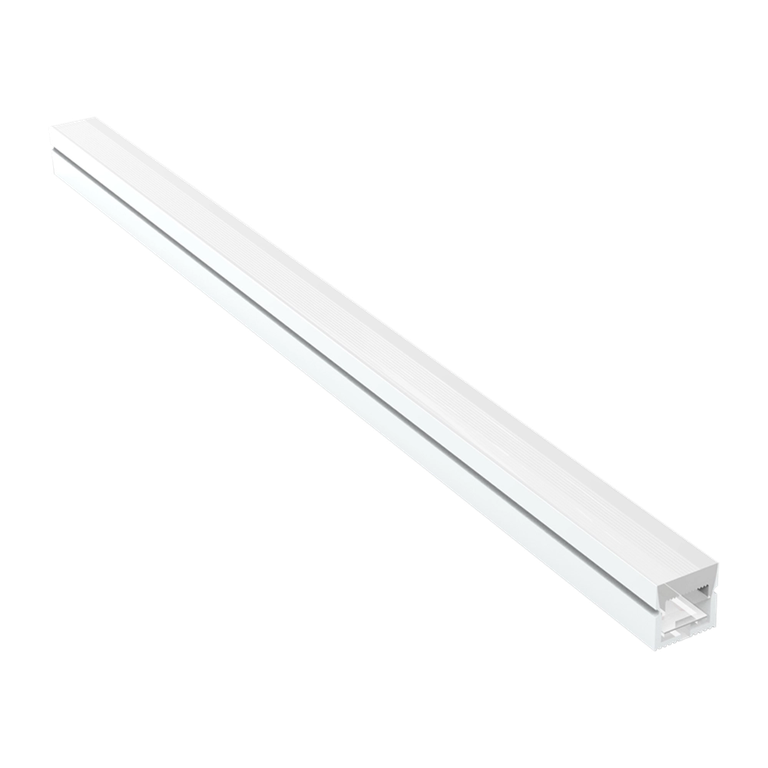
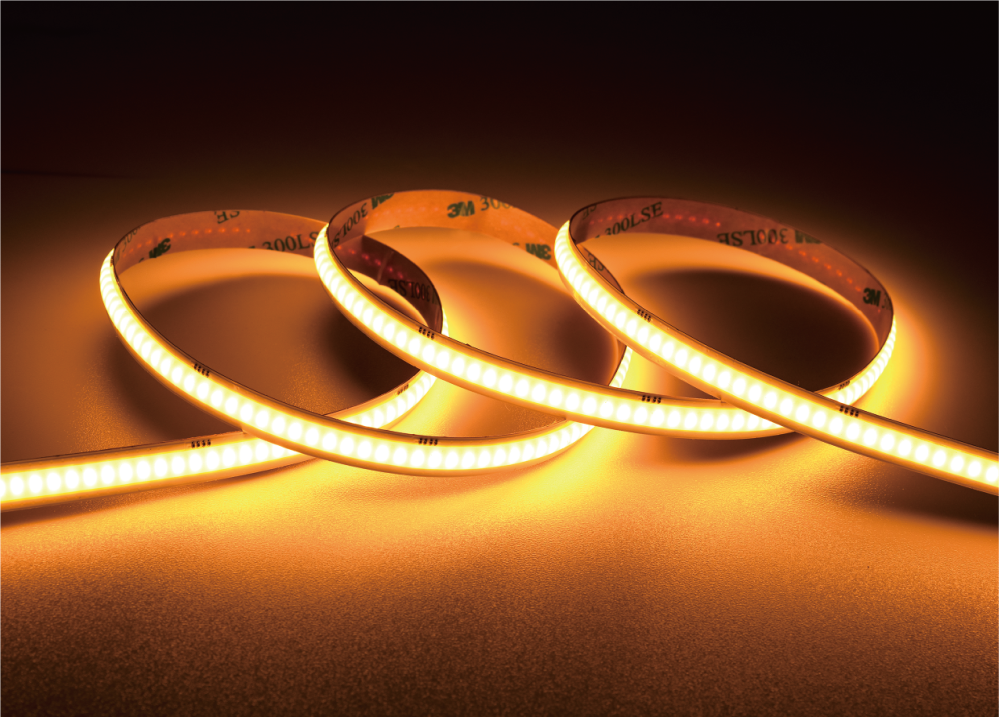
LEDIA Lighting supplies regular and silicone/neon-style strip options for indoor, outdoor, commercial, and architectural work. Its strip-light range includes COB, RGB, high-efficacy, high-voltage, low-voltage-drop, and flexible wall-washer products. The right choice therefore starts with sign geometry and lighting effect, not a generic wattage request.
Which Electrical Details Must Be Fixed Before Fabrication?
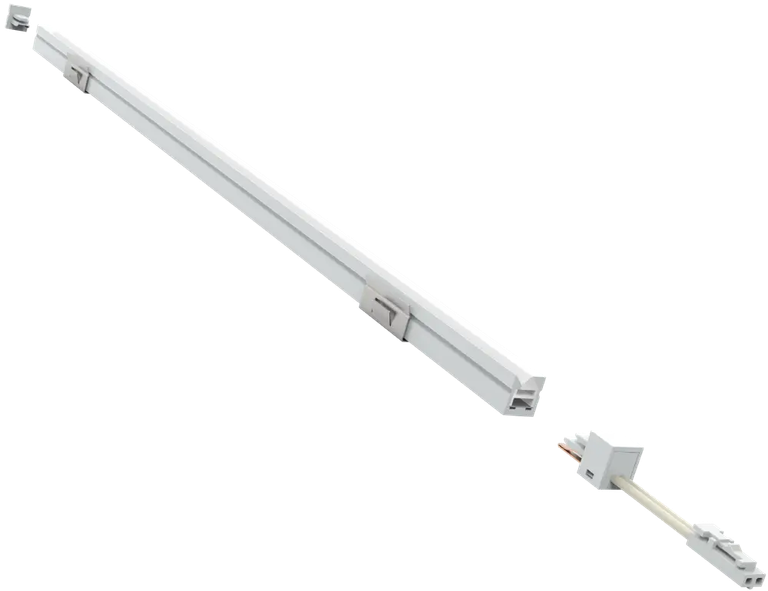
A signage drawing should establish operating voltage, power demand, cut length, driver location, and circuit segmentation before materials are ordered. These details affect cable routing, enclosure space, voltage drop, access, and product quantity.
A project team needs the manufacturer’s cutting unit rather than assuming a strip can be shortened anywhere. One LEDIA COB strip documented in its catalogue uses 24VDC input, 10.0 W/m typical power, and a 55.55 mm cutting unit. Those figures apply to that product, not LED strips generally.
Power supplies should be planned around actual connected load and installation arrangement. For long runs, practical circuit division can simplify troubleshooting. We recommend confirming the electrical schedule before the sign face is finalized.
How Will the Sign Look at the Intended Viewing Distance?
Brightness alone does not determine whether a sign looks uniform. Light distribution, source spacing, sign depth, surface material, and viewing distance interact. A specification that looks impressive on paper can still produce bright spots or dark areas if the geometry is unsuitable.
Request photometric information or a sample where the visual result is critical. The LEDIA catalogue documents photometric data for a specific COB series and lists multiple CCT and lumen-per-metre configurations. Such information is more useful than a product photograph.
Colour also deserves a defined target. Specify the required CCT and, where brand colours or product appearance matters, establish whether a particular CRI level is necessary. We treat colour selection as part of the signage brief rather than leaving it to procurement.
What Environmental Conditions Will the Sign Face?
Indoor dry signage and exposed exterior signage should not be specified from the same assumptions. Consider rain, dust, condensation, temperature, cleaning methods, and whether the strip will be enclosed or directly exposed.
IP protection is particularly relevant where moisture or dust can reach the lighting system. Verify the rating for the exact product configuration and installation method.
We also check whether the chosen strip is physically suitable for bends, channels, and mounting surfaces. Flexible products accommodate complex shapes, while silicone or neon-style formats can suit a continuous visual line. LEDIA Lighting identifies silicone neon flex for applications including advertising signage, while its customization service covers commercial and outdoor requirements.
What Should the Supply Partner Confirm?
Procurement should go beyond unit price. A reliable LED strip supplier should confirm the exact product specification, available configuration, packaging, lead time, sample process, and technical documentation relevant to the project.
For repeat signage programs, consistency between batches matters. Ask how the supplier handles customized requirements and whether samples can be approved before mass production. We use a consultation, design, sample confirmation, mass production, delivery, and after-sales workflow for customized lighting projects.
A wholesale LED strip light purchase also deserves a project-level check of quantity and configuration. Volume does not solve a mismatch between voltage, cutting length, environment, or sign construction. Bulk procurement works best after the technical schedule has been locked, and a capable LED strip supplier should be able to support that review.
Which Questions Belong on the Final Sign-Off Sheet?
Before fabrication begins, we want clear answers to six practical questions: What surface is being illuminated? What visual effect is required? What voltage and power arrangement will be used? Where will drivers and connections be located? What environmental exposure must the product withstand? Which exact strip configuration has been sampled or approved?
Documenting those answers gives the designer, fabricator, electrician, contractor, and buyer a shared reference. It also prevents a common failure: treating lighting as a replaceable commodity after the sign is built.
Signage works best when the LED specification follows the project’s physical and visual requirements. We have found that early coordination of geometry, electrical design, optical performance, environmental exposure, and procurement gives contractors a clearer installation path.
For teams sourcing at scale, LEDIA Lighting can support standard strip-light selection and customized lighting workflows, allowing the specification to be settled before production rather than corrected afterward. A wholesale LED strip light order is most effective once those technical decisions are documented.