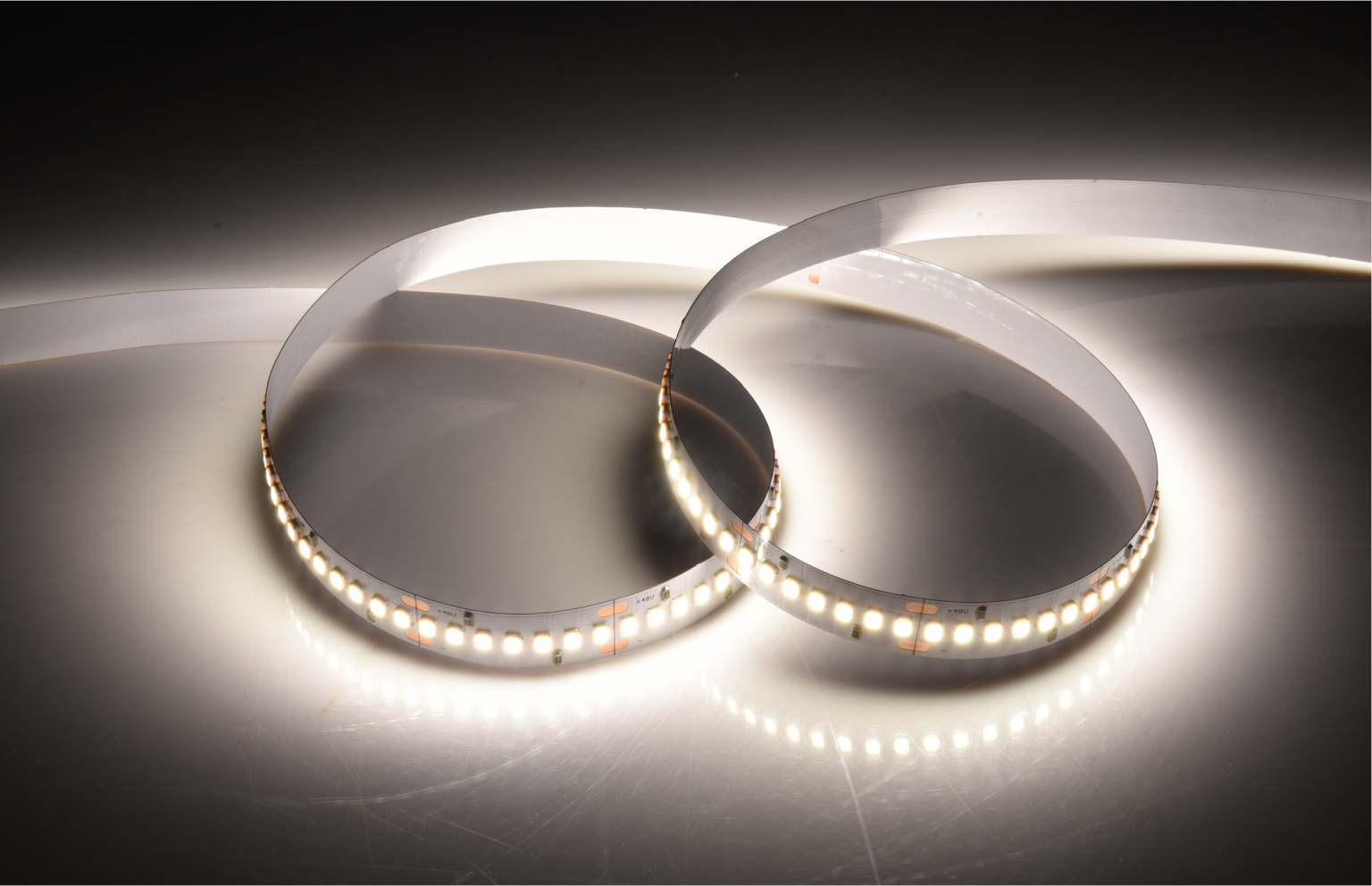
Home accent lighting is less about maximum brightness and more about shaping how a room looks and feels. For designers, contractors, distributors, and lighting professionals, choosing the right strip requires more than comparing appearance or price. Before specifying standard LED strip lights, ask where the lighting will go, how it will be powered, cut, and what visual result it should deliver.
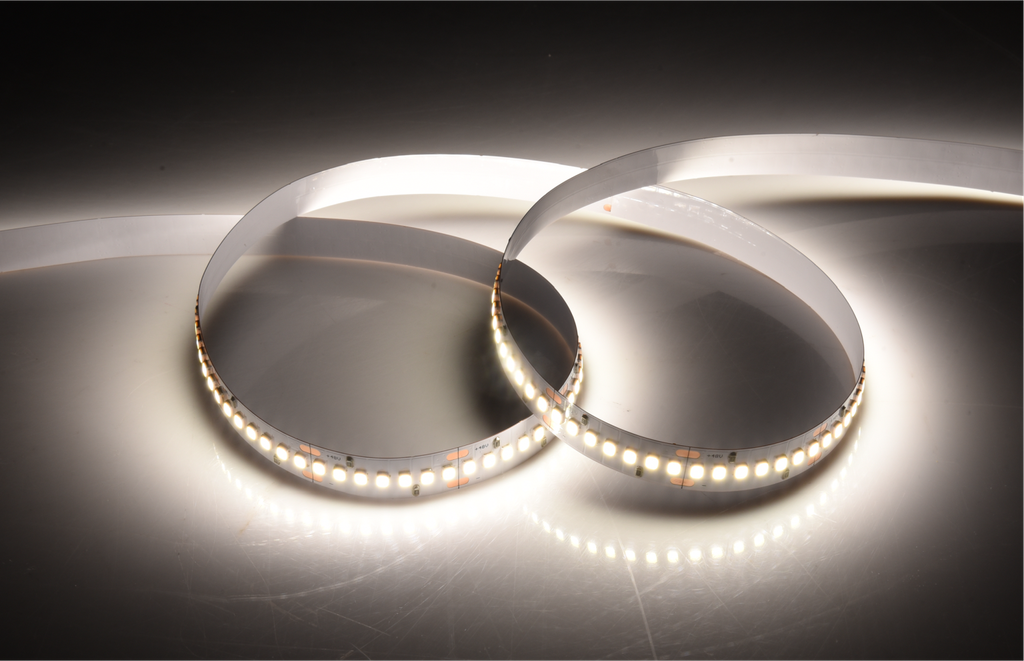
Where Will the Accent Lighting Be Installed?
Start by identifying the feature that needs emphasis. LED strips can fit beneath cabinets, inside shelving, along furniture, around ceilings, or behind decorative elements. Each location has different mounting, access, heat, and moisture requirements.
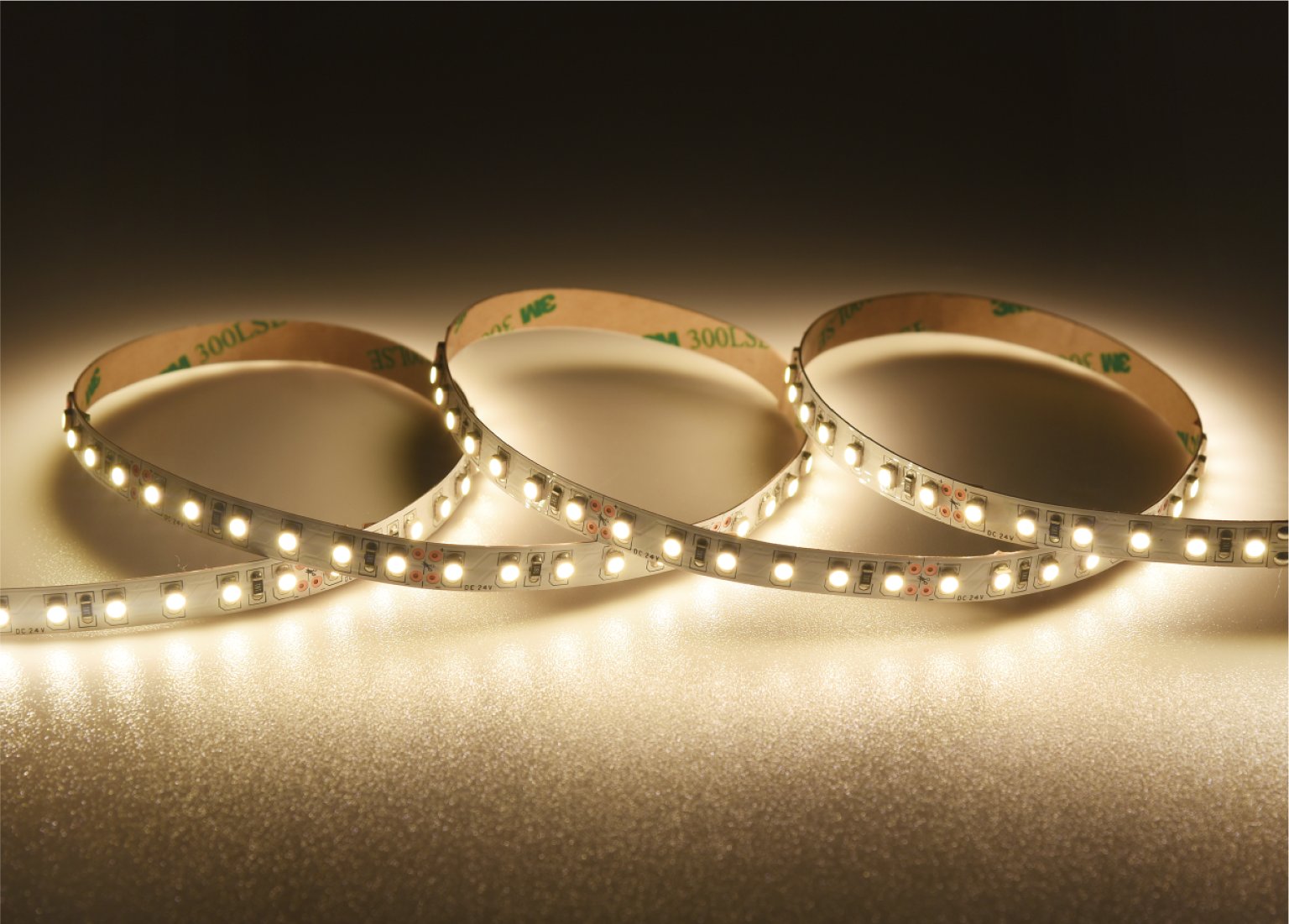
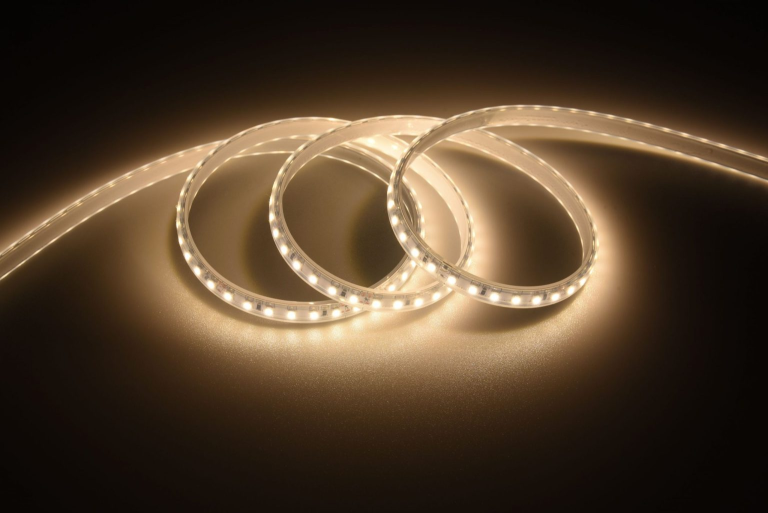
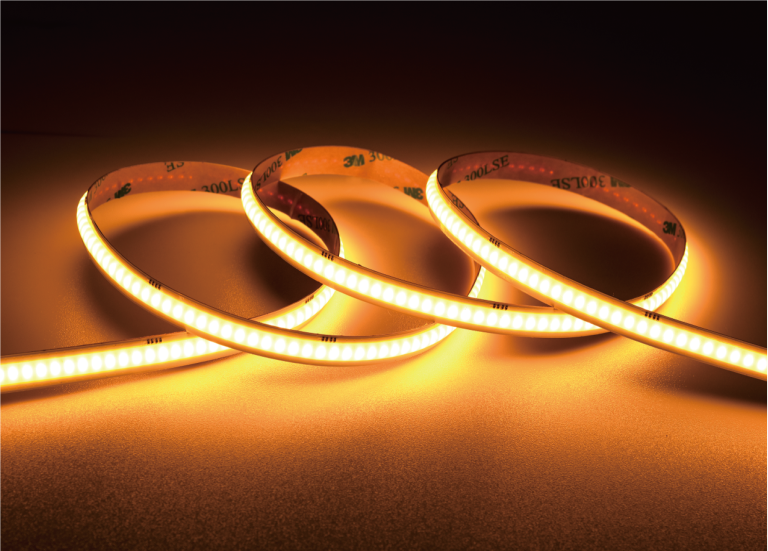
For residential projects, standard LED strip lights work well when the goal is to add a discreet layer of illumination without introducing a bulky fixture. They can outline a cabinet, highlight a display shelf, or create a soft line along a wall. The strip should still be selected according to the actual installation environment.
How Long Does the Lighting Run Need to Be?
Length matters because longer runs place greater demands on the electrical system. Determine the required run before selecting the strip and power supply, with attention to voltage distribution and connection points.
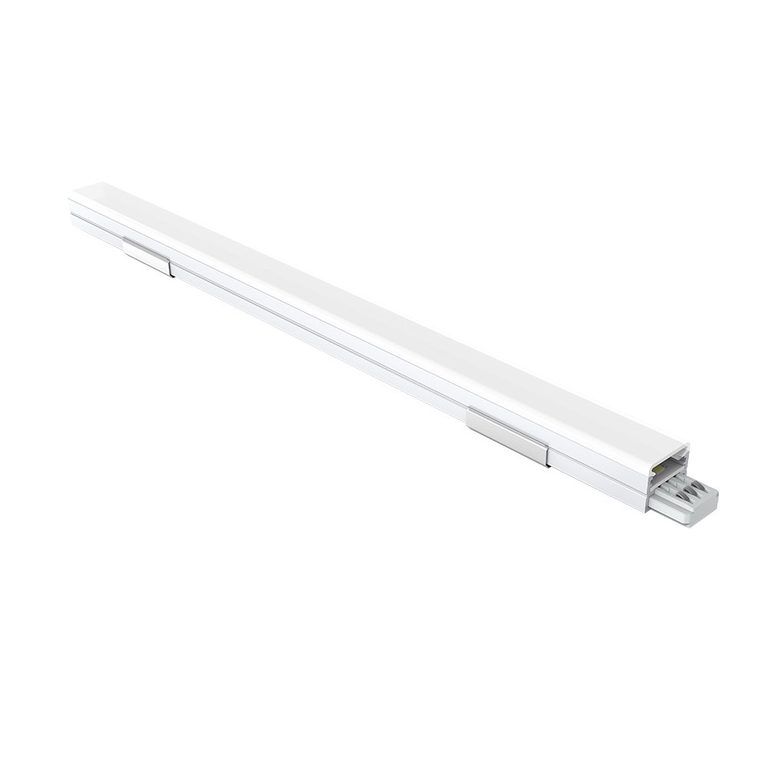
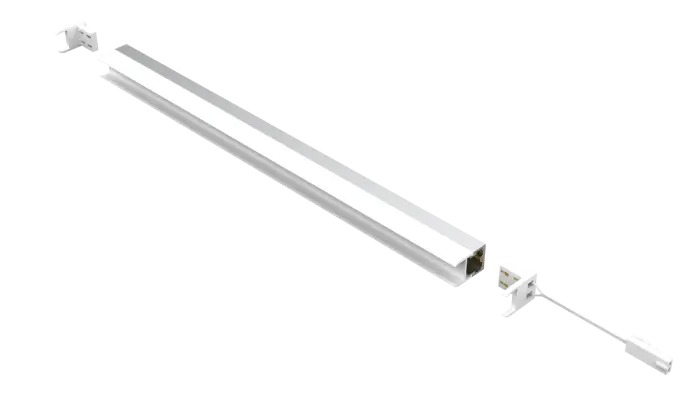
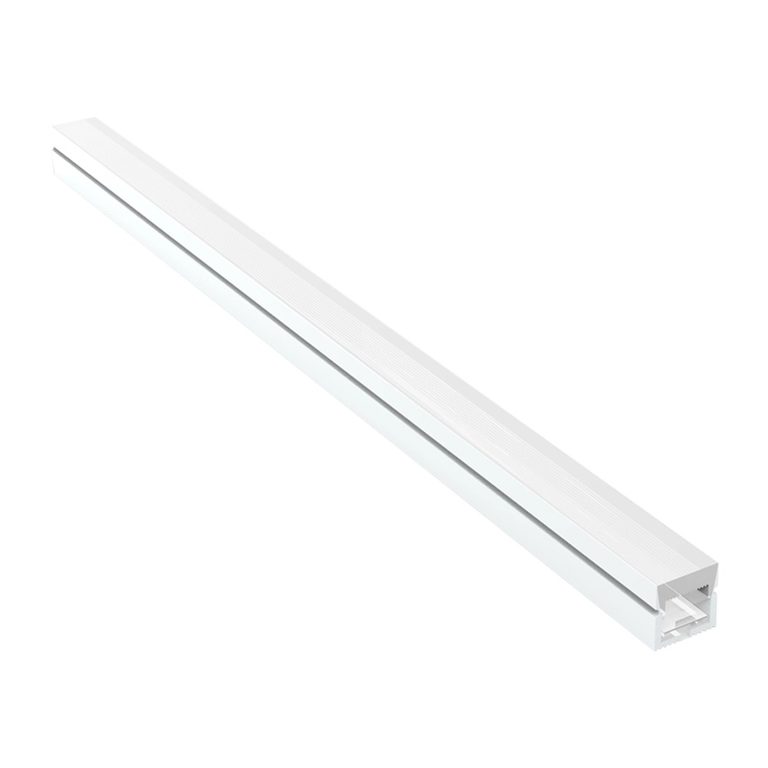
Our 48V Series is designed for ultra-long runs, helping address applications where conventional short sections may create unnecessary connection points. A shorter cuttable LED rope light interval gives installers more flexibility when matching precise dimensions, including long cabinets, walls, and other continuous architectural features.
Where Will the Strip Need to Be Cut?
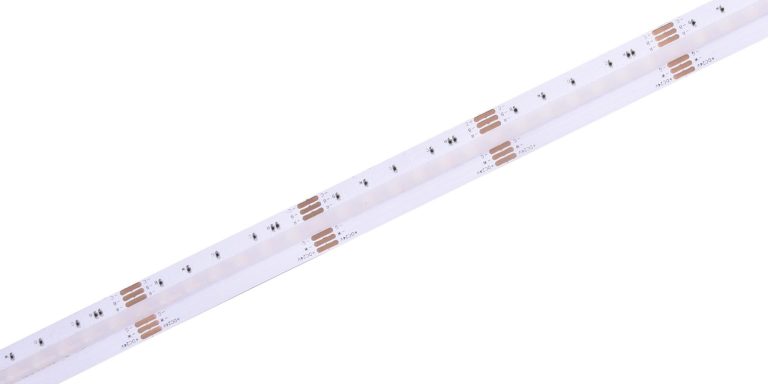
Cutting at suitable intervals can simplify installation. Before ordering, confirm the product’s cutting interval and identify where sections will terminate. If a strip cannot be cut at the required points, the result may include visible gaps or unnecessary waste.
Our 48V Series combines ultra-long-run capability with a shorter cuttable LED rope light interval. This helps contractors plan around furniture dimensions and architectural details.
What Light Quality Does the Space Require?
Brightness is only one part of an accent-lighting specification. Color temperature and color rendering influence how surfaces, furnishings, artwork, and decorative materials appear. Establish the desired visual character before selecting the strip.
Our 48V Series uses LM80-certified 2835 SMD LEDs and offers CRI 80+ and CRI 90+ options. LM-80 evaluates lumen and color maintenance of LED packages and arrays; UL Solutions lists it among its lighting performance and lifetime testing capabilities. This documentation gives professional buyers useful performance information.
Does the Environment Require Water Protection?
The installation environment should determine the protection level. A dry interior application differs from a location exposed to splashes, condensation, or outdoor moisture. Specifying an IP rating without considering the actual environment can create an unsuitable installation.
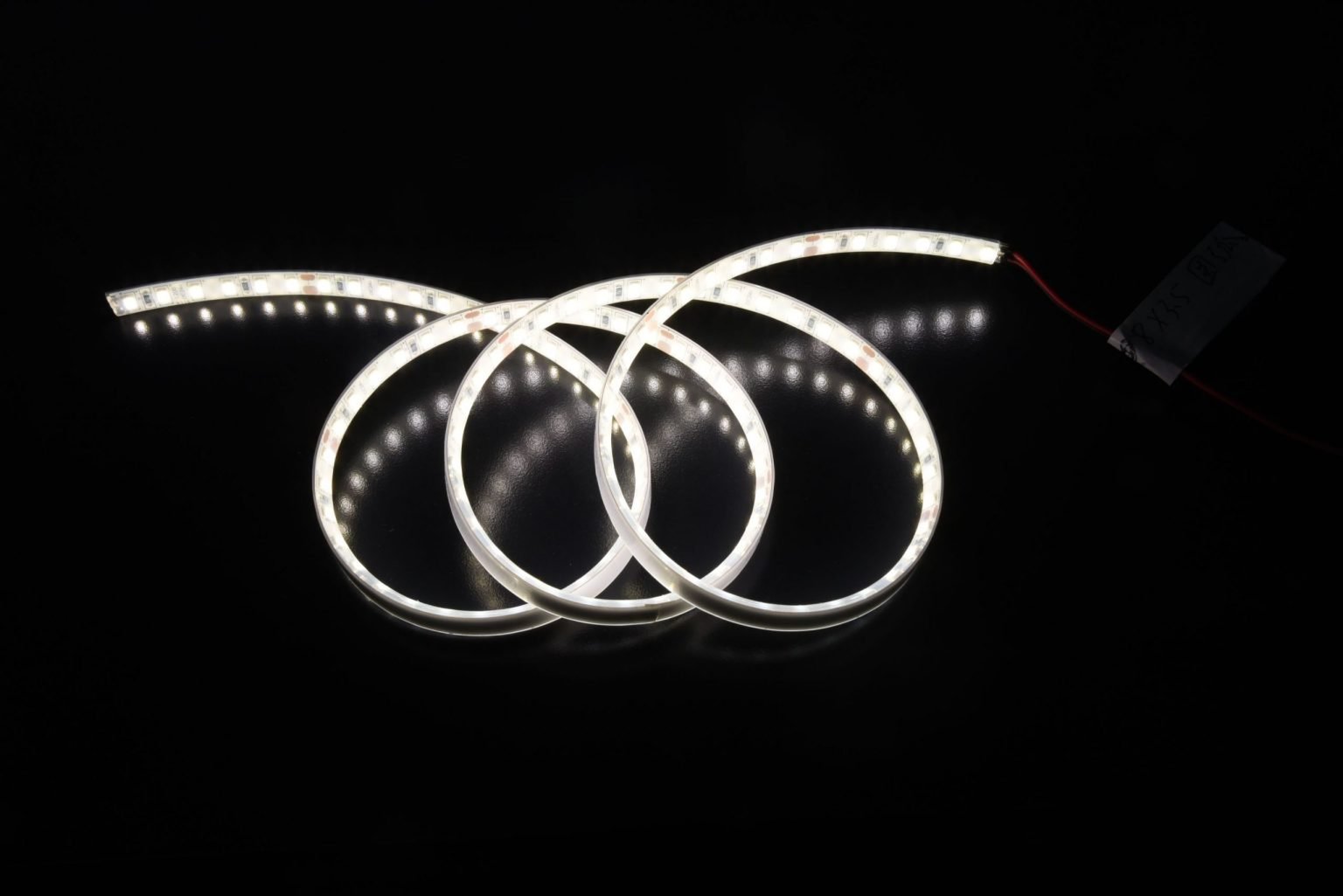
Our 48V Series is available in IP20, IP65, IP67, and IP68 options. The version should match the installation conditions and product documentation. UL Solutions identifies IP testing as a way to evaluate protection against environmental factors such as dust and moisture.
Can the Strip Work Across Different Residential Spaces?
A useful accent-lighting system should adapt to the project. Kitchens, bedrooms, living areas, home offices, and display spaces may require different approaches to placement and light output.
Standard LED strip lights can suit these applications because their linear form integrates into many architectural details. Our 48V Series is specified for office, residential, retail, and decorative lighting, giving project teams broader applications from one product family.
What Should Business Buyers Check Before Ordering?
Professional buyers should review more than the strip itself. Confirm voltage, cutting interval, LED type, CRI option, protection level, run requirements, compatible power supply, mounting method, and applicable certifications. Documentation should match the exact version being ordered.
Certification and testing matter for commercial projects and international markets. UL has reported that we achieved UL Witnessed Test Data Program and IECEE CB Scheme Customers’ Testing Facility qualifications. Such capabilities support structured product evaluation for business customers.
How Can the Right Strip Improve the Overall Design?
The accent lighting supports the architecture instead of competing with it. Careful planning can help hide the source, maintain consistency, and minimize unnecessary joints or visible hardware.
Our 48V Series gives professional customers ultra-long-run capability, shorter cuttable intervals, LM80-certified 2835 SMD LEDs, and multiple IP options. For projects requiring standard LED strip lights or customized configurations, we can also support different installation requirements through our product development and manufacturing capabilities.
A More Practical Approach to Home Accent Lighting
Planning accent lighting becomes easier when key questions are answered before purchasing. Consider location, run length, cutting requirements, light quality, environmental conditions, and system compatibility. These factors help designers and contractors select products suited to the installation.
For business projects, flexibility is equally important. At LEDIA Lighting, our 48V Series is designed for residential, office, retail, and decorative applications, while our manufacturing capabilities support customized requirements. Whether the project needs standard LED strip lights or a cuttable LED rope light configuration, we match product characteristics with the installation. This approach can make projects easier to specify, install, and manage.