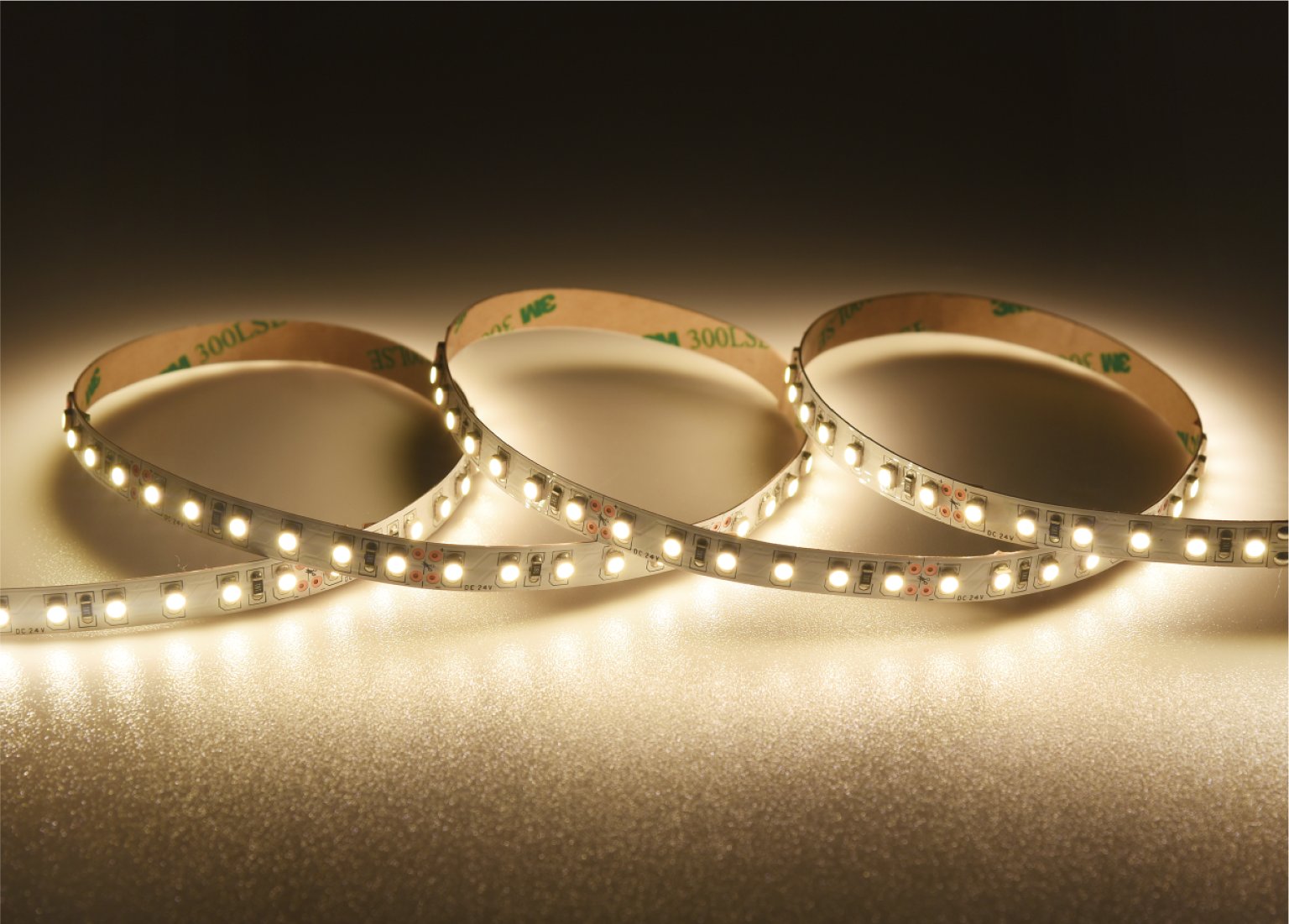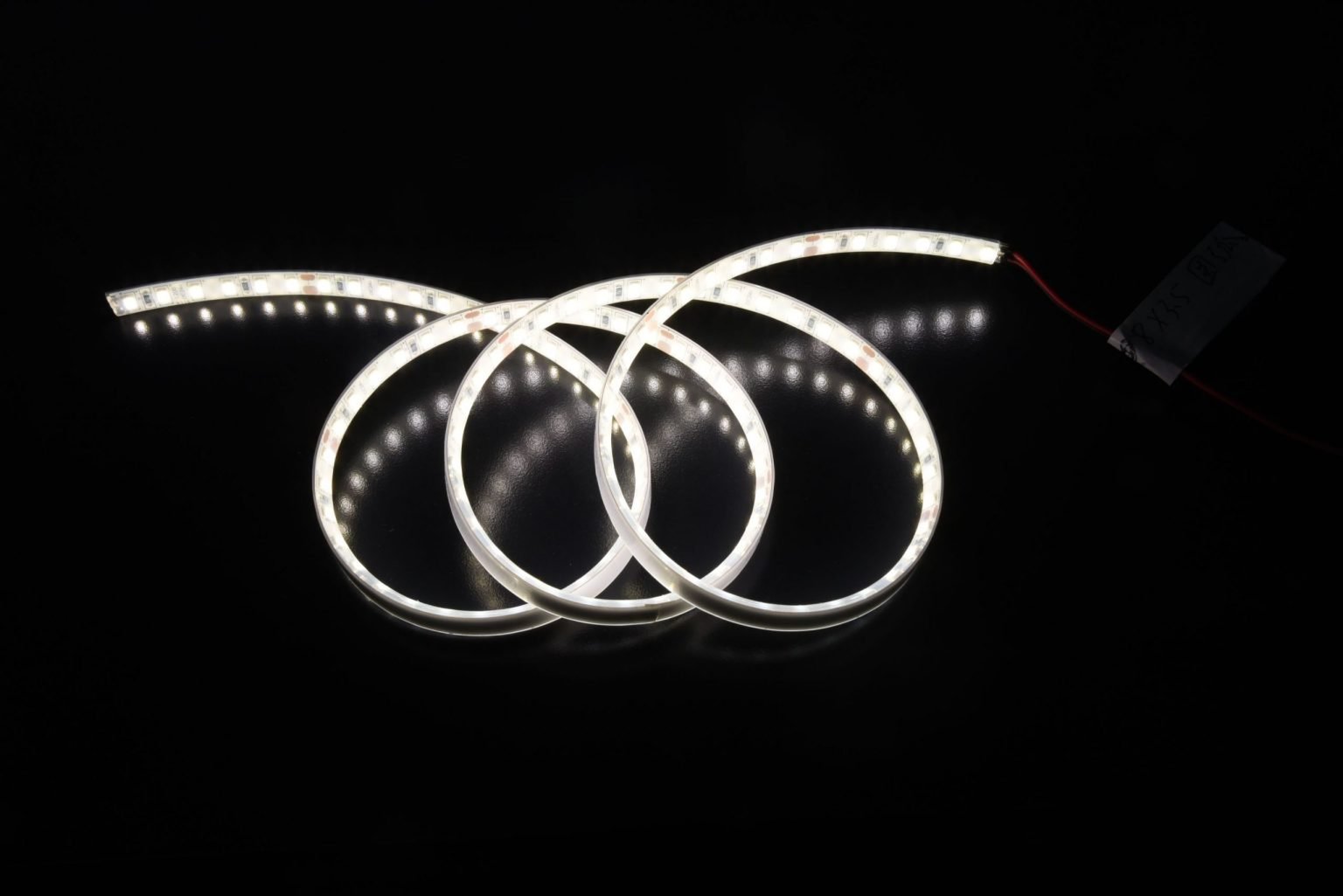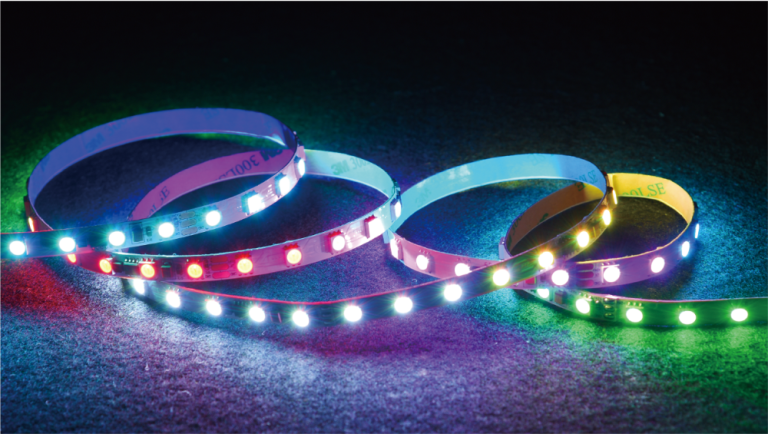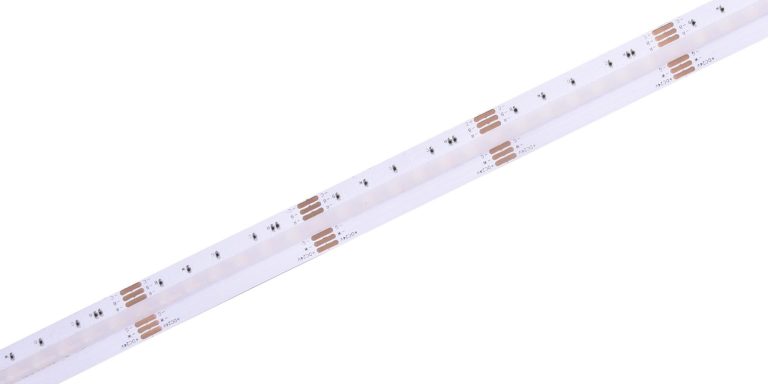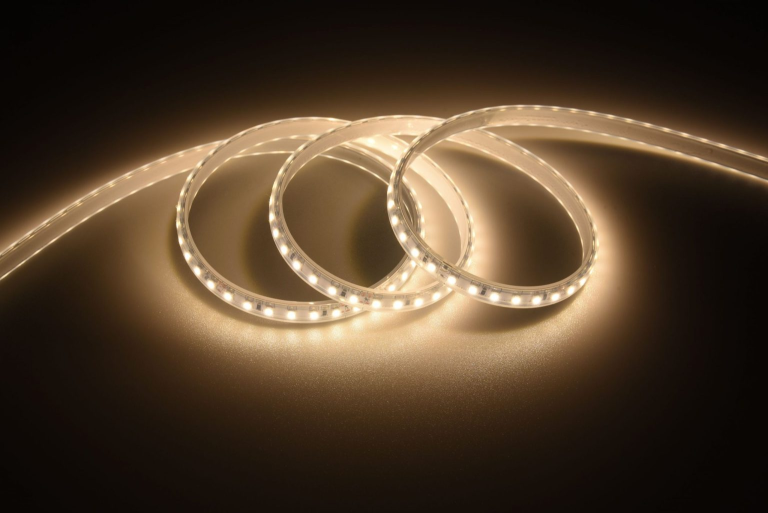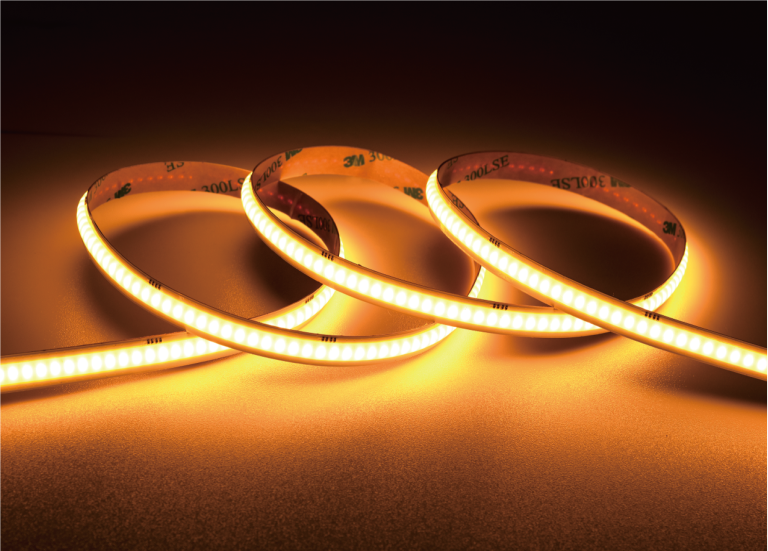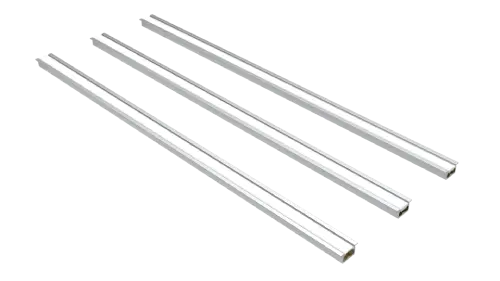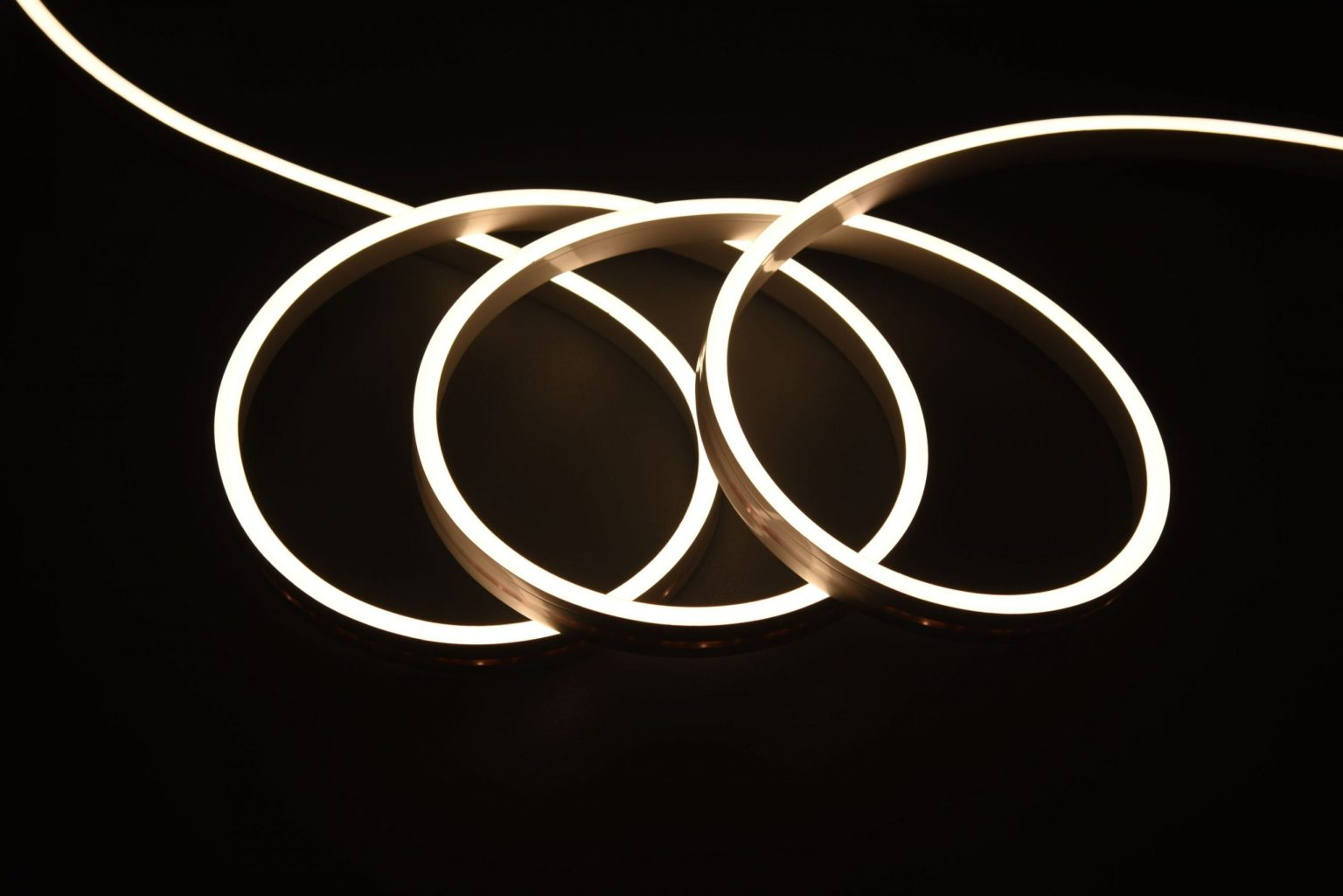
Lighting plays a significant role in shaping the atmosphere, visual identity, and functionality of an interior or architectural space. For designers, architects, contractors, and lighting specifiers, choosing the right lighting is not simply about brightness. It also involves finding fixtures that complement the overall design concept. A silicone LED strip light offers considerable creative freedom because of its flexibility, continuous illumination, and clean appearance.
From contemporary interiors to commercial façades, flexible linear lighting can highlight architectural features without overwhelming the surrounding design. By understanding how to match different lighting effects with specific design styles, we can create visually cohesive spaces while meeting practical project requirements.
Understanding the Relationship Between Lighting and Design
Every design style has its own visual language. Minimalist spaces prioritize simplicity, industrial interiors emphasize structural elements, and contemporary commercial environments often combine decorative details with functional illumination. Lighting should reinforce these characteristics rather than compete with them.
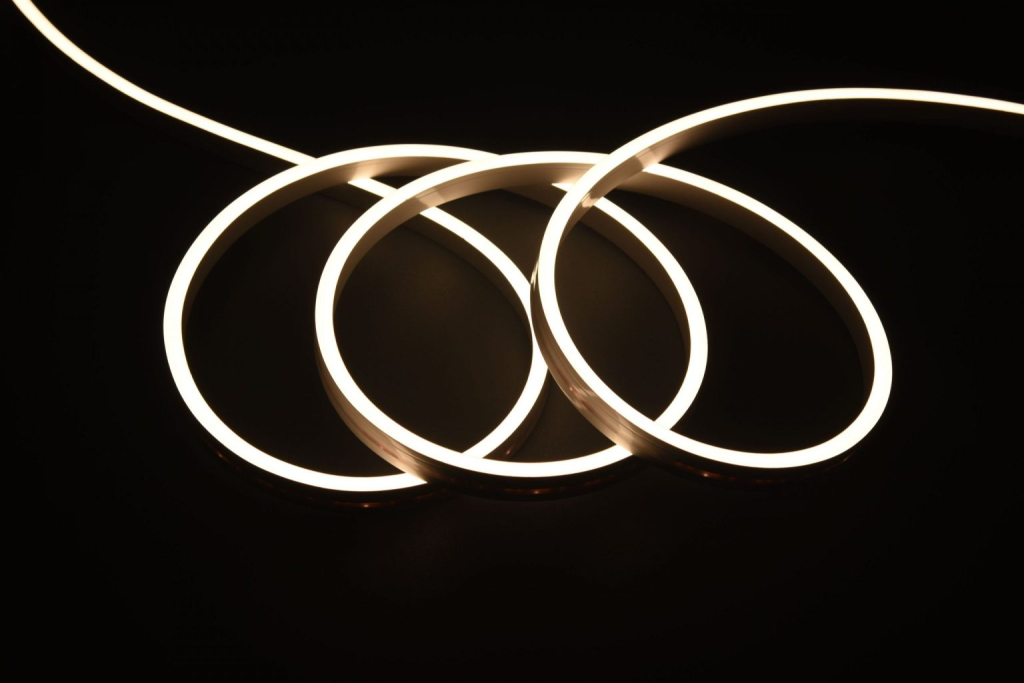
A silicone LED strip light works particularly well when designers want to define edges, emphasize materials, or introduce decorative lines. Its soft silicone housing can follow straight sections, curves, and selected irregular surfaces, allowing lighting to become part of the architectural composition.
For project planners, selecting suitable products also requires considering installation conditions, light distribution, dimensions, color temperature, and maintenance access. These factors help ensure that the finished installation supports both the intended appearance and long-term operational needs.
Matching Silicone LED Lighting with Different Design Styles
Minimalist Design: Keep the Lighting Subtle
Minimalist interiors rely on clean geometry, uncluttered surfaces, and carefully controlled visual details. Lighting should contribute to the atmosphere without becoming an unnecessary focal point. Concealed linear illumination beneath cabinets, along ceiling coves, or around recessed architectural features can create depth while preserving a simple appearance.
Warm white lighting generally complements natural wood, neutral walls, and understated furniture, while neutral white can suit more functional environments. A slim silicone profile is useful when designers want continuous illumination without exposing individual LED points.
When specifying this style, we recommend prioritizing discreet installation, consistent brightness, and suitable color temperature. The lighting should support the architecture rather than dominate it.
Industrial Design: Emphasize Structure and Geometry
Industrial interiors commonly feature exposed concrete, metal finishes, brick walls, and visible building services. Linear lighting can reinforce these architectural characteristics by tracing beams, columns, staircases, and ceiling structures.
Designers can use flexible neon lighting to create defined outlines around selected structural elements. Cool white illumination may strengthen a technical atmosphere, while warmer tones can soften the appearance of concrete and metal.
For these projects, installation flexibility is particularly valuable. A product that can follow corners and architectural transitions makes it easier to maintain visual continuity across different surfaces.
Modern and Contemporary Design: Create Clean Visual Accents
Contemporary spaces often combine simple forms with distinctive decorative features. Hotels, restaurants, offices, and retail environments may use linear illumination to establish visual hierarchy and guide visitors through different areas.
A silicone LED strip light can highlight reception counters, display shelves, decorative wall panels, and ceiling details. Continuous illumination creates a more unified appearance than exposed point sources, particularly when the lighting is directly visible.
Color selection should reflect the project’s identity. Neutral white supports a balanced commercial environment, whereas colored illumination can introduce a stronger decorative statement in entertainment venues or branded spaces.
Luxury Design: Highlight Materials and Details
Luxury interiors depend on material quality, proportion, and carefully coordinated lighting. Marble, glass, polished metal, and decorative wood can all benefit from indirect illumination that reveals their textures without producing excessive glare.
Concealed lighting beneath furniture, inside display cabinets, or along wall recesses can add visual depth. Warm white tones are often suitable for creating an inviting atmosphere in hotels, restaurants, and premium residential developments.
In these applications, we suggest evaluating the viewing angle and diffuser appearance alongside brightness. A well-positioned light source should enhance the material without distracting reflections or visible lighting inconsistencies.
Outdoor Architectural Design: Define Building Contours
Outdoor lighting needs to consider both visual impact and environmental exposure. Building façades, entrance borders, landscape structures, and signage can benefit from flexible linear lighting that follows architectural outlines.
For example, designers can use illuminated borders to distinguish a building’s horizontal lines or highlight curved façade details. In commercial developments, these lighting elements can also strengthen nighttime visibility and architectural recognition.
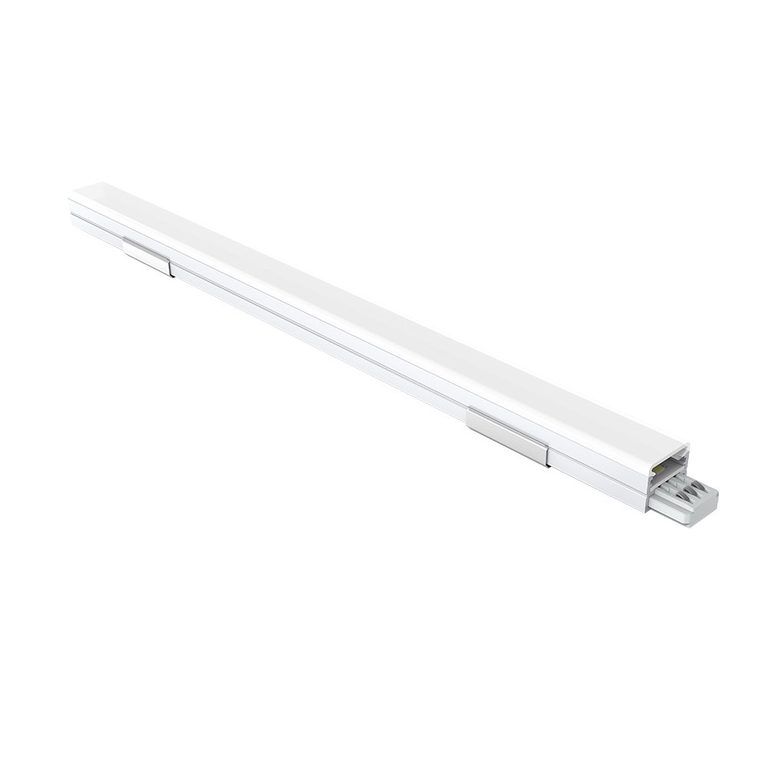
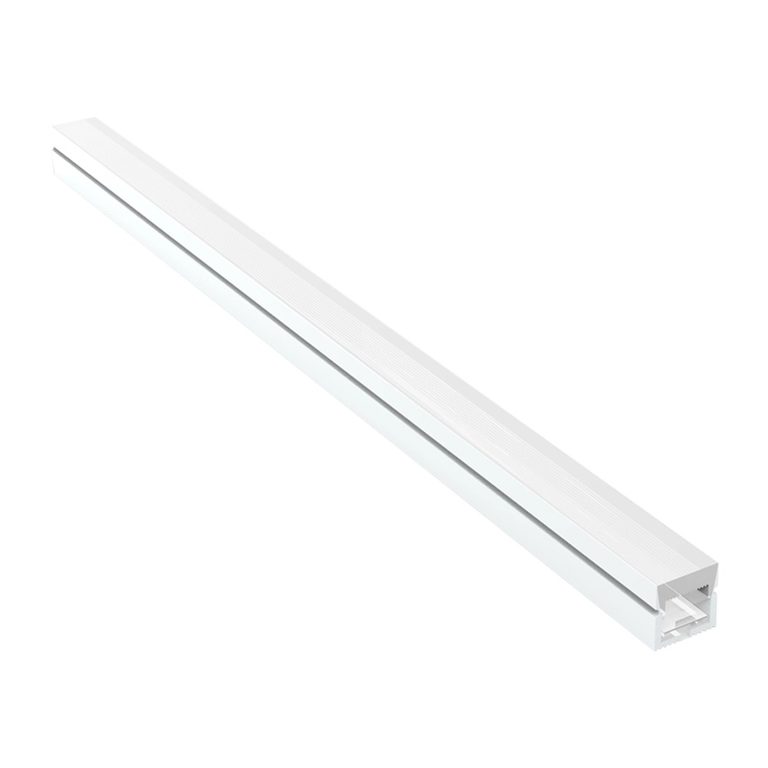
The LD-FR-SJS-DC24V-XXXX-120-6X12 from our silicone neon series offers an IP67-rated construction for suitable indoor and outdoor installations. Its compact 6 × 12 mm profile supports decorative applications where a slim lighting appearance is preferred.
Practical Considerations When Selecting Flexible LED Strip Manufacturers
Matching lighting with a design style is only part of the specification process. Commercial projects also require reliable products, consistent quality, and installation methods that suit the building’s structure.
When comparing flexible LED strip manufacturers, project buyers should consider several important factors:
Material quality: Silicone construction should provide the flexibility and protection required by the intended installation environment.
Light distribution: Continuous, dot-free illumination is particularly important when strips remain visible as decorative elements.
Customization: Cutting and joining options help accommodate different lengths, corners, and project layouts.
Environmental protection: Check the IP rating against actual exposure to dust and water.
Technical support: Product documentation and customization assistance can help contractors coordinate installation and maintenance.
Experienced flexible LED strip manufacturers should also understand that architectural lighting projects rarely follow identical specifications. Providing suitable product configurations and practical technical guidance can make procurement and installation more predictable.
Exploring LEDIA Lighting’s Silicone Neon Flex Solution
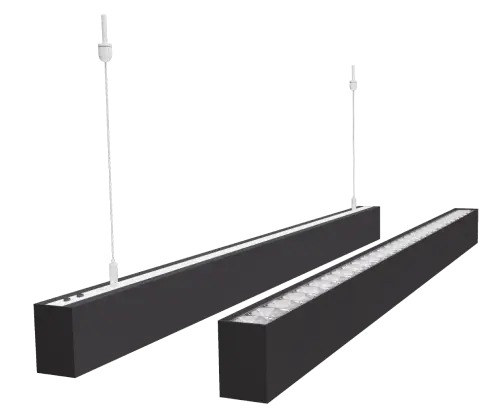
As a professional LED linear light manufacturer, we provide lighting products for indoor and outdoor applications, including strip lights, linear fixtures, cabinet lights, high-bay lights, and tri-proof lighting.
Our LD-FR-SJS-DC24V-XXXX-120-6X12 is designed for projects that require a slim profile, flexible installation, and continuous illumination. Its soft silicone body helps create smooth lighting effects without the appearance of individual LED dots.
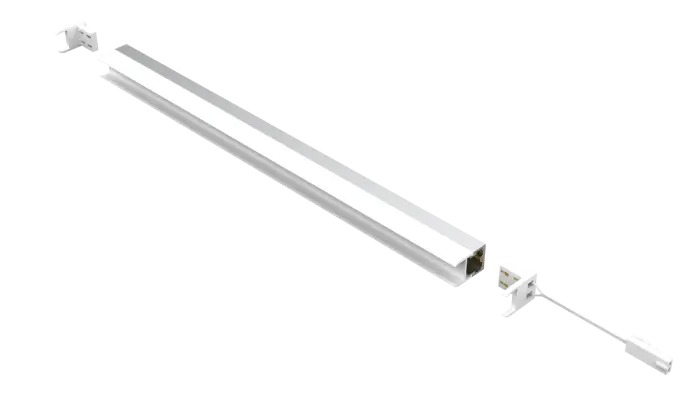
The product supports customizable cutting and joining, allowing installers to adapt lighting layouts to different architectural requirements. Its fireproof construction also addresses an important consideration in commercial decorative lighting.
For designers seeking a silicone LED strip light for cabinets, shelves, cove lighting, signage, or architectural outlines, this model offers an adaptable option. We also support customized LED linear lighting solutions for different project requirements.
Building Better Lighting Results Through Product Selection
The right lighting solution should balance design objectives with practical installation requirements. Before finalizing a specification, project teams should review the mounting position, available space, required light direction, power supply, connection arrangements, and environmental conditions.
Working with established flexible LED strip manufacturers can help lighting designers and contractors evaluate these factors before installation begins. It is also useful to request product samples or technical documentation when assessing how a particular profile will appear alongside actual construction materials.
Ultimately, successful lighting design comes from coordinating the product’s physical characteristics with the architectural concept, rather than selecting a fixture based on appearance alone.
Creating Cohesive Spaces with the Right Linear Lighting
Different design styles require different lighting approaches, but flexibility and consistent illumination remain valuable across many applications. From understated minimalist interiors to expressive commercial façades, silicone neon lighting provides opportunities to highlight architectural details and create distinctive visual effects.
At LEDIA Lighting, we offer flexible linear lighting solutions that help designers, contractors, and distributors translate creative concepts into practical installations. Our LD-FR-SJS-DC24V-XXXX-120-6X12 combines a compact silicone profile, continuous illumination, and customizable cutting and joining to support diverse decorative requirements.
By choosing suitable products and collaborating with experienced flexible LED strip manufacturers, project teams can achieve lighting installations that complement their design vision while meeting functional and environmental requirements.