Selecting linear lighting for a commercial project involves more than choosing a fixture that fits the ceiling or produces enough brightness. Buyers must consider visual effect, installation conditions, electrical design, exposure, and market documentation. A clear specification helps project teams compare products and avoid late changes.
At LEDIA Lighting, we support indoor and outdoor projects with strip and linear lighting solutions. We combine application review, product evaluation, manufacturing capability, and compliance considerations.
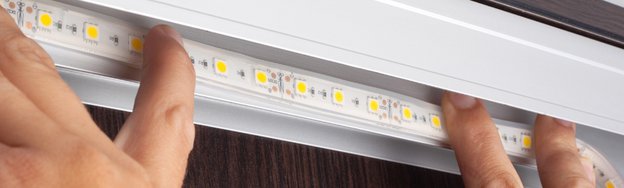
Define the Application Before Comparing Products
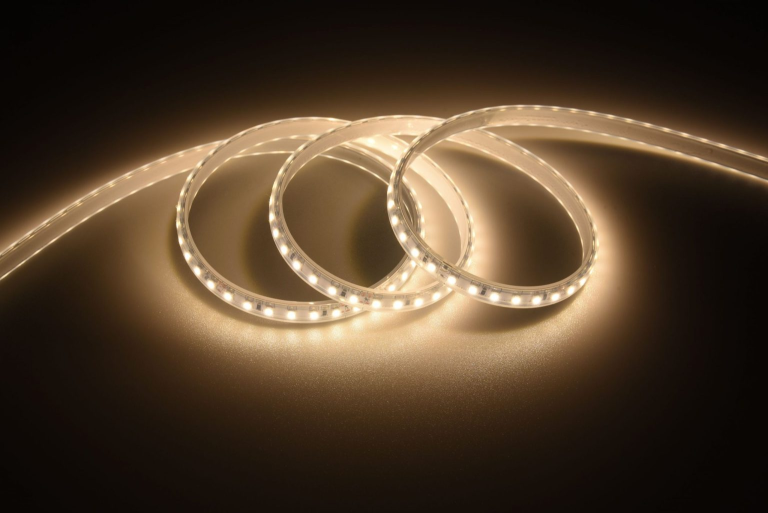
Identify the lighting purpose first. Cove lighting, cabinets, retail displays, office tasks, and architectural accents differ in output, appearance, and mounting. Note whether the strip is concealed or visible, whether it follows a curve, and the space available for profiles, wiring, and drivers.
This step narrows the choice of LED linear lighting strips. A display shelf may prioritize color rendering and consistent appearance, while a long ceiling run may require greater uniformity and voltage-drop management. Record the surface, viewing distance, run length, and operating hours before requesting quotations. This helps us recommend suitable LED linear lighting strips.
Compare Optical Performance and Visual Quality
Assess brightness using measured luminous output, not wattage alone. Efficacy, expressed in lumens per watt, helps compare how efficiently a product converts electrical power into light. Output depends on the task, room size, reflectance, fixture position, and surrounding light. Photometric data and a sample are more useful than product photographs.
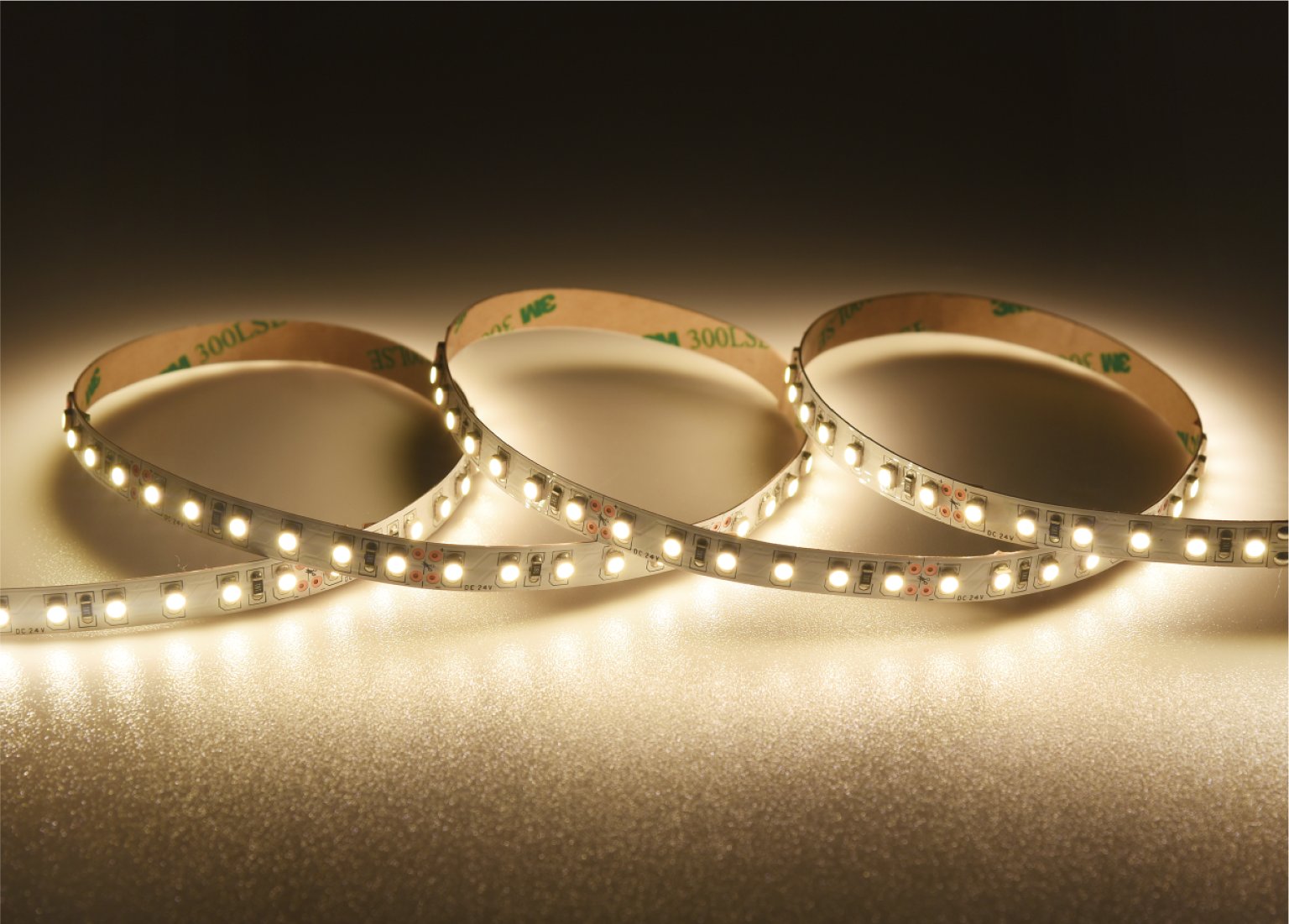
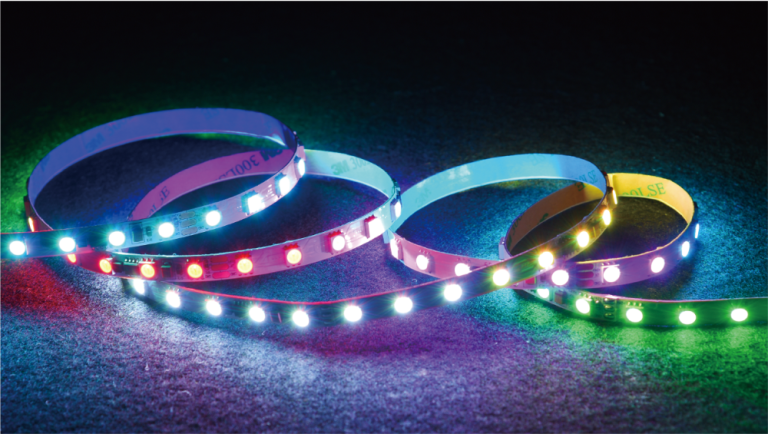
Color quality matters too. Correlated color temperature (CCT) influences whether a space appears warm, neutral, or cool, while the Color Rendering Index (CRI) indicates how accurately colors are rendered. Retail and display projects may need higher CRI than circulation areas. Specify consistent CCT and color tolerance across visible sections.
Check Construction, Protection, and Installation Conditions
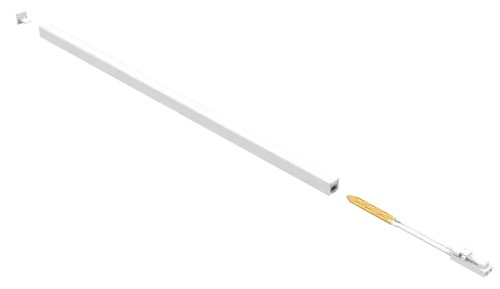
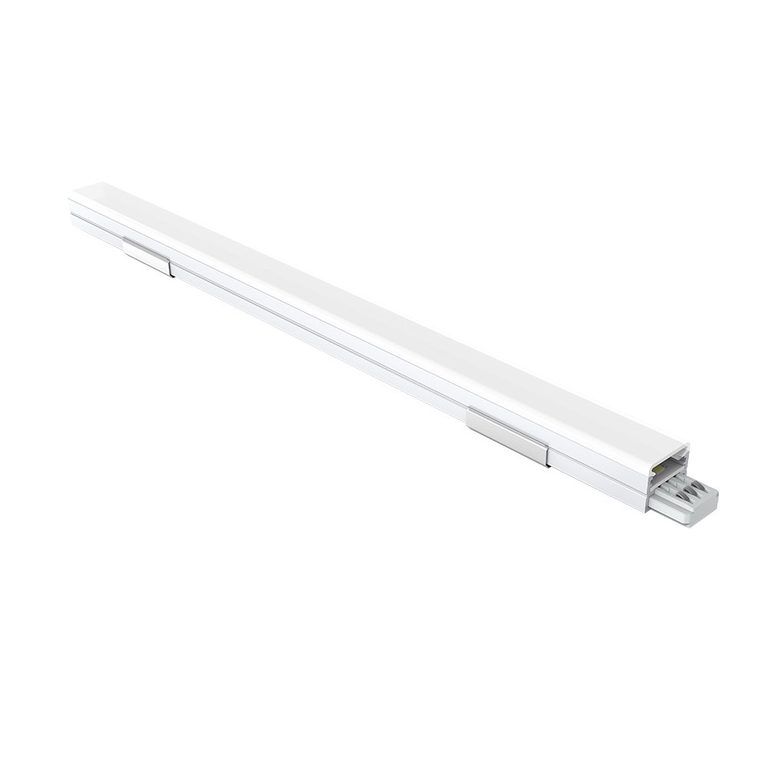
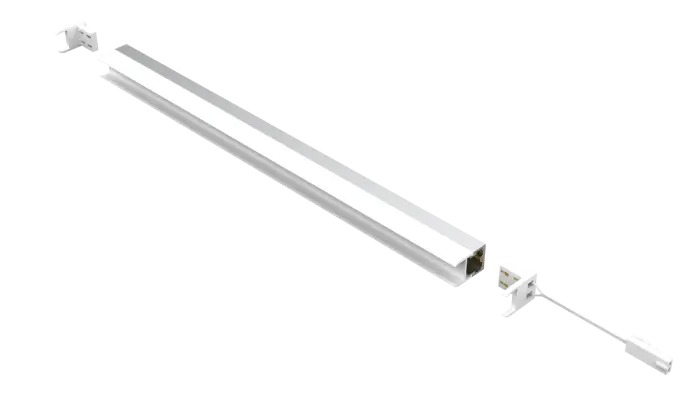
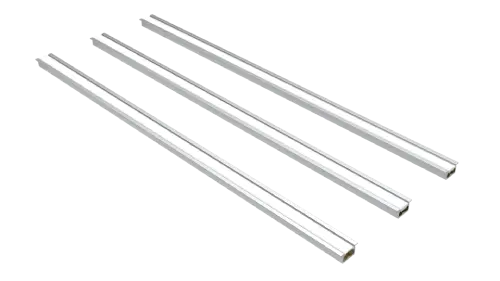
Review strip width, LED arrangement, cutting intervals, bend direction, connection method, and available profiles. These details affect fit at corners and transitions. Confirm bend radius and cut marks; twisting or cutting outside designated points can damage the circuit.
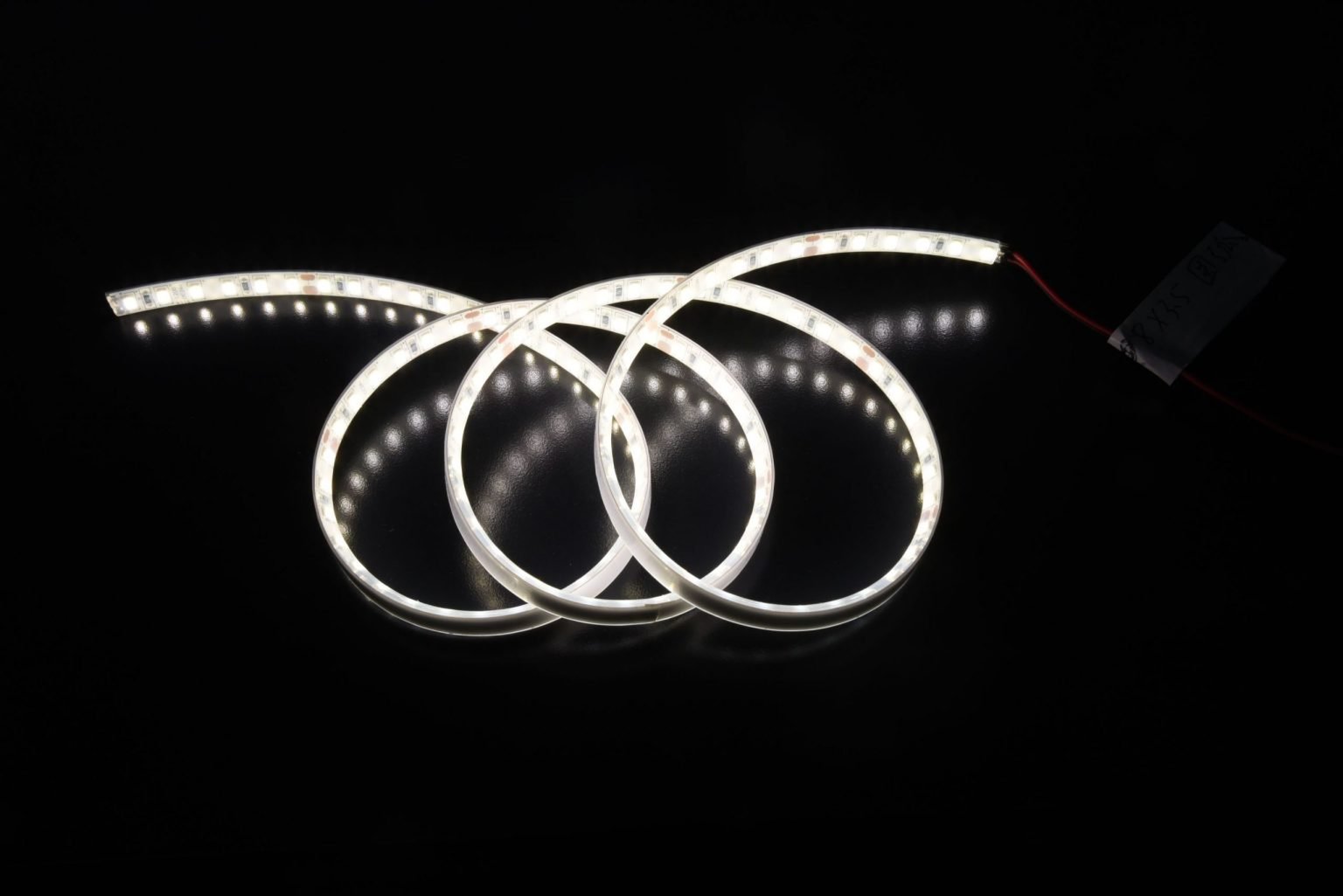
The required ingress protection rating depends on the environment. A dry indoor recess differs from a damp location or an outdoor feature exposed to rain. Check the complete assembly, including connectors, cable exits, end caps, and power supplies. The strip rating alone does not protect field connections.
Electrical planning is equally important. Confirm operating voltage, watts per meter, total length, driver capacity, dimming compatibility, and maximum recommended run. Long runs may need additional feeds to limit voltage drop. Plan driver access and heat dissipation in enclosed profiles or furniture.
Evaluate the COB LED Strip Manufacturers You Consider
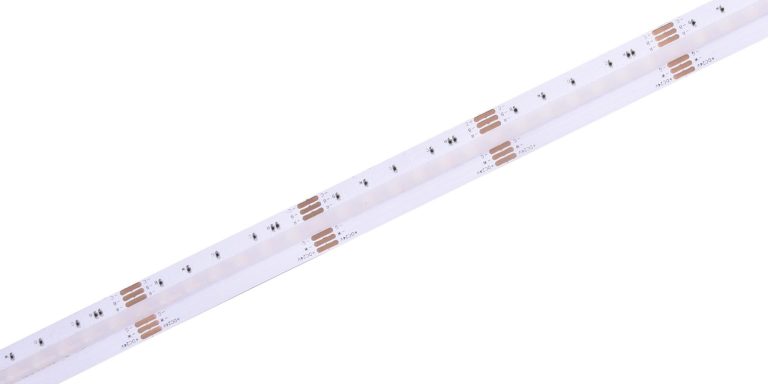
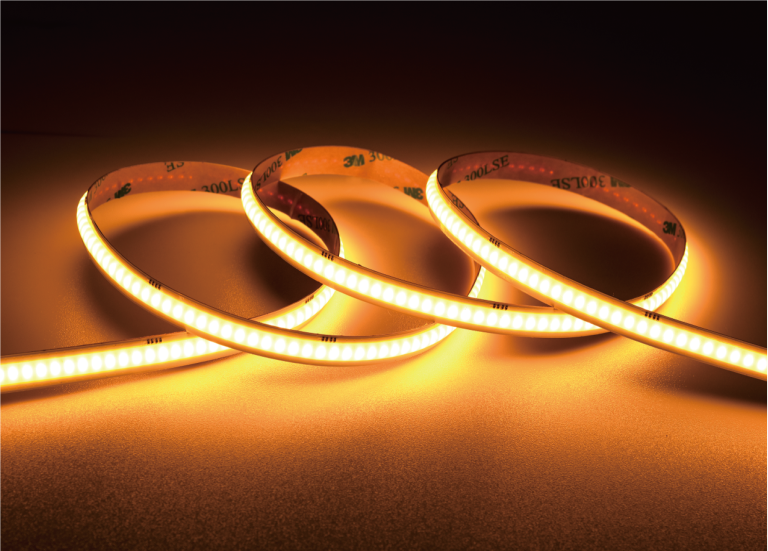
When a project calls for a smooth line with fewer visible LED points, chip-on-board (COB) technology may be worth evaluating when comparing LED linear lighting strips with other linear formats. COB strips place closely spaced LED chips beneath a continuous phosphor layer, producing a more uniform appearance than many conventional discrete-package strips. Compare output, efficacy, CRI, CCT, voltage, power, width, and protection for the exact model.
Assessing COB LED strip manufacturers should involve more than reviewing a catalogue; compare production consistency as well. Request datasheets, test reports, samples, customization limits, lead times, and quality-check details. Confirm that the sample matches the production specification. Discuss special lengths, colors, and connectors before approving drawings.
Consider R&D, Testing, and Certification Evidence
A supplier’s development and testing systems help buyers evaluate product reliability and market suitability. At LEDIA Lighting, we invest in product development, testing, and quality-control systems. Our laboratories cover safety, performance, and electromagnetic compatibility evaluations and are recognized through UL WTDP, IECEE, and national CNAS certification. These capabilities support evaluation but do not mean every configuration carries every market approval.
Our certification system includes ISO 9001, ISO 14001, CQC, SGS, UL, CE, CB, SAA, NSF, and ETL, alongside requirements such as RoHS, REACH, GB, IEC, ERP, and ANSI. Evidence depends on the product, model, destination, and standard. Request current documents for the exact item.
While comparing COB LED strip manufacturers, check certificate scope, issuer, validity, model references, and application coverage. Ask which additional local approvals may be required.
Turn Selection Criteria into a Clear Project Specification
Consolidate dimensions, output, CCT, CRI, voltage, power, IP rating, controls, accessories, cut lengths, and compliance documents. Approve a realistic sample and record its configuration for production comparison.
At LEDIA Lighting, we work with project partners to review application needs and suitable options. Sharing drawings, quantities, installation conditions, and market requirements helps buyers specify LED linear lighting strips and compare COB LED strip manufacturers.
For multi-site rollouts, document the approved strip model, batch identification, and replacement requirements so future maintenance can match the original installation. Ask suppliers how they manage component changes and notify customers when specifications are revised. These controls are relevant when LED linear lighting strips are installed across multiple locations and when COB LED strip manufacturers are being shortlisted for repeat orders. Keep the approved datasheet and sample record with the project handover documents.
Build a More Reliable Path from Selection to Installation
Choose linear lighting through a coordinated process: define the application, compare optical and electrical data, verify installation, and review supplier testing and certification. This reduces specification gaps and supports predictable delivery. At LEDIA Lighting, we combine product development, laboratory evaluation, and quality control to support project partners. A clear brief and verified sample provide a practical starting point.