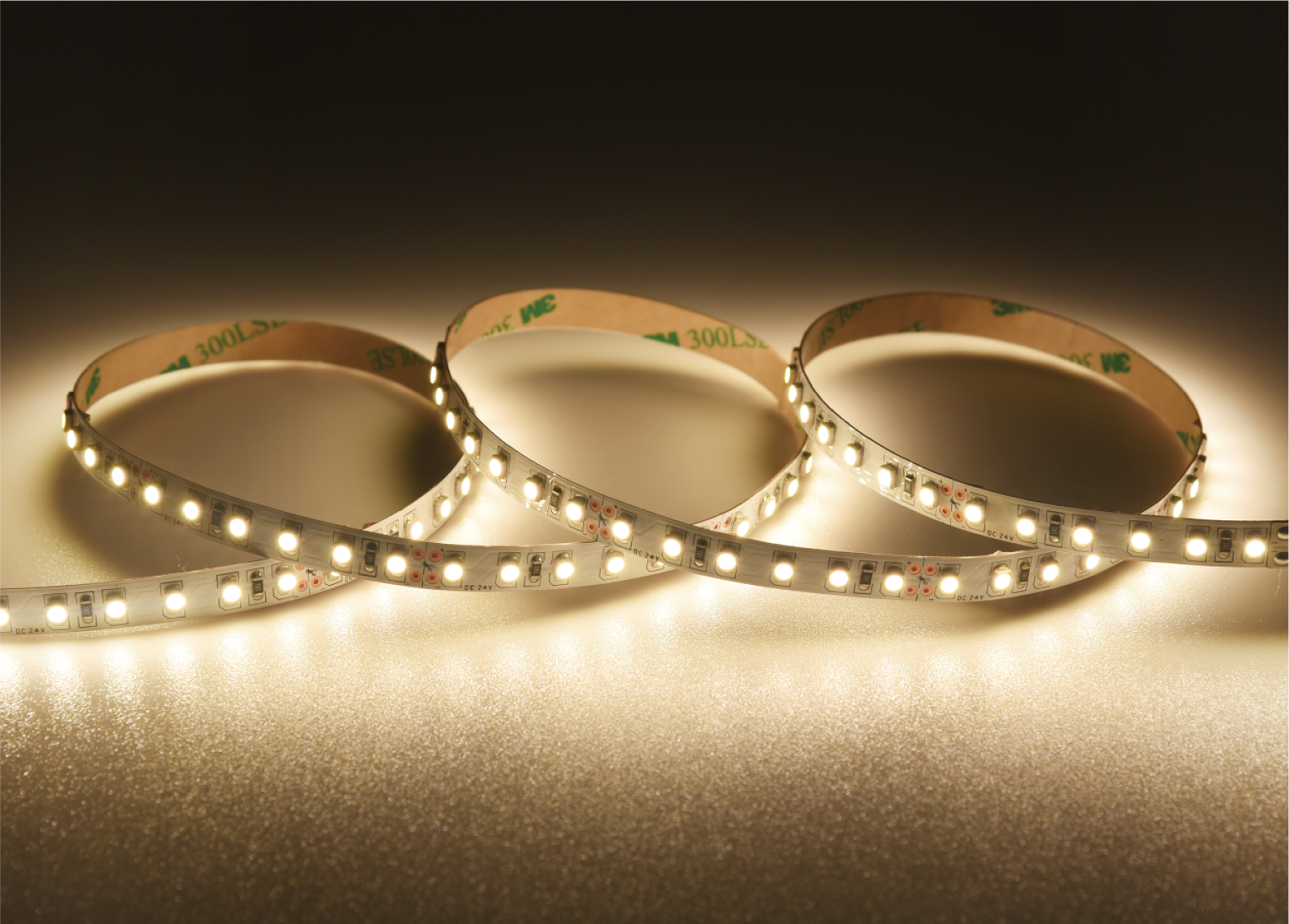
Flexible strip lighting gives project teams a practical way to add continuous illumination to architectural details, furniture, display areas, and functional workspaces. Yet the term “standard” does not mean that every strip has the same output, color quality, construction, or environmental suitability. Buyers need to compare electrical and optical specifications alongside installation conditions. Understanding these factors makes it easier to select a product that meets the design brief without adding unnecessary complexity.
At LEDIA Lighting, we offer strip-light options for commercial, residential, retail, and decorative applications. Our Classic Series is built around high-quality 2835 and 5050 SMD LEDs, with different efficacy and color-rendering configurations. This article explains the main selection points and how our series can support project specifications.
What Defines Standard LED Strip Lights?
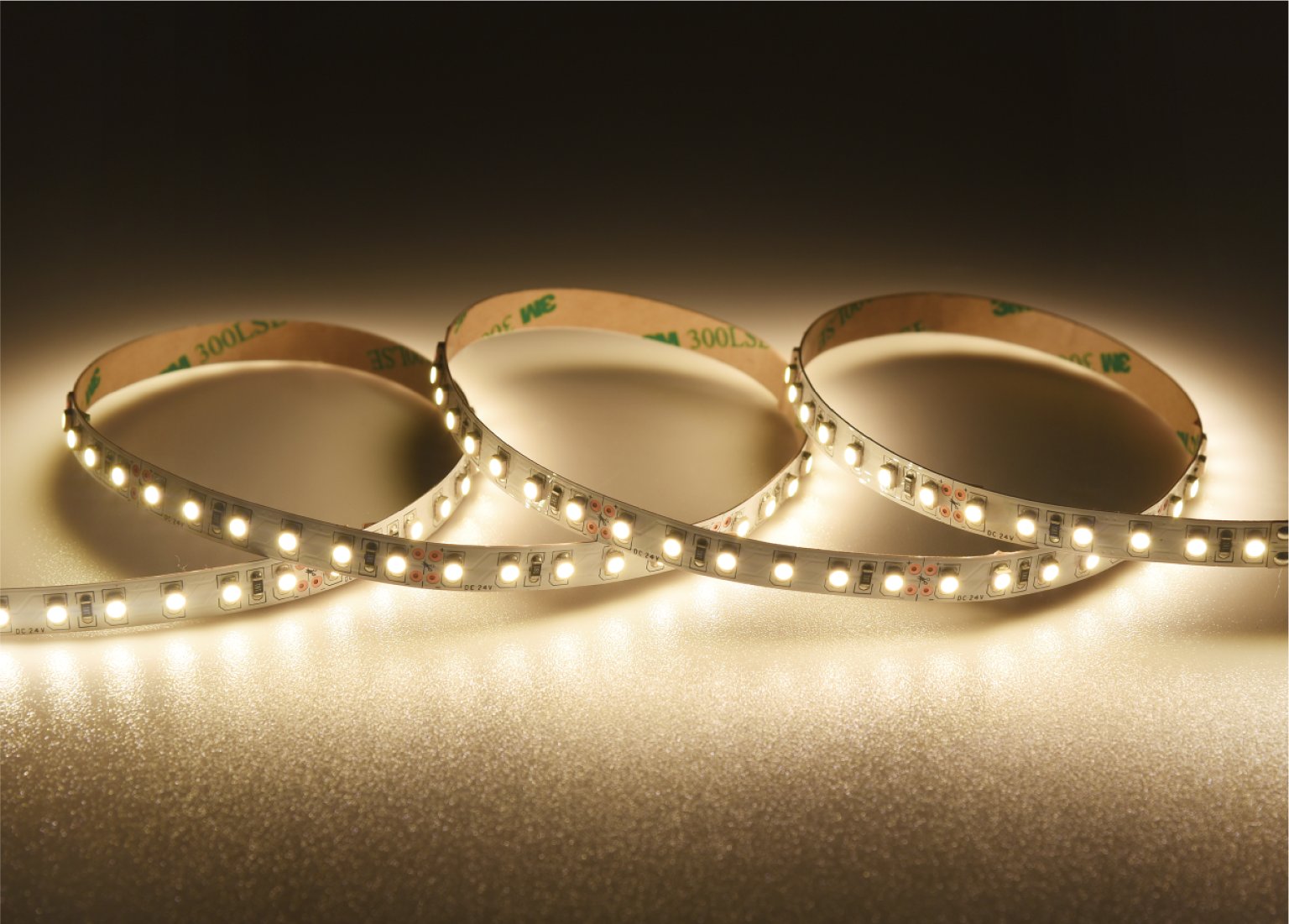
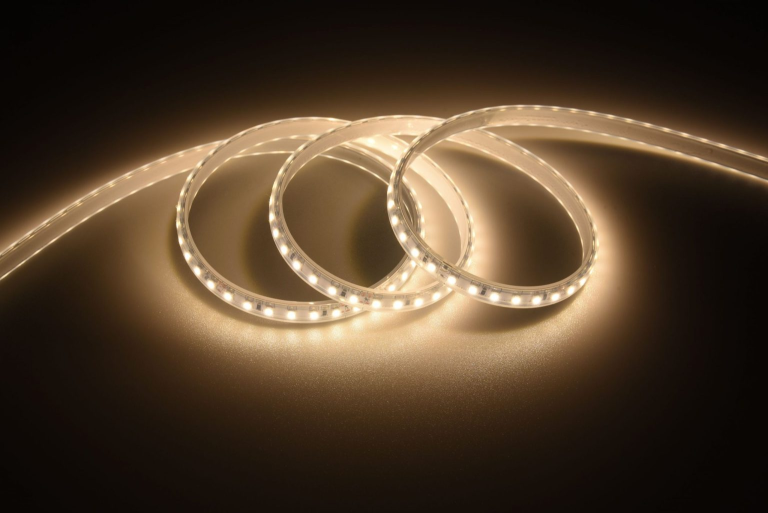
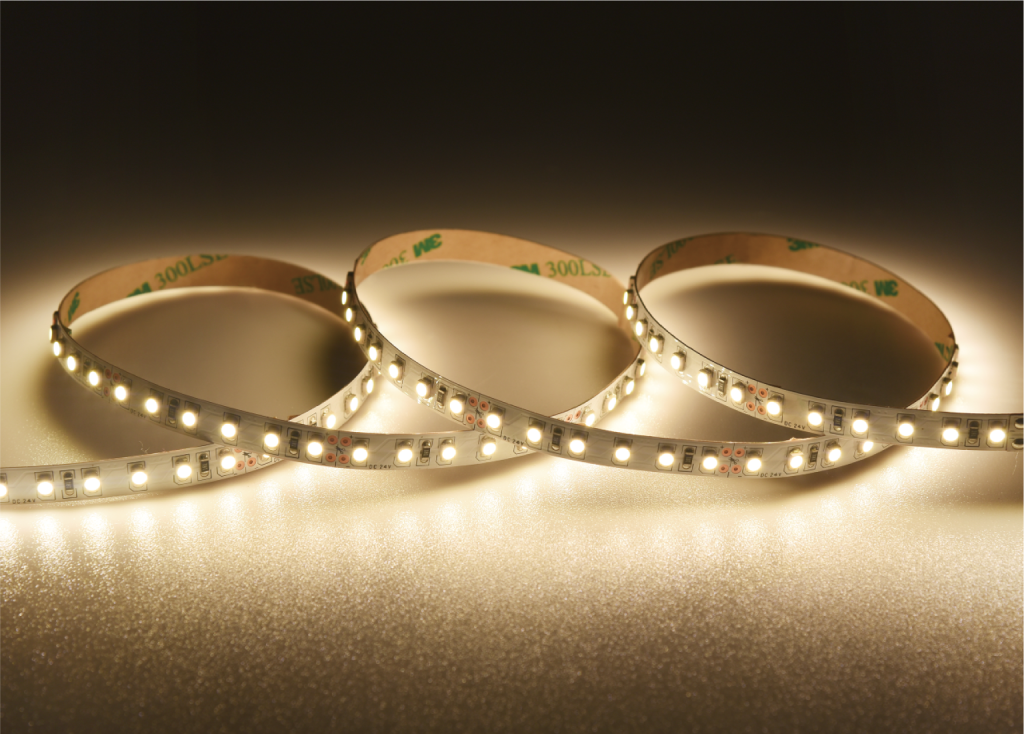
A typical flexible strip consists of LED packages mounted on a printed circuit board, with electrical components and a backing that supports installation. The LEDs convert electrical energy into light, while the board distributes power along the strip. Product performance depends on more than the LED package: chip density, circuit design, power input, thermal conditions, and optical construction all influence the final result.
For project buyers, standard LED strip lights are often considered for general illumination, concealed cove lighting, cabinet interiors, shelving, signage, and decorative accents. Their flexible format helps designers follow straight runs and selected curves. However, the intended use should determine output, color temperature, CRI, protection level, and mounting accessories rather than choosing by appearance or price alone.
Understand SMD Types, Efficacy, and Color Quality
Our Classic Series uses 2835 and 5050 SMD LED options. These designations refer to package dimensions, not a guaranteed brightness or quality grade. A 5050 package is physically larger than a 2835 package, but the actual light output depends on the chip design, drive current, thermal management, and strip configuration. Buyers should compare measured product data rather than relying on package numbers.
Efficacy, expressed in lumens per watt, indicates how much luminous output a product provides for its electrical input. In our Classic Series, CRI80+ configurations reach up to 110 lm/W, while CRI90+ versions reach up to 90 lm/W. These are maximum series figures, not values that apply to every combination. The selected model’s datasheet should guide calculations.
Color Rendering Index also matters. CRI80+ can suit many general lighting applications, while CRI90+ or CRI95+ may be preferable where product appearance, material finishes, or color assessment is important. For projects using multiple strips across rooms or display bays, specify consistent CCT and CRI to reduce visible differences between sections.
Select Protection for the Installation Environment
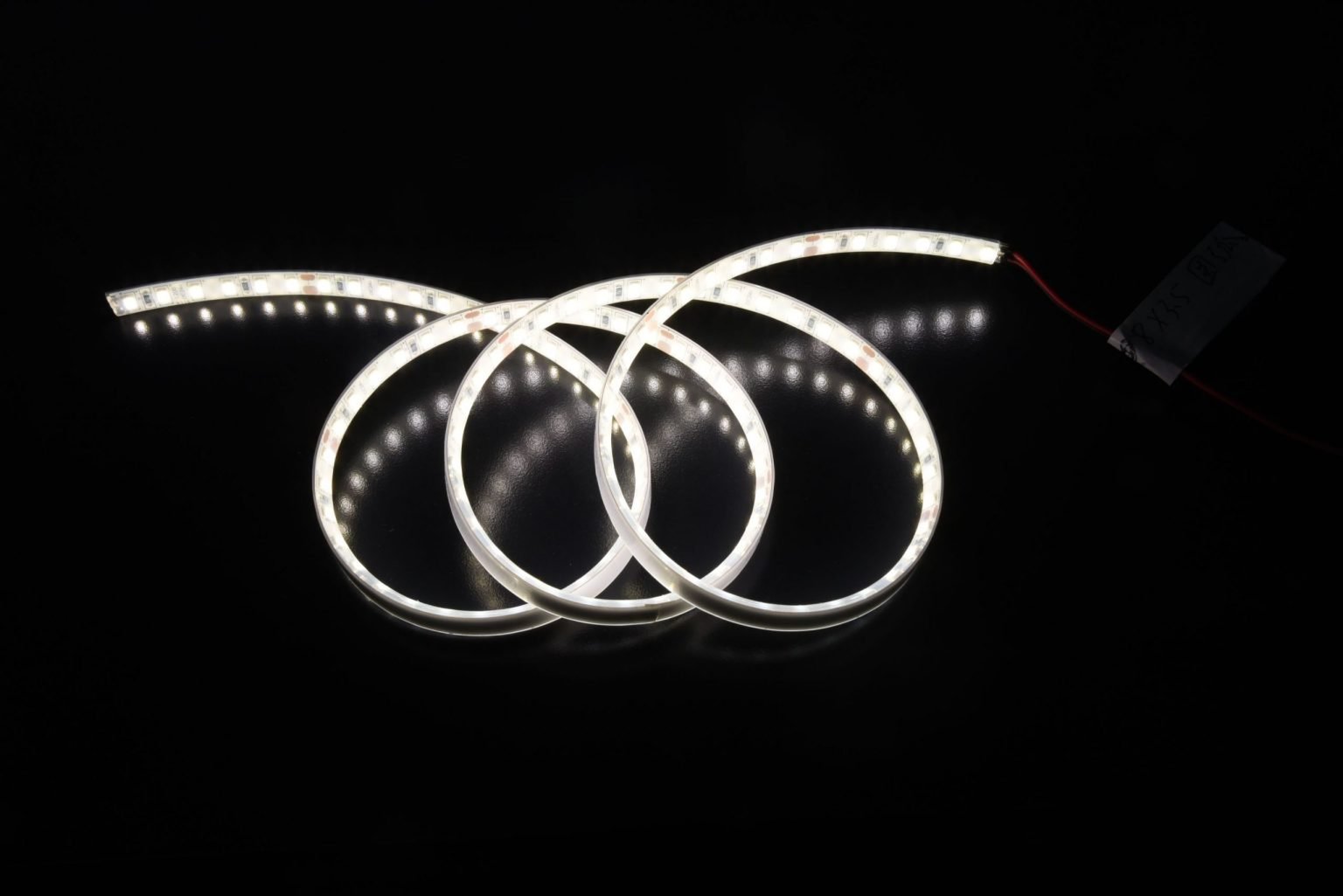
The Classic Series offers IP20, IP65, IP67, and IP68 options. These ratings indicate different levels of protection against solid particles and water under defined test conditions. They are not interchangeable labels for general durability. A dry indoor cove may require a different configuration from a kitchen splash zone, a covered outdoor detail, or an installation exposed to more demanding moisture conditions.
Specify the complete installation, not just the strip. Connectors, cut ends, power supplies, cable entries, and mounting channels can affect the protection of the finished system. Confirm the precise rating and installation instructions for the chosen model, and do not assume that an IP-rated strip makes every connected component waterproof.
When an RGB COB LED Strip Is the Better Comparison
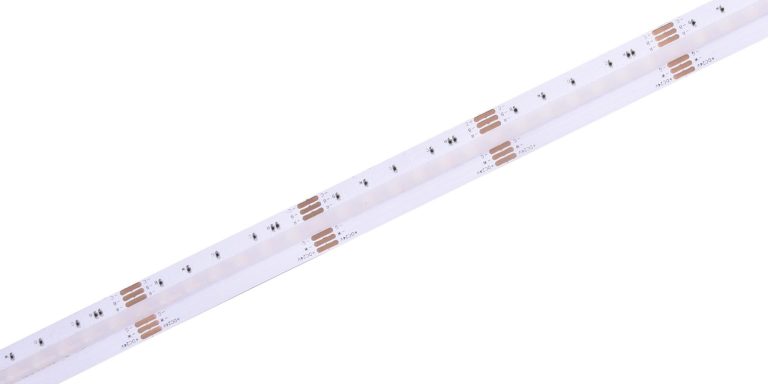
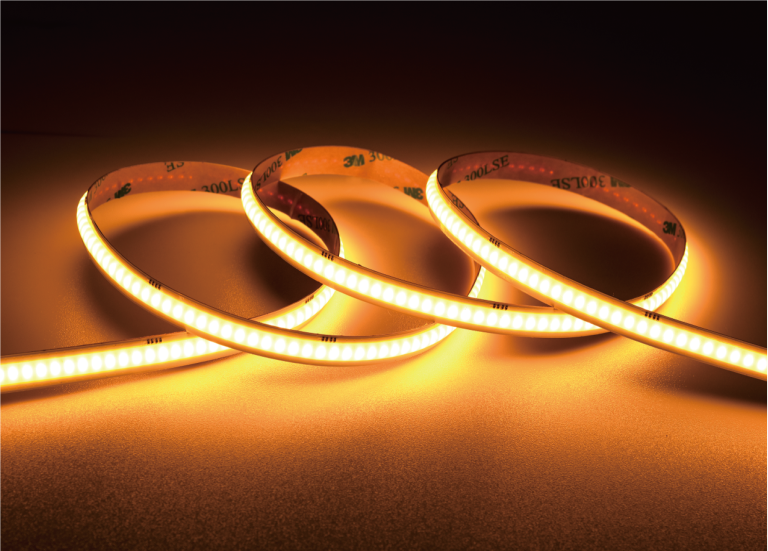
A conventional strip and an RGB COB LED strip solve different visual requirements. Standard SMD strips use discrete LED packages, which may appear as individual points when viewed directly or installed close to a reflective surface. COB construction places many LED chips closely together beneath a continuous phosphor layer, creating a smoother illuminated line with reduced visible dotting.
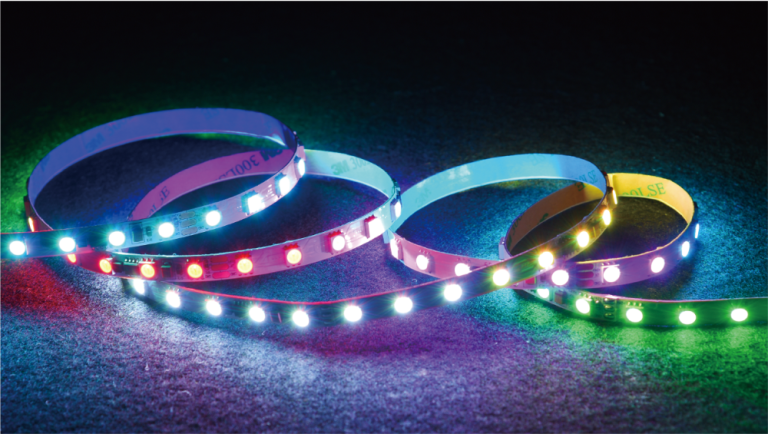
RGB adds red, green, and blue channels that can be mixed by a compatible controller to create changing colors. An RGB COB LED strip can therefore suit retail displays, entertainment areas, signage, and decorative features where both a continuous appearance and color effects are desired. It also introduces controller, wiring, and programming considerations that a fixed-white installation may not need.
This does not make COB or RGB automatically superior. Where the project requires dependable white illumination, straightforward controls, and a defined color temperature, conventional SMD products may be the more direct solution. Where the strip itself remains visible and color-changing effects are central to the design, an RGB COB LED strip deserves evaluation. Compare output, power, cut intervals, voltage, and IP rating for the exact product.
Plan Power, Length, and Installation Details
Before ordering, calculate the total strip length and power demand using the selected model’s watts per meter. Match the power supply to the strip’s voltage and load, allowing for suitable capacity according to manufacturer guidance. Long runs may experience voltage drop, so check the recommended maximum run length and whether additional power feeds are required.
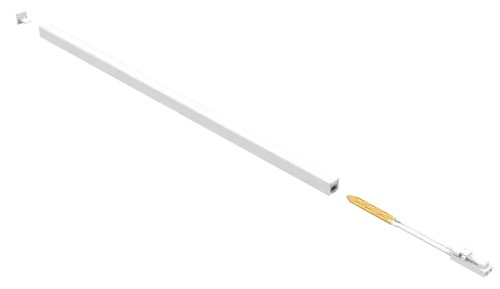
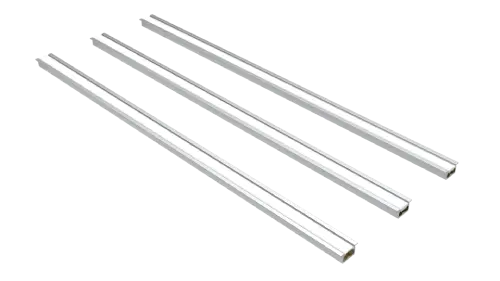
Also verify cutting intervals, strip width, bend limitations, connector compatibility, and driver access. Cut only at marked points and test a sample before fixing the full installation. For flexible strips installed in aluminum profiles, confirm that the profile dimensions suit the strip and that the assembly can dissipate heat appropriately.
Specify with Confidence for Long-Term Project Consistency
A sound specification connects the desired lighting effect with measurable product characteristics. Buyers should document output, efficacy, CRI, CCT, voltage, power, protection rating, installation method, and warranty requirements. Samples and photometric data help contractors, designers, and procurement teams confirm that the selected configuration meets expectations before rollout.
At LEDIA Lighting, our Classic Series combines 2835 and 5050 SMD options, efficacy configurations reaching up to 110 lm/W for CRI80+, and color-rendering choices of CRI80+, CRI90+, and CRI95+. With IP20 to IP68 options and a three-year warranty, we support project teams in matching strip-light configurations to office, residential, retail, and decorative applications. Reviewing the exact model data with our team is a practical next step toward a reliable specification.