Retail environments are no longer limited to indoor displays and product shelves. The surrounding public infrastructure, including building exteriors, walkways, entrances, and shared commercial areas, increasingly influences how customers perceive a store. Well-planned lighting systems help connect public spaces with retail identities, creating safer, more attractive, and more recognizable environments.
For commercial developers, architects, and retail operators, selecting the right lighting approach requires balancing visual impact, energy efficiency, installation flexibility, and long-term reliability. Through our experience in LED linear lighting and strip lighting solutions, we understand how professional lighting design can support different applications, from storefront enhancement to large-scale architectural projects.
Understanding the Role of Public Infrastructure Lighting in Retail Spaces
Public infrastructure lighting refers to lighting systems used in shared or exterior environments such as building facades, pedestrian areas, parking spaces, commercial streets, and public entrances. For retail stores, these areas act as the first connection between customers and brands before they enter the shopping space.
A carefully designed lighting system can highlight architectural features, improve visibility, and create a welcoming atmosphere. Retail owners often integrate lighting into surrounding structures to guide customer movement and strengthen brand recognition after dark.
Modern retail projects frequently combine functional and decorative lighting requirements. While pathways and entrances require consistent illumination for safety, exterior walls and design elements need controlled lighting effects to create visual interest.
Planning LED Strip Light Projects for Retail Infrastructure
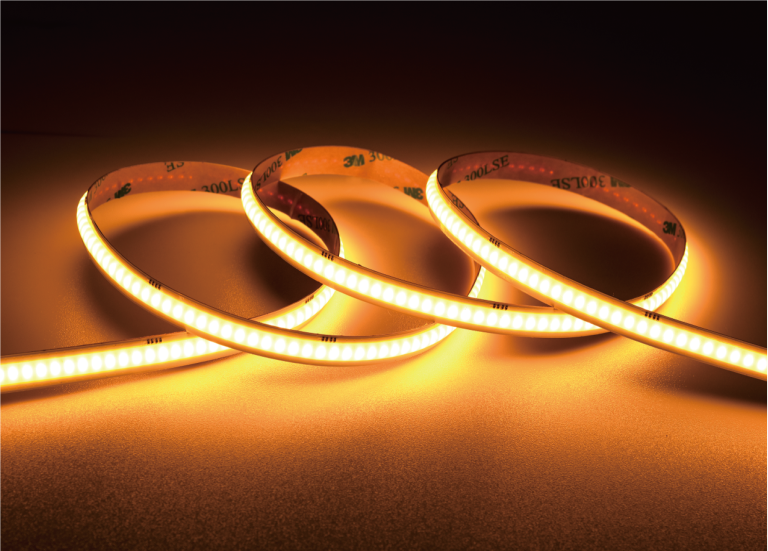
Successful LED strip light projects begin with understanding the purpose of each area. Designers need to consider whether lighting is intended for guidance, decoration, architectural emphasis, or a combination of these functions. Different applications require different brightness levels, installation methods, and protection requirements.
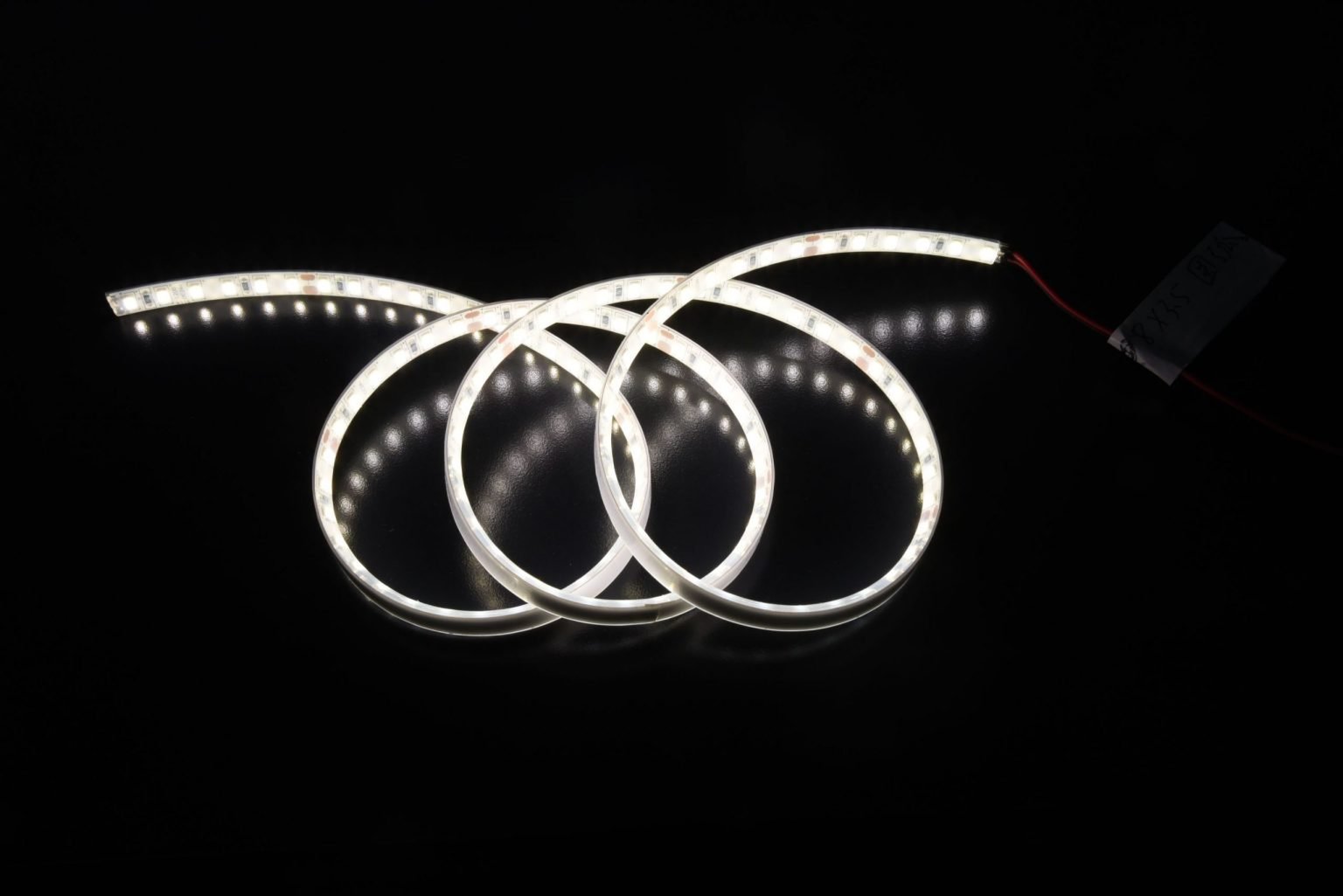
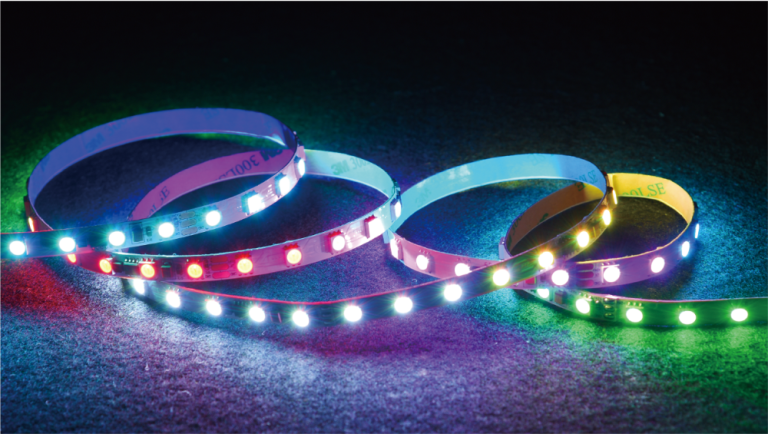
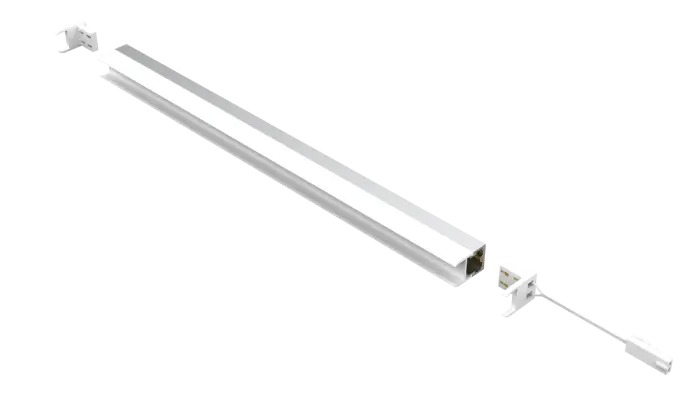
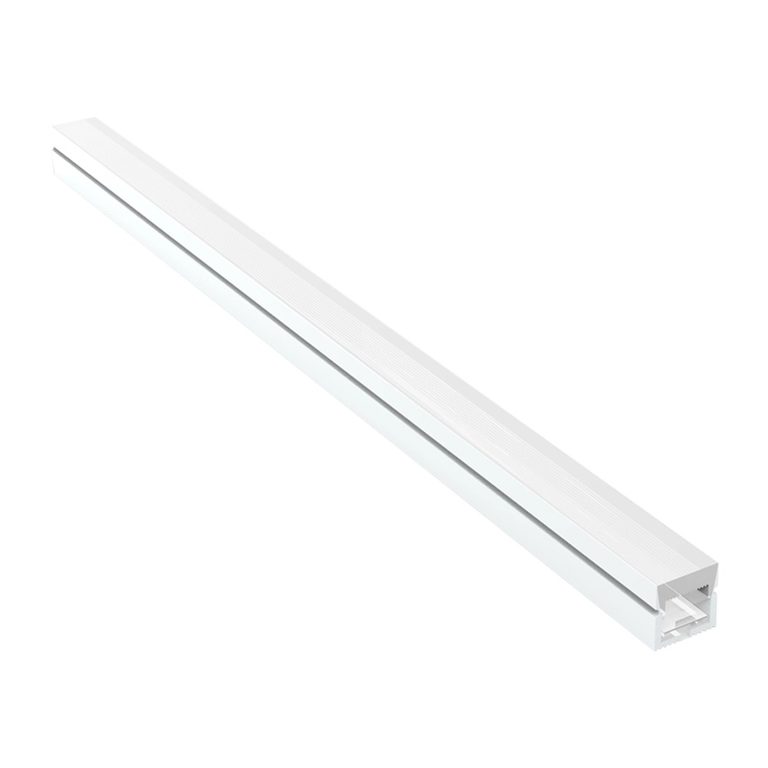
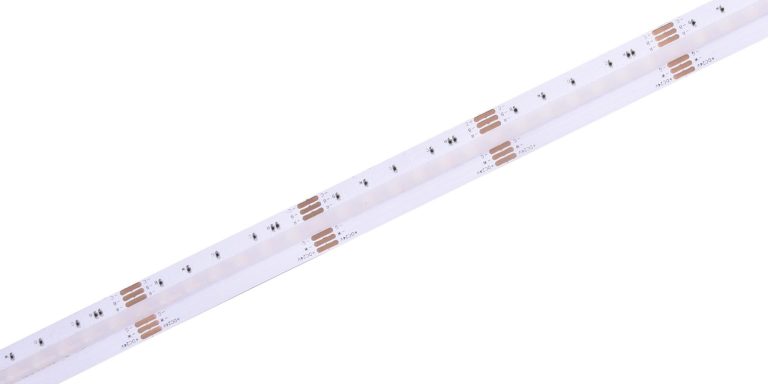
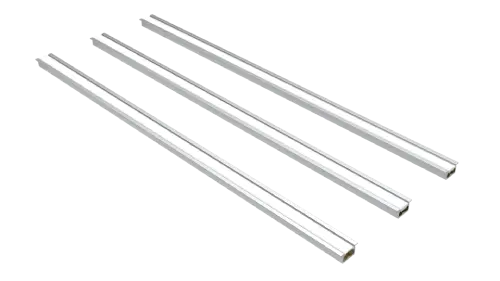
For retail buildings, LED strip solutions can be used along storefront edges, entrance frames, landscape structures, and interior transition areas. Their flexible form allows designers to integrate lighting into narrow spaces where traditional fixtures may not be suitable.
When planning LED strip light projects, project teams should also evaluate maintenance requirements and environmental conditions. Outdoor applications may require solutions with suitable protection against moisture, temperature changes, and long operating hours.
We continue to invest in testing, product development, and quality-control systems to improve the performance and reliability of our LED linear lighting and strip lighting products. Our laboratories evaluate key areas, including safety, performance, and electromagnetic compatibility, with recognition through UL WTDP, IECEE, and national CNAS certification.
Using LED Building Facade Lighting to Improve Retail Visibility
Exterior appearance plays an important role in retail communication, especially in shopping districts and commercial complexes where multiple brands compete for attention. LED building facade lighting helps transform architectural surfaces into visible brand touchpoints while maintaining a professional appearance.
With appropriate color temperature, brightness control, and installation design, facade lighting can emphasize structural lines, entrances, and unique architectural details. This approach allows retail stores to remain recognizable during evening hours without relying only on traditional signs.
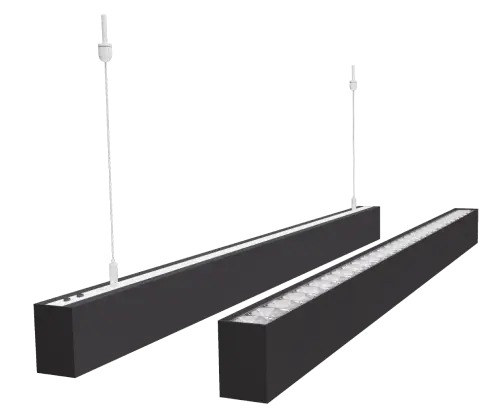
For large commercial projects, LED building facade lighting also needs to match the building’s overall design language. Lighting solutions should enhance the architecture rather than overpower it, creating a balanced relationship between the structure and the retail experience.
Combining Design Flexibility with Reliable Lighting Performance
Retail projects often involve different spaces, materials, and design concepts. A lighting supplier must support customization while maintaining consistent product quality. Flexible LED systems allow project teams to adapt lighting layouts according to specific architectural requirements.
Our technical foundation supports the development of flexible lighting solutions for different project needs. By focusing on product evaluation and quality management, we help provide lighting systems suitable for various commercial environments.
For contractors and distributors, reliable production capability is essential because project schedules depend on stable supply. Consistent performance, accurate specifications, and professional technical support help reduce risks during installation and operation.
Creating Connected Experiences Between Outdoor and Indoor Retail Areas
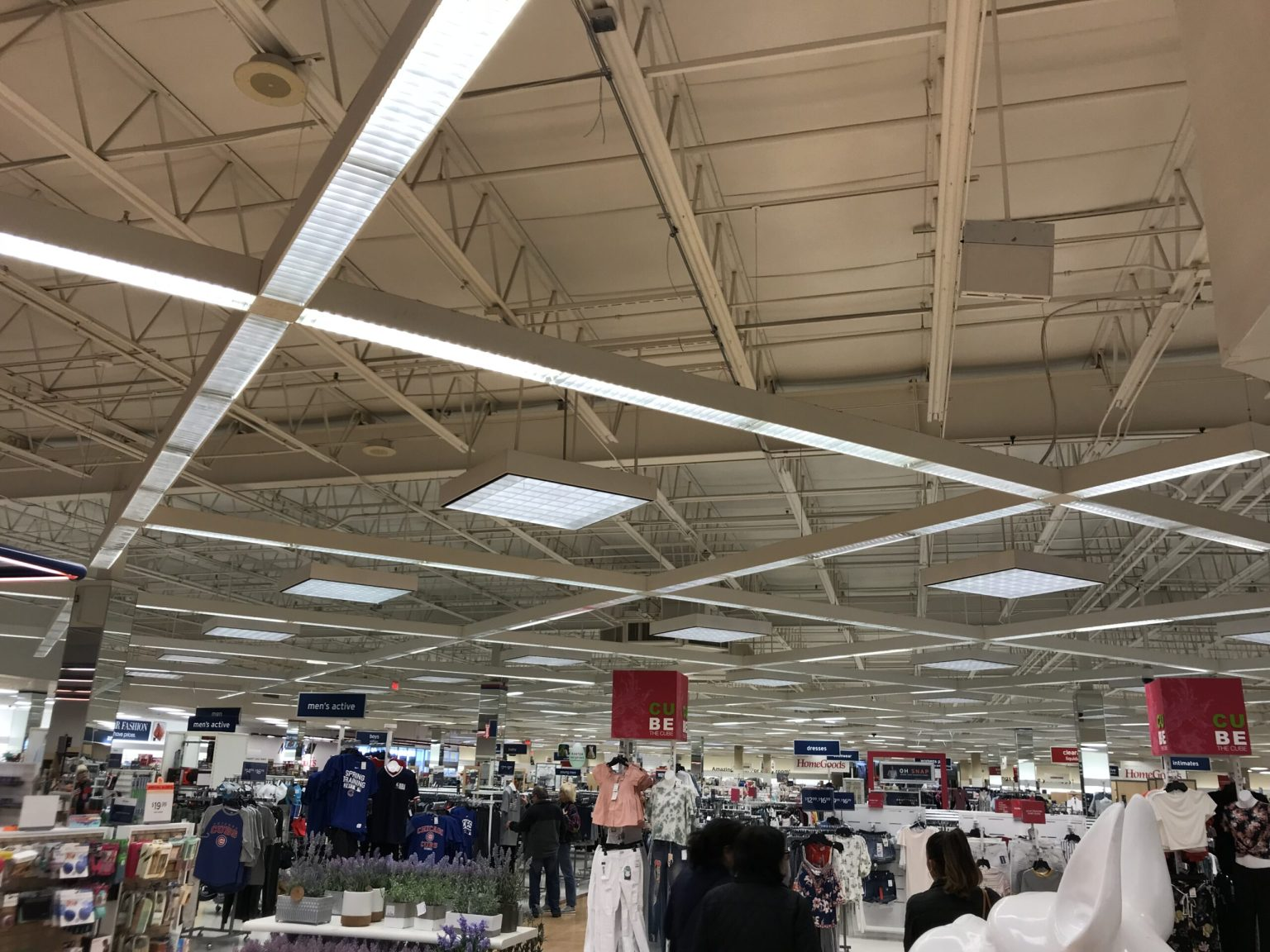
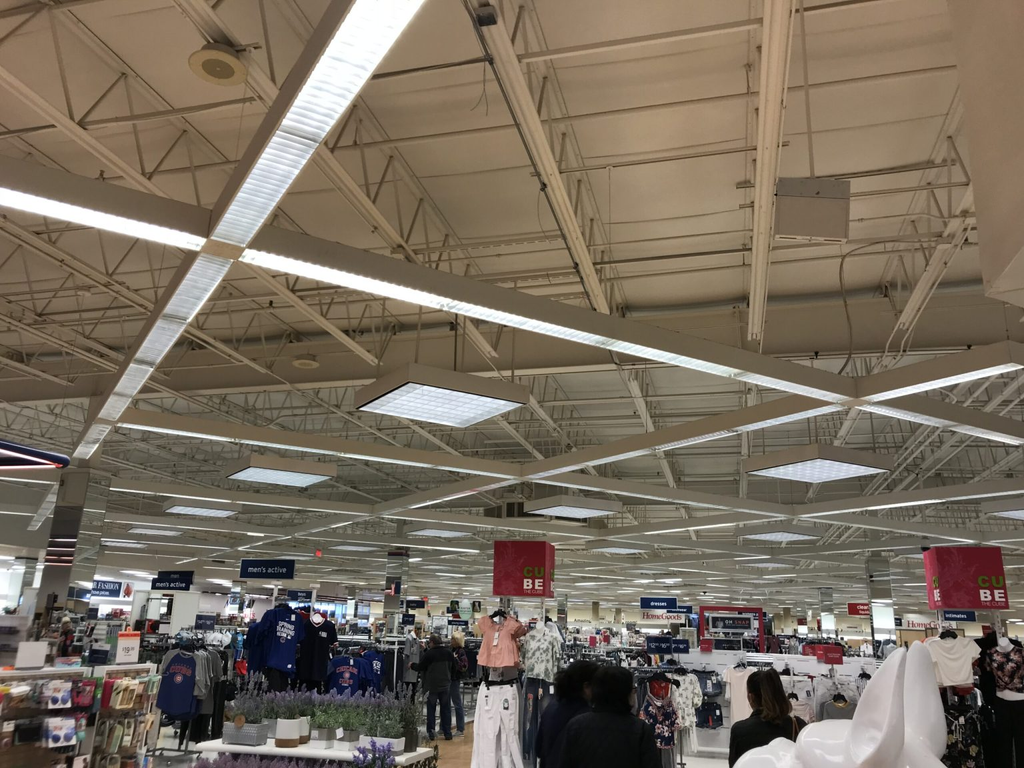
A successful retail lighting strategy should not separate outdoor infrastructure from indoor environments. Customers experience a store as a complete journey, beginning from exterior approaches and continuing through entrances, displays, and shopping areas.
LED strip light projects can help create smooth visual transitions between different zones. For example, lighting around entrances can guide visitors naturally from public spaces into retail interiors, while coordinated lighting styles can strengthen the overall atmosphere.
Similarly, LED building facade lighting can support seasonal campaigns, architectural themes, and commercial events. When integrated properly, exterior lighting becomes more than decoration; it becomes part of the customer experience and brand presentation.
Selecting the Right Lighting Partner for Commercial Projects
Choosing a lighting partner involves more than comparing product types. Retail projects require suppliers that understand application challenges, provide dependable technical information, and maintain strict quality standards.
We support project development through continuous research, testing capabilities, and product improvement. Our approach focuses on creating LED lighting solutions that meet practical requirements while giving designers the flexibility to achieve different visual goals.
For businesses managing multiple locations or large commercial developments, stable cooperation with an experienced lighting manufacturer can simplify sourcing and project execution. The right solutions help create consistent retail environments across different sites.
Building Better Retail Environments Through Professional Lighting
Public infrastructure lighting has become an important part of modern retail design. From entrances and pathways to architectural surfaces, every illuminated area contributes to how customers recognize and experience a commercial space.
By combining technical reliability, flexible design options, and application-focused development, we provide lighting solutions that support diverse retail requirements. At LEDIA Lighting, our LED strip light projects and LED building facade lighting applications help businesses create attractive, functional environments that connect public spaces with retail identities. As retail spaces continue to evolve, thoughtful lighting planning remains a valuable investment for long-term commercial success.