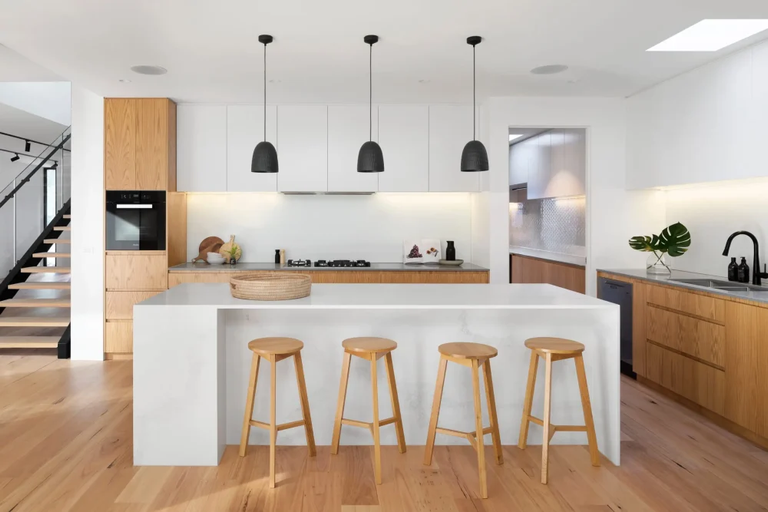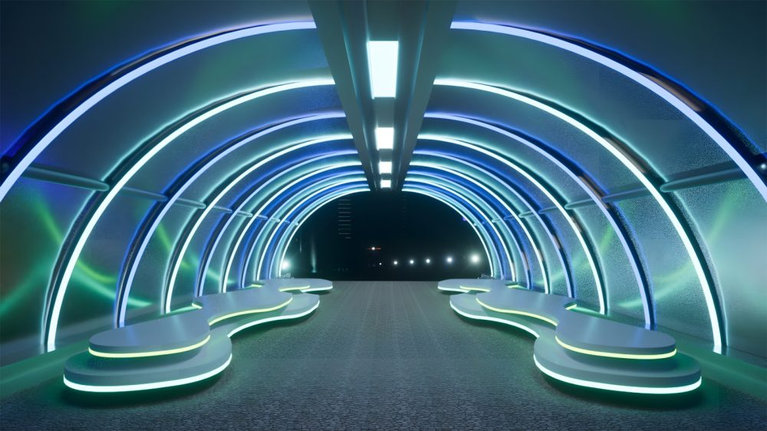
Residential developments rarely use one lighting condition throughout a home. Kitchens, wardrobes, living areas, stair details, and decorative features can all require different approaches. The challenge is choosing a silicone-based solution that fits the architecture without turning every lighting zone into a separate specification.

That is where we position LEDIA Lighting: not simply around the strip itself, but around how the light will be installed, seen, powered, and repeated across a development.
A Residential Development Needs More Than One Lighting Scenario
A single apartment may contain concealed ceiling details, cabinet lighting, wardrobes, shelving, and exterior accents. A multi-unit development multiplies those requirements while adding another concern: the solution needs to remain practical across repeated layouts.
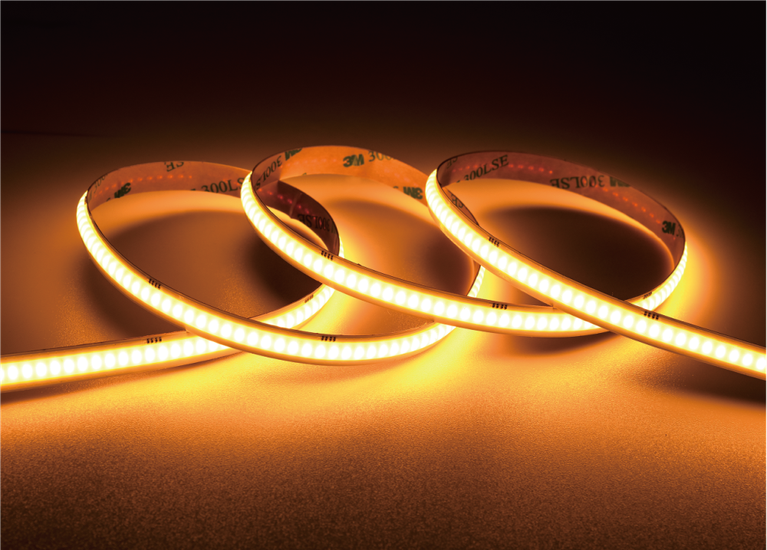
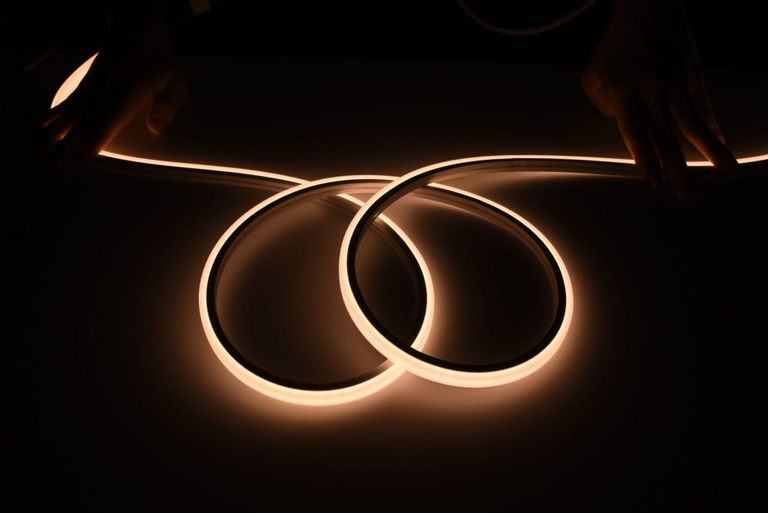
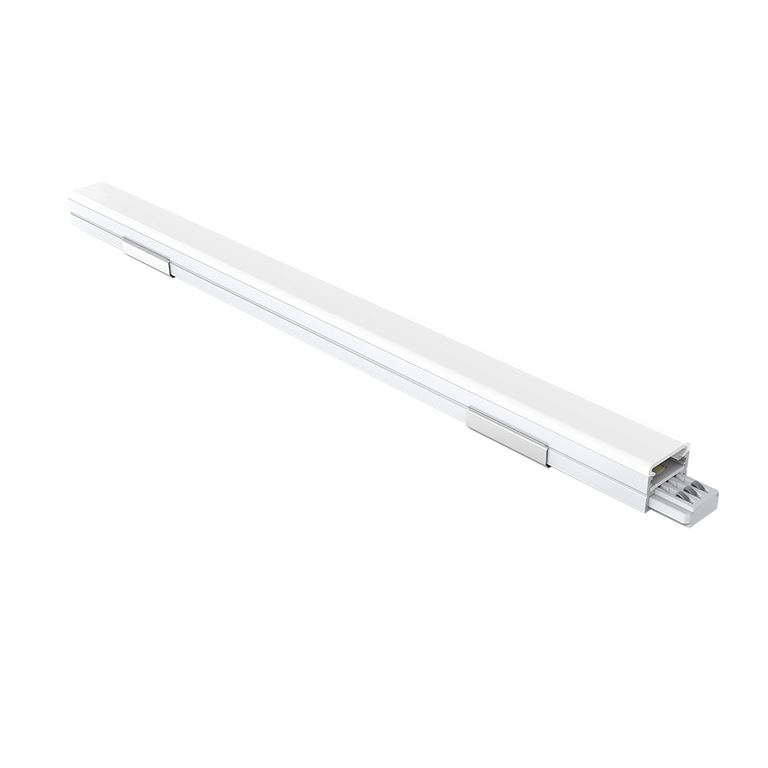
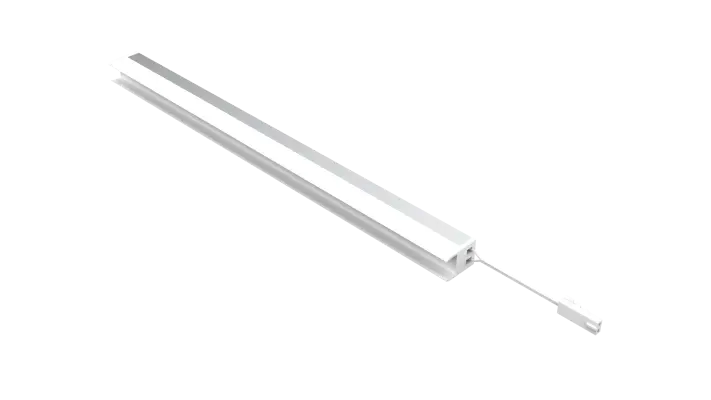
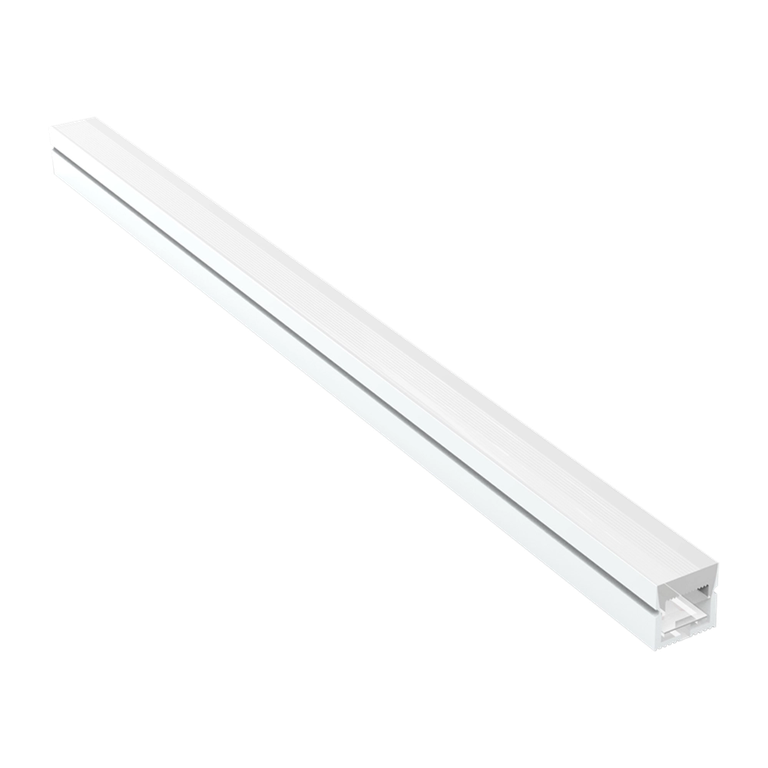
Silicone construction can be useful where flexibility and visual continuity matter. LEDIA’s silicone strip range includes solid and hollow neon-flex structures with different dimensions and lighting effects. That variety makes product selection more dependent on the detail than on the broad category name.
The Design Detail Determines Where Silicone Makes Sense
Not every straight run needs the same type of strip. A concealed cove may prioritize a clean continuous appearance, while a curved architectural feature may need a body that can follow the intended route. Under furniture or inside joinery, available space and viewing angle become equally important.
Silicone also changes the relationship between the light source and the surrounding construction. LEDIA describes its silicone strip products as flexible and suitable for different scenarios, while some models use diffusing structures that support more uniform visual output.
For residential projects, that distinction matters because lighting is often seen indirectly. Product selection should therefore begin with the finished visual detail.
Repeated Floor Plans Change the Specification
A residential development has a different logic. Dozens or hundreds of apartments may share kitchens, wardrobes, corridors, or ceiling features, making consistency a project-level requirement.
That is where LED strip lights wholesale procurement becomes relevant. Quantity, cut lengths, connections, and product consistency can affect installation efficiency as much as the initial concept.
At LEDIA Lighting, manufacturing and customization capabilities are designed for project supply, with automated production lines and a stated annual strip-light output of 24 million meters.
Outdoor and Moisture-Prone Areas Need a Separate Decision
Residential developments often extend lighting beyond the interior. Balconies, terraces, garden features, poolside areas, and facade details introduce environmental conditions that should not be treated like a dry bedroom or living room.
A silicone LED strip can be selected in versions intended for higher protection levels. LEDIA’s current silicone range includes products listed with IP67 and IP68 ratings, although the appropriate rating still depends on the actual installation environment and the specific product selected.
Light Distribution Matters as Much as Flexibility
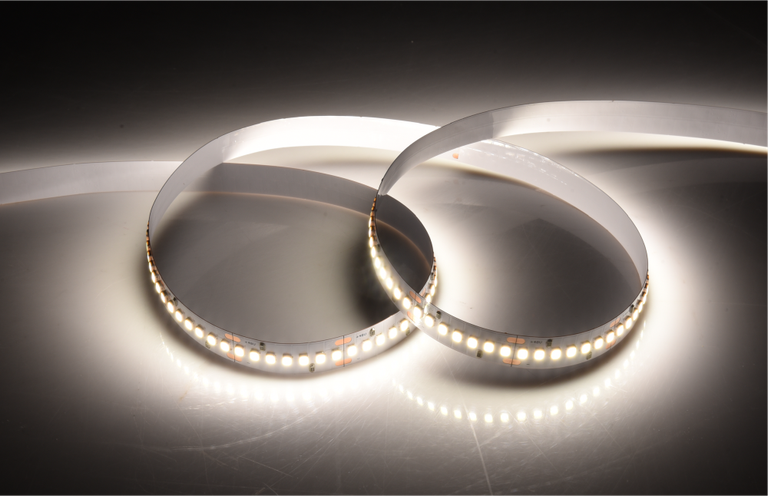
Flexibility is often the first feature associated with silicone strips, but residential lighting also depends on how evenly the finished line appears. A visible strip can reveal LED points, while a concealed installation may rely on the surrounding cavity to create the desired effect.
LEDIA has discussed silicone-based extrusion and optical structures as part of its approach to smoother, more controlled output. Its residential lighting guidance also identifies customizable factors such as brightness, color temperature, size, shape, and CRI.
Installation Planning Becomes More Important at Scale
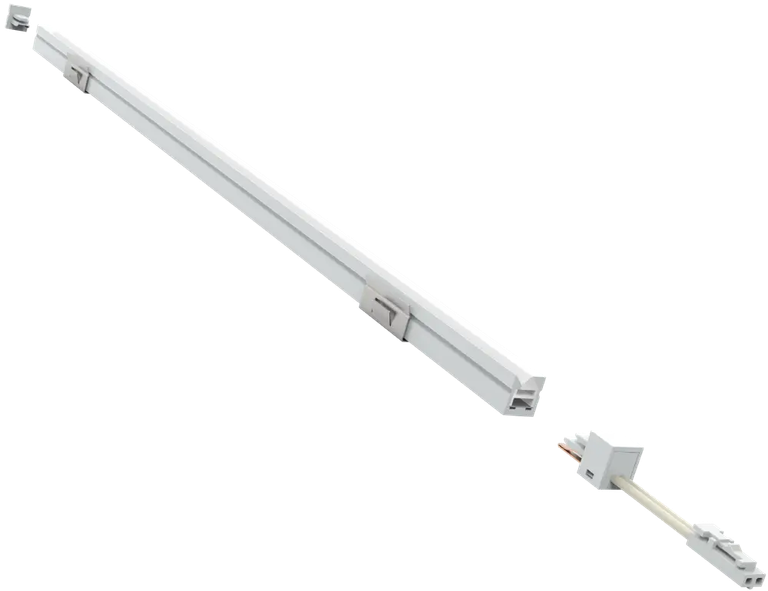
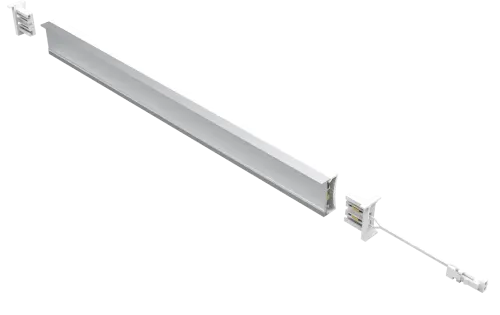
A technically suitable product can still create problems if the installation detail is unresolved. Residential developments benefit from clear information about mounting, cutting, connections, driver locations, and access.
LEDIA’s stated customization process follows consultation, design, sample confirmation, mass production, delivery, and after-sales service. That sequence reflects a useful project principle: repeated residential lighting should be validated before large quantities are committed.
A Practical Way to Approach the Specification
The most useful starting point is not “Which strip is best?” Separate the development into lighting conditions. Identify concealed architectural lines, furniture details, decorative features, and exposed locations. Then determine the visual objective and physical constraints of each group.
Similar details can then be consolidated into product families. This avoids specifying a different strip for every room while preserving flexibility where requirements genuinely differ.
For large developments, sample approval is especially valuable. A physical sample can reveal how the strip fits the intended profile, how the light interacts with the surrounding surface, and whether the installation detail is practical before the same solution is repeated throughout the project.
Silicone Strip Selection Should Follow the Architecture
Residential lighting works best when the strip is treated as part of the architectural detail rather than as a product added at the end. The right solution depends on where the light sits, what viewers will see, how many units must use the same detail, and what environmental conditions the installation will face.
By marrying a versatile silicone portfolio with true custom production capabilities, LEDIA Lighting tackles project execution from the ground up. The idea is to maintain a cohesive product strategy that flexes to fit intricate details without compromising the overall development.
If you are currently navigating LED strip lights wholesale for an upcoming project, this collaborative approach streamlines both specification and procurement. At the end of the day, a well-engineered silicone LED strip solution needs to do triple duty: elevate the architecture, simplify installation, and stand up to repeat specifications down the line.