Linear lighting has become a practical way to introduce continuous illumination into spaces where conventional fixtures can feel too bulky or visually disconnected from the architecture. Instead of concentrating light around separate points, a linear source follows a defined path, allowing illumination to become part of a ceiling, cabinet, wall, shelf, or architectural detail.
For contractors, designers, and commercial project teams, the appeal is not simply the slim appearance. The real question is how the lighting format fits the physical space and the intended visual effect. Once that relationship is understood, choosing between rigid fixtures and flexible formats becomes much more straightforward.
Why Linear Lighting Fits Modern Spaces
Conventional luminaires generally occupy a clearly defined position within a room. Linear systems take a different approach: their elongated form can follow the geometry of the surface being illuminated.
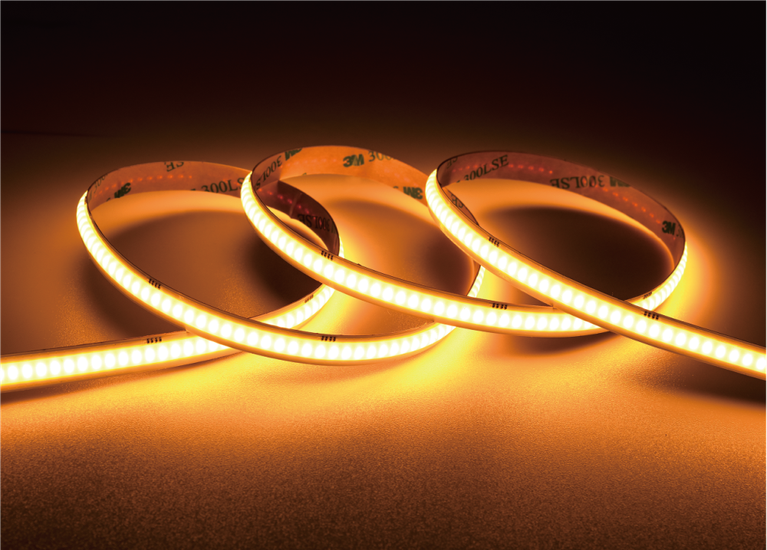
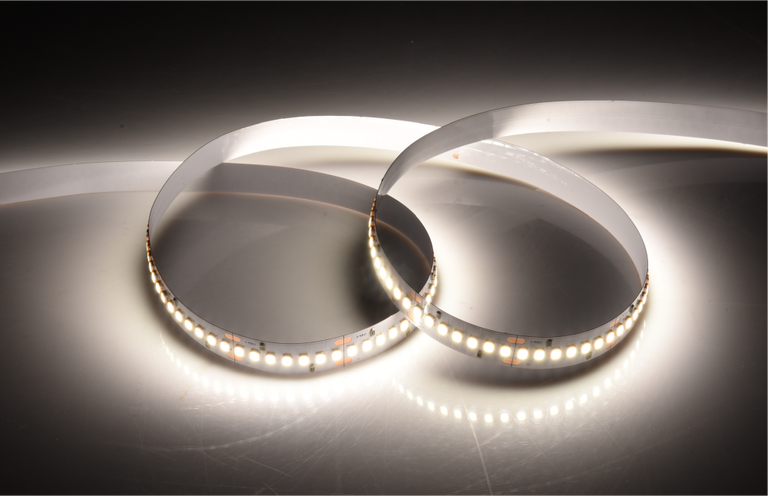
LED linear lighting strips are a familiar example. Their narrow format makes them suitable for locations where available installation space is limited, including cabinet interiors, shelving, coves, display structures, and furniture details. Depending on the product and installation method, the light source can remain visible or be concealed within a profile or recess.
That distinction matters in architectural lighting. A visible fixture becomes part of the interior design, while a concealed source can make the illuminated surface appear to glow without drawing attention to the light itself.
We often see the greatest design value when the linear source is treated as part of the architecture rather than simply attached to it. A carefully positioned line can emphasize an edge, define a recess, highlight merchandise, or provide indirect illumination along a surface.
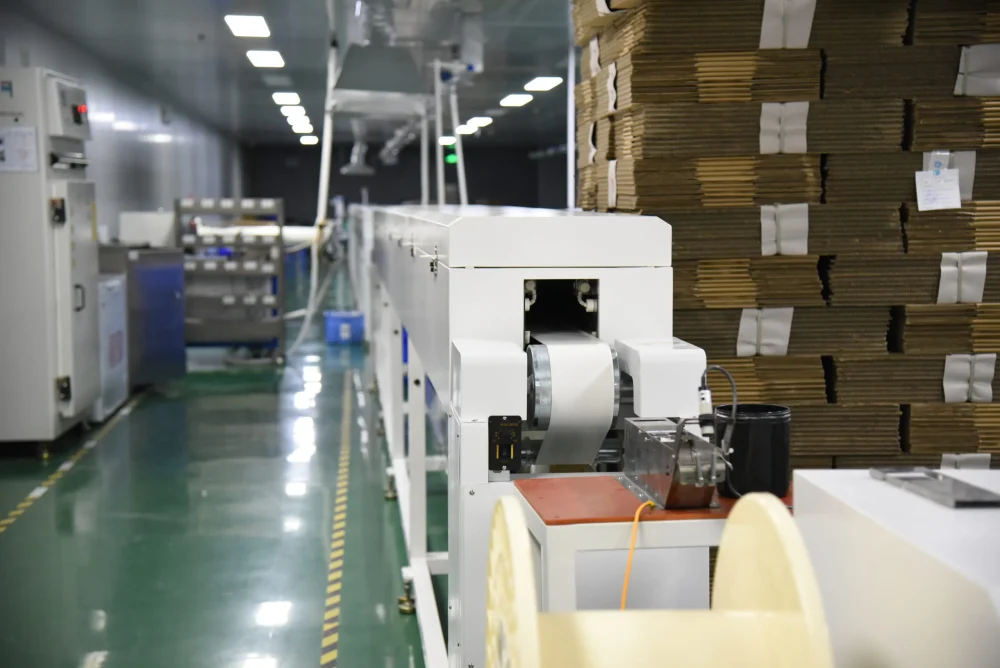
LEDIA Lighting works across LED strip and linear-lighting categories, including regular and silicone strip lights and dedicated linear fixtures. Its stated manufacturing capabilities cover the LED strip production process, supporting applications that require different physical lighting formats.
When Flexibility Changes the Installation
Straight runs are relatively easy to plan, but real interiors rarely consist entirely of straight lines. Reception desks may curve around a lobby, furniture can contain rounded edges, and decorative features may require lighting to follow irregular paths.
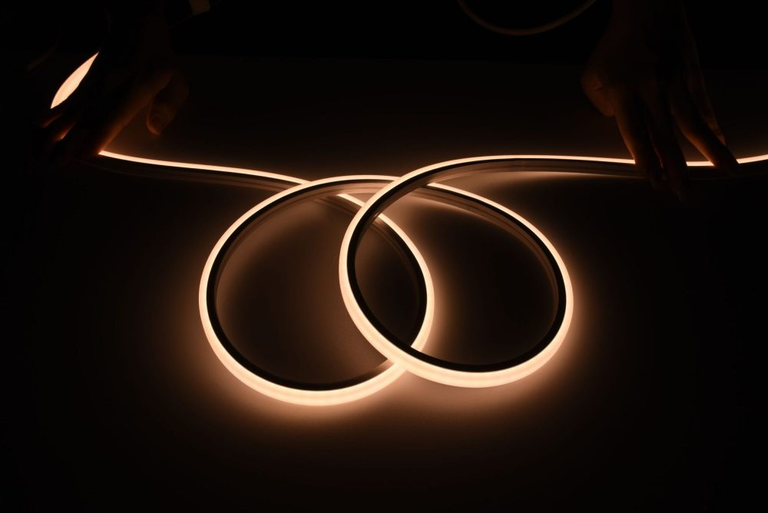
Flexible linear LED lighting becomes particularly useful in these situations because the light source can follow an appropriate curved route rather than forcing the surrounding structure to accommodate a rigid fixture. The actual bending capability must still be checked against the product specification; flexibility does not mean that every strip can bend in every direction or around every radius.
Consider a curved counter as an example. A rigid linear fixture may require several sections, joints, or carefully positioned mounting points. A suitable flexible product can simplify the physical routing and create a more continuous visual line.
The same principle applies to display shelving, furniture, coves, wall details, and decorative installations. Compact dimensions can also be valuable where conventional luminaires would interfere with the appearance or construction of the finished element.
Installation conditions should therefore be considered before product selection. Available depth, mounting method, bending direction, cable routing, power access, and future maintenance can all influence whether a flexible solution makes sense.
Match the Lighting Format to the Space
The useful starting point is the lighting objective, not a product catalogue.
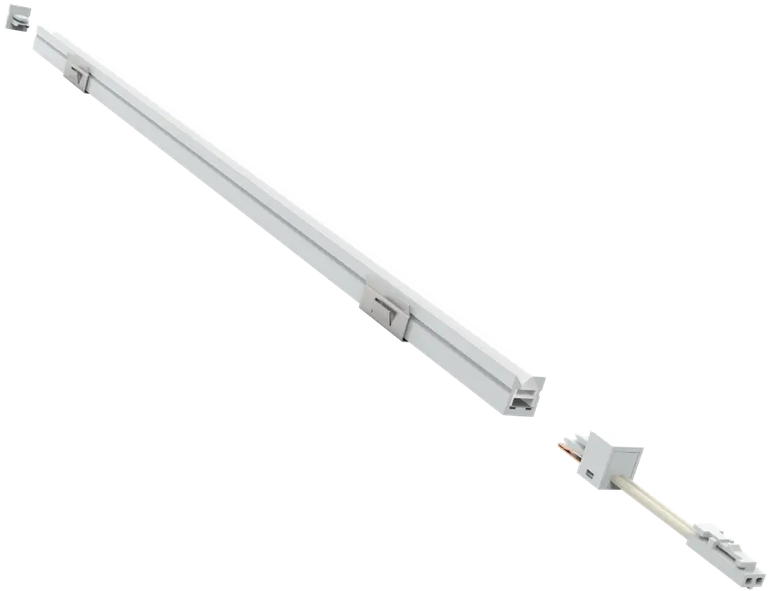
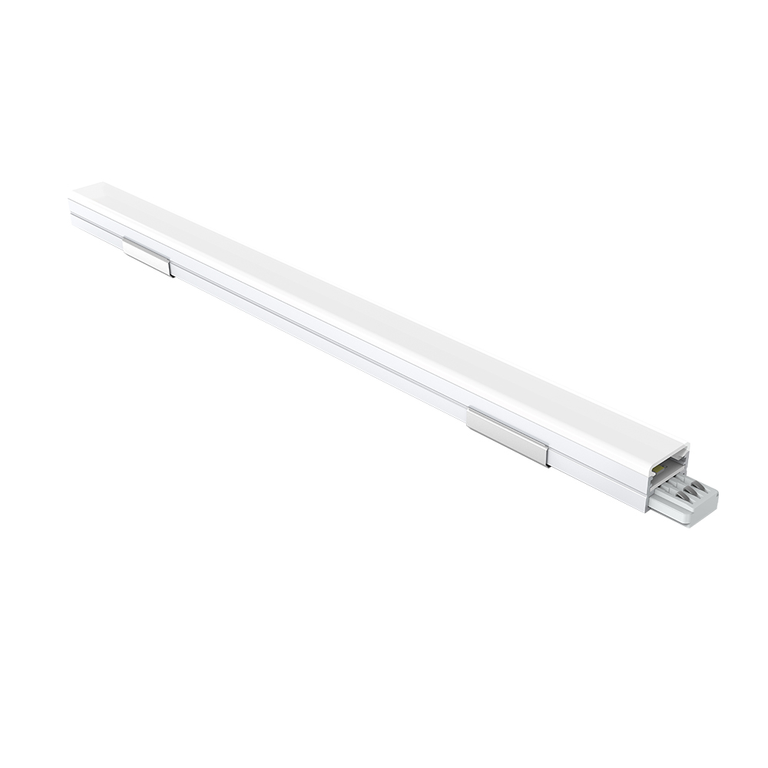
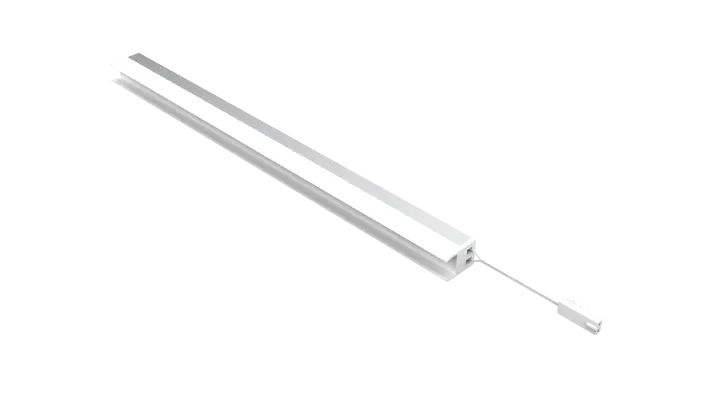
A straight architectural feature may benefit from a dedicated linear fixture with a defined housing. Its structure can provide a finished appearance and make positioning relatively predictable, particularly where the fixture itself is intentionally visible.
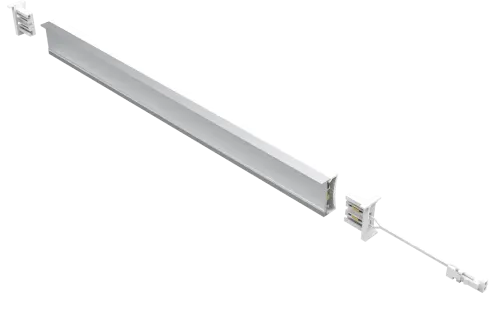
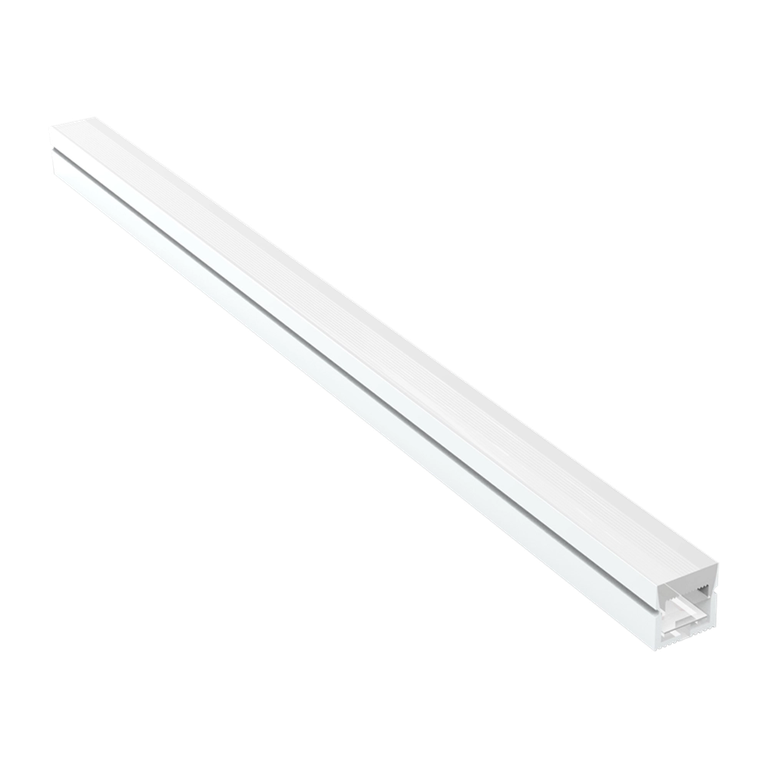
A concealed cabinet or furniture detail presents a different requirement. LED linear lighting strips can occupy narrow spaces and work with suitable profiles, channels, or diffusers to create a cleaner finished appearance. Here, the surrounding construction becomes an important part of the lighting system.
Optical appearance deserves equal attention. A line of exposed LED points can produce a very different visual result from a diffused installation. For commercial interiors, the desired effect may range from clearly visible decorative lighting to a continuous, understated glow.
Electrical planning also needs to enter the discussion early. Section lengths, power-supply locations, wiring routes, switching, and dimming requirements can affect the practical layout. Resolving these details during design is preferable to discovering connection or access problems after the installation is complete.
Environmental conditions provide another dividing line. Indoor decorative installations should not automatically be treated as suitable for areas exposed to moisture, dust, heat, or outdoor conditions. Product construction and relevant protection requirements need to correspond with the actual installation environment.
From Simple Lighting to Integrated Design
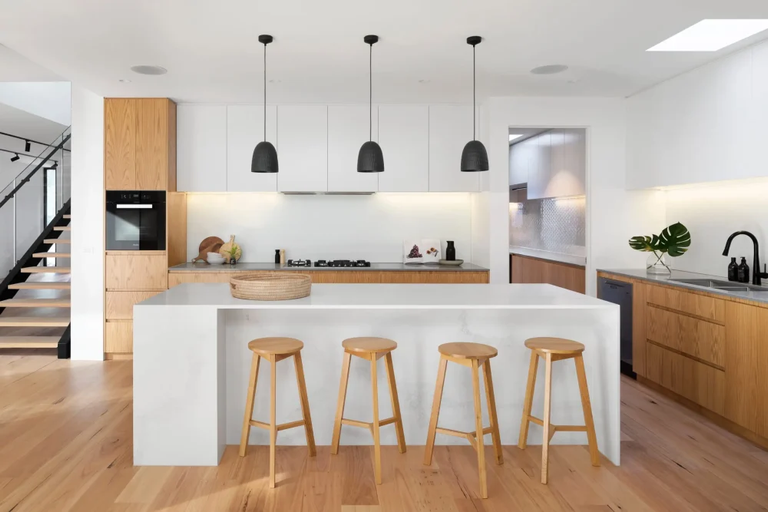
Everyday applications show how easily linear lighting can move beyond basic illumination. Under-cabinet lighting can illuminate work surfaces, while shelf lighting can draw attention toward products, displays, or decorative objects.
Furniture provides another natural location. A narrow source can be incorporated into cabinets, counters, wardrobes, and built-in structures where a conventional luminaire would occupy too much space. In these installations, visual integration is often more important than making the fixture noticeable.
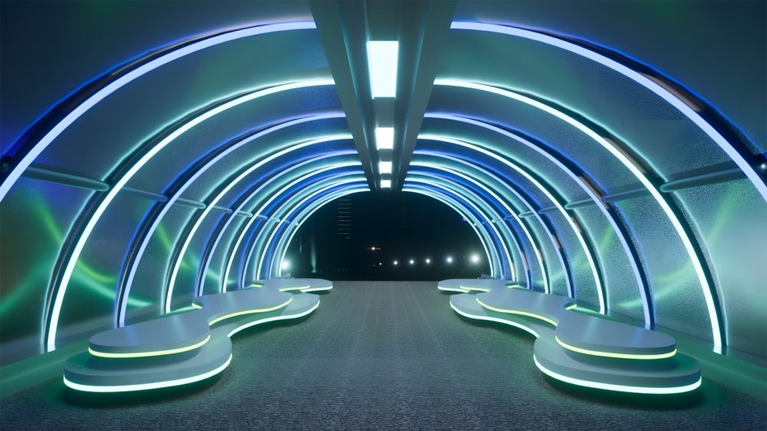
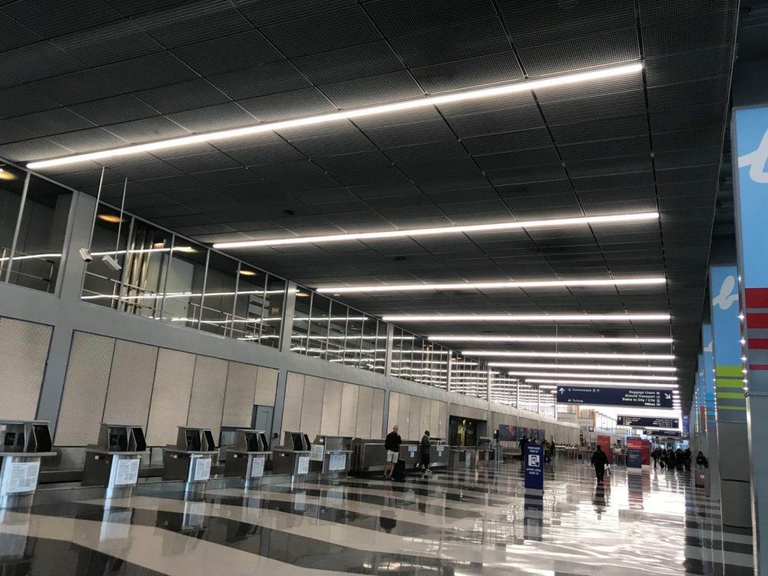
Commercial interiors can use the same principle on a larger scale. Lines of light may reinforce architectural geometry, frame a feature, guide attention, or create layers of indirect illumination. Retail, hospitality, office, and public-space projects can therefore use linear lighting for both functional and architectural purposes.
Our approach at LEDIA Lighting is to look at the installation path first and the product second. Geometry, mounting conditions, optical requirements, electrical planning, and environmental exposure collectively determine which format is appropriate.
The company’s published information also describes testing capabilities covering safety, performance, and electromagnetic testing, alongside certifications and standards including ISO 9001, ISO 14001, CE, CB, UL, and ETL. Certification requirements should always be verified for the specific product and destination market rather than assumed across an entire product range.
Flexible linear LED lighting is not simply a more convenient version of conventional lighting. Its value comes from the ability to integrate illumination with the shape and construction of a space. Rigid linear fixtures, flexible strips, concealed channels, and integrated furniture solutions each have a place.
Once the physical conditions and desired lighting effect are clear, product selection becomes much more purposeful. That is where linear lighting moves from being a decorative detail to becoming a practical part of the overall architectural design—and that distinction is what makes the format so useful across everyday and commercial spaces.