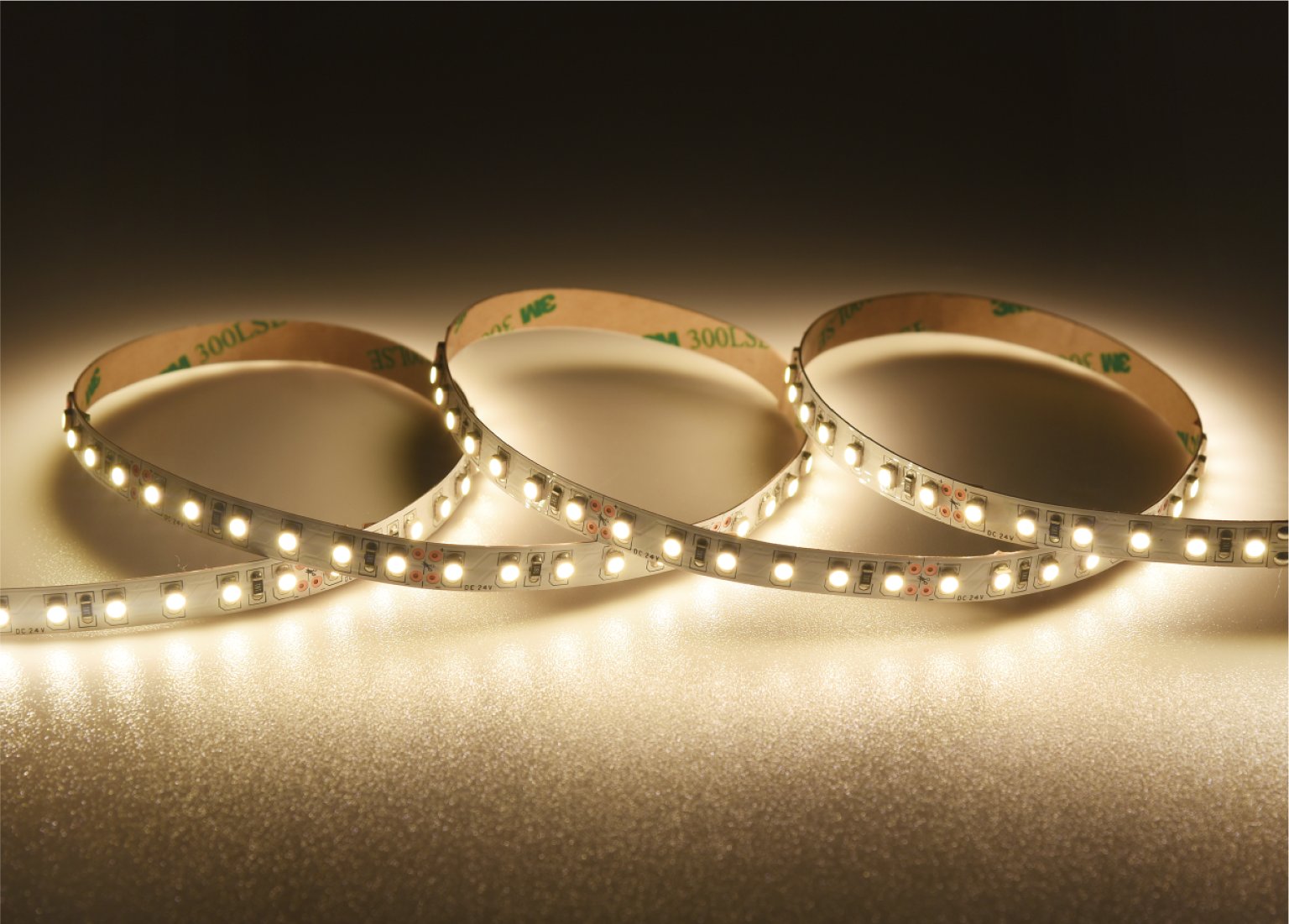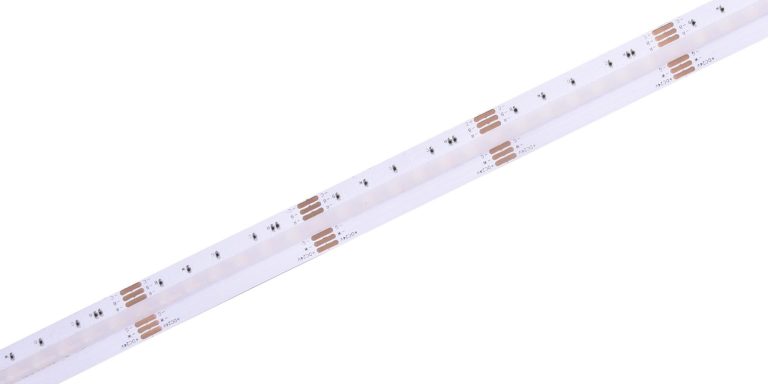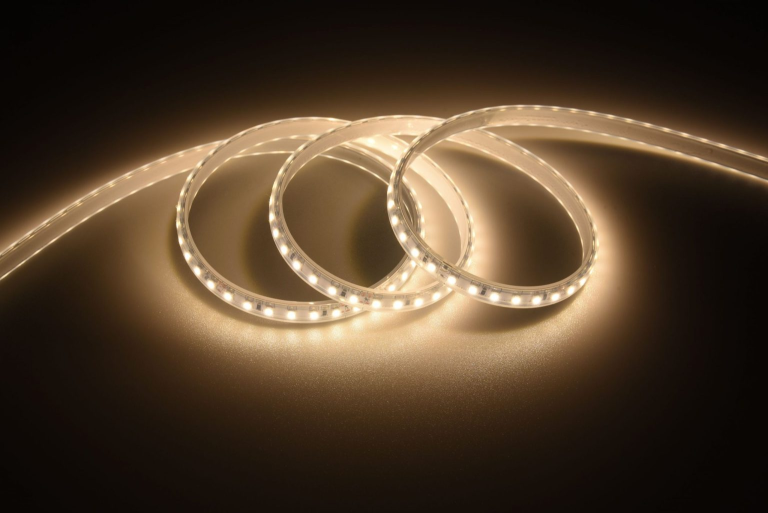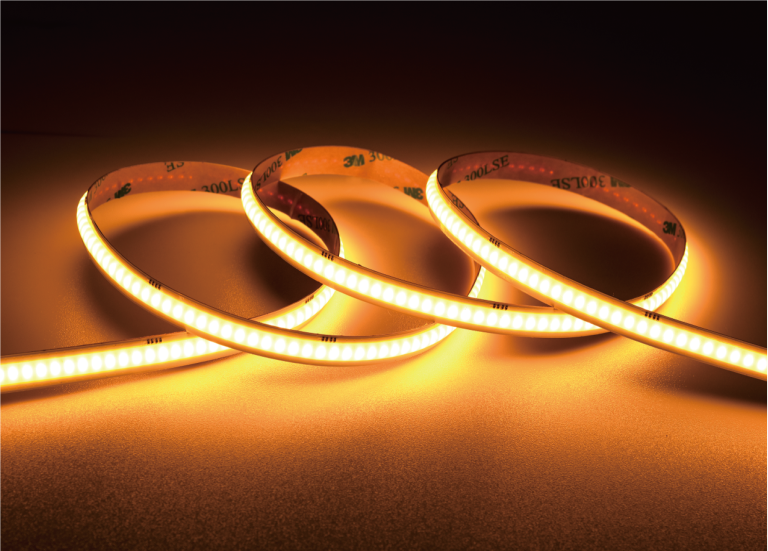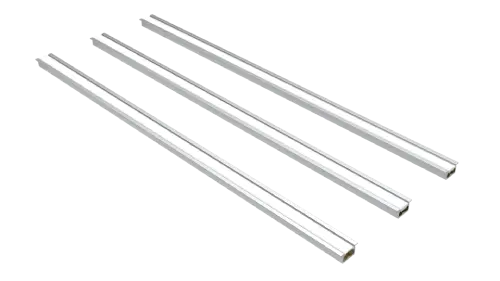
Commercial lighting projects demand more than a visually appealing strip. Designers, distributors, contractors, and procurement teams must balance light output, color quality, environmental protection, electrical compatibility, installation, consistency, and supply capability. When evaluating LED strip light projects, we recommend treating the strip as part of a complete lighting system rather than an isolated component. This approach helps teams compare solutions against project requirements, installation conditions, and long-term operating expectations.
Start With the Required Lighting Performance
The first comparison should be photometric performance. Review luminous output, power consumption, efficacy, color temperature, and color rendering rather than relying on wattage alone. Commercial applications can require different balances: retail environments may prioritize attractive color presentation, while offices and hospitality spaces may need controlled, comfortable illumination. Product documentation should make these parameters clear enough for project teams to compare alternatives.
Color consistency also matters when multiple strip sections are installed across one space. Variations between batches or sections can become noticeable in continuous coves, shelves, architectural details, and feature lighting. For commercial LED light strips, procurement teams should therefore check stated color specifications and consistency information, especially when a project will be installed in phases or expanded later.
Match Protection to the Installation Environment
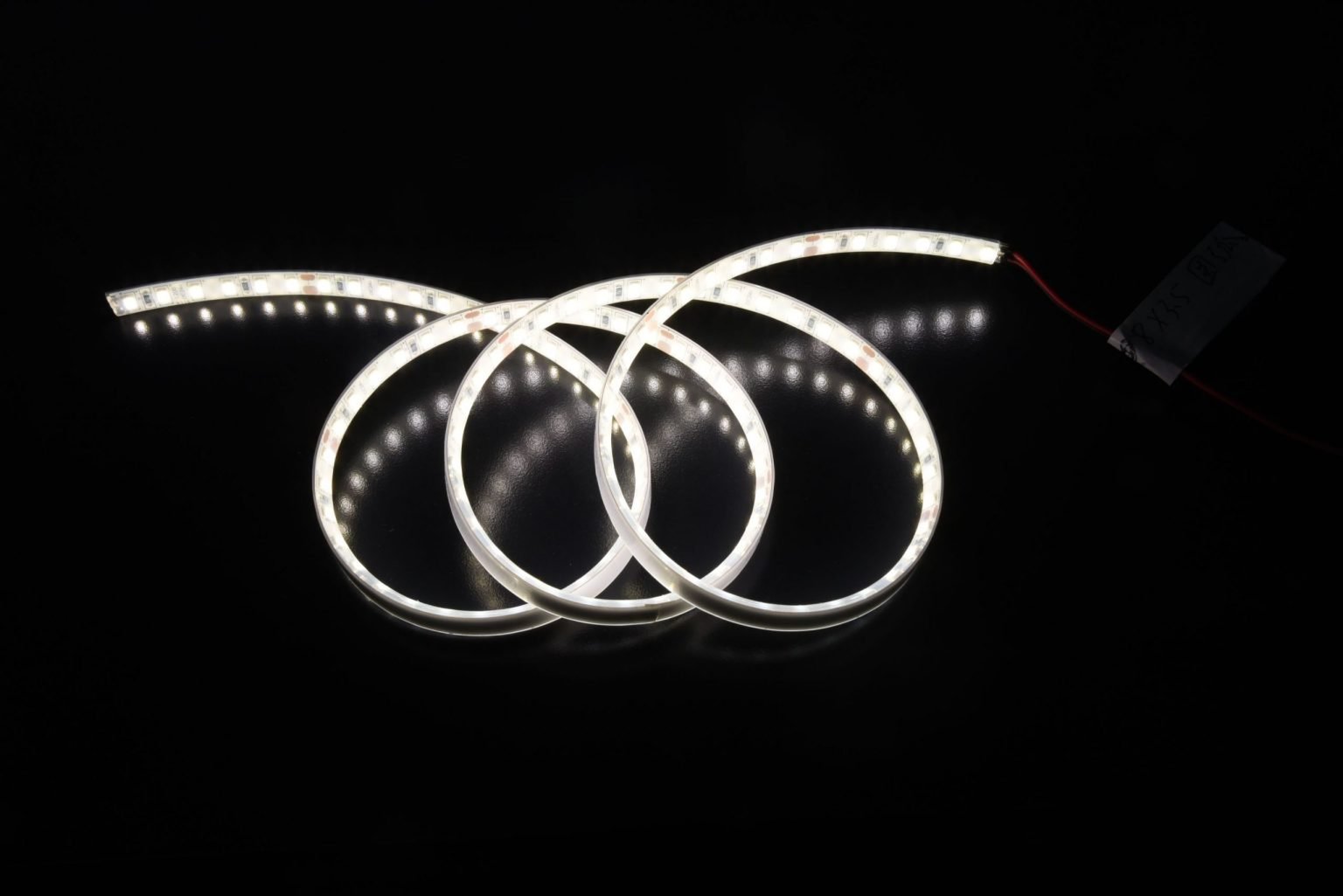
The installation location determines how much protection the strip needs. Indoor dry areas may have different requirements from kitchens, bathrooms, façades, landscape features, or other locations exposed to moisture and dust. IP ratings are commonly used to describe protection against ingress, so the selected rating should correspond to the actual environment rather than being chosen simply because it is higher.
Project teams should also review the construction of the strip, waterproofing method, operating temperature, and compatible profiles or channels. These details influence installation and maintenance. A suitable product must remain appropriate for its intended conditions after installation, not merely look suitable in a product photograph.
Check Electrical and Control Compatibility
Voltage is another fundamental comparison point. The strip, power supply, wiring, connectors, and controls must be selected as a compatible system. Teams should confirm input requirements, power per unit length, maximum run guidance, and driver compatibility before finalizing quantities. Incorrect matching can create voltage-drop problems, uneven brightness, overheating, or installation changes.
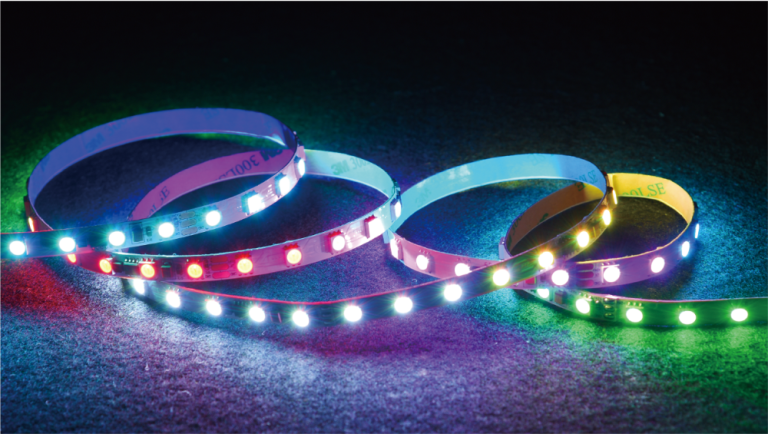
Dimming and control requirements deserve the same attention. Depending on the project, users may need simple dimming, scheduled operation, sensors, or more advanced lighting management. Commercial LED light strips should therefore be evaluated together with their drivers and control components instead of being purchased solely on the basis of the strip itself. UL Solutions identifies UL 2108 as a standard covering low-voltage lighting systems, reinforcing the importance of considering the complete low-voltage installation and applicable local requirements.
Evaluate Installation and Maintenance
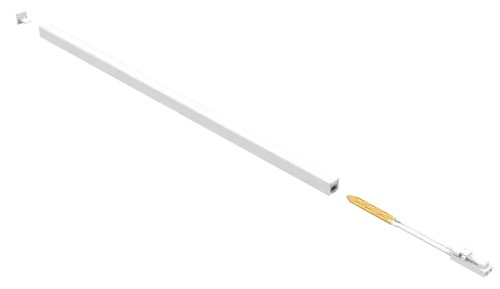
A technically strong strip can still become a difficult project product if installation is complicated. Compare cutting and joining requirements, mounting methods, accessories, connection options, and available profiles. Clear installation documentation can reduce uncertainty for contractors and help prevent field modifications that compromise performance or compliance. System-level planning is also valuable because profiles, drivers, and accessories need to work together.
Maintenance is equally important for commercial projects. Teams should consider how easily components can be accessed, replaced, or extended and whether future procurement can maintain the same appearance and performance. For large LED strip light projects, consistency of specifications across repeat orders can reduce the risk of visible differences between original and replacement sections.
Compare Supplier Capacity and Quality Systems
Supplier capability becomes particularly important when a project involves large quantities, phased delivery, customization, or tight schedules. A supplier should be evaluated not only on unit price but also on production capacity, process control, testing, and its ability to maintain consistent quality across orders.
At LEDIA Lighting, we operate more than 20 production lines covering the LED strip production process chain, supported by hundreds of imported automated machines, including high-speed SMT, automatic welding, and full-coverage waterproofing equipment. Our monthly LED strip production capacity is approximately 1.5 million meters. We have also invested in a luminaire production line with a monthly capacity of 10,000 pieces, supporting project requirements.
Technical Support Should Extend Beyond Manufacturing
For project procurement, engineering support and testing capability can be as important as production volume. We continue to invest in product development, testing, and quality-control systems for flexible and linear lighting applications. Our laboratories cover safety, performance, and electromagnetic compatibility evaluation, with recognition through UL WTDP, IECEE, and national CNAS certification.
This technical foundation helps us work with project teams that require solutions adapted to specific application conditions. Rather than treating every order as a standard product transaction, we can use our development and testing capabilities to support different project requirements, from product evaluation to quality verification.
Build the Comparison Around Total Project Fit
The right selection is not always the product with a low purchase price or a high output specification. A stronger comparison considers photometric performance, color consistency, environmental protection, electrical compatibility, controls, installation, maintenance, documentation, certifications, and supply reliability together. This is especially important when commercial LED light strips will be installed across multiple areas or delivered in several project phases.
For LED strip light projects, we recommend creating a technical comparison sheet before purchasing. List the required output, CCT, CRI, protection level, voltage, power, control method, dimensions, accessories, compliance documentation, delivery needs, and warranty terms. Then compare each candidate against the same criteria. With this structured process, project teams can reduce uncertainty and select a solution that fits both the lighting design and the commercial realities of implementation.