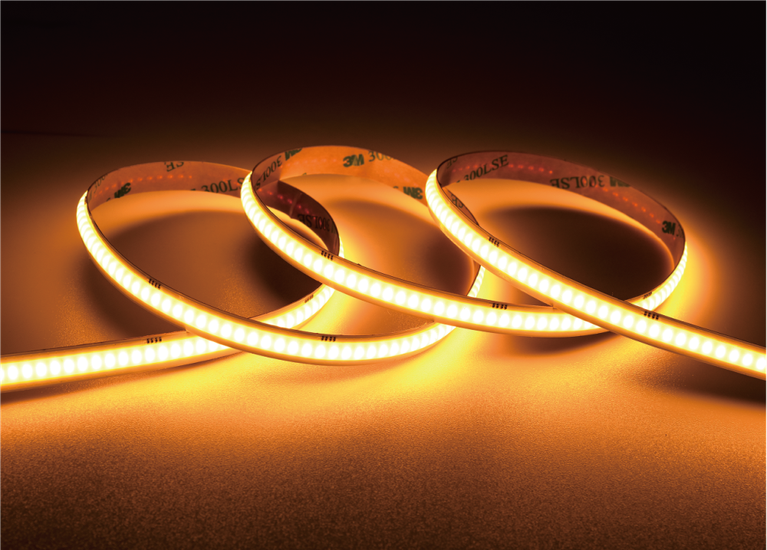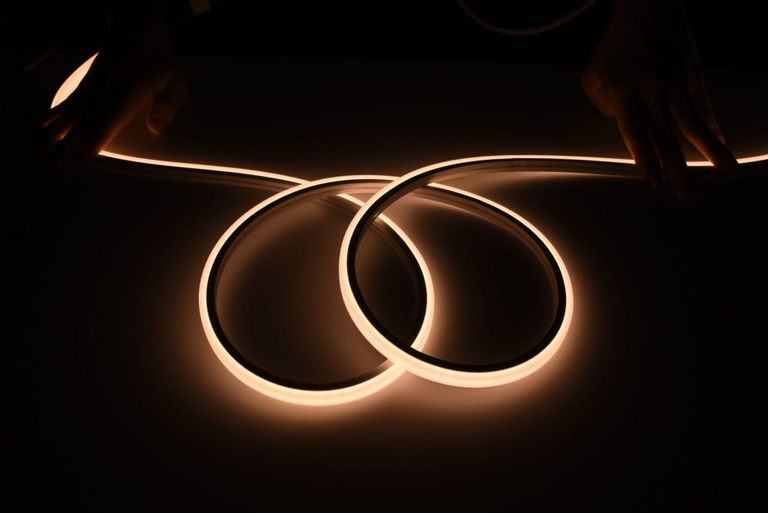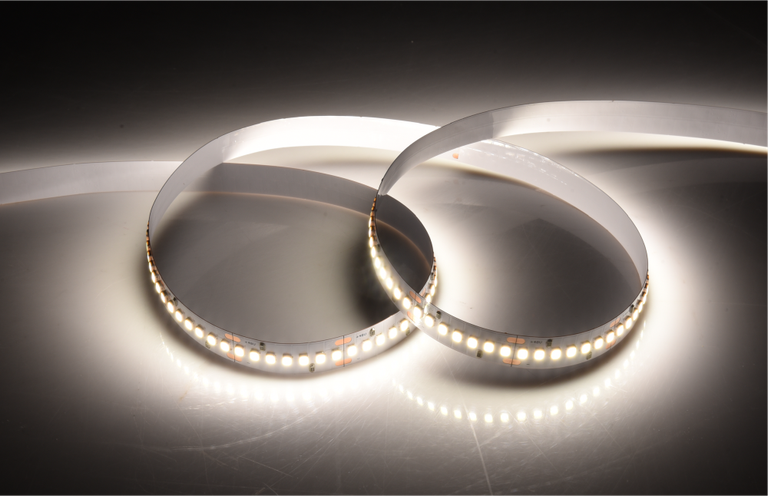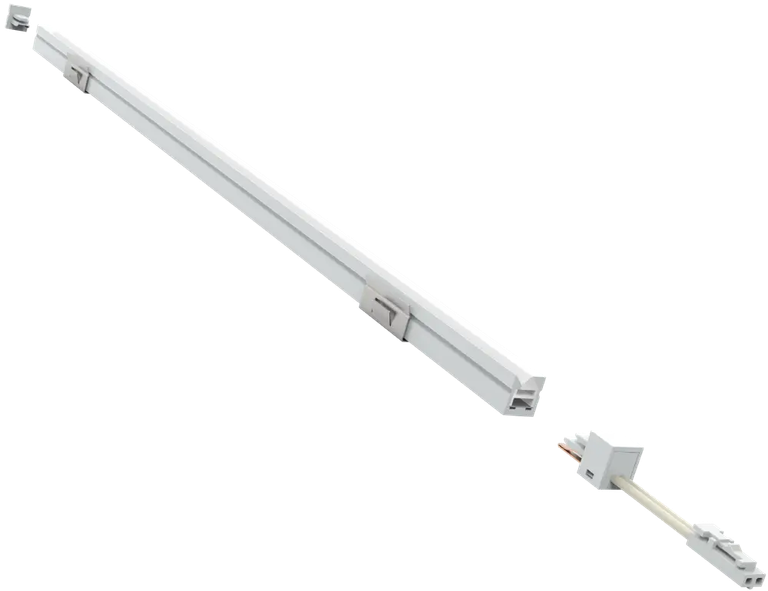
Architectural lighting drawings often define the visual route of a linear light without specifying the exact construction needed to achieve it. That gap is where specification decisions begin. We translate the drawing into physical requirements: where the light turns, available space, surface conditions, and the intended visual result.
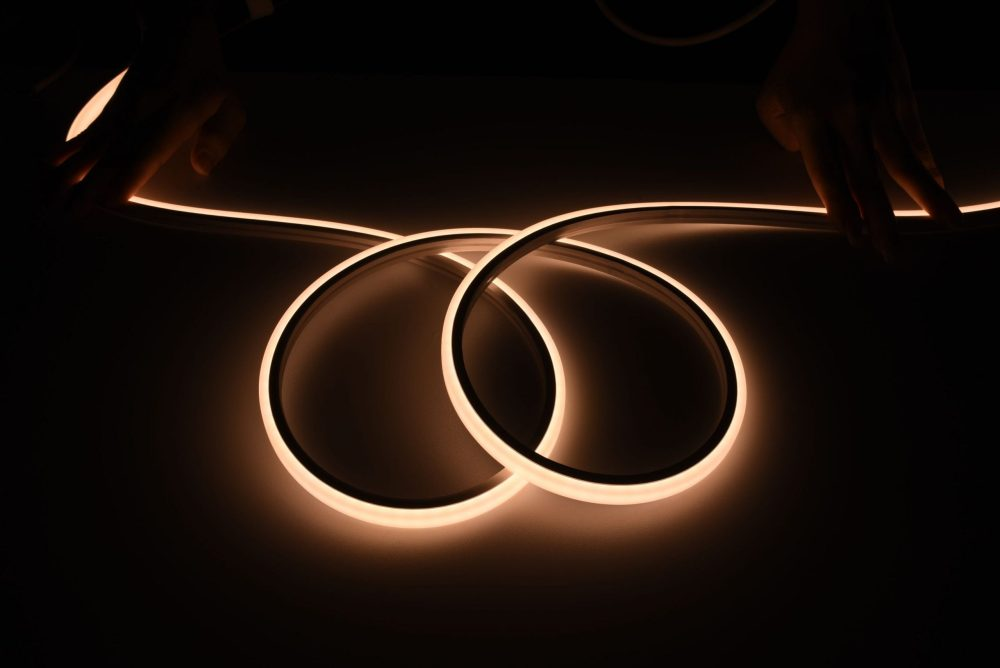
That is particularly relevant to a silicone LED strip light. Flexibility can solve difficult geometries, but it does not tell an engineer which profile, voltage, IP rating, optical structure, or cutting specification belongs in the project. Our starting point is the installation itself, not a generic product description.
A Drawing Tells Us Where the Light Goes—Not Which Strip to Use
Architectural drawings show the desired route, but the route alone cannot determine the right construction. We look at the actual section, surrounding materials, available clearance, and how the finished light will be viewed.
That distinction becomes important when a linear detail has to disappear into a ceiling, wall, cabinet, façade, or custom architectural feature. Product selection starts to make sense only after the physical conditions are understood.
Curves, Recesses, and Tight Spaces Change the Specification
A straight cove is predictable. A curved façade, narrow reveal, circular feature, or irregular architectural edge is different. The strip has to follow the intended path while remaining properly supported and visually consistent.
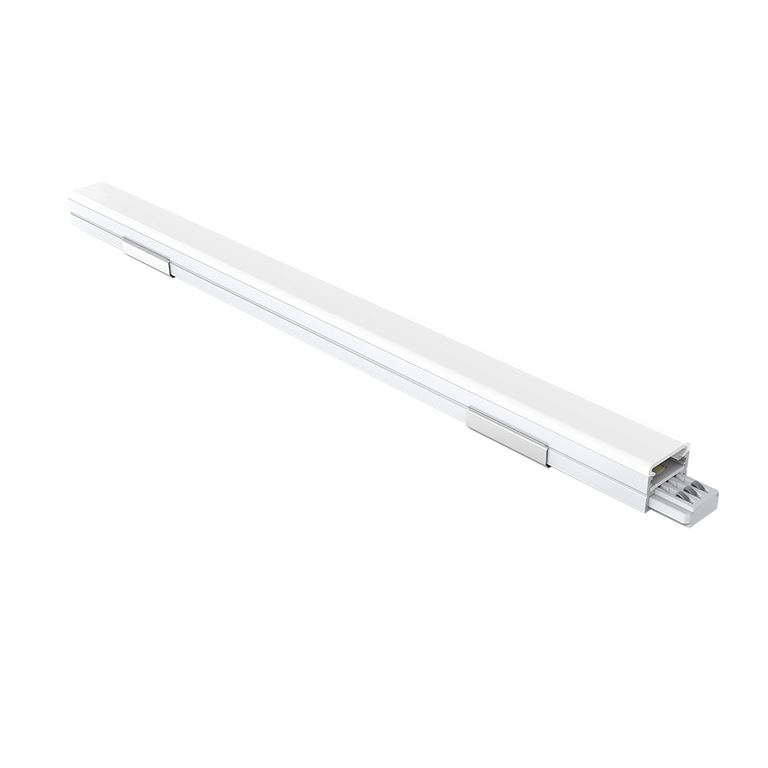
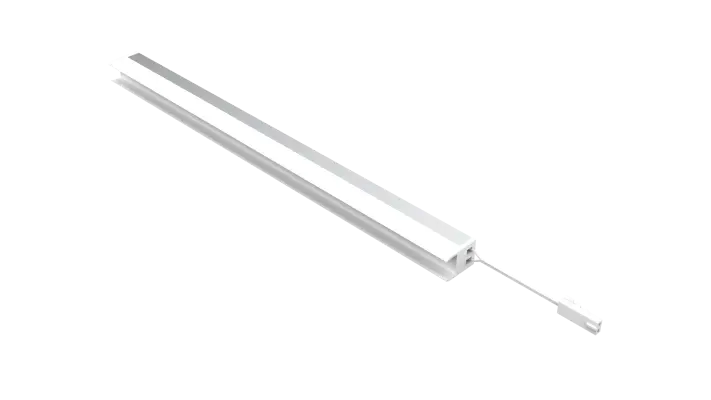
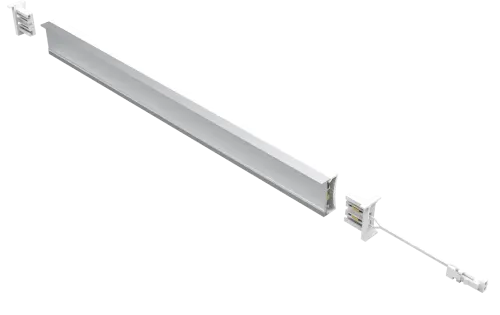
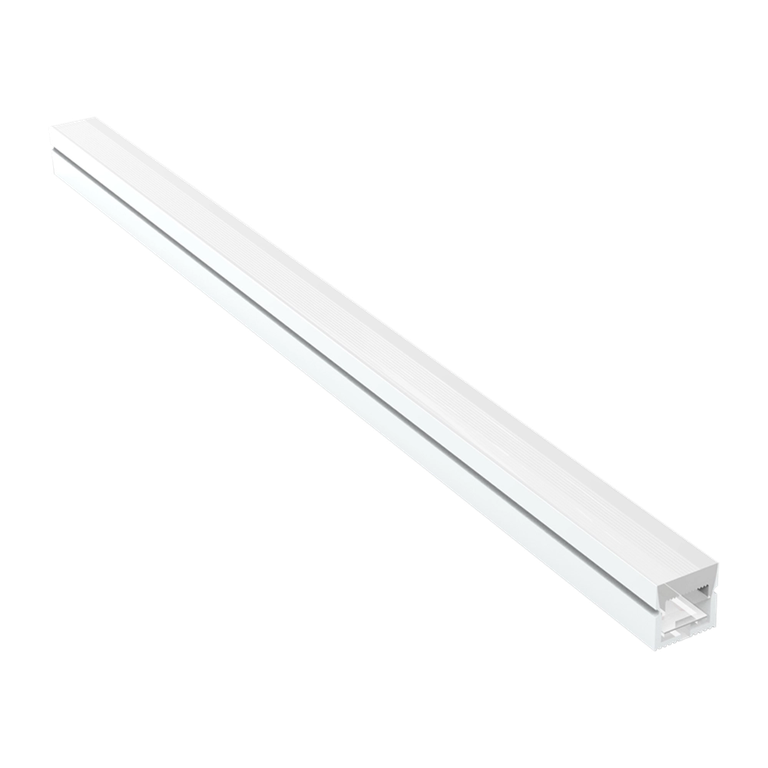
Our silicone strip light range includes hollow, solid, and arc constructions, as well as different dimensions. The product category lists models such as 6×12 mm, 10×4 mm, 12×4.8 mm, and other configurations, so the available space becomes part of selection rather than an afterthought.
We also look at the direction in which the strip needs to bend. A project may require side bending, surface illumination, or a particular lighting face. A compact section can suit shallow millwork, while another extrusion may be better where light needs to spread across a broader surface.
The Installation Environment Can Eliminate a Suitable-Looking Option
A product that fits the drawing can still be wrong for the site. Indoor coves, exterior façades, wet areas, and moisture-prone architectural details impose different environmental requirements.
We therefore match construction and ingress protection to the actual location. Our range includes silicone models with IP67 and IP68 ratings, while individual products have their own specified operating conditions. For example, one 12×20 mm model is listed at IP68, while the 10×4.4 mm hollow model is listed at IP67. Those ratings belong to specific products and should not be generalized.
Environmental review also includes temperature and exposure. One published 6×12 mm model specifies a working temperature of -40°C to 50°C, while another product lists -40°C to 45°C. We therefore check the selected model’s technical data against the project location.
We Check the Light Line Before We Finalize the Hardware
Architectural clients usually judge a linear detail by the appearance of the illuminated line, not by the LED package alone. That makes optical behavior part of project engineering.
We review LED density, CCT, CRI, power, and intended viewing distance together. Our published silicone LED strip light products include configurations using 2835 LEDs, with examples offering 120 LEDs per metre and CCT options including 2700K, 3000K, 4000K, and 6500K. Some models are available with CRI 80 or 90.
The silicone structure matters too. Certain models are designed around a diffusing or continuous surface, while others use specific shapes for wider or directional lighting. One 6×12 mm model is described as providing continuous surface illumination, while the range also includes arc and other forms. We use the visual requirement to narrow the choice instead of assuming one optical format suits every project.
What Gets Resolved Before the First Strip Reaches the Site
The most useful project discussions often happen before installation begins. We want strip length, cutting points, connections, mounting method, power arrangement, and routing understood before installers are working around finished architectural surfaces.
Cutting is one example. A model may support a particular minimum cutting length or unit, and that affects how accurately the strip can fit a detailed run. One published 6×12 mm product specifies an 8.3 mm minimum cutting length and a six-LED cutting unit; a different 12×20 mm product specifies a 50 mm cutting length. Those differences can influence both the drawing and installation plan.
Samples can expose issues that a drawing cannot. A physical piece lets the project team check the bend, apparent brightness, surface finish, available clearance, and relationship between the strip and its mounting location. Resolving those questions early is more practical than adapting the installation on site.
From a Flexible Strip to a Project-Ready Lighting Detail
Our project approach is not simply about supplying a flexible product. It is about turning an architectural intention into a specification that can be installed as drawn.
At LEDIA Lighting, we use geometry, environmental exposure, optical requirement, electrical configuration, and installation conditions to narrow the available options. The silicone strip light is then treated as one component of a larger lighting detail rather than an isolated commodity.
This matters to contractors, engineering project managers, wholesalers, and commercial developers. They need a product choice that makes sense on the drawing and remains workable during procurement and installation. At LEDIA Lighting, we keep those practical decisions connected from the initial requirement through project execution.
True project success, in our view, lies not in choosing the most ornate strip, but in engineering a solution tailored to the space. It must realize the desired aesthetic while ensuring a dependable, straightforward installation process. LEDIA Lighting approaches silicone projects from that perspective: start with the detail, verify the product against the conditions, and only then finalize the specification.