A project-specific LED lighting request can sound complicated because manufacturers often describe solutions through dimensions, electrical parameters, optical characteristics, and control requirements. Yet the underlying decision is usually straightforward: what must the light physically do in the space, and what needs to change from a standard product to achieve it?
We bridge the gap between practical needs and manufacturable lighting. For architects, contractors, and project managers, this means you can start the conversation where it should begin—with the space, the aesthetic, the installation, and the vision—leaving the technical translation to us.
Project-Specific Lighting Starts With the Space, Not the Product
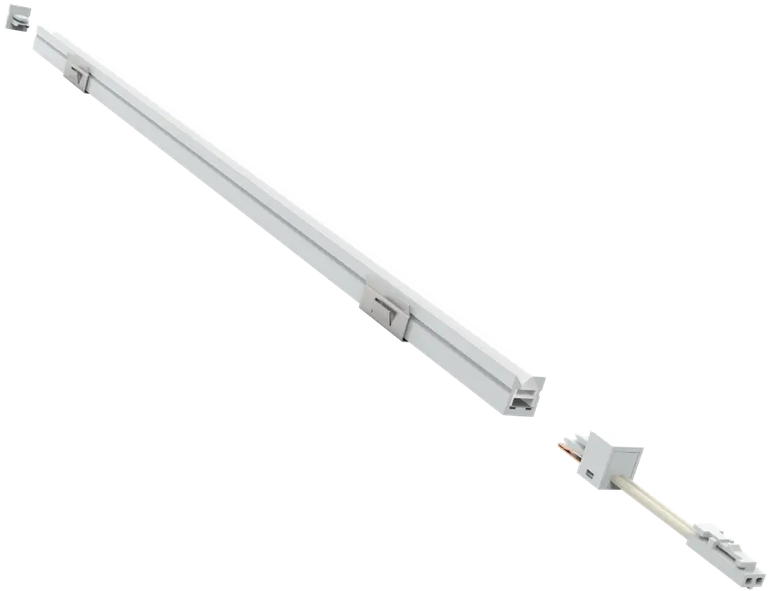
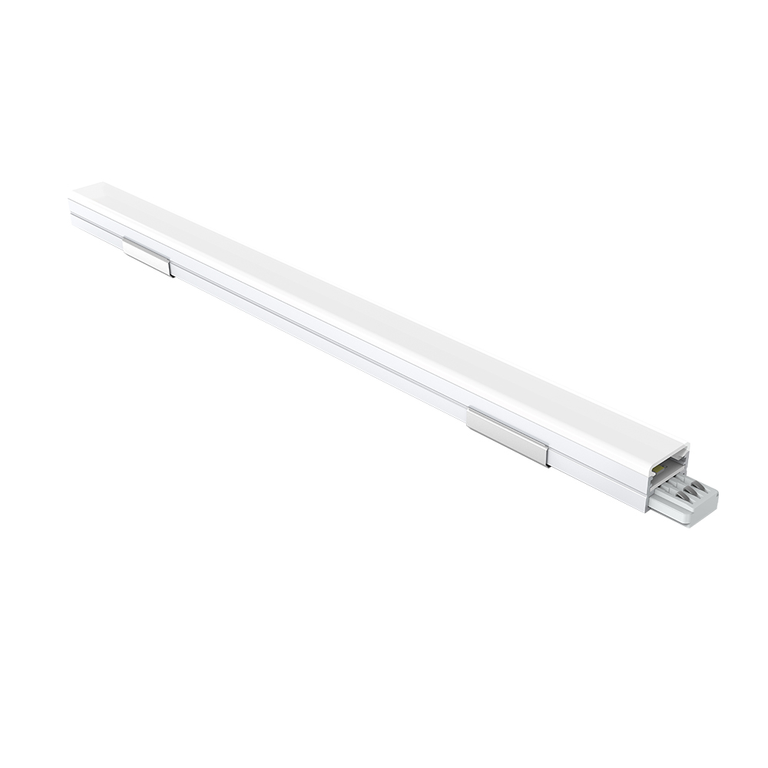
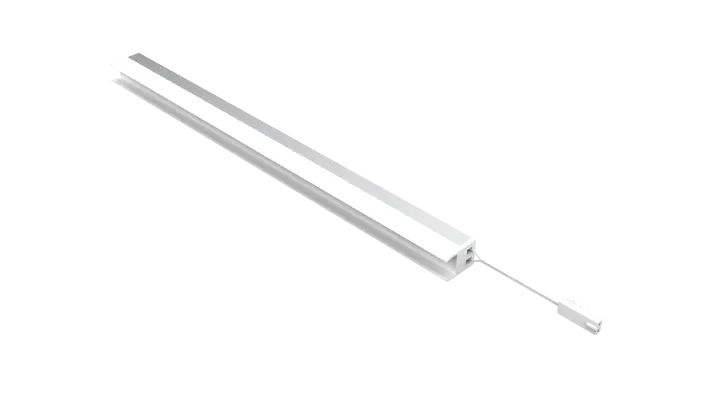
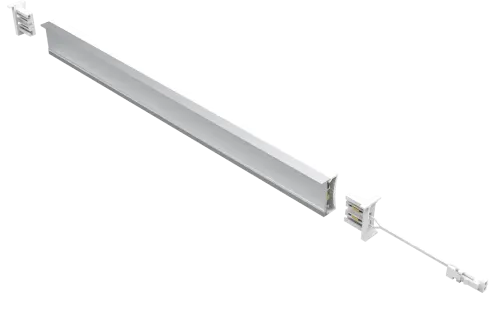
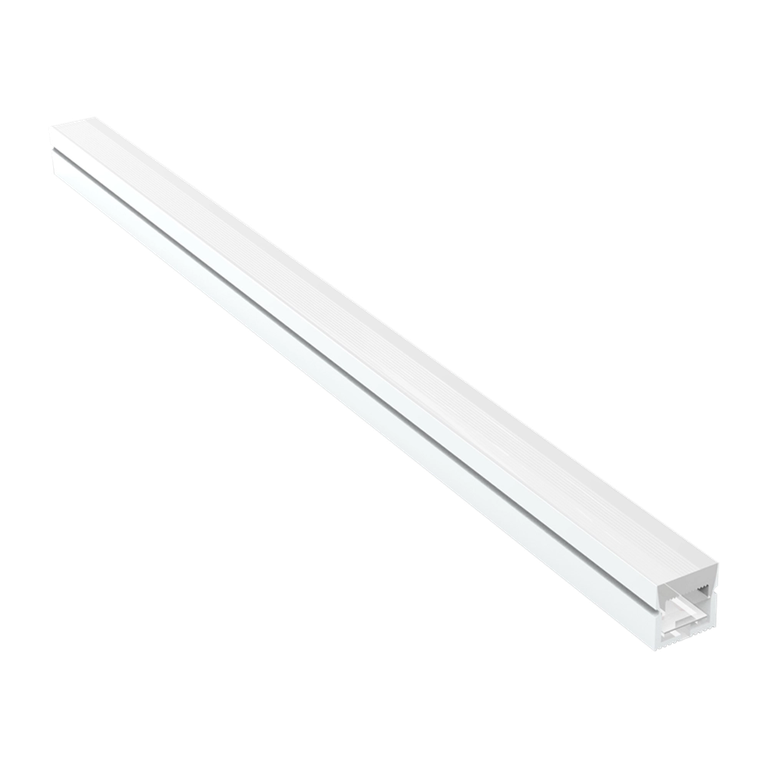
A useful starting point is the installation itself. A recessed ceiling, curved architectural feature, display, cabinet, façade, or continuous linear detail may impose dimensions that a standard fixture cannot accommodate. In those situations, custom light fixtures are not simply a more complicated version of an off-the-shelf product. They are a response to a particular physical requirement.
Length and shape are common examples. LEDIA Lighting states that its customization service can address different project requirements through a process beginning with consultation and design, followed by sample confirmation and production.
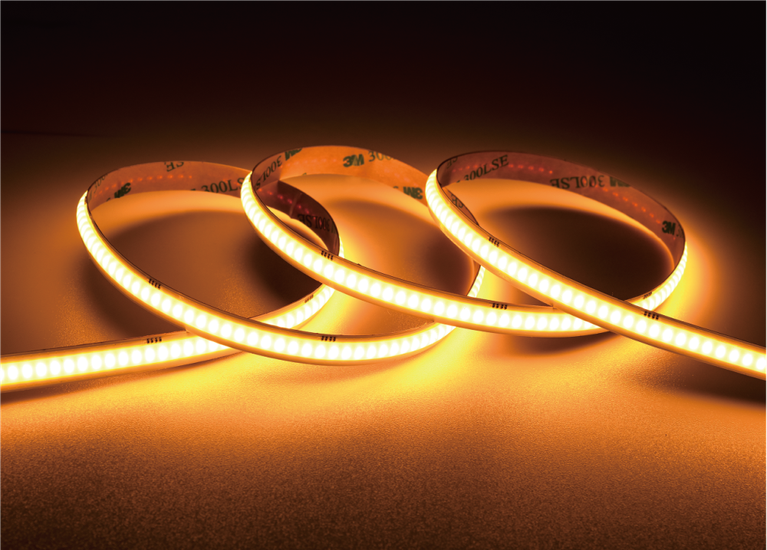
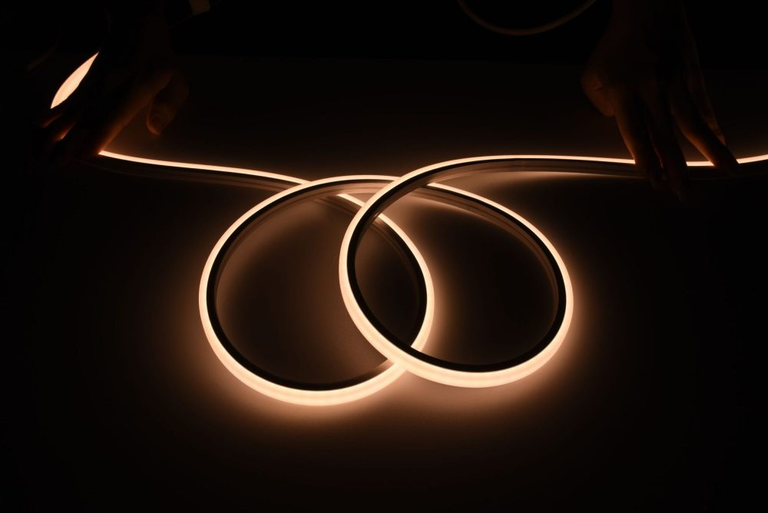
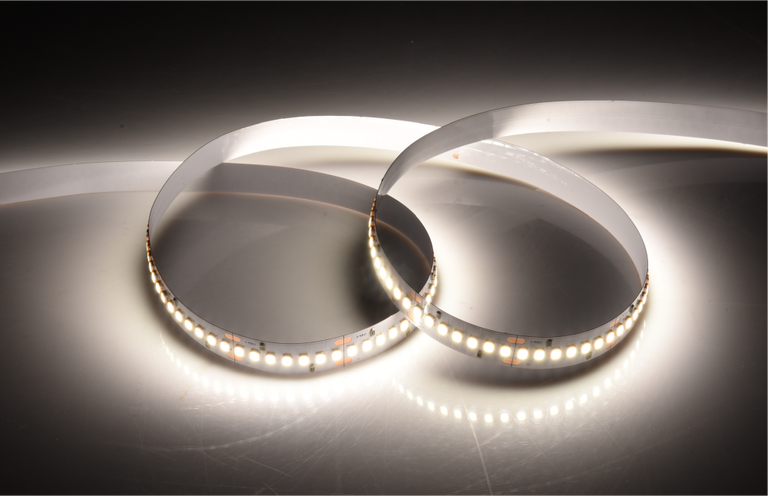
The same principle applies to LED strips. A project may require a particular length, brightness, color temperature, or form factor rather than whatever combination happens to be available from a standard catalog item. The objective is to make the lighting fit the project rather than force the project to fit the lighting.
Four Questions That Define a Custom LED Solution
Instead of starting with technical terminology, we recommend answering four practical questions.
First: Where will the lighting physically go?
Give the manufacturer the available length, shape, mounting location, and installation constraints. Curves, tight spaces, continuous runs, and unusual dimensions can influence the product configuration.
Second: What should the light look like?
Describe the desired visual result. Color temperature and brightness can be adjusted for different environments, while CRI may matter where accurate color appearance is part of the design objective. LEDIA Lighting identifies brightness, lighting color, color temperature, size and shape, and CRI among customizable factors.
Third: How should it operate?
Determine whether the installation needs dimming, remote control, color-changing capability, or another control arrangement. These requirements should be established before production rather than treated as an afterthought. Available customization can include dimmable and remote-control options, depending on the specified solution.
Fourth: What must be different from a standard product?
This is often the most useful question. If an existing product already satisfies the dimensions, appearance, and operating requirements, customization may not be necessary. If several important requirements do not match, a tailored product becomes easier to justify.
How an Idea Becomes a Buildable Lighting Specification
Customization is not simply a request to “make something different.” The project information has to become a specification that production teams can actually follow.
A practical workflow starts with consultation. The manufacturer gathers the project’s requirements, then develops a design around those parameters. After design, a sample can be produced for confirmation before mass production. LEDIA Lighting presents its customization workflow as consultation, design, sample confirmation, mass production, delivery, and after-sales service.
For a project team, this sequence creates useful checkpoints. Questions about dimensions, appearance, functionality, and installation can be resolved progressively instead of being left until the finished order arrives.
Manufacturing capability also matters because customization has to move beyond drawings. LEDIA’s stated production infrastructure includes automatic linear production lines, light-fixture production lines, and SMT lines, supporting its OEM manufacturing process.
Why Samples Matter Before Production
A drawing can show dimensions, but it cannot always communicate the finished lighting effect clearly enough for everyone involved in a project.n
Sample confirmation provides a physical reference. The project team can examine the actual appearance and check whether the proposed configuration matches the intended installation before committing to mass production. For custom work, this checkpoint is particularly useful because changing an agreed specification after production begins can be more disruptive than resolving the issue during development.
Testing is another part of the verification process. LEDIA’s customization resources describe photometric, electrical safety, EMC, environmental reliability, and IP-related testing within its quality-control activities.
The exact tests required for a project should still be determined by the product, installation environment, applicable specifications, and market requirements rather than assumed from a general customization request.
Making Customization Easier for the Project Team
A good customization brief does not need to sound technical. Start by documenting the physical installation area, required dimensions, desired light appearance, operating method, environmental conditions, and any unusual constraints. Photographs, drawings, dimensions, and reference images can make the requirement easier to interpret.
For wholesalers and contractors, it is also useful to distinguish what is fixed from what can change. A fixed mounting dimension may be non-negotiable, while brightness or color temperature might have several acceptable options. That distinction gives the manufacturer room to engineer a workable solution without losing sight of the project’s actual objective.
The same thinking applies when evaluating the best customizable LED strip lights for a project. Rather than selecting a product because it offers the largest number of options, compare how well its available customization parameters correspond to the project’s real constraints.
Project-specific LED lighting is less mysterious than its terminology suggests. Start with the space and intended result, identify the few characteristics that genuinely need customization, then confirm the design through sampling and appropriate testing. That approach turns a broad request for bespoke lighting into a clear, manageable specification—and gives every member of the project team a shared understanding of what is being built.