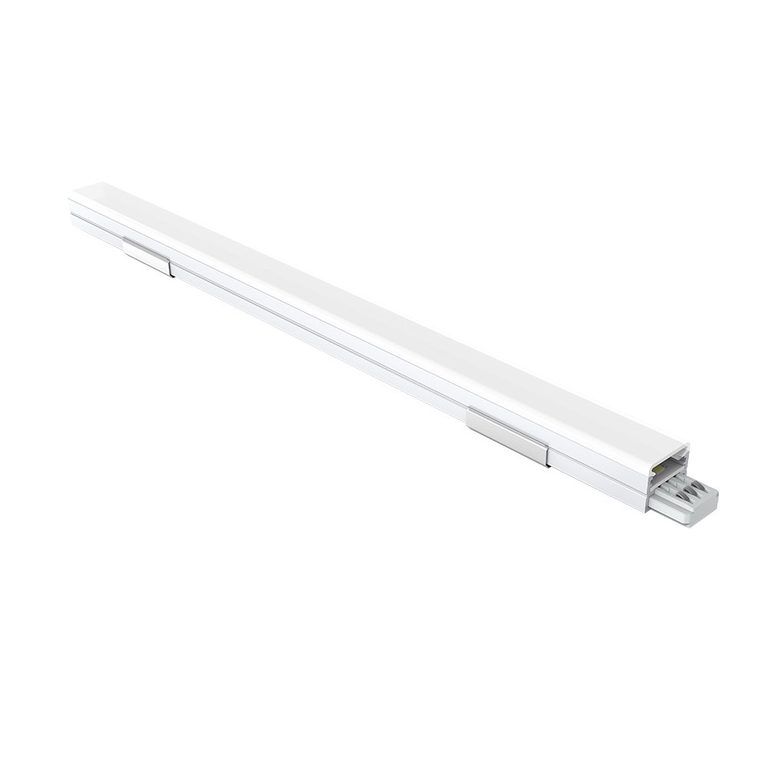
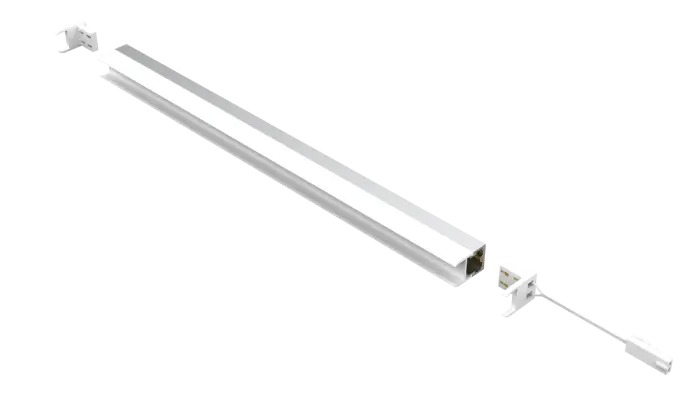
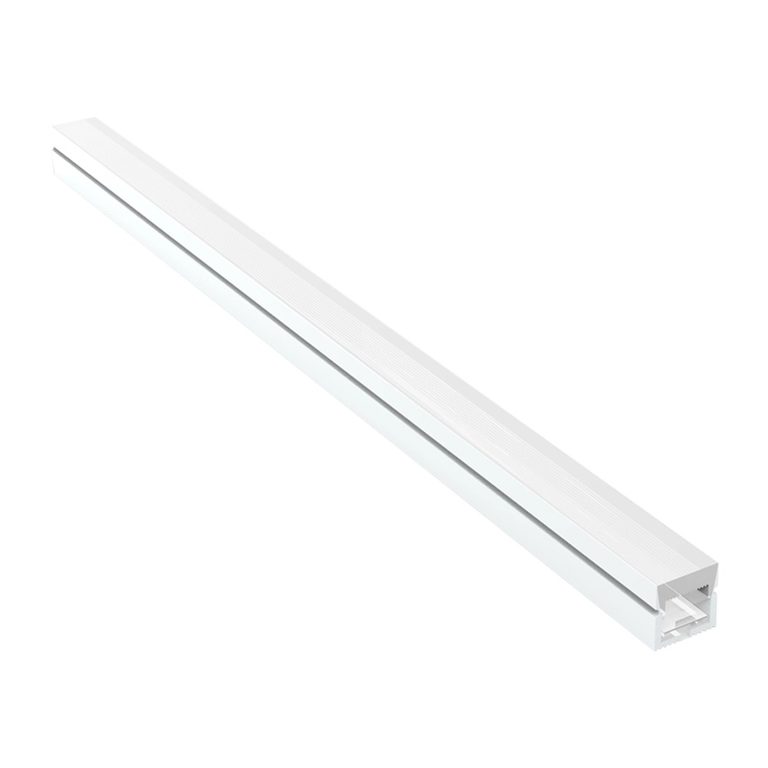
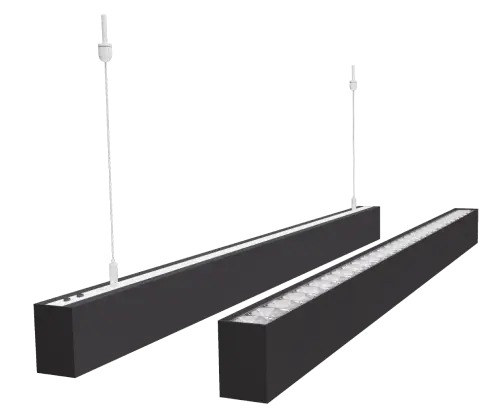
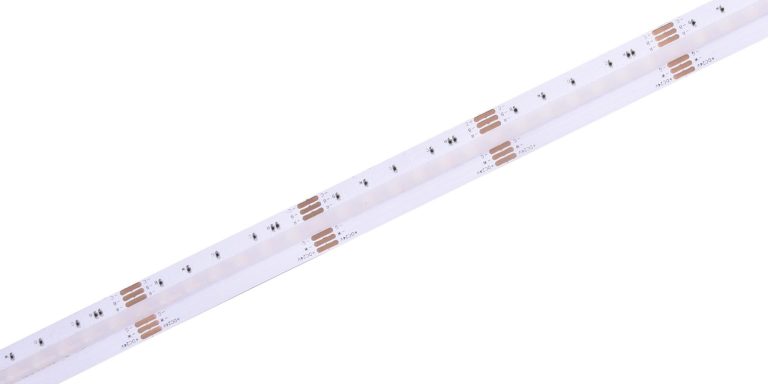
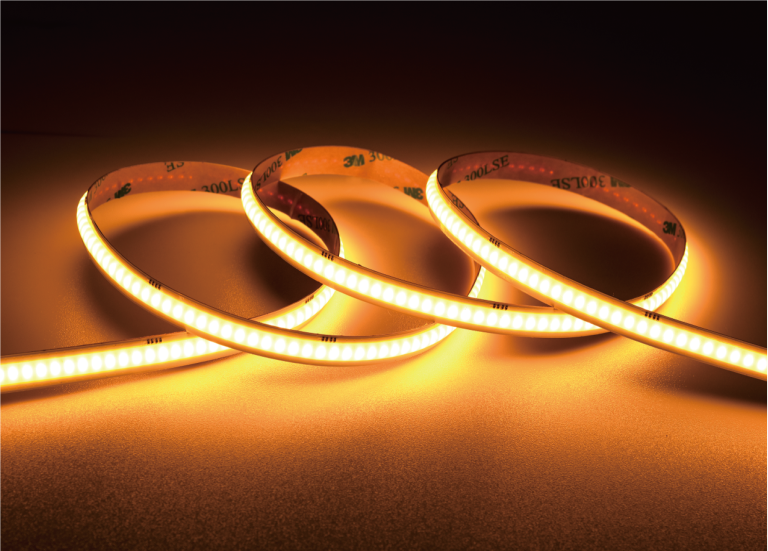
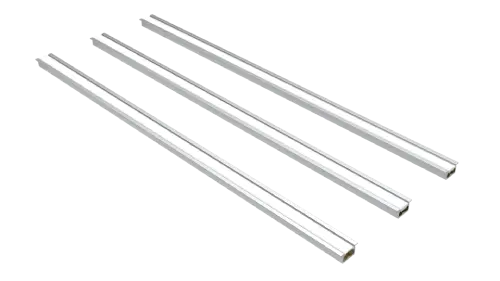
Sourcing lighting for commercial and industrial projects involves more than comparing prices and product specifications. Buyers also need to evaluate manufacturing capacity, quality control, customization options, and the supplier’s ability to maintain consistent deliveries. Choosing a factory-backed partner can make procurement more predictable, especially when projects require repeat orders or multiple lighting configurations. By assessing these factors together, we can identify LED linear lighting strips and complete fixtures that meet project requirements while supporting long-term supply planning.
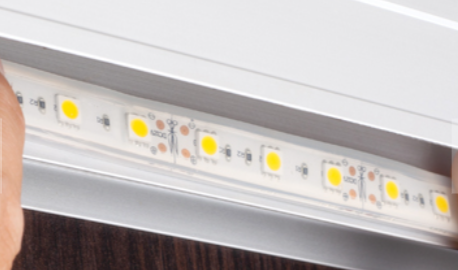
1. Verify Manufacturing Capacity and Production Control
A supplier’s stated output should be relevant to your purchasing forecast, not just impressive on paper. Buyers should confirm how many production lines support the required product category, which processes are completed in-house, and whether the factory can handle peak demand without compromising delivery schedules. These details matter when distributors need regular replenishment or contractors must coordinate lighting deliveries with installation milestones.
We operate automated high-speed SMT, automatic welding, and waterproof processing systems, supported by more than 20 production lines covering LED strip manufacturing. Our monthly capacity reaches approximately 1.5 million meters of LED strip lights. For complete luminaires, dedicated production lines support output of up to 10,000 pieces per month, allowing us to serve standard orders and customized projects.
2. Match Product Specifications to the Application
Before requesting quotations, define where the lighting will be installed and what performance the application requires. Warehouses, offices, retail interiors, production areas, and architectural features can have different requirements for brightness, color rendering, color temperature, and installation format. A clear specification reduces unnecessary product comparisons and helps suppliers recommend suitable configurations.
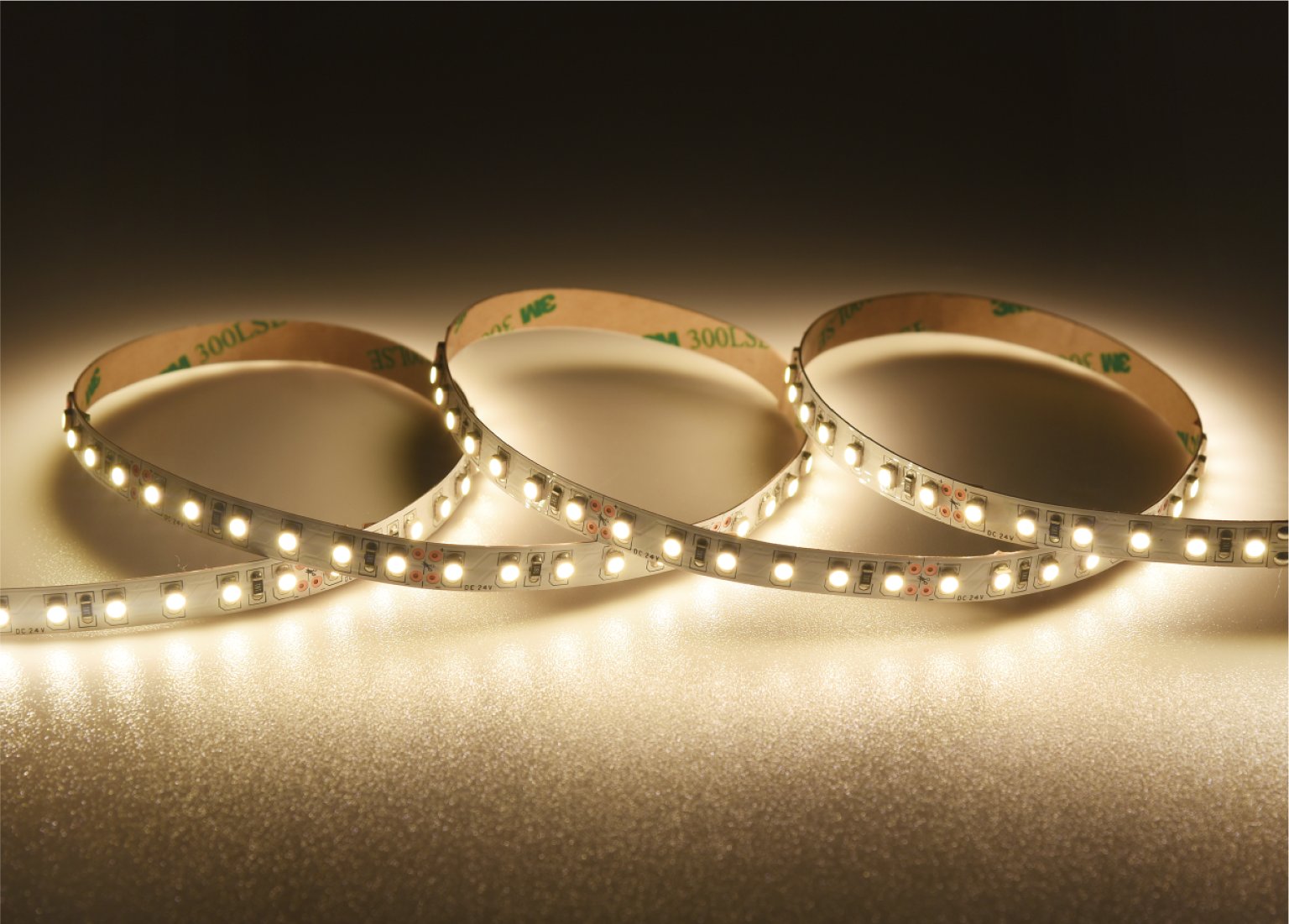
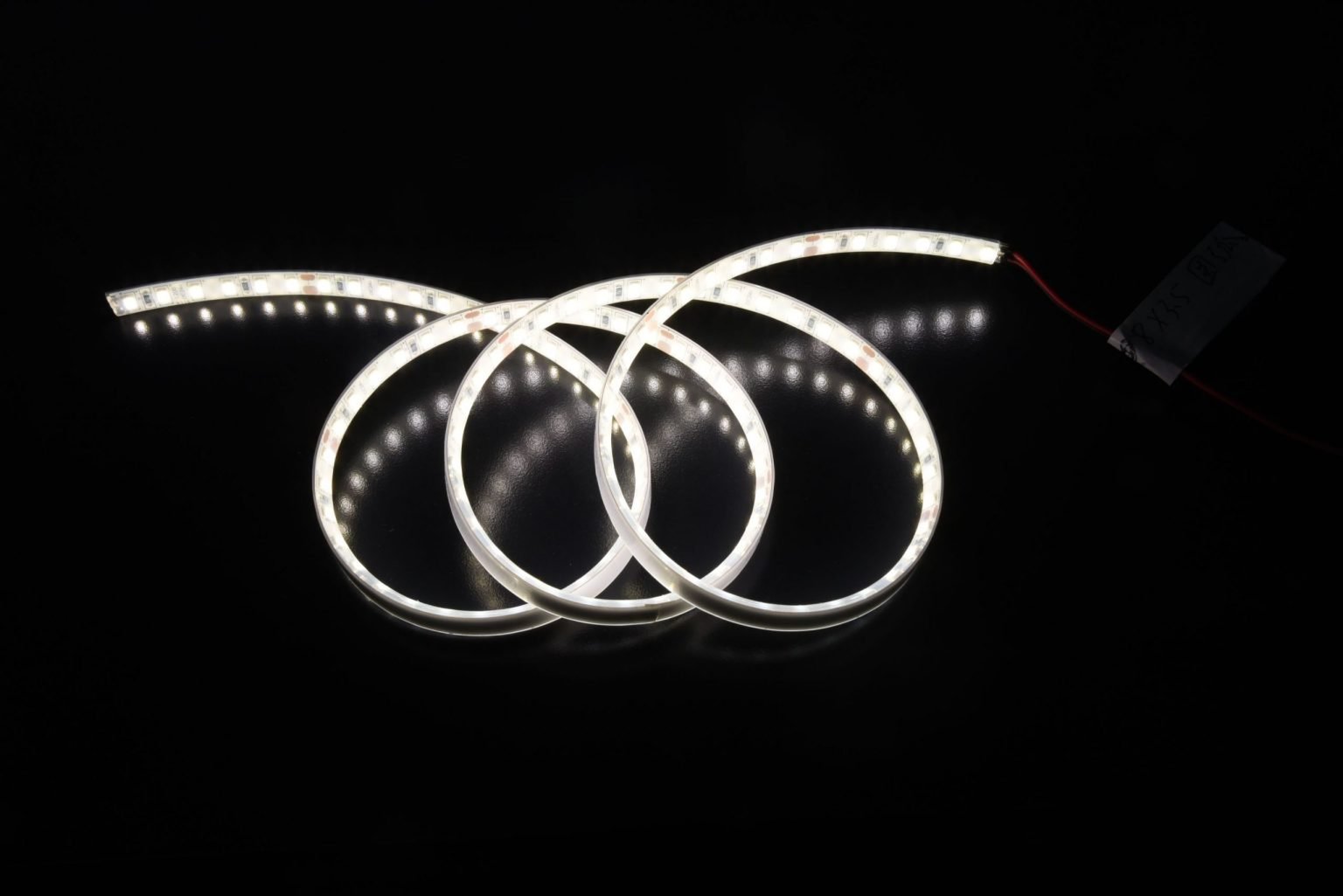
For LED linear lighting strips, buyers should document operating voltage, power consumption per meter, lumen output, color temperature, color rendering index (CRI), strip length, cutting intervals, and dimming compatibility where applicable. Environmental conditions also matter. Where moisture or dust exposure is expected, confirm the required ingress protection rating and verify that the proposed model has supporting test documentation.
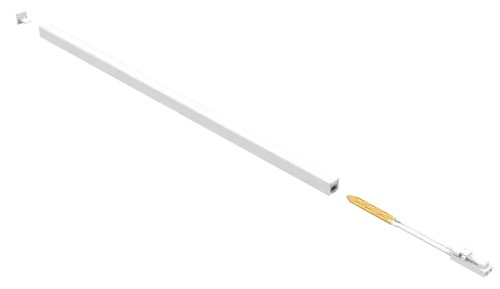
The same principle applies to complete luminaires. Check dimensions, mounting arrangements, optical performance, driver compatibility, and applicable electrical requirements before approving a model. Our approach to linear lighting solutions starts with the project’s intended use and required configuration, rather than assuming one product will suit every installation.
3. Evaluate Quality Assurance Beyond the Sample
A sample can demonstrate a product’s appearance and basic performance, but it cannot establish whether every production batch will meet the same standard. Before placing a bulk order, ask about incoming component inspection, in-process checks, finished-product testing, and procedures for handling defects. Request written acceptance criteria so both parties understand how product conformity will be assessed.
For strip lighting, useful checkpoints include solder-joint condition, electrical continuity, light output, color consistency, and the integrity of waterproof processing when applicable. Buyers should also ask how production batches are identified and how changes to components or specifications are approved. These measures help reduce discrepancies between the approved sample and subsequent deliveries.
We recommend evaluating the supplier’s actual processes and records instead of relying exclusively on general quality claims. For LED linear lighting strips, agree on the final specification before production and establish a process for reviewing samples, inspection results, and any proposed product changes.
4. Check Customization and Product Range
Different projects may require different lengths, lighting outputs, mounting methods, housing designs, or packaging formats. Distributors may prioritize consistent models for their catalogues, while contractors may need specific dimensions and accessories to suit a project design. A factory that understands these differences can help buyers coordinate product selection without treating every request as an entirely separate sourcing exercise.
When evaluating linear lighting solutions, ask which elements can be customized, which options are already standardized, and whether modifications affect tooling, minimum order quantities, pricing, or lead times. Clarify whether the supplier can support both strip products and complete luminaires if your project requires both.
Our dedicated luminaire production lines have a monthly capacity of up to 10,000 pieces, complementing our LED strip manufacturing operations. This production structure gives buyers a basis for discussing standard fixtures and customized linear lighting projects with one manufacturing partner. Final customization scope and feasibility should be confirmed against the specific design, order volume, and technical requirements.
5. Compare Lead Times, Pricing, and Supply Continuity
The unit price does not necessarily determine the total procurement cost. Buyers should compare quotations alongside freight, packaging, accessories, inspection arrangements, warranty terms, and the potential cost of delays or replacement products. A slightly higher quotation may be more practical if it offers clearer specifications and a delivery schedule that matches project needs.
Ask suppliers to separate sample approval, material preparation, production, inspection, and shipping estimates. Confirm how they handle urgent orders, forecast changes, and repeat purchases. For larger projects, a written production schedule and clear communication process can help purchasing teams coordinate site readiness with incoming stock.
Factory capacity is particularly relevant when ordering LED linear lighting strips in substantial quantities or planning recurring replenishment. Our monthly output of approximately 1.5 million meters provides a useful starting point for capacity discussions, but actual availability depends on the product configuration, current production commitments, and order requirements. Buyers should obtain a project-specific quotation and delivery confirmation rather than assuming that headline capacity guarantees immediate shipment.
Build a Stronger Sourcing Partnership with LEDIA Lighting
Choosing a factory-backed supplier means looking beyond the initial quotation to assess production capability, technical suitability, quality assurance, customization, and delivery reliability. A structured evaluation helps procurement teams reduce avoidable risks and make decisions based on measurable project requirements.
At LEDIA Lighting, we combine automated strip manufacturing with dedicated luminaire production capacity to support different purchasing needs. By discussing specifications, order volumes, and project schedules with us early, buyers can evaluate suitable linear lighting solutions and establish a clearer path from product selection to delivery.