Furniture lighting has become an important part of modern residential, hospitality and retail design. From illuminated wardrobes and kitchen cabinets to display shelves and custom storage units, integrated lighting improves visibility while adding visual depth to furniture. However, different furniture structures require different lighting arrangements. Planning a flexible system means considering strip dimensions, cutting methods, connection options, light quality and installation requirements before production begins.
For furniture manufacturers, lighting contractors and project designers, selecting suitable LED light strips for furniture can also influence installation efficiency and project costs. At LEDIA Lighting, we develop linear lighting solutions that support different furniture configurations, including our built-in aluminum profile F01 series.
Identify the Furniture Structure and Lighting Purpose
The first step is to understand the furniture layout. Wardrobes may require vertical illumination along side panels, while kitchen cabinets often need horizontal lighting beneath shelves. Retail display units may combine several lighting directions to highlight products from different angles.
Consider whether the lighting will be recessed, surface-mounted or integrated into an existing profile. Also measure the available installation space, including groove width, depth and cable access. These details help determine whether a standard strip or a customized configuration is more practical.
Choose Between Straight and Curved Lighting Layouts
Not every furniture project follows a straight installation path. Rounded shelves, curved cabinets and decorative furniture details may require lighting that follows a non-linear shape.
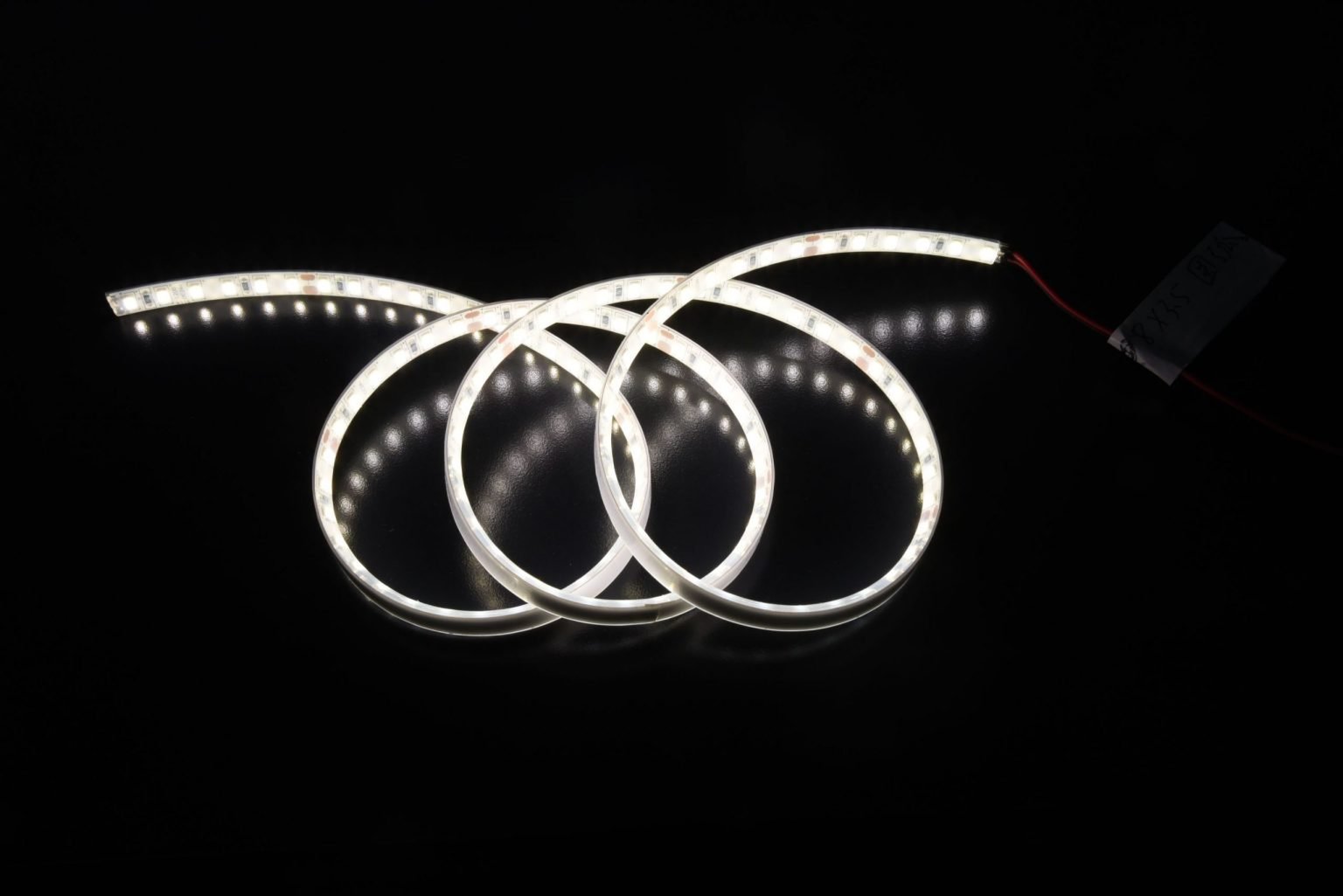
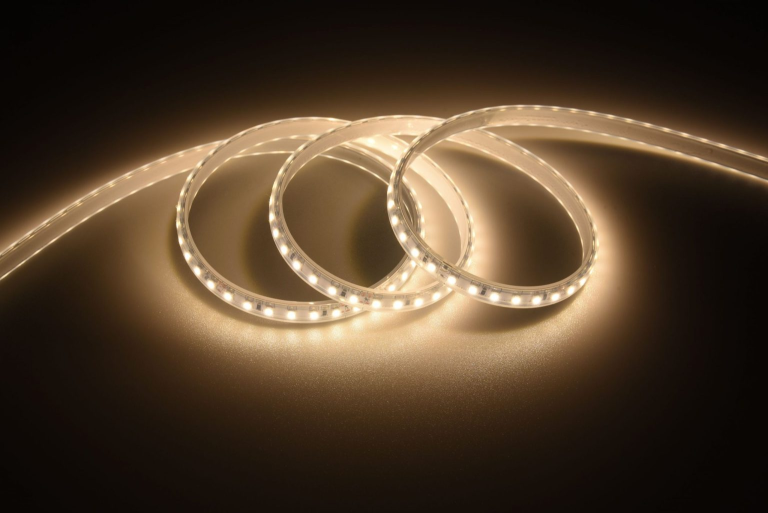
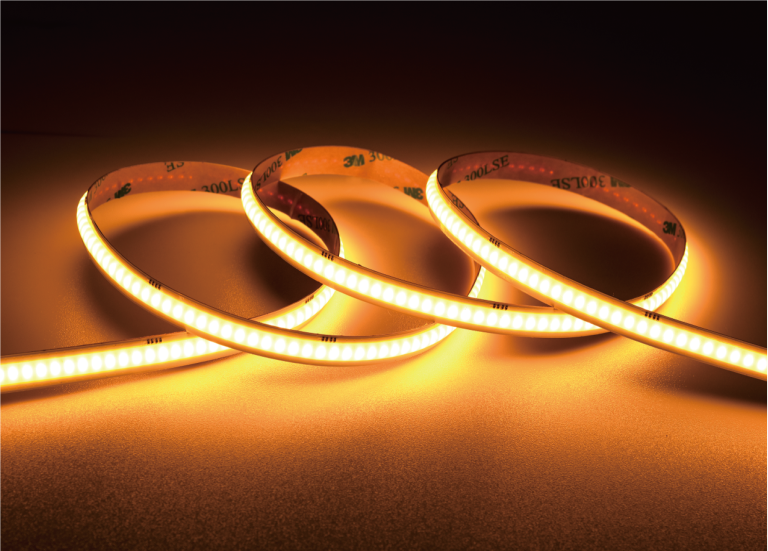
A bendable LED strip can accommodate suitable curves and corners, making it useful for furniture with rounded edges or irregular contours. However, flexibility does not mean unlimited bending. Buyers should check the manufacturer’s minimum bending radius and distinguish between horizontal bending and vertical folding. Sharp creases can damage internal conductors and affect long-term performance.
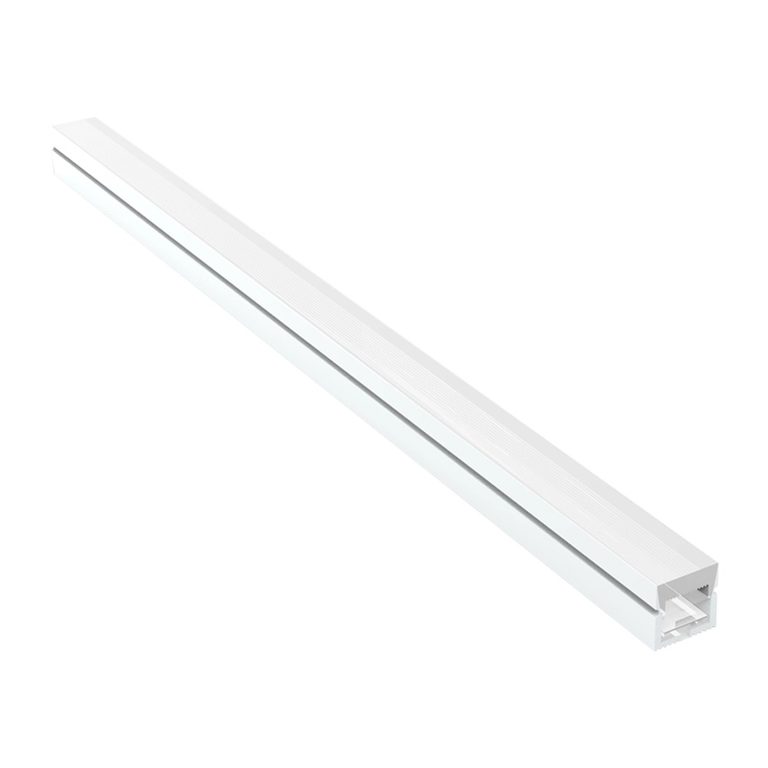
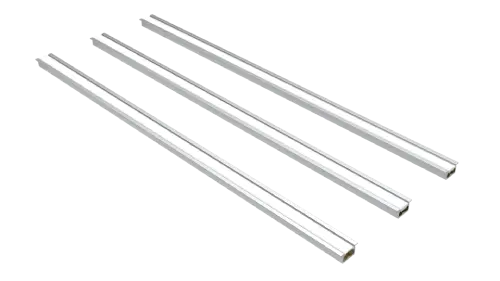
For straight cabinet edges and built-in furniture grooves, aluminum profile solutions may provide a more structured appearance. The choice should reflect the furniture geometry rather than assuming one product can serve every installation condition.
Plan Cutting and Connection Requirements Early
Furniture dimensions are rarely identical across every section of a project. Even within one wardrobe system, individual shelves, compartments and decorative panels may have different lengths. A suitable cutting method therefore helps installers adapt lighting to actual dimensions without unnecessary material waste.
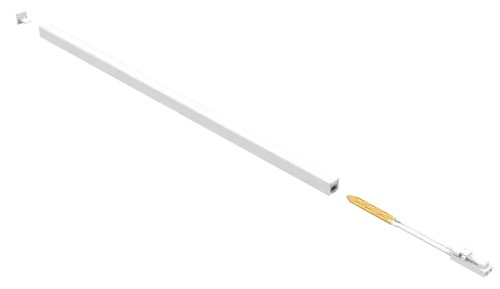
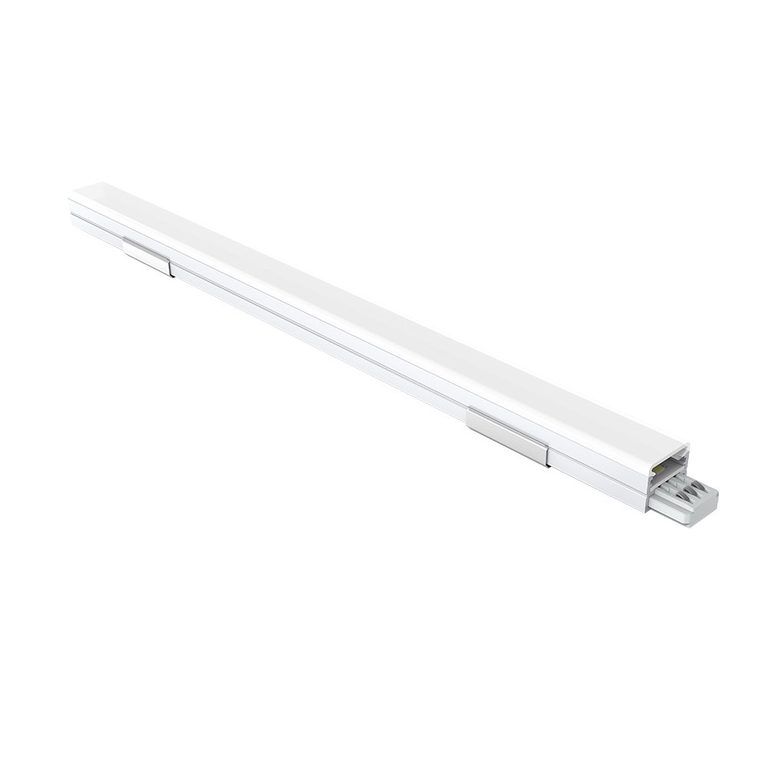
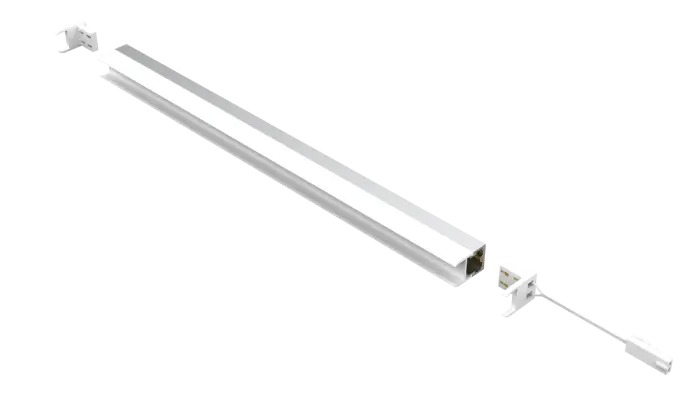
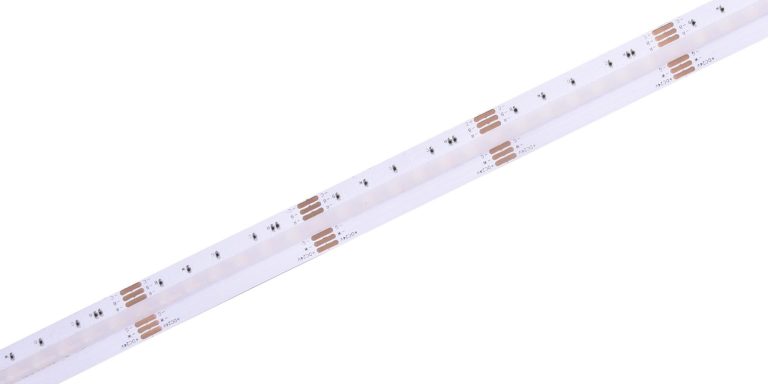
Our Built-in and Free Cutting Aluminum Profile Strip Light F01 addresses this requirement. Its patented design features a quick plug-in terminal and supports free cutting to meet different installation requirements. The soldering-free connection simplifies assembly, while available lengths of up to three meters help reduce material waste and installation labor.
For manufacturers handling multiple furniture sizes, these features make LED light strips for furniture easier to incorporate into standardized production workflows. Before ordering, confirm the cutting procedure, connection positions and required cable lengths with the product specifications.
Select a Suitable Connection and Installation Method
Connection design affects both installation efficiency and future maintenance. Traditional soldered connections may require additional tools, skilled labor and more preparation time. For projects involving numerous cabinets or repeated furniture units, simpler connection methods can reduce installation complexity.
F01 incorporates a patented quick plug-in terminal, allowing installers to connect the lighting without soldering. This approach is particularly useful for furniture manufacturers seeking consistent assembly procedures across production batches.
When specifying a bendable LED strip for curved furniture sections, also consider how individual sections will connect around corners. Plan connector positions and cable routing before furniture assembly. Avoid forcing strips around sharp corners or placing connection points where they may experience mechanical stress.
Consider Color Temperature and Color Rendering
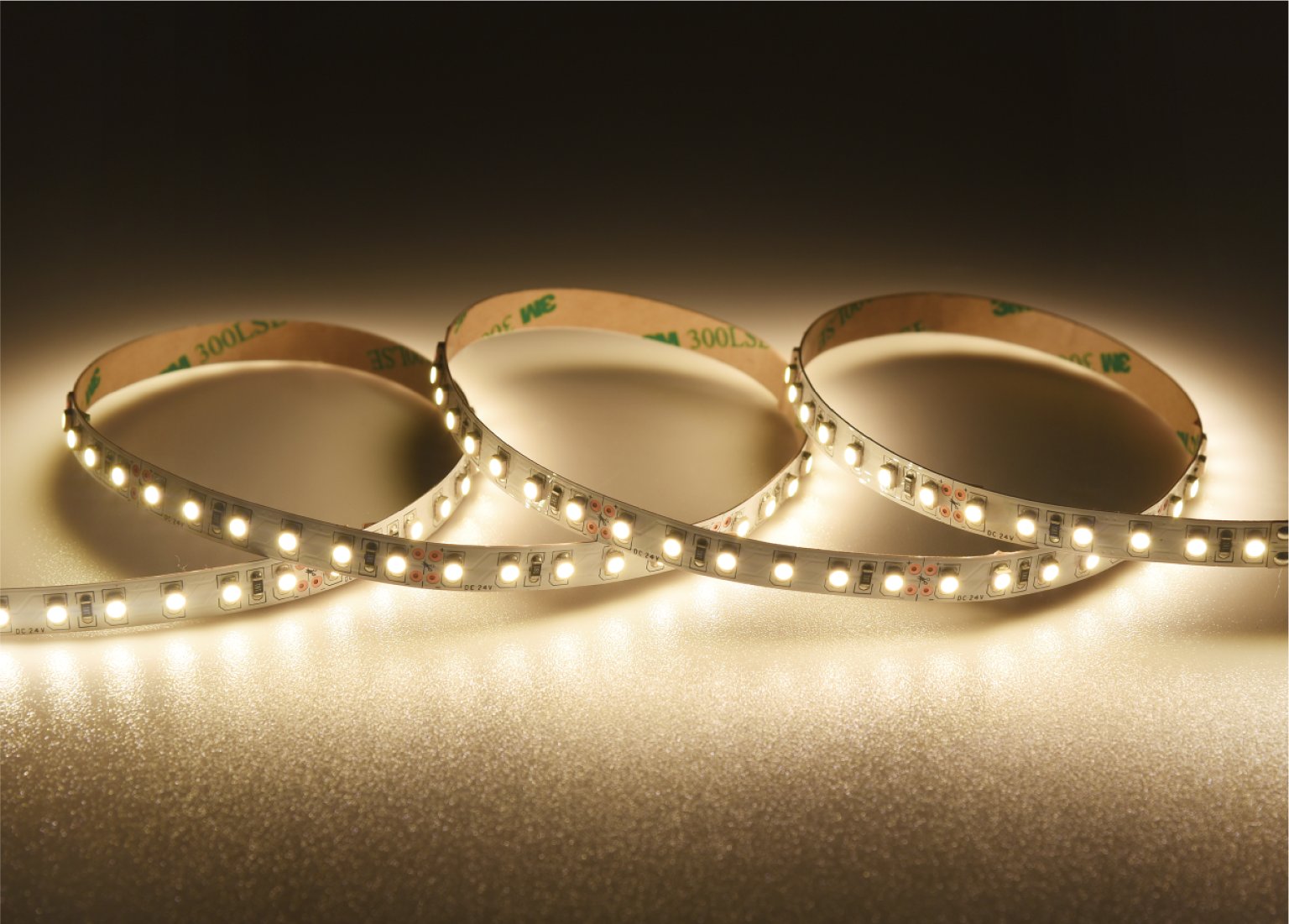
Furniture lighting should complement the materials and activities within a space. Warm white lighting can create a comfortable atmosphere in bedrooms and hospitality interiors, while neutral white may be more appropriate for kitchen workspaces and retail displays.
Color temperature adjustment provides additional flexibility. Our F01 series supports two-wire CCT, allowing different lighting atmospheres to accommodate various applications and preferences. This feature is useful for projects where furniture lighting needs to coordinate with different interior styles.
Color rendering is equally important. F01 offers a high CRI above Ra90, helping furniture finishes, clothing and displayed products appear more natural under illumination. For project designers, LED light strips for furniture with high color rendering can support more accurate visual presentation, particularly in wardrobes, closets and retail environments.
Coordinate Lighting with the Furniture Production Process
Lighting should be considered during furniture design rather than added as an afterthought. Early coordination allows manufacturers to reserve space for profiles, wiring, power supplies and connection terminals. It also reduces the likelihood of modifying finished panels during installation.
A bendable LED strip may be appropriate for decorative curves, but its dimensions and bending limitations should be included in the technical drawings. For straight built-in applications, F01 provides a free-cutting aluminum profile solution with quick plug-in connections.
We recommend preparing a lighting layout that identifies each illuminated section, its length, installation position and connection method. Manufacturers should also verify electrical compatibility, cable accessibility and maintenance requirements before mass production.
Build a More Adaptable Furniture Lighting Specification
A flexible furniture lighting project begins with clear technical requirements. Designers should evaluate furniture geometry, installation dimensions, cutting flexibility, connection methods, CCT options and color rendering together. This approach makes it easier to select suitable products for different furniture structures without compromising installation efficiency.
At LEDIA Lighting, we provide linear lighting and customized solutions for furniture, cabinet and retail applications. Our F01 built-in aluminum profile strip light combines free-cutting installation, patented quick plug-in connections, two-wire CCT and CRI above Ra90. Whether a project requires straight integrated lighting or a bendable LED strip for curved details, we help project teams evaluate suitable configurations based on their installation needs.