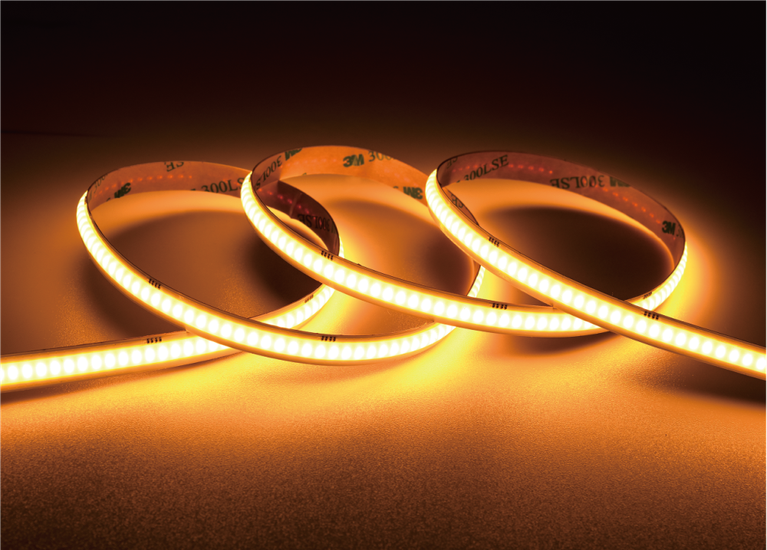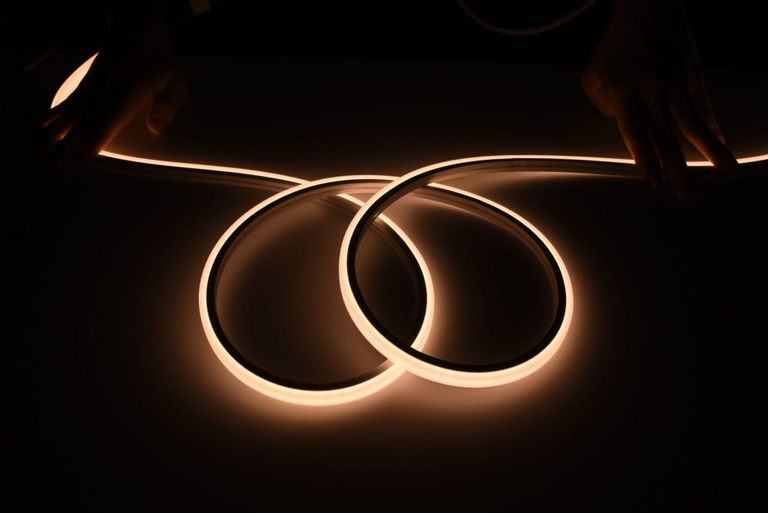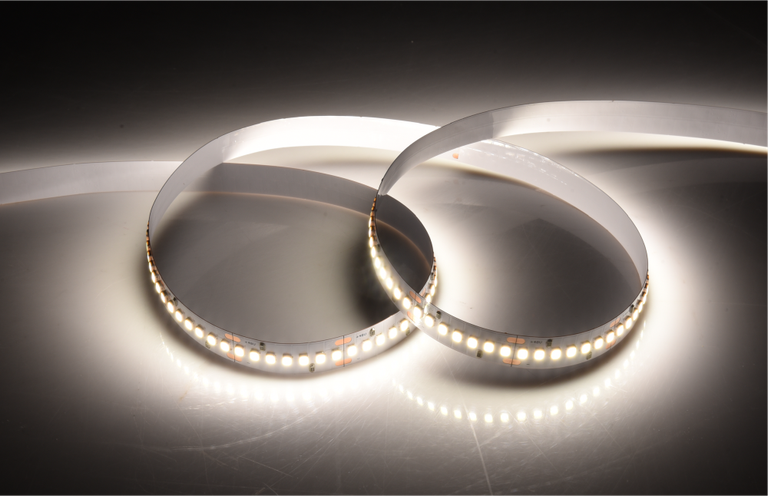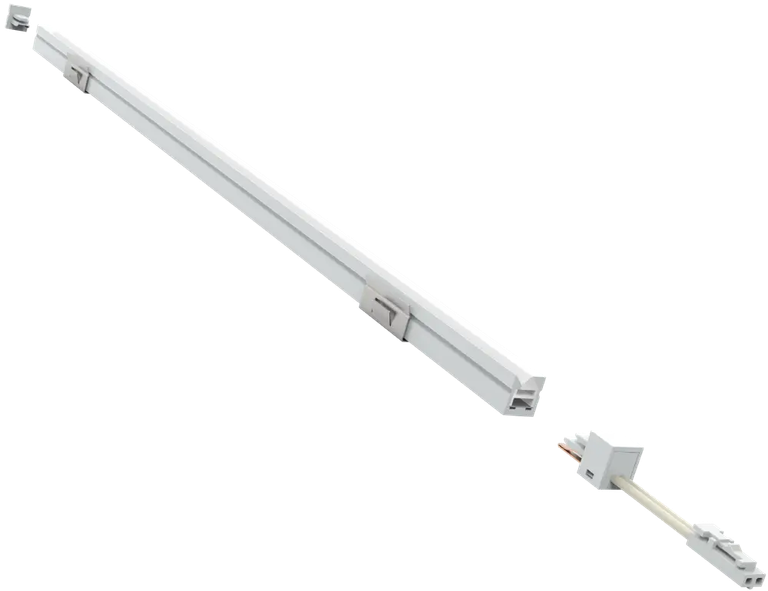
Selecting linear lighting for a commercial project is not simply a matter of choosing brightness, CCT, or strip dimensions. The same LED technology can create a refined architectural line in one space and an overly visible fixture in another. Design style determines how the light should appear, where it should sit, and how closely it needs to follow the building’s geometry.
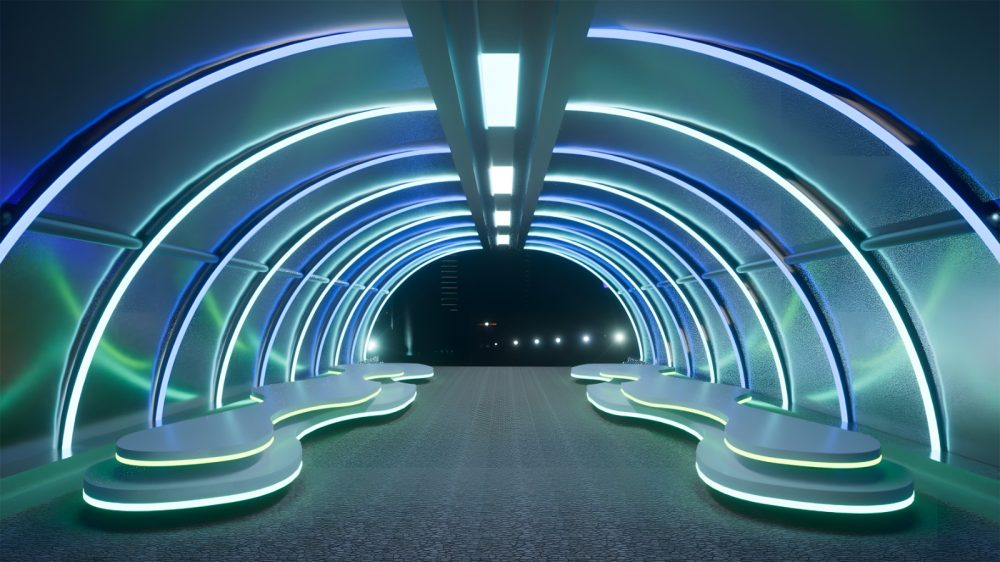
Successful LED strip light projects therefore begin with the visual character of the space. Minimalist interiors, luxury hospitality environments, retail stores, curved structures, and contemporary commercial buildings each call for a different relationship between the light source and the architecture.
Minimalist Architecture Works Best With an Uninterrupted Light Line
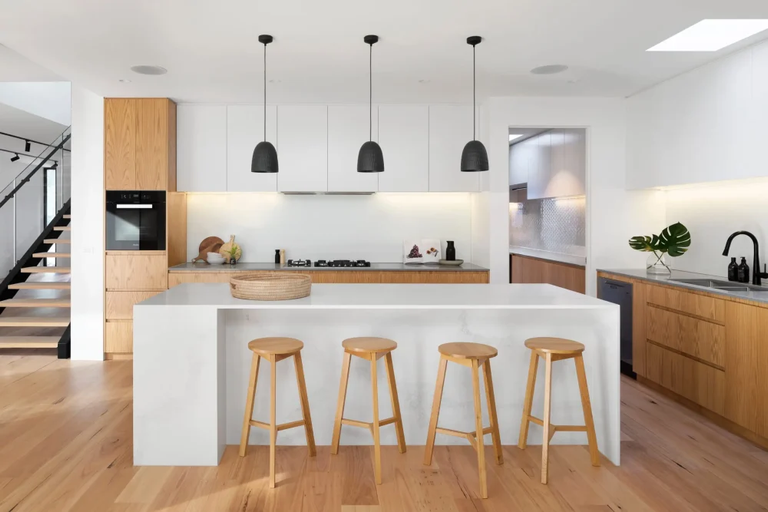
Minimalist design relies on clean geometry and limited visual elements. A visible strip with pronounced LED points can easily disrupt that composition, particularly when it is installed along a ceiling, wall recess, or architectural detail.
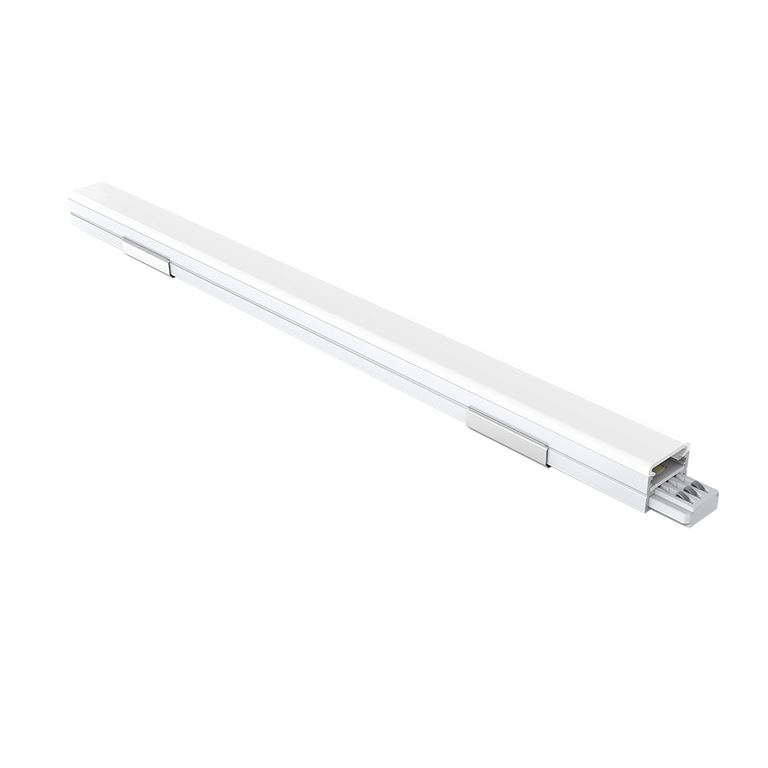
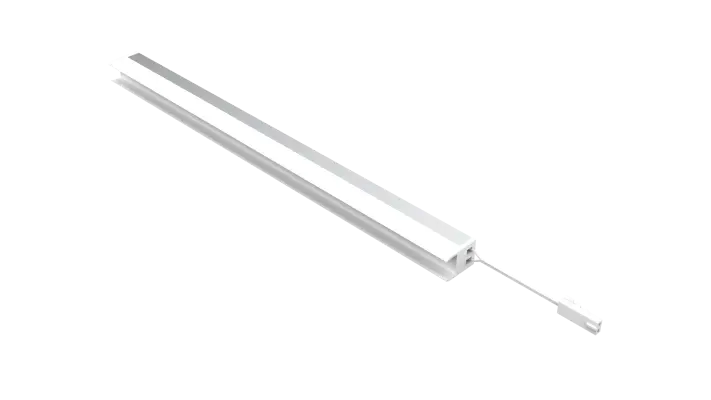
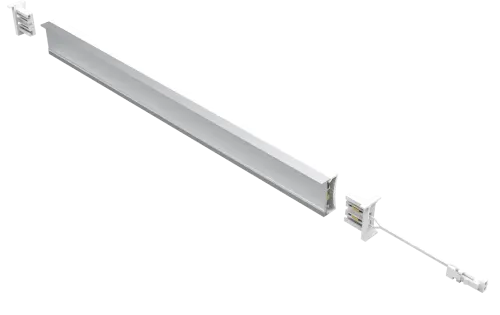
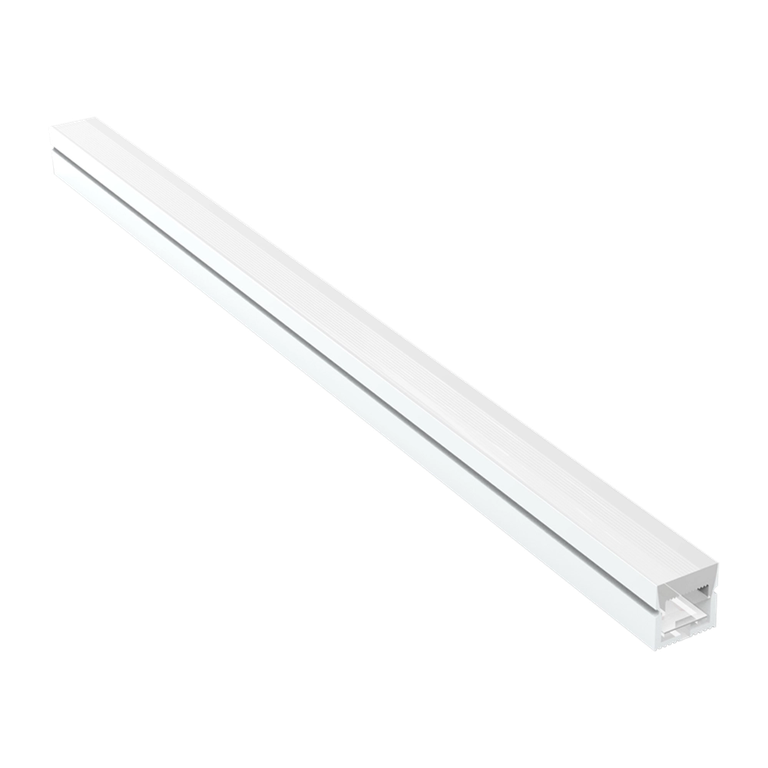
Concealed installation is often more appropriate. Placing the strip inside an aluminum profile, recessed channel, cabinet, or ceiling slot allows the illuminated line to remain visible while the hardware itself stays discreet.
Light uniformity becomes especially important here. A continuous architectural line should not appear segmented simply because individual LEDs are visible through a diffuser. Strip density, optical diffusion, profile depth, and installation distance all influence the final appearance.
The objective is therefore not maximum brightness. It is a controlled line of illumination that feels integrated into the architecture rather than added afterward.
Luxury Design Depends on How Light Reveals Materials
Luxury interiors create a different challenge because lighting interacts directly with premium finishes. Stone, timber, metal, glass, fabric, and decorative surfaces can all change in appearance according to the quality and direction of illumination.
Warm or neutral CCT selection should follow the intended atmosphere and surrounding materials. High CRI can also be relevant where accurate color appearance matters, particularly around retail displays, decorative finishes, artwork, and hospitality interiors.
Diffused linear lighting can create a softer visual transition across surfaces, while a more directional installation can emphasize edges, textures, or architectural depth. COB and high-density configurations may be considered where the project calls for a visually continuous light source.
Retail Architecture Needs the Light to Follow the Display
Retail environments often combine shelving, display cases, branded structures, circulation routes, and focal products. Linear lighting consequently needs to support the spatial hierarchy instead of producing the same effect everywhere.
A concealed strip beneath a shelf can highlight merchandise without becoming a visual feature. A vertical installation can emphasize product height, while a continuous ceiling line may guide movement through the store.
Curved displays introduce another variable. The lighting needs to follow the physical form without visible breaks or awkward transitions. Bend direction, minimum bend radius, profile geometry, and cutting intervals can become decisive when the design includes rounded corners or flowing forms.
For LED strip light projects in retail spaces, product selection should therefore follow the display geometry first. The lighting effect becomes more predictable once each illuminated element has a clearly defined visual role.
Curved Forms Require More Than a Flexible Strip
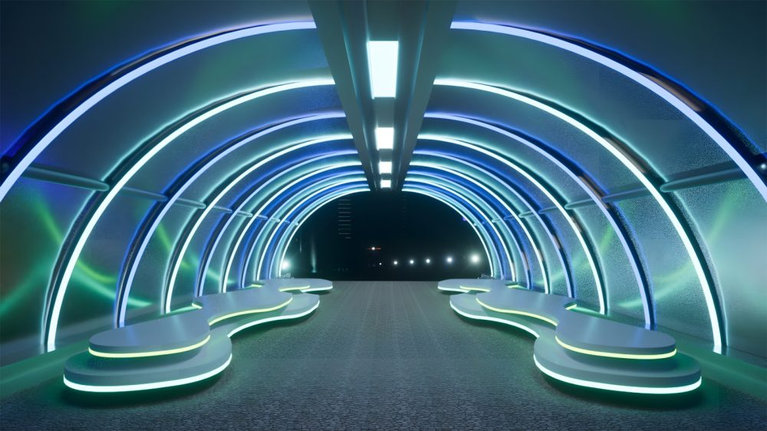
Organic architecture, sculptural ceilings, rounded furniture, and flowing signage create requirements that are difficult to solve with rigid linear fixtures. Flexibility becomes part of the design specification rather than simply a product feature.
A flexible strip still needs to respect the physical path of the installation. Bending direction, radius, mounting method, profile shape, and surface orientation can all affect whether the finished light line looks smooth.
Sharp changes in direction may require a different construction from a broad architectural curve. Similarly, a product suitable for a horizontal bend may not be appropriate when the design requires a vertical bend.
Project drawings should therefore show the actual lighting route before the final strip configuration is determined. We at LEDIA Lighting can use this information to evaluate dimensions and customization requirements instead of relying on a generic flexible product.
Contemporary and Industrial Spaces Can Make Lighting Visible
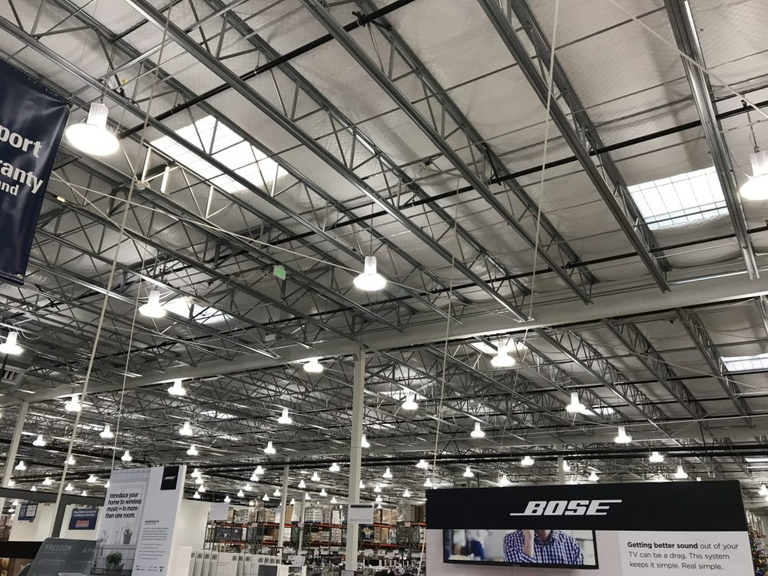
Concealed lighting is not automatically the correct choice for every modern project. Industrial and contemporary interiors may deliberately expose linear fixtures as part of the architectural composition.
Suspended fixtures, visible profiles, geometric lines, and directional illumination can complement concrete, steel, glass, and exposed structural elements. In these situations, the physical appearance of the lighting system becomes part of the design language.
Scale is particularly important. An oversized profile can dominate an otherwise refined interior, while a fixture that is too visually subtle may fail to establish the intended architectural rhythm.
The specification should consequently consider the fixture itself as a design element, including its profile, mounting arrangement, proportions, and relationship with surrounding structural lines.
Outdoor Styles Must Balance Geometry With Site Conditions
Exterior architectural lighting has to preserve the visual concept while accommodating exposure to the installation environment. Façades, canopies, landscape structures, signage, and public spaces can each require different linear configurations.
A precise façade composed of straight horizontal lines may need a rigid or carefully profiled linear system. A landscape feature with organic curves may instead require a flexible construction that can follow its shape.
Environmental requirements should be resolved alongside the architectural geometry rather than afterward. Water exposure, installation position, maintenance access, and enclosure construction can influence the appropriate product configuration.
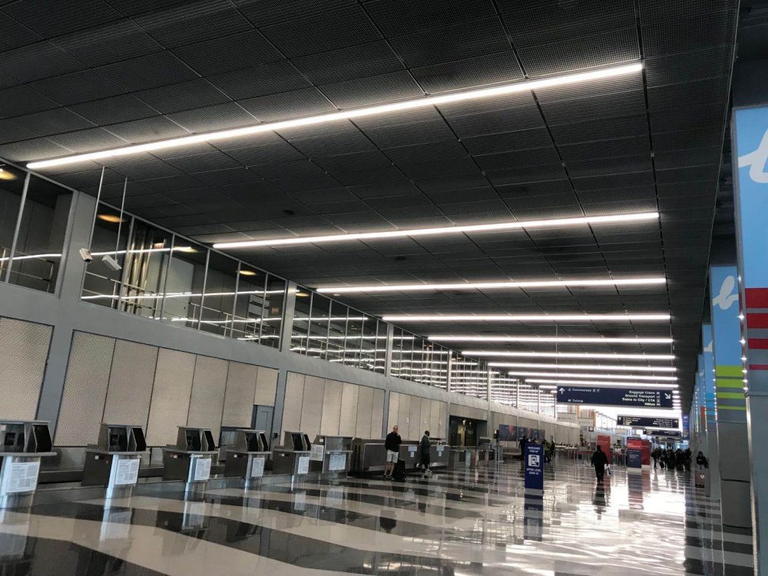
The distinction becomes particularly clear with public street lighting. Unlike decorative façade or landscape illumination, street lighting is primarily an infrastructure system with functional requirements that determine its design. Reference projects from LEDIA include roads, parks, stations, warehouses, and other public or commercial environments, illustrating how different project contexts require different lighting approaches.
Custom Specifications Should Follow the Design Language
Once the architectural style is established, the project team can translate the visual concept into measurable requirements. Strip width, CCT, CRI, output, bending direction, profile dimensions, control method, and installation details can then be evaluated against the drawings.
That connection is particularly useful during coordination between architects, engineers, contractors, and manufacturers. A specification such as “continuous illuminated curve” describes the desired appearance, but production also needs physical dimensions, bending requirements, power arrangements, and mounting information.
When standard strip dimensions cannot accurately reproduce the desired light line, we at LEDIA Lighting step in to utilize project drawings and specific installation conditions, developing a bespoke configuration designed precisely around the architectural detail.
Match the Lighting Character to the Architecture
Different design styles do not necessarily require different LED technologies. They require different ways of integrating that technology into the finished environment.
Minimalist projects tend toward concealed, uniform illumination. Luxury spaces place greater emphasis on material appearance and color quality. Retail installations need to follow displays and visual hierarchy, while curved architecture introduces mechanical constraints. Contemporary and industrial interiors may intentionally expose the fixture, whereas exterior and public street lighting projects must combine architectural intent with environmental and functional requirements.
The most effective LED strip light projects begin with the question, “How should the finished light look within this architecture?” Once that answer is clear, product dimensions, optics, color, flexibility, and customization can be selected around it. That sequence keeps the lighting subordinate to the design when it should be—and makes it a deliberate architectural feature when it should not.