Lighting specifications should begin with the space, not with a product catalogue. A factory floor, retail store, living room and outdoor façade place different demands on illumination, installation and durability. Selecting custom light fixtures means translating these demands into practical decisions about brightness, distribution, color quality, dimensions, controls and environmental protection. A well-matched solution supports daily activities while contributing to the appearance and functionality of the space.
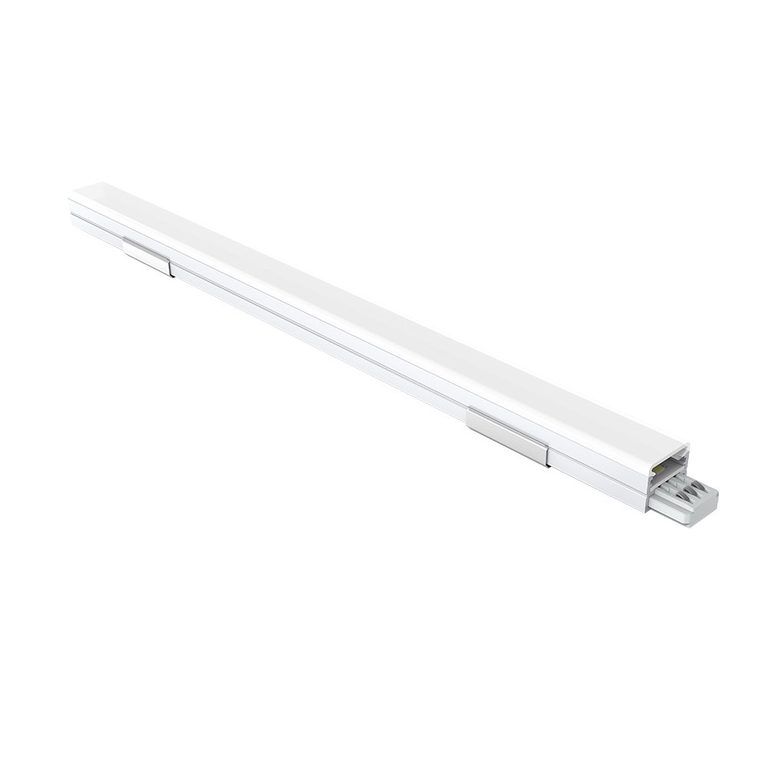
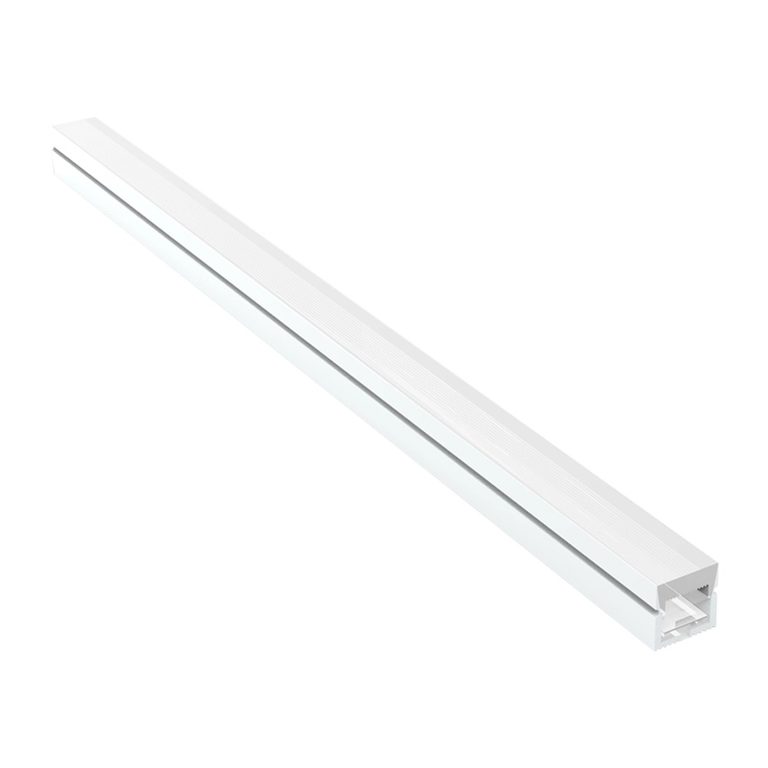
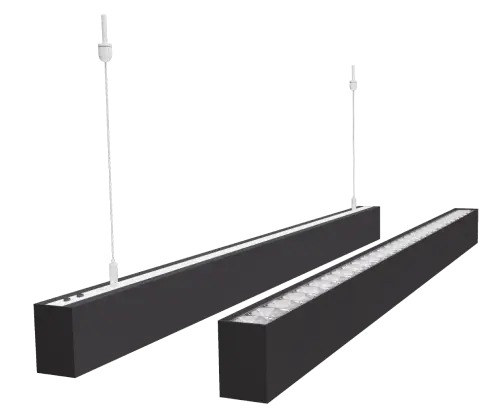
For contractors, distributors, architects and facility managers, the challenge is to balance performance with installation conditions and project budgets. At LEDIA Lighting, we provide customizable LED strip lights and linear fixtures for industrial, commercial, residential and outdoor applications. A clear project brief helps us identify the most suitable product characteristics.
Begin with the Function of Each Space
Start by defining what people need the lighting to accomplish. Industrial production areas may require consistent illumination across workstations and inspection points. Commercial spaces often combine general lighting with accent or display lighting. Residential projects balance task visibility with comfort, while outdoor installations must address visibility and weather exposure.
Avoid specifying every area with the same output or fixture type. Map the main tasks, ceiling height, mounting surfaces and operating hours. This creates a practical basis for comparing the best customizable LED strip lights and other linear products for each zone.
Industrial Areas: Prioritize Reliability and Maintenance
Factories, workshops and production facilities can expose lighting to dust, humidity, vibration, temperature changes and long operating schedules. The exact conditions vary by process, so assess the environment rather than assuming every industrial space needs the same protection level.
Consider mounting height, required illumination, equipment layout and maintenance access. Where fixtures are difficult to reach, stable operation, service life and replaceability become important procurement considerations.
At LEDIA Lighting, we develop industrial lighting solutions for demanding manufacturing environments, emphasizing reliable operation and low maintenance. Our product quality approach also incorporates environmental reliability and IP protection testing. These considerations help project buyers evaluate custom light fixtures for different industrial conditions.
Commercial Spaces: Balance Visual Comfort and Atmosphere
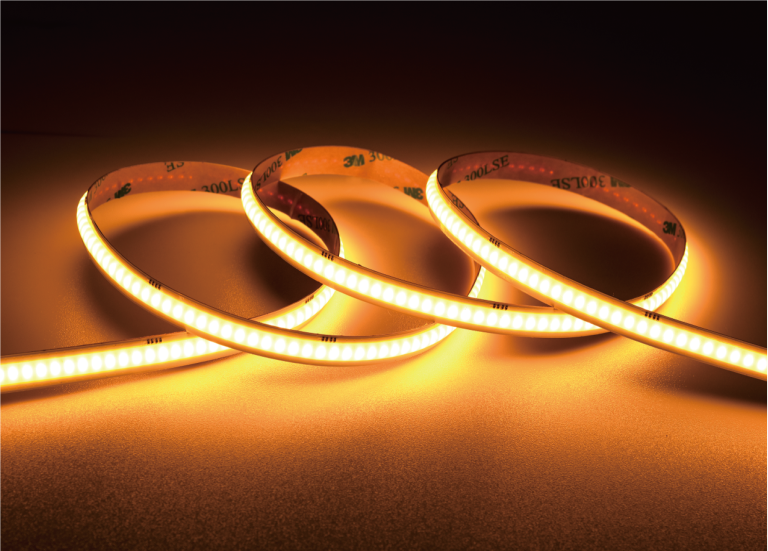
Offices, shops, showrooms and hospitality venues have different visual priorities. Offices need comfortable general illumination for desk work and screen use. Retail environments may use linear strips to emphasize shelves, signage and product displays. Restaurants and hotels often combine functional lighting with softer accents to shape the customer experience.
Specify color temperature, color rendering, glare control and dimming requirements according to the activity. For product displays, accurate color appearance influences how merchandise is perceived. For shared workspaces, consider uniformity and visual comfort rather than relying on brightness alone.
The best customizable LED strip lights should match the task and intended atmosphere, not simply offer the greatest number of options.
Residential Projects: Coordinate Lighting with Interior Design
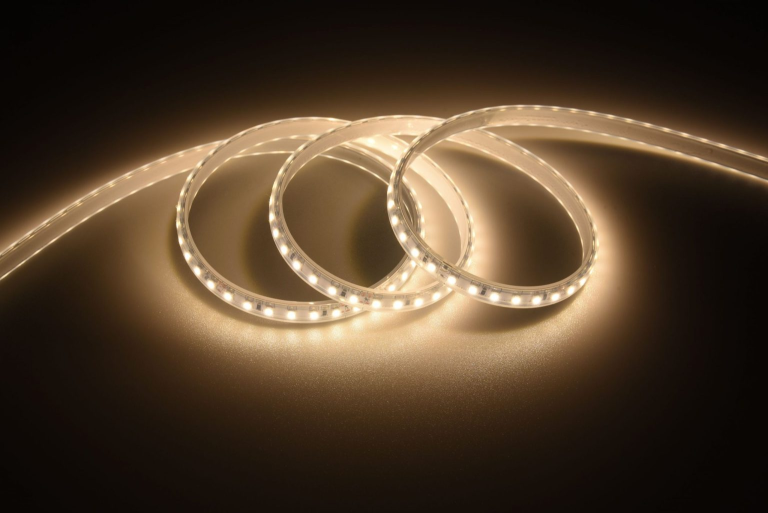
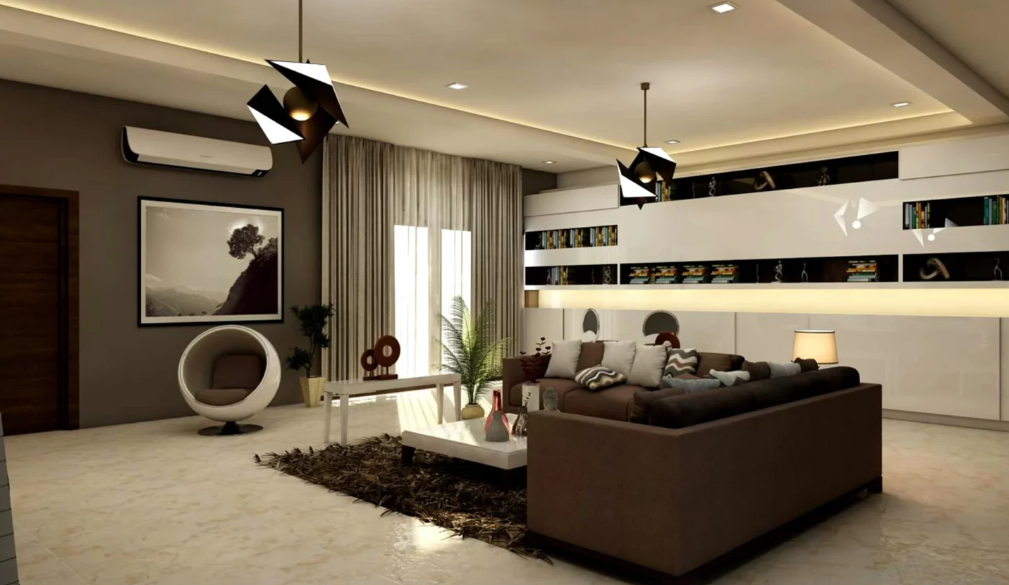
Homes contain several lighting layers. Kitchens need useful task lighting around counters and cabinets, while living rooms and bedrooms often benefit from softer indirect illumination. Wardrobes, shelves and furniture details may need compact strips that fit limited spaces.
Coordinate fixture dimensions, profile depth, wiring routes and control locations with cabinetry and interior drawings. Color temperature and dimming can help maintain consistency across connected rooms.
At LEDIA Lighting, we offer residential linear lighting and cabinet-light options. Depending on the selected product, customization possibilities may include brightness, color temperature, dimensions and color rendering. These options help designers coordinate lighting with different interior styles and functional requirements.
Outdoor Applications: Check Environmental Protection First
Outdoor projects face rain, moisture, dust, sunlight and changing temperatures. A strip intended for a sheltered architectural detail may not be suitable for an exposed façade, walkway or commercial exterior. Start by identifying water exposure, drainage, installation orientation and inspection access.
Check the complete assembly’s IP rating, including connectors, power supplies and cable entries. The rating of the LED strip alone does not establish the protection of the installed system. Also review operating-temperature limits, mounting materials and local electrical requirements.
We offer outdoor linear lighting and custom outdoor fixture options for architectural and commercial projects. Selecting appropriate protection specifications helps match the installation to its actual environmental conditions.
Turn the Brief into a Product Specification
Once the application is clear, record the technical requirements in a consistent format. Include dimensions, installation method, required light output, color temperature, CRI, voltage, dimming protocol, operating hours and environmental conditions.
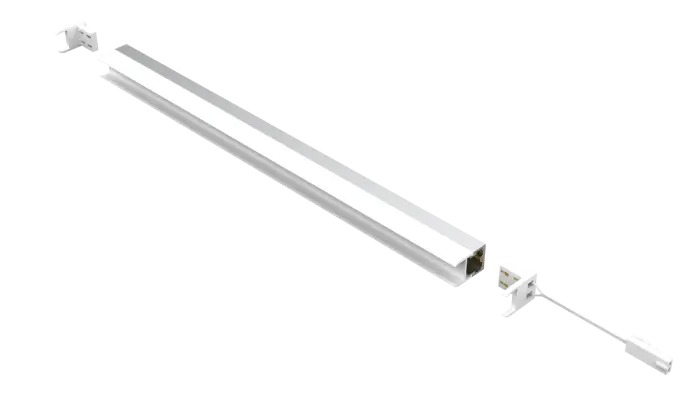
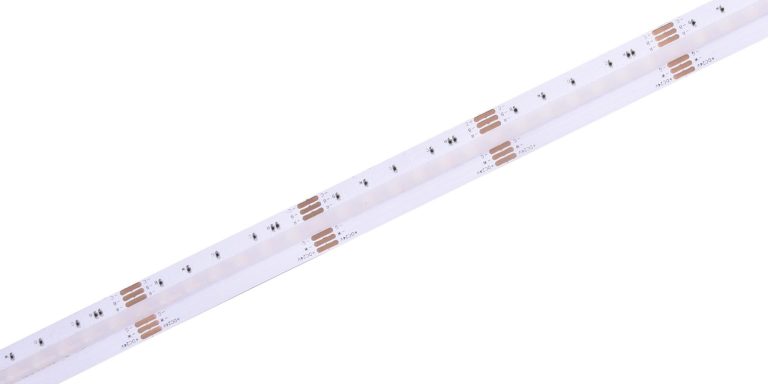
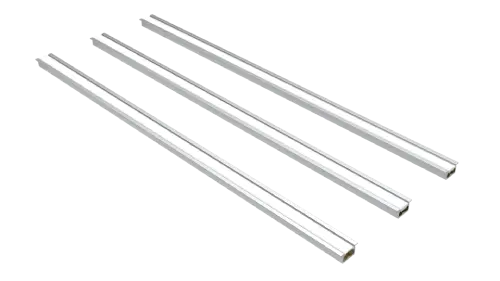
For strip lighting, specify cutting intervals, maximum run length, driver compatibility, connectors and profile requirements. Then compare shortlisted custom light fixtures against the same criteria. Ask suppliers which parameters are standard and which require customization. Request drawings or samples when appearance and physical fit are critical.
The best customizable LED strip lights are those that satisfy measurable project requirements while remaining practical to install, maintain and replace.
Work with a Supplier Before Finalizing the Design
Early supplier involvement can reveal technical constraints before they become costly site changes. Share layout drawings, installation photos, quantities, target dates and performance requirements. Request confirmation of product dimensions, electrical compatibility, protection ratings and testing documentation.
For larger projects, clarify sample approval, production consistency, packaging and after-sales support. At LEDIA Lighting, our customization process covers consultation, design, sample confirmation, mass production, delivery and after-sales service. Our manufacturing resources include more than 20 production lines and dedicated R&D and testing capabilities, supporting standard and customized linear lighting projects.
Match the Fixture to the Space, Not the Other Way Around
Successful lighting selection starts with understanding how each space is used and what conditions the fixture must withstand. Industrial, commercial, residential and outdoor projects should not be treated as interchangeable. Evaluating task requirements, visual quality, installation details and environmental exposure helps project teams develop specifications that are both functional and achievable.
We work with project partners to assess these requirements and identify suitable strip and linear lighting configurations. Whether a project calls for custom light fixtures for a demanding facility or flexible strip solutions for an interior feature, a detailed brief makes product selection more precise and helps the best customizable LED strip lights deliver value in their intended applications.