Choosing LED linear lighting for a commercial project involves more than comparing prices or wattage. Buyers need to assess light output, color quality, installation requirements, energy consumption, and long-term reliability. Whether sourcing components for a large installation or specifying complete fixtures for offices, retail spaces, or hospitality projects, a consistent evaluation process helps reduce purchasing risks and improve project outcomes.
For distributors, contractors, and lighting designers, the key is to compare products against the same requirements before making a decision. By reviewing performance data, application suitability, supplier capabilities, and quality assurance together, we can identify lighting solutions that meet project needs without paying for unnecessary features.

1. Start With the Application and Installation Environment
The first step is to define where the lighting will be installed and what it must accomplish. Offices often require comfortable, evenly distributed illumination, while retail displays may prioritize visual appeal and accurate color presentation. Warehouses and industrial facilities may place greater emphasis on durability, maintenance access, and consistent coverage across large areas.
We recommend documenting ceiling height, mounting method, available space, ambient conditions, and operating hours before comparing products. These details help narrow the selection and prevent mismatches between a product’s design and the project’s practical requirements.
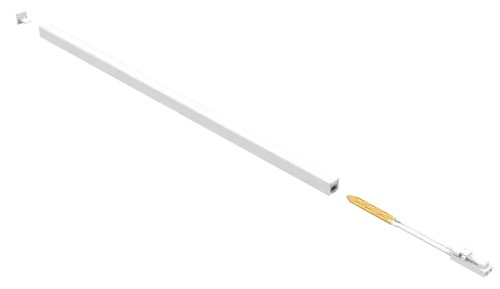
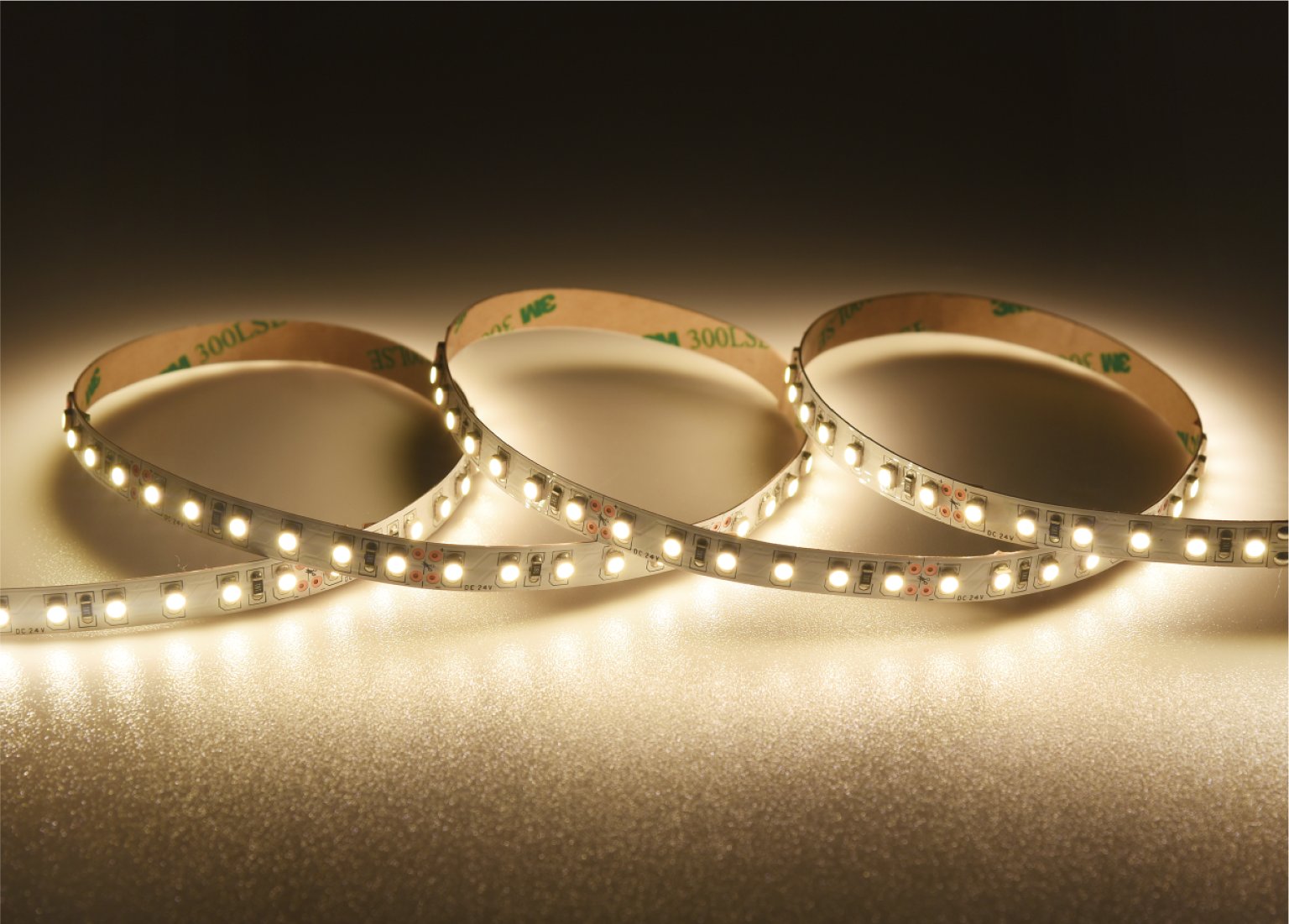
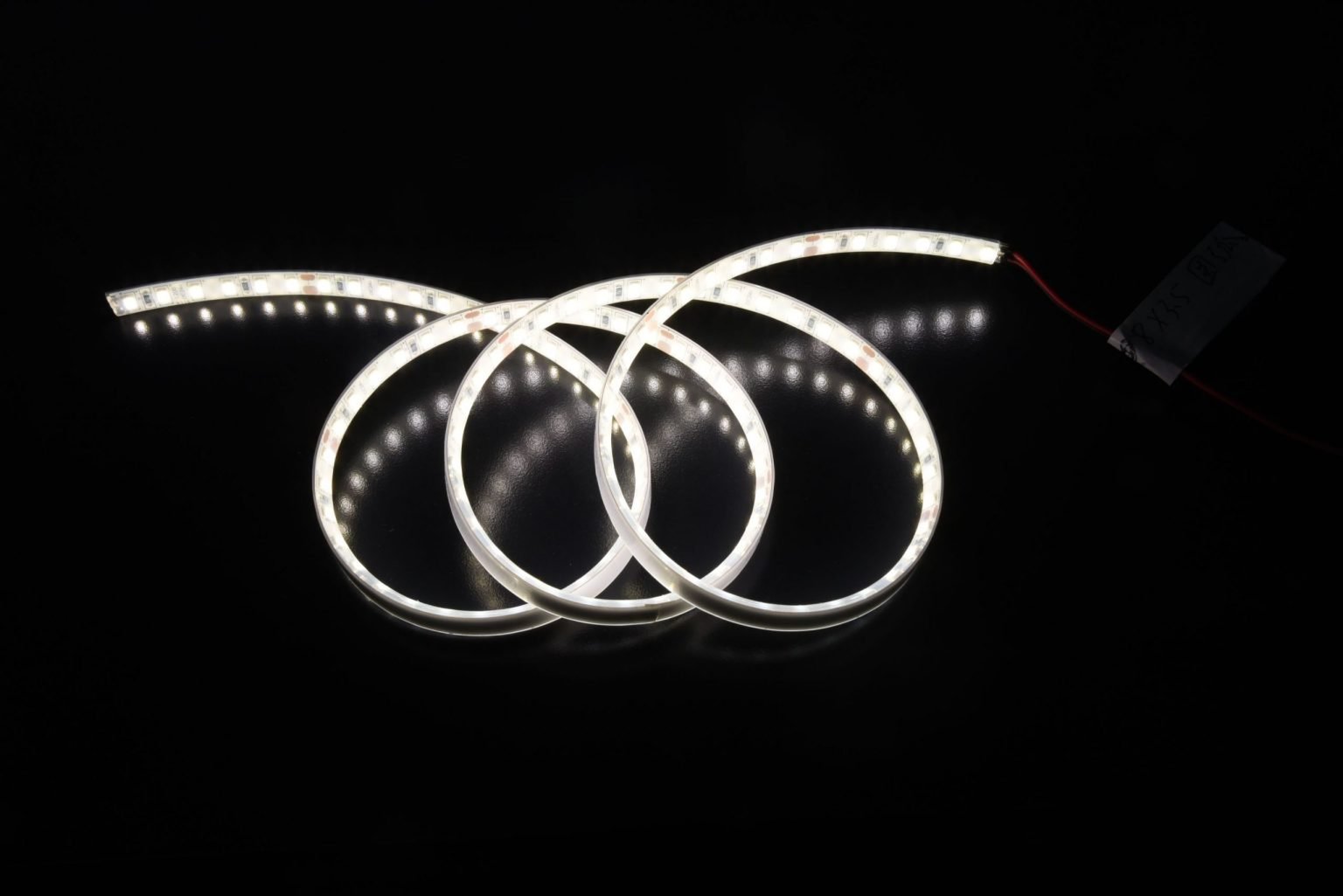
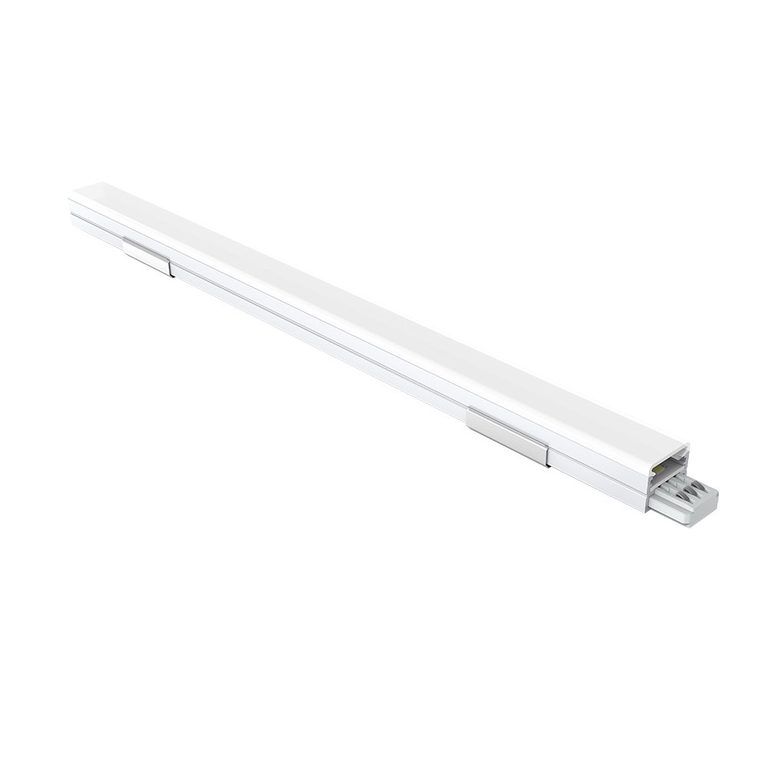
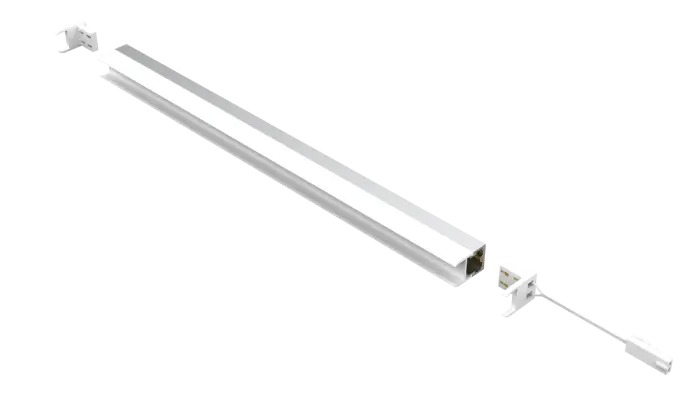
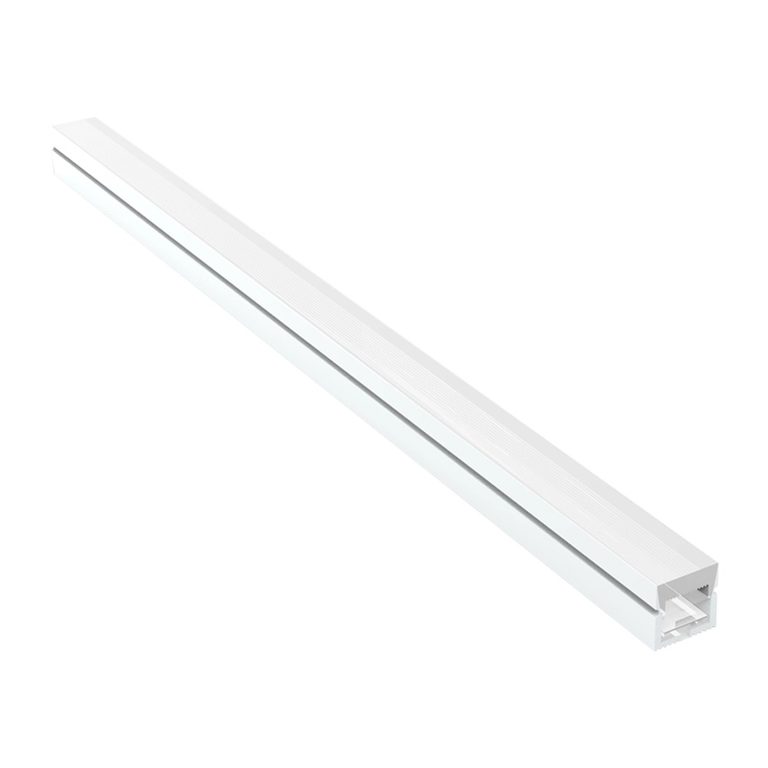
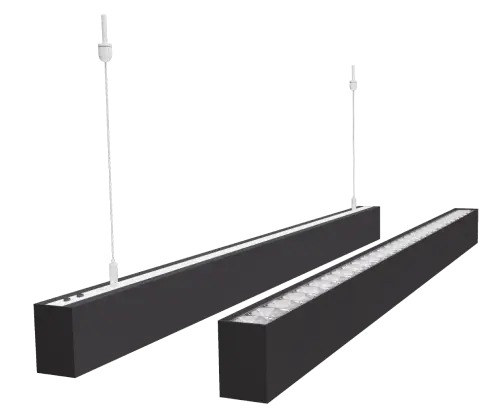
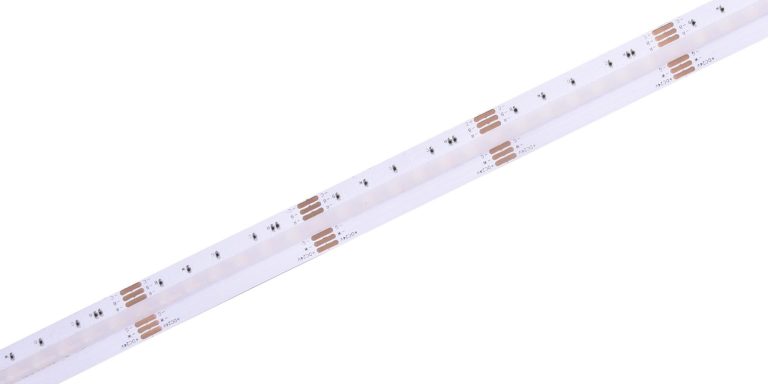
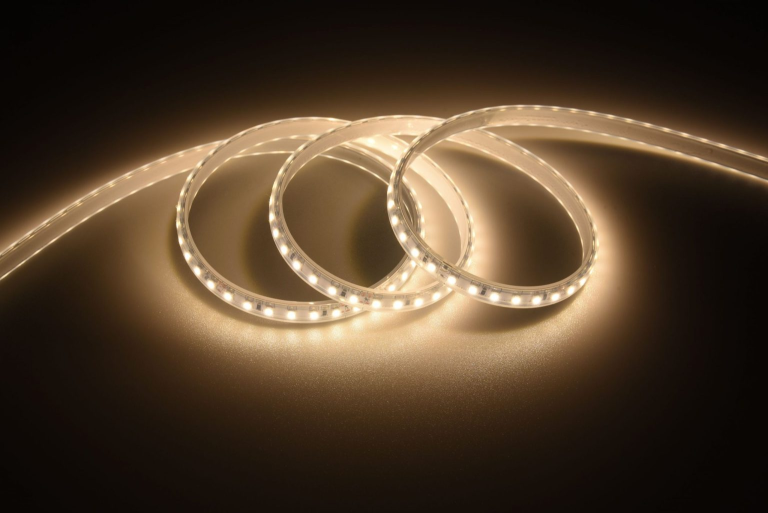
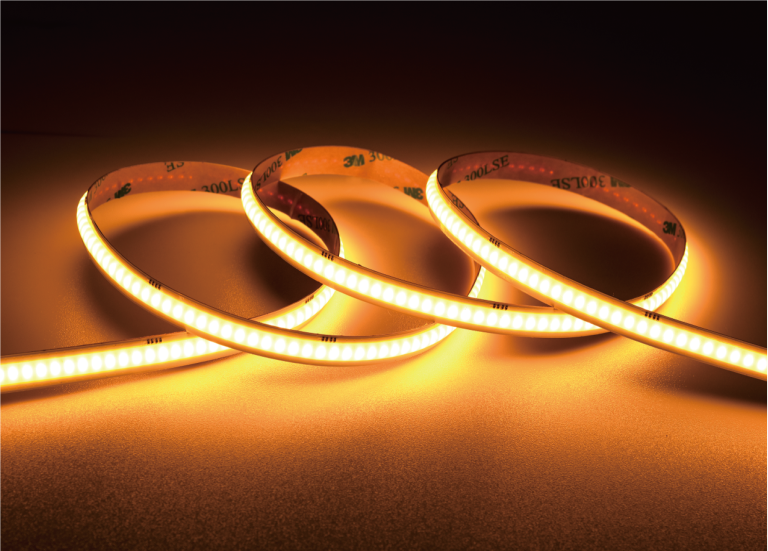
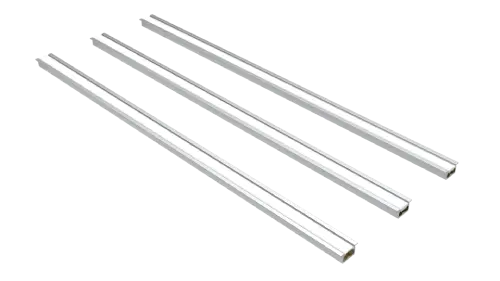
Flexible LED strips and complete linear luminaires serve different purposes. Strips are useful for concealed lighting, architectural details, cabinets, and customized installations. A complete LED linear light fixture may be more suitable when a project needs an integrated lighting unit for offices, corridors, commercial interiors, or industrial spaces. We should compare options within the same application category before evaluating individual models.
2. Compare Light Output, Efficiency, and Color Quality
Wattage alone does not tell buyers how effectively a lighting product illuminates a space. Lumens indicate total light output, while lumens per watt help compare energy efficiency. For projects with specific illumination targets, we should also examine beam distribution, mounting height, fixture spacing, and calculated illuminance.
Color temperature affects the appearance of a space. Warmer light can create a relaxed atmosphere, whereas neutral or cooler white light may suit work areas and contemporary commercial interiors. Color rendering index (CRI) is another useful measure when the accurate appearance of merchandise, materials, or finishes matters.
When comparing an LED linear light fixture, check the manufacturer’s photometric data rather than relying solely on promotional descriptions. Confirm that the output, distribution, color temperature, and CRI meet the project’s requirements. For strip lighting, also review the specified voltage, power consumption per meter, LED density, and available control options. These details make comparisons more meaningful and help avoid costly substitutions after installation.
3. Check Construction, Protection, and Compatibility
Product construction should match the physical demands of the installation. Indoor architectural lighting may prioritize compact dimensions and appearance, while damp, dusty, or exposed locations require suitable protection. Check the product’s stated IP rating against the actual environment instead of assuming that every strip or fixture is suitable for outdoor use.
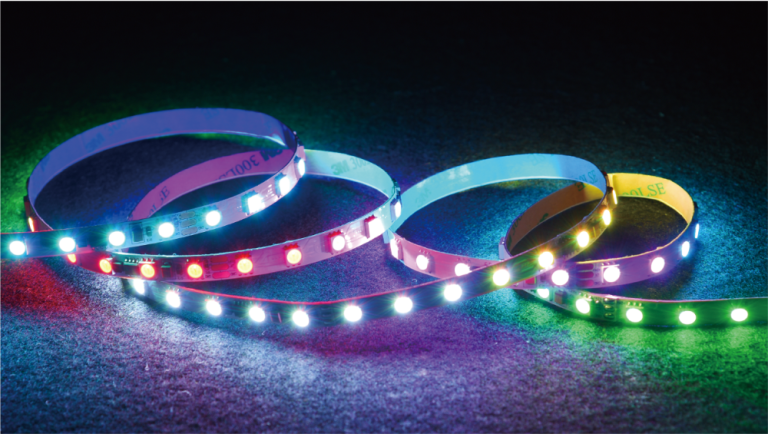
Compatibility is equally important. LED strips need an appropriate power supply, and dimming or color-tuning functions must work with the selected controller and driver. Buyers should verify cable lengths, connection methods, mounting accessories, cut points, and maximum continuous run lengths before placing an order.
For projects involving LED strip lights wholesale, consistent product specifications across batches are particularly important. Differences in color appearance, electrical requirements, or connection details can complicate installation across multiple sites. Requesting samples and technical documentation before approving a bulk order helps confirm that the proposed solution fits the intended design.
4. Evaluate Supplier Capabilities and Quality Assurance
A product comparison is incomplete without assessing the supplier behind it. Business buyers should review manufacturing capacity, product development resources, customization options, quality management, and the supplier’s ability to maintain consistent specifications over repeat orders. Lead times, minimum order quantities, packaging, and after-sales support also affect the total cost of procurement.
We support product development and customized lighting projects with an independent R&D team of more than 30 specialists and over 50 patents. Our manufacturing operations include automated equipment and more than 20 production lines, supporting both strip lighting and complete luminaires. Our quality management systems are certified to ISO 9001 and ISO 14001, alongside other recognized standards. These capabilities help us address varied project requirements while maintaining defined production and testing procedures.
When evaluating LED strip lights wholesale suppliers, buyers should ask how incoming materials, production processes, finished products, and outgoing shipments are inspected. We apply quality control throughout production and product testing, helping identify potential issues before goods reach customers. For larger projects, it is also worth confirming whether the supplier can provide inspection records, relevant certification documents, samples, and customized specifications.
5. Compare Total Project Cost, Not Just Unit Price
A low quotation does not always represent good value. A practical comparison should include product price, drivers, mounting accessories, installation labor, energy consumption, maintenance requirements, shipping, and expected replacement costs. A slightly higher initial investment may be justified when a product better satisfies performance requirements or reduces installation complexity.
For procurement teams sourcing LED strip lights wholesale, volume pricing should be assessed alongside minimum order quantities, delivery schedules, and consistency across repeat batches. Ask suppliers to clarify what is included in the quotation and whether customized packaging, connectors, or technical support incur additional charges.
We also recommend comparing the expected service life and warranty terms using documented conditions rather than assumptions. A clear evaluation sheet allows purchasing teams to compare equivalent products, identify missing information, and explain their final decision to project stakeholders.
Make a More Confident Lighting Decision
Selecting the right linear lighting becomes simpler when we follow a consistent process: define the application, compare measurable performance, verify installation compatibility, assess supplier quality, and calculate total project cost. This approach helps businesses balance design objectives, operational requirements, and procurement budgets.
At LEDIA Lighting, we combine product development expertise, manufacturing capabilities, and quality control to support commercial lighting requirements. Whether you are sourcing flexible strips or specifying an LED linear light fixture, we encourage you to compare technical documentation and project needs before committing to an order. A structured assessment can make purchasing decisions more reliable and help create lighting installations that perform as intended.