A routine lighting project can look simple on paper: illuminate the space, meet the design brief, and deliver the required quantity. In practice, contractors and wholesalers often need several LED products within the same order. A single project may combine linear fixtures, flexible strips, profiles, cabinet lighting, or specialized fixtures.
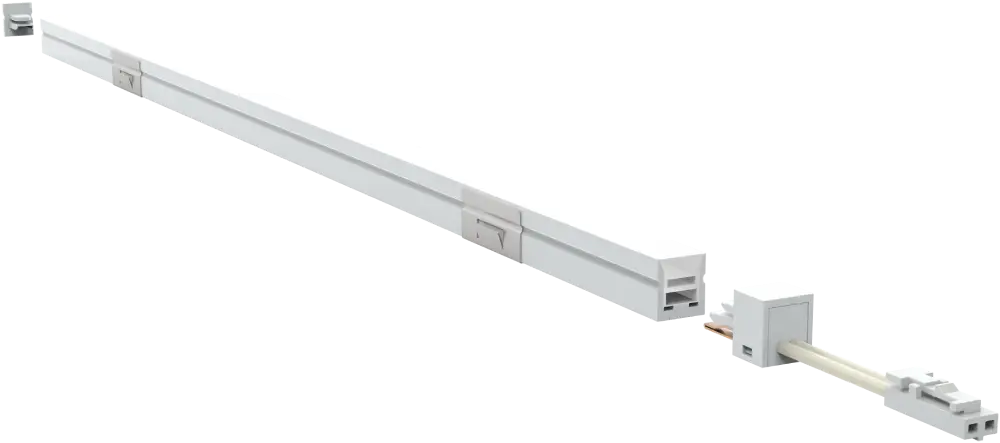
That is why buying in volume should not begin with a search for the cheapest fixture. We find that a better starting point is understanding what the project actually needs, then creating a practical product mix that can be specified, installed, and reordered without unnecessary complications.
Why Everyday Projects Rarely Need Just One LED Product
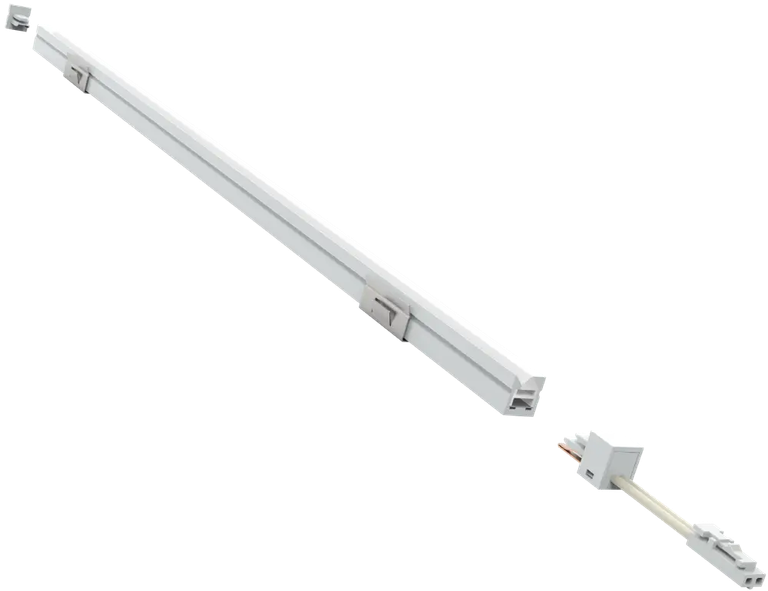
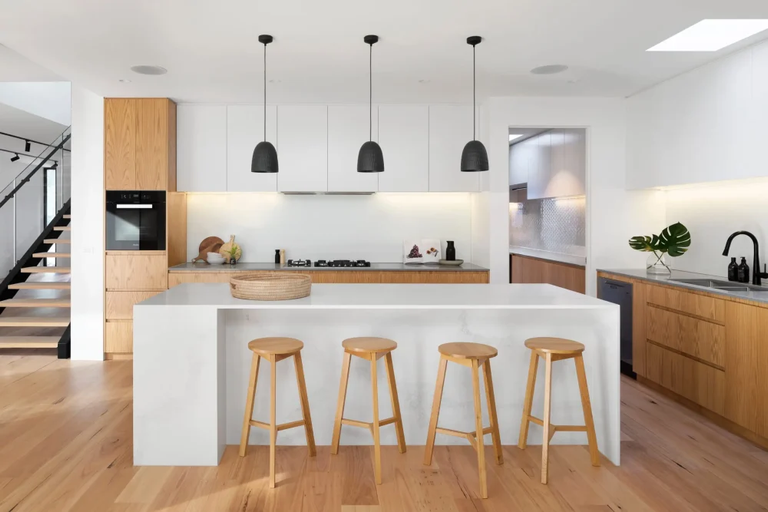
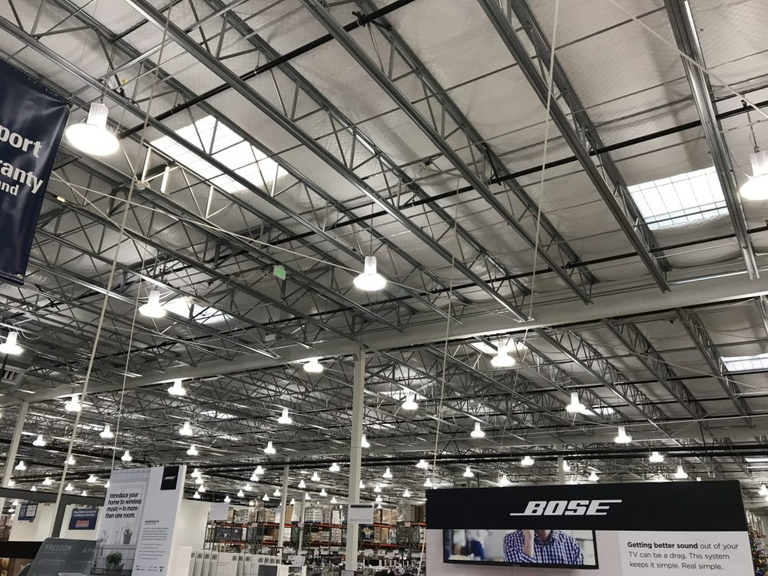
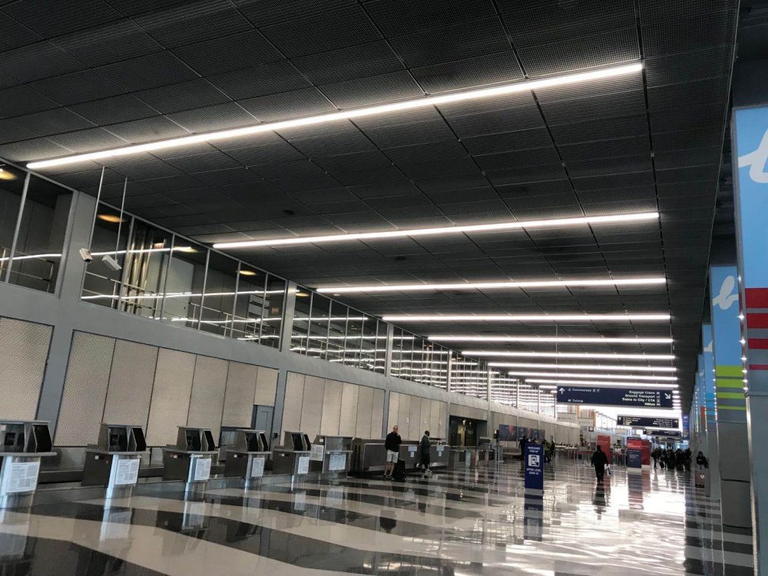
Commercial lighting projects are usually divided by space, function, and installation method. An office ceiling may require a structured linear fixture, while a reception feature or display area may call for a flexible strip. A cabinet, shelf, or concealed detail can require an entirely different form factor.
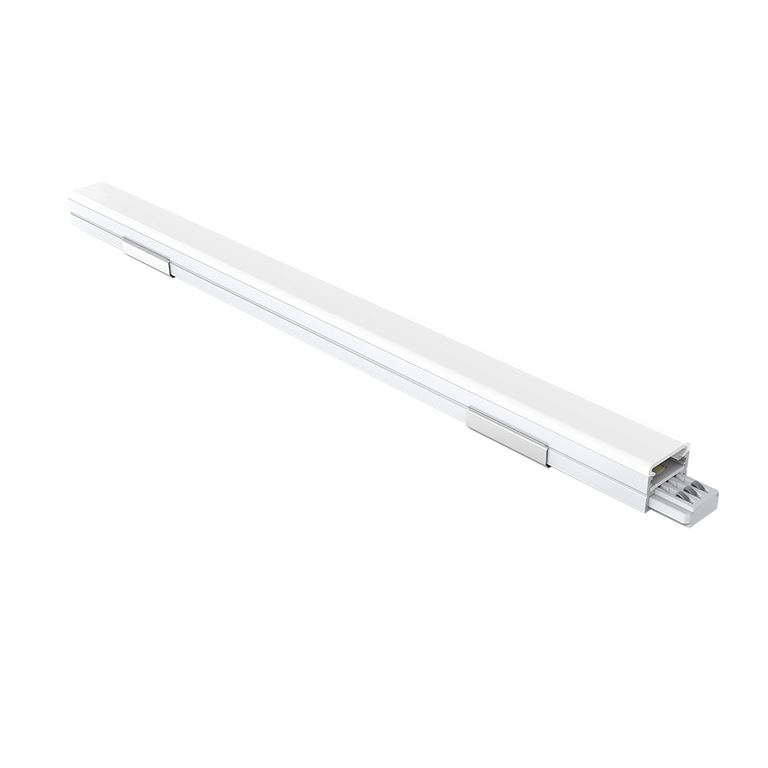
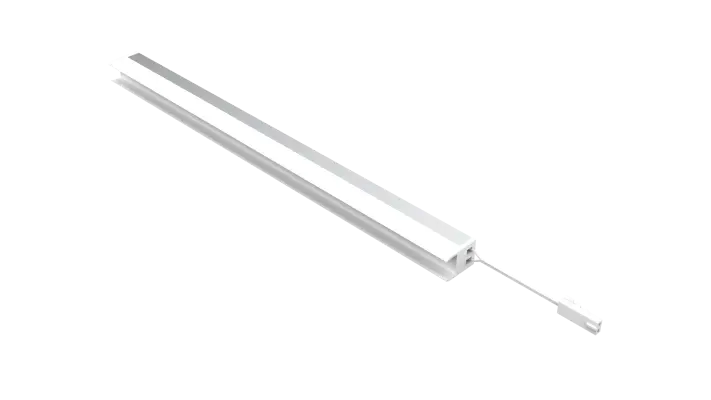
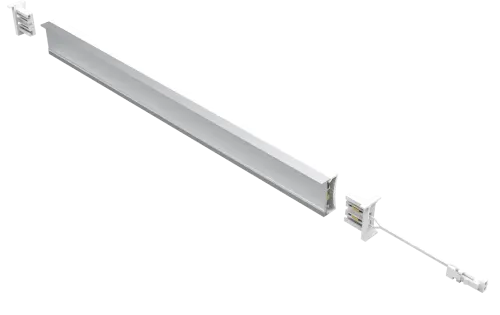
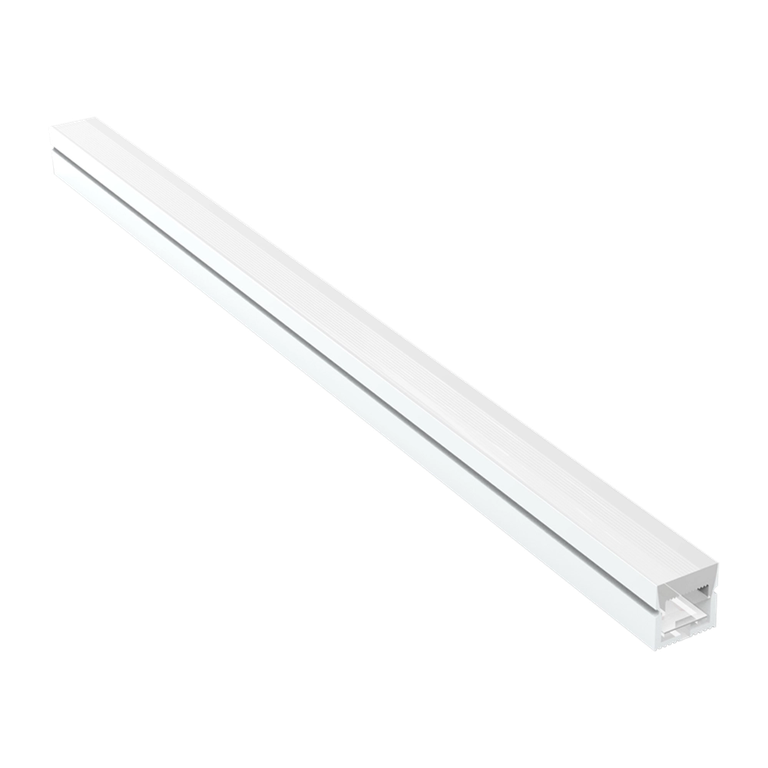
Our product portfolio reflects this reality. It covers strip lights, silicone lighting, office linear lights, cabinet-related products, and various fixtures rather than treating every lighting requirement as the same application. This makes the catalog more useful when a buyer is building an order around an entire project instead of purchasing a single product.
For wholesalers, the same principle applies across customer orders. One contractor may repeatedly purchase several product categories for different jobs. Consolidating compatible products with one supplier can make specification and replenishment easier than sourcing every item independently.
Build the Order Around the Spaces Being Lit
A useful way to organize wholesale lighting fixtures is to map them against the physical areas of the project.
Start with the main illuminated spaces. Determine which areas require general lighting, which contain architectural details, and which need localized or concealed illumination. From there, the product choice becomes much more concrete.
Linear lighting can suit applications where a continuous, organized appearance is required. Flexible products can be more practical where the light needs to follow curves, recesses, edges, or irregular architectural features. Dedicated fixtures make more sense when the installation calls for a defined fixture format.
Our range includes regular strip lights, COB products, RGB products, dual-color options, PVC neon, flexible wall washers, and office linear products. The point is not to use all of them. It is to select only the formats that correspond to the spaces and installation conditions in the project.
Quantity should also be connected to the layout. Buying a large volume of one product simply because it is commonly used can create excess inventory if the next project has different dimensions or installation requirements.
Keep Routine Projects Standard—Until the Specification Says Otherwise
Standard products are often the sensible choice for repeatable everyday work. If the required dimensions, lighting characteristics, installation method, and operating requirements already match an existing product, there may be little reason to introduce additional customization.
The decision changes once the project specification falls outside those standard parameters. Unusual lengths, specific shapes, particular lighting effects, or project-specific requirements may justify a customized product rather than forcing an existing fixture into an unsuitable application.
We handle customization as a defined project workflow rather than treating it as an informal product modification. Our published process includes consultation, design, sample confirmation, mass production, delivery, and after-sales service. That sequence gives project teams a clearer point at which specifications can be reviewed before larger quantities are produced.
For buyers sourcing wholesale lighting fixtures, this distinction is valuable. Standard products can simplify routine procurement, while customization should be reserved for requirements that genuinely need a different specification.
What Changes When You Buy LED Lighting in Wholesale Quantities
Wholesale purchasing introduces a different question: can the selected product remain consistent across the quantity required?
A sample that works for one installation is not automatically enough evidence for a larger order. Buyers need to consider whether the supplier has the production capacity, testing procedures, engineering support, and manufacturing organization needed for repeat orders.
According to its published information, LEDIA Lighting operates more than 20 production lines and maintains dedicated production capabilities for LED strips, linear products, fixtures, and SMT processes. Its materials also describe testing through a CNAS laboratory. These details are relevant because production capability becomes increasingly important as project quantities grow.
Documentation should be checked alongside manufacturing capability. Published materials from the company list certifications and standards including UL, ETL, CE, SAA, ENEC, and RoHS. However, certification requirements vary by product and destination market, so buyers should confirm the documentation applicable to the exact items being ordered rather than applying a blanket assumption to an entire catalog.
Turn a Product List Into a Repeatable Project Package
A strong wholesale order is more than a collection of individual SKUs. It should make sense as a package for the work being performed.
For recurring projects, we recommend identifying the product categories that appear repeatedly and separating them from items that are specific to one unusual installation. This creates a core range that can be reordered efficiently while leaving room for project-specific additions.
The same thinking applies to flexible lighting solutions. Flexible products can solve architectural and installation challenges, but they should be selected because the project geometry requires flexibility—not simply because the product is versatile.
Our role is to help buyers move from individual product selection toward a workable project combination. When the lighting requirement, installation method, quantity, and specification are considered together, procurement becomes easier to manage and future orders become more predictable.
For everyday projects, the best wholesale strategy is therefore not to purchase the broadest possible range. It is to establish a practical product mix that covers recurring requirements, use standard products wherever they already fit, and introduce customization only where the project calls for it. That approach gives contractors, wholesalers, and project teams a clearer path from product selection to installation.
The result is a more useful form of flexible lighting solutions: not flexibility for its own sake, but a product range that can adapt to the different spaces and requirements encountered in real projects. LEDIA Lighting supports this approach by combining multiple LED lighting categories with manufacturing and customization capabilities, giving B2B buyers a basis for building repeatable, project-oriented purchasing programs.