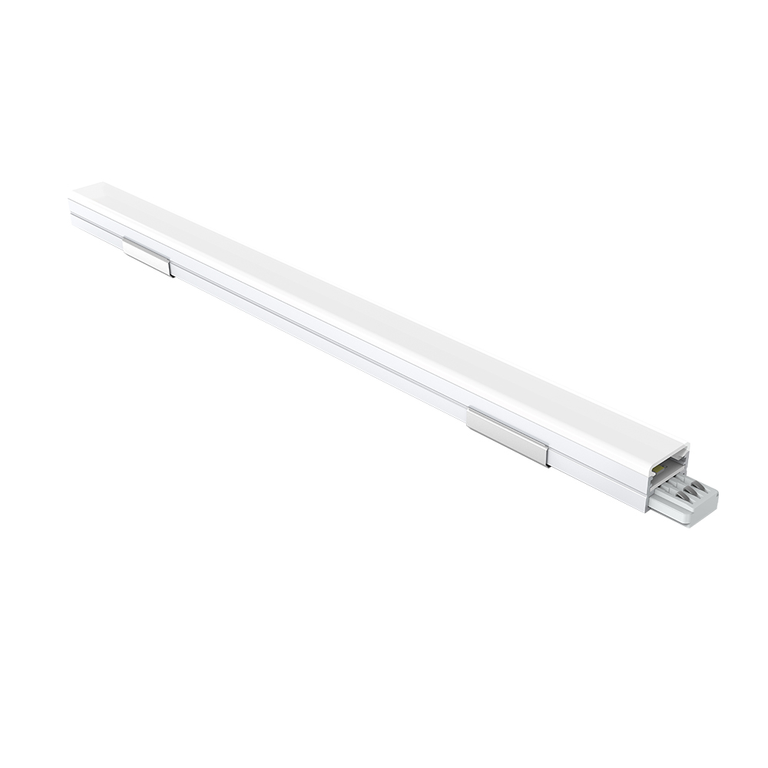
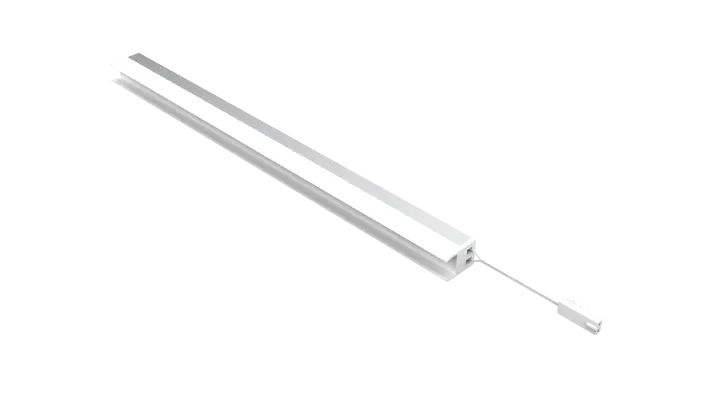
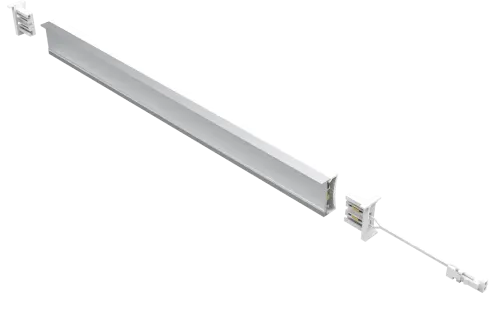
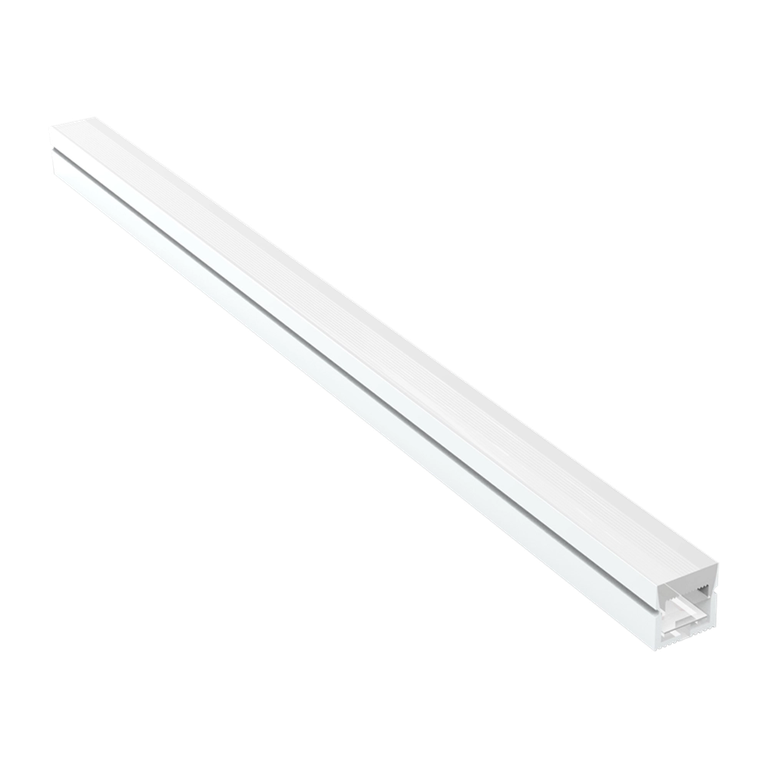
A commercial lighting specification can quickly become complicated when the project includes different ceiling heights, room layouts, and installation conditions. A fixture that works well in an office may not be appropriate for a warehouse, even if both projects require general illumination. For buyers evaluating a linear light fixture, the first step is to understand how the fixture will work within the actual space.
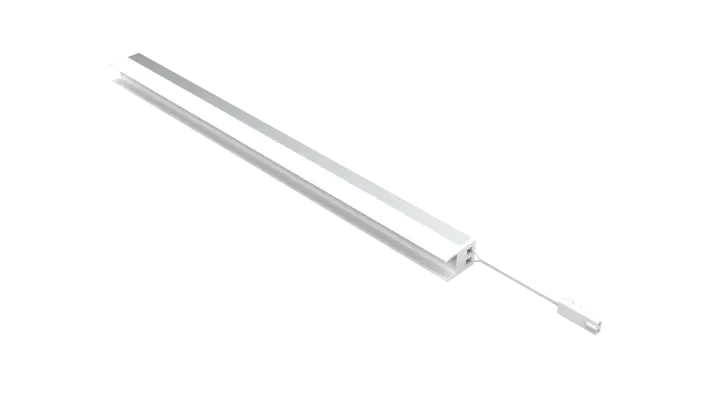
Physical layout takes precedence over the product catalog. Ceiling structure, mounting position, space function, and targeted lighting patterns naturally narrow down the available options. Once these parameters are established, identifying the right linear format and pinpointing the ideal product category becomes straightforward.
The Ceiling Layout Usually Reveals the Right Fixture Type
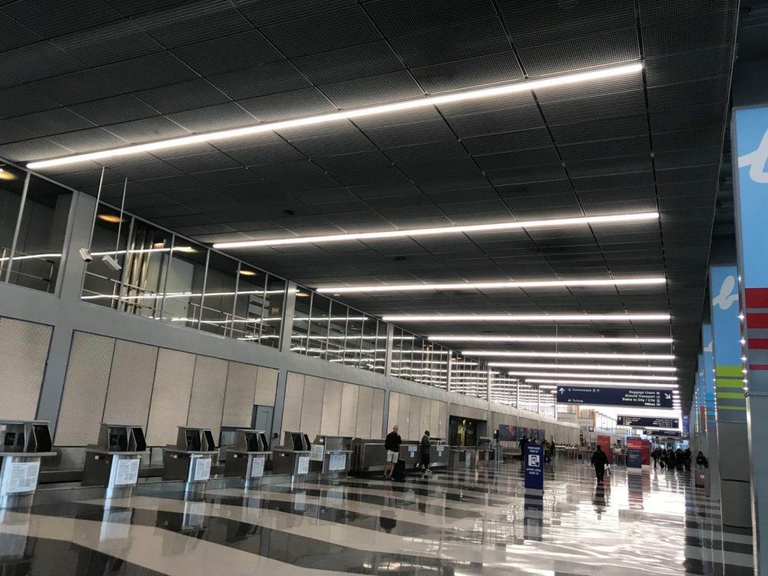
Look at the ceiling before looking at the catalog. A long office, retail aisle, production line, or structured commercial interior may naturally suit a linear arrangement because the fixture can follow the geometry of the space.
Mounting also influences the decision. A suspended installation can become part of the interior design, while surface mounting may be more practical where the existing ceiling structure limits suspension options. Recessed solutions can take a different approach by integrating the lighting into the ceiling itself.
LEDIA Lighting’s published linear-light portfolio includes several office linear series, including Juno, Kyros, Elite, Glory, Lyra, and Edge. Its product range also separates tri-proof linear and linear highbay products, showing why “linear lighting” should not be treated as one uniform category.
Project buyers can therefore narrow the choice by asking a more useful question: does the fixture’s physical format work with the ceiling and the way people use the space?
A Long Lighting Pattern Calls for a Different Decision
Linear fixtures become particularly relevant when the lighting layout itself has a directional character. Long work areas, rows of desks, aisles, and elongated architectural spaces can benefit from a fixture that visually and physically follows that geometry.
Our selection process considers more than the fixture’s length. The relationship between fixture placement and the working area matters because the same product can produce a different result when installed in a different arrangement.
Linear highbay products provide a good example. LEDIA’s D Series is specifically positioned for warehouses and garages, with published configurations ranging from 60W to 200W and corresponding lumen outputs depending on the model.
That makes the category useful for projects where a linear form needs to deliver higher-output illumination in larger spaces. It should not, however, be confused with an office linear fixture simply because both products have an elongated shape.
For procurement teams, this distinction is valuable. A linear light fixture should be selected according to its intended environment and optical role, not merely because its housing happens to be long.
Do Not Put High-Bay Spaces in the Same Category
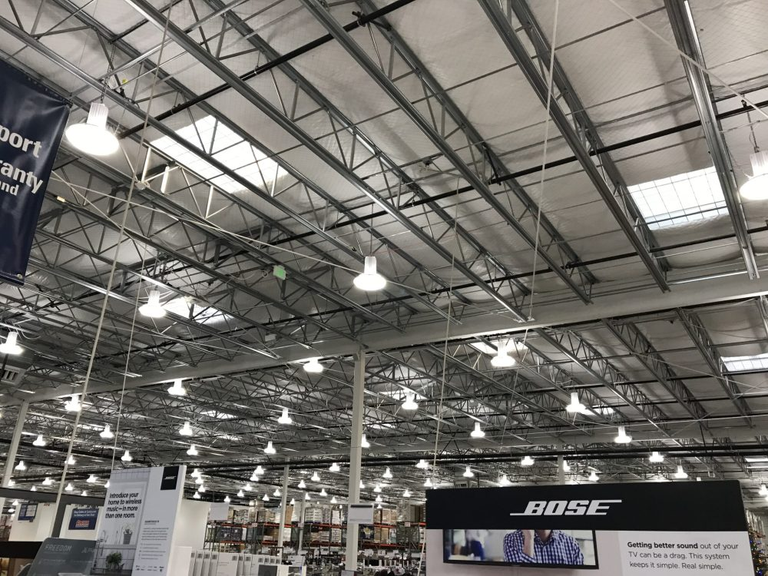
A high-ceiling warehouse creates a different selection problem from an office or retail interior. Once mounting height and large-area illumination become dominant concerns, buyers should compare dedicated high-bay products rather than assuming that a conventional linear fixture will be sufficient.
That is where high bay UFO lights become relevant. Their circular form is designed for high-bay environments, while linear highbay products offer a longer form for structured areas such as aisles or production layouts. LEDIA’s own comparison explains the distinction in terms of ceiling height, spatial arrangement, and light distribution.
Our J Series UFO High Bay is listed within the fixture category, alongside other fixture types, giving project buyers another format to consider when the application calls for high-bay illumination.
The important point is not that UFO products are better or worse. They solve a different layout problem. An open industrial floor may favor a compact high-bay format, while long aisles or structured production areas may make a linear highbay more logical.
Consequently, buyers should decide the lighting geometry before deciding on the fixture geometry.
Our Product Range Helps Narrow the Specification
Once the project environment is clear, product selection becomes much more manageable. We recommend identifying the required fixture family first and then comparing the relevant specifications within that family.
For an office or contemporary commercial interior, buyers may examine the available office-linear designs and their mounting approaches. For demanding environments, tri-proof linear products may be more appropriate. For warehouses and garages, linear highbay or UFO high-bay options can be evaluated according to the space.
LEDIA Lighting organizes these categories separately rather than presenting every fixture as interchangeable. Its current fixture navigation identifies Linear Light, UFO High Bay Light, and Flood Light as distinct categories, while its broader linear-light materials also identify office linear, tri-proof linear, and linear highbay series.
This category-based approach is useful for contractors and engineering teams because it reduces the initial specification pool. Instead of comparing dozens of unrelated products, the buyer can first establish the appropriate product family and then review the details that matter for that application.
Choose the Fixture That Fits the Project Brief
A good specification should make the reason for the fixture choice clear. The buyer should know where the product will be installed, what lighting pattern it needs to support, and why its particular format is appropriate for that location.
Fixture selection is approached through a practical, project-driven lens. A linear light fixture makes sense when the architecture, ceiling layout, and desired illumination pattern naturally align with a linear format. In high-ceiling industrial spaces, however, the comparison often expands to include linear highbay products and high bay UFO lights rather than relying solely on conventional commercial linear fixtures. LEDIA Lighting offers several fixture categories so buyers can make that distinction according to the requirements of the project.
The final decision does not need to be complicated. Start with the space, determine how the lighting should be arranged, identify the fixture family that matches those conditions, and then compare individual models. That gives contractors, engineers, and procurement teams a clearer basis for specifying the right fixture instead of selecting one simply because its specifications appear suitable.