Furniture lighting has become an important consideration in residential interiors, hospitality projects, retail displays, and commercial fit-outs. The right lighting can improve visibility inside cabinets, highlight product displays, and create a more refined appearance without taking up valuable space. For buyers and project specifiers, narrowing down LED light strips for furniture requires more than comparing brightness or price. Installation methods, cutting flexibility, light control, and long-term maintenance all influence the final choice.
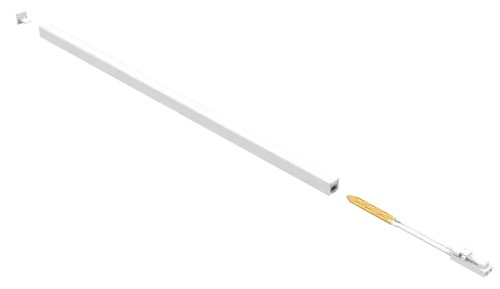
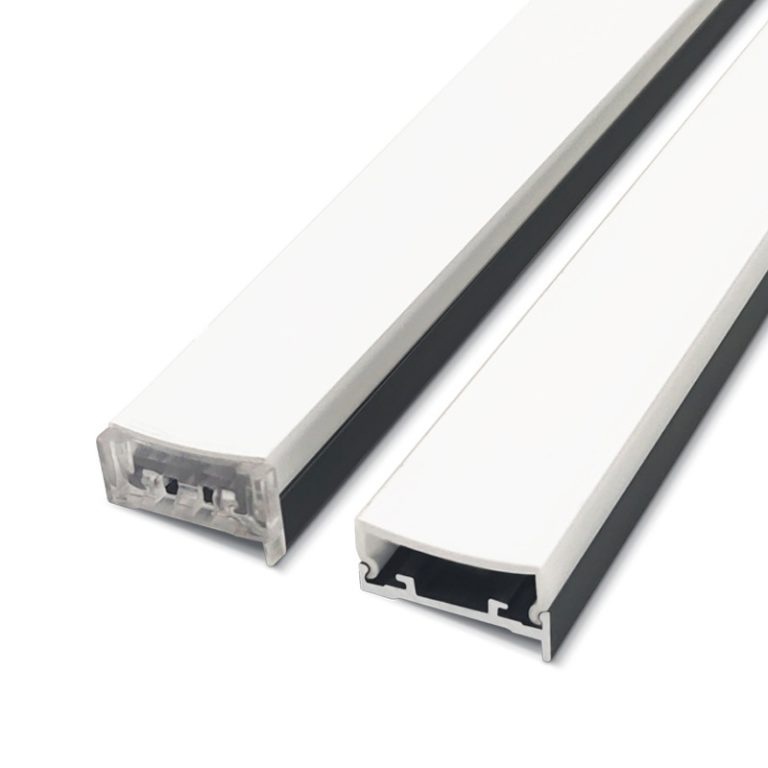
A practical selection process starts with the furniture design and works toward the appropriate lighting system. By evaluating application requirements, profile construction, installation efficiency, and lighting effects, purchasing teams can identify solutions that meet both aesthetic expectations and project constraints. We approach furniture lighting with these priorities in mind, including the integration of our Built-in & Free Cutting Alu Profile Strip Light F03 into suitable applications.
1. Start with the Furniture’s Function and Layout
The first step is to identify what the lighting needs to accomplish. Kitchen cabinets and wardrobes benefit from practical illumination that helps users locate items, while display cabinets and retail shelving often require lighting that emphasizes merchandise and finishes. Under-shelf lighting can also improve visibility on work surfaces without introducing another bulky fixture.
For project buyers, this distinction helps narrow the specifications before comparing suppliers. Consider the furniture dimensions, available installation space, viewing angles, and whether the light will serve a functional or decorative purpose. These factors determine the required fixture form, light distribution, and control options.
2. Choose a Profile That Fits the Installation
The physical design of the lighting system matters just as much as its output. Flexible LED tape can accommodate certain curved or irregular surfaces, while rigid linear fixtures are often suitable for straight cabinet runs. For built-in furniture, an integrated profile can create a more finished appearance by keeping the lighting components within the furniture structure.
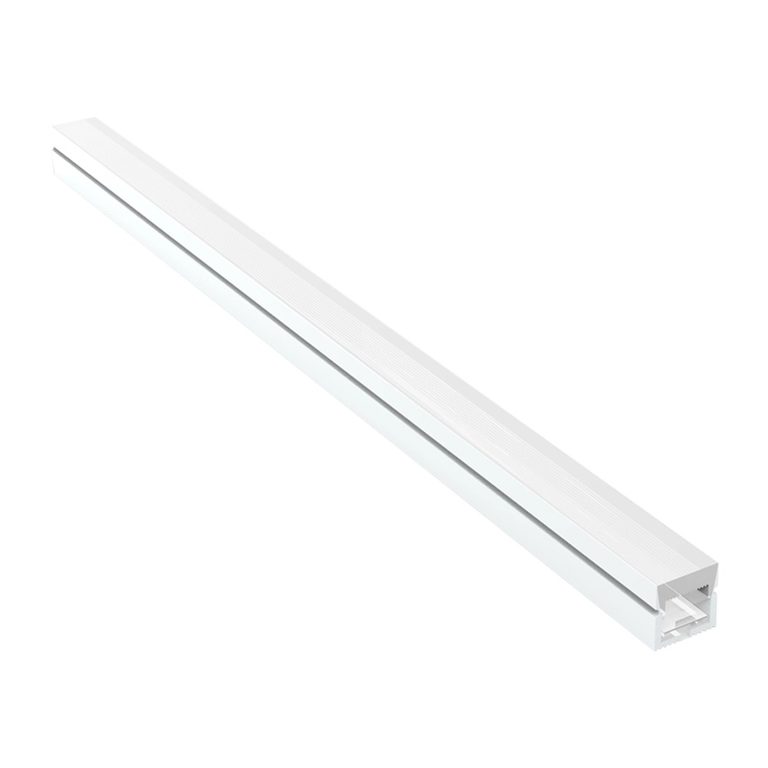
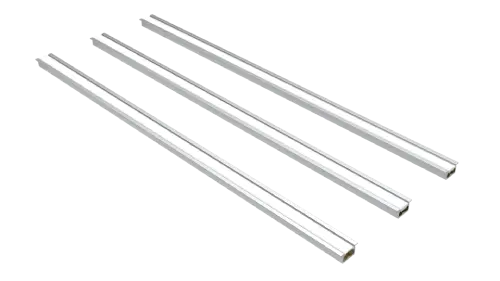
An aluminium LED strip solution is worth considering when a project requires a defined linear installation and a neat, integrated finish. Before specifying one, check the available recess dimensions, mounting method, cable routing, and access for future servicing. A profile that fits the design from the beginning can reduce installation adjustments and help maintain consistency across multiple furniture units.
3. Evaluate Cutting Flexibility and Installation Time
Furniture rarely follows identical dimensions across an entire project. Wardrobes, kitchen cabinets, shelving systems, and retail displays may each require different lighting lengths. Products that depend on fixed dimensions or complicated on-site modifications can add labor and material waste, particularly when installers need to repeat the same process across numerous units.
When comparing LED light strips for furniture, examine how the product is cut, connected, and mounted. Conventional systems may require cutting at designated points, soldering, or additional connectors, depending on their construction. A solution designed to simplify these steps can make installation more predictable, provided its connection method and cutting instructions are followed.
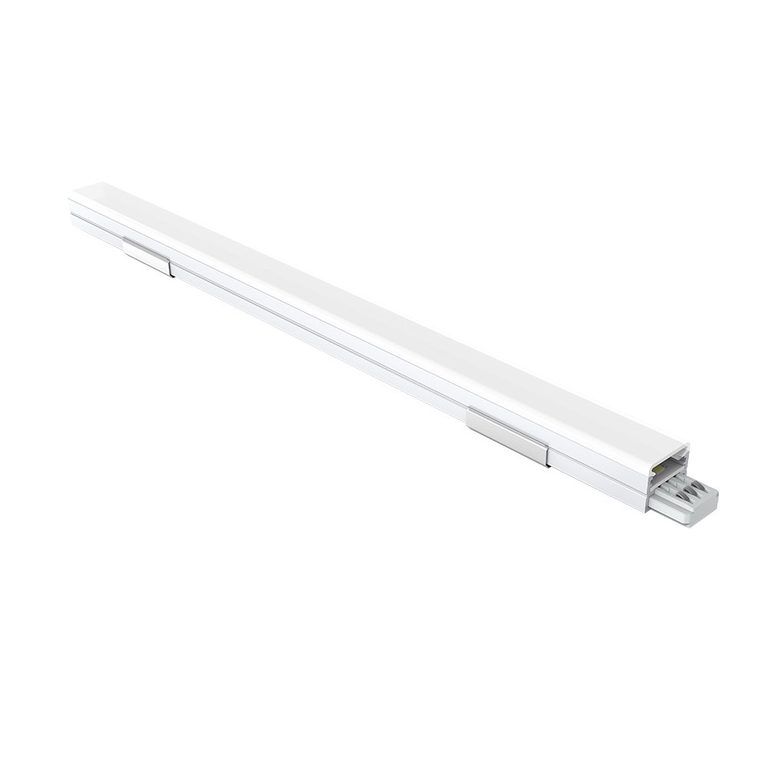
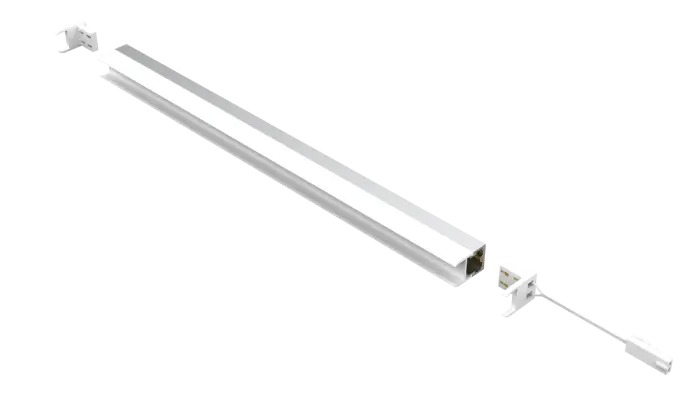
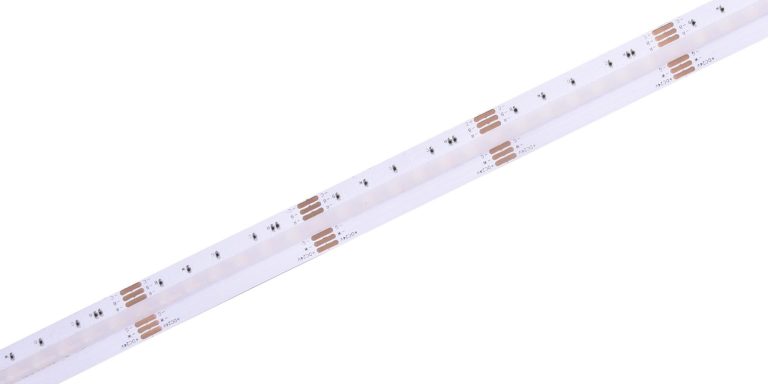
Our Built-in & Free Cutting Alu Profile Strip Light F03 addresses this practical requirement. Its design features a quick plug-in terminal and supports cutting to the required length without soldering. Available delivery lengths of up to 3 meters can also reduce unnecessary joints and offcuts in suitable layouts. For contractors and furniture manufacturers, these features can help simplify repetitive installation work.
4. Match the Lighting Effect to the Interior
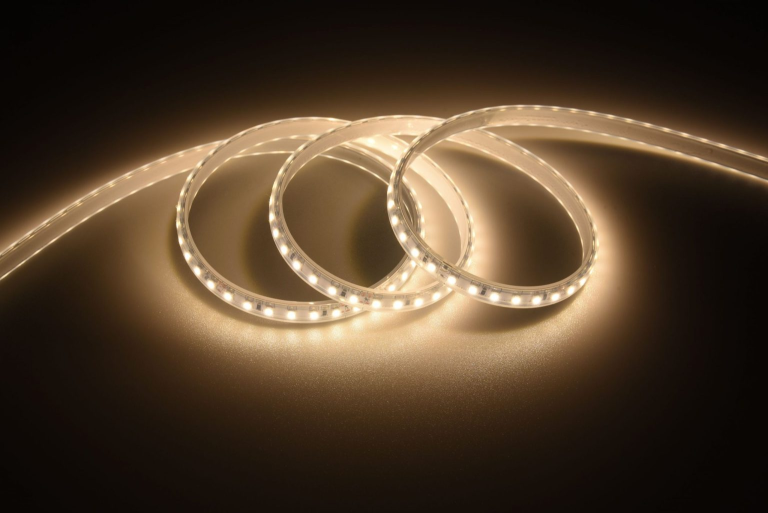
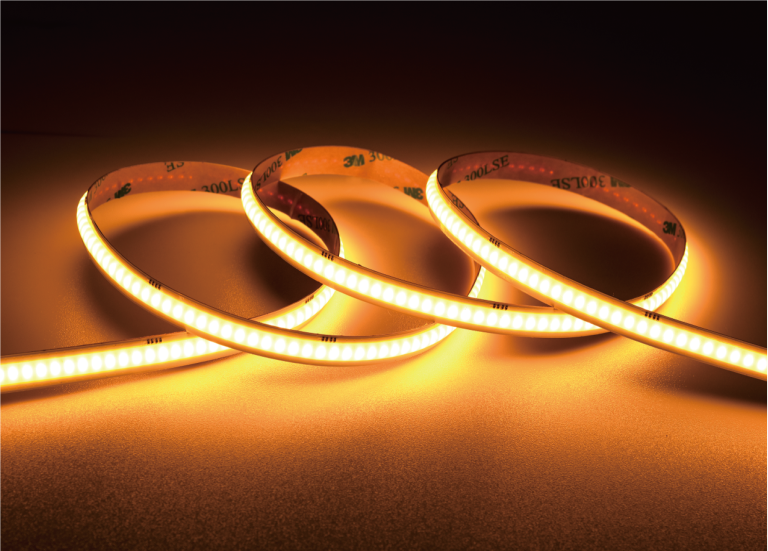
Color temperature and adjustability influence how furniture appears within its surroundings. Warm white light can complement wood finishes and create a relaxed atmosphere, while neutral or cooler white light may suit contemporary kitchens, work areas, and retail environments. The most appropriate choice depends on the interior materials, surrounding illumination, and intended use.
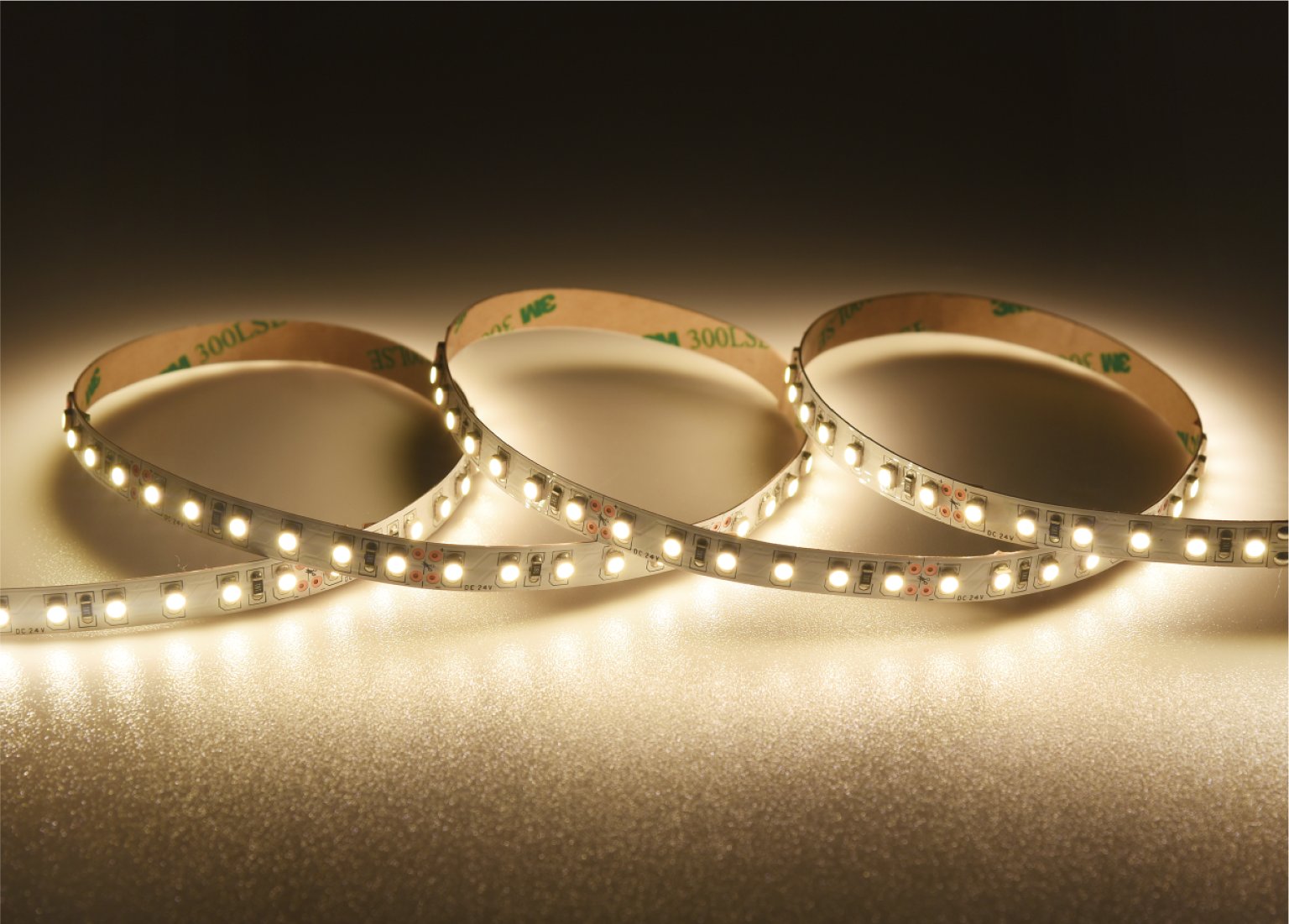
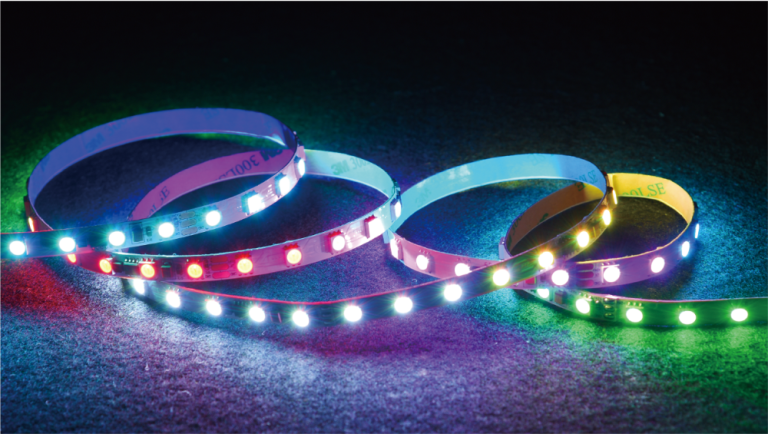
Color consistency also deserves attention in multi-unit projects. Mixing different light colors across adjacent cabinets can make an otherwise coordinated installation appear uneven. Where lighting needs to accommodate several scenes, consider whether adjustable correlated color temperature (CCT) would be useful. LED light strips for furniture with appropriate control options can support changes between practical task lighting and softer ambient illumination.
The F03 incorporates a two-wire CCT design, allowing users to create different lighting atmospheres for different scenarios. This is particularly relevant when specifying lighting for kitchens, wardrobes, and retail furniture that must balance visibility with appearance. Confirm the compatible control equipment and required color-temperature range before finalizing the specification, as these details should not be assumed without the relevant product documentation.
5. Consider Durability, Maintenance, and Compatibility
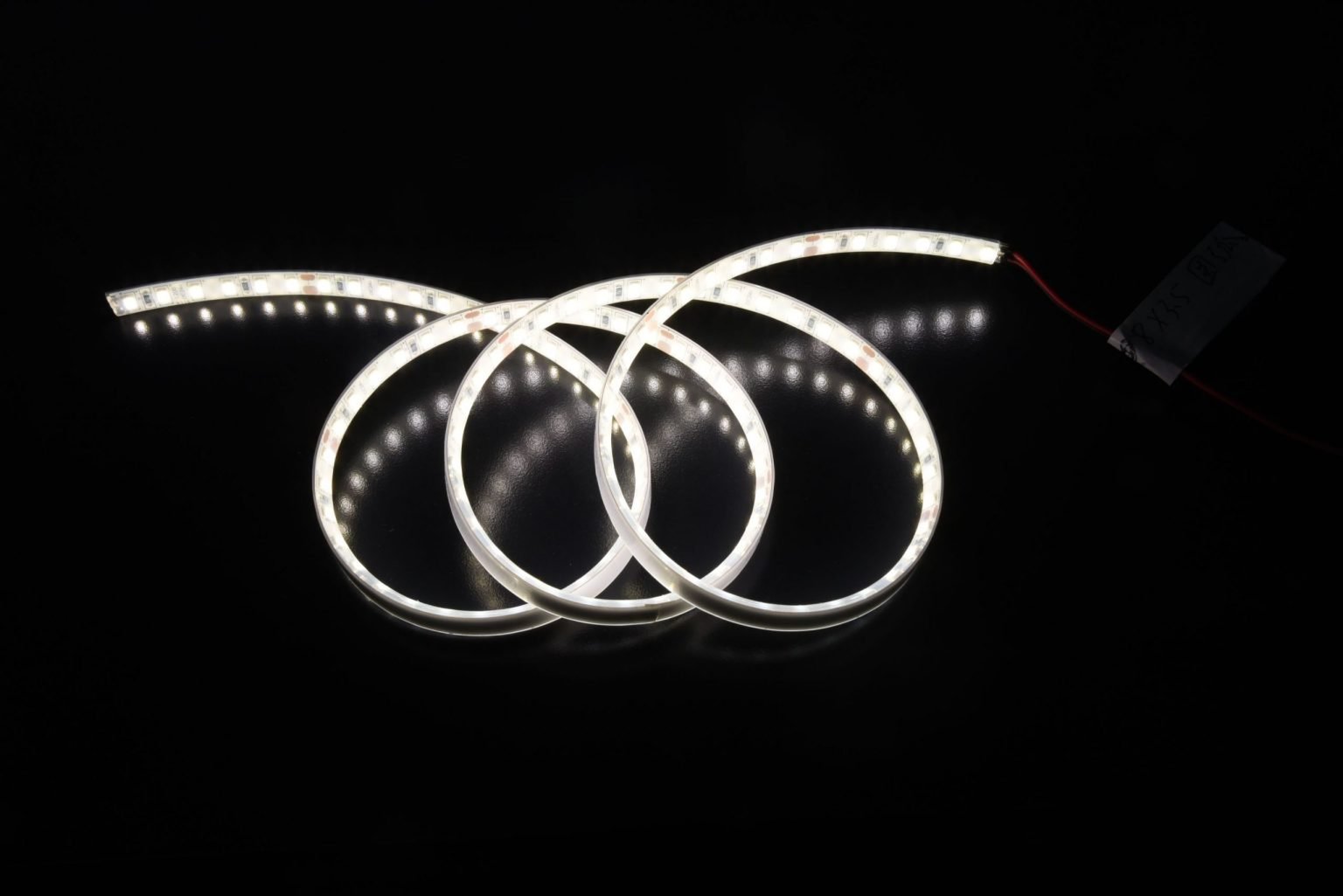
A suitable lighting product must work within the actual installation environment. Buyers should verify electrical requirements, power supply compatibility, operating conditions, and any applicable safety or environmental ratings. Kitchens and other areas exposed to moisture or frequent cleaning may require additional protection, while enclosed furniture calls for attention to heat management and manufacturer installation guidance.
An aluminium LED strip profile can contribute to a structured installation, but the presence of aluminium alone does not establish waterproofing, thermal performance, or a particular service life. Request supporting specifications rather than relying on material descriptions. Also consider how installers will access terminals, replace components, and troubleshoot faults after cabinetry has been fitted.
For larger projects, evaluate the consistency of product supply and the repeatability of installation procedures. Standardized components, clear wiring diagrams, and documented cutting instructions can help reduce errors between installation teams. Sample testing on representative furniture is a practical way to confirm fit, light appearance, and compatibility before committing to a full order.
6. Compare Total Project Cost, Not Just Unit Price
A lower purchase price does not necessarily produce the lowest installed cost. Buyers should account for the fixture, connectors, power supplies, control components, installation labor, material waste, and potential maintenance requirements. A product that saves time during assembly may offer value across a large development, even if its initial unit price is not the lowest.
When assessing an aluminium LED strip, compare complete system requirements across shortlisted products. Confirm what is included, which accessories must be ordered separately, and whether the supplier can provide technical guidance for the intended application. For OEM furniture manufacturers, these details also affect production planning and the ability to maintain consistent specifications across product ranges.
Make Your Furniture Lighting Selection with Confidence
Narrowing down furniture lighting becomes easier when buyers start with the application, then evaluate profile design, cutting flexibility, lighting control, compatibility, and total installation cost. These criteria help project teams compare products against real requirements instead of relying on appearance or price alone.
At LEDIA Lighting, we offer the Built-in & Free Cutting Alu Profile Strip Light F03 as an option for built-in furniture and retail applications. Its solder-free, quick plug-in connection, flexible cutting approach, and two-wire CCT design address several practical installation needs. By matching these features to project drawings and verified specifications, buyers can select LED light strips for furniture that support both the design intent and the demands of professional installation.