Furniture lighting is rarely just a matter of choosing a strip and cutting it to length. A wardrobe, display cabinet, shelf, reception counter, or fitted wall can place very different demands on the lighting. The useful question is not simply which product looks suitable, but which format fits the furniture, available space, intended light, and scale of the project.
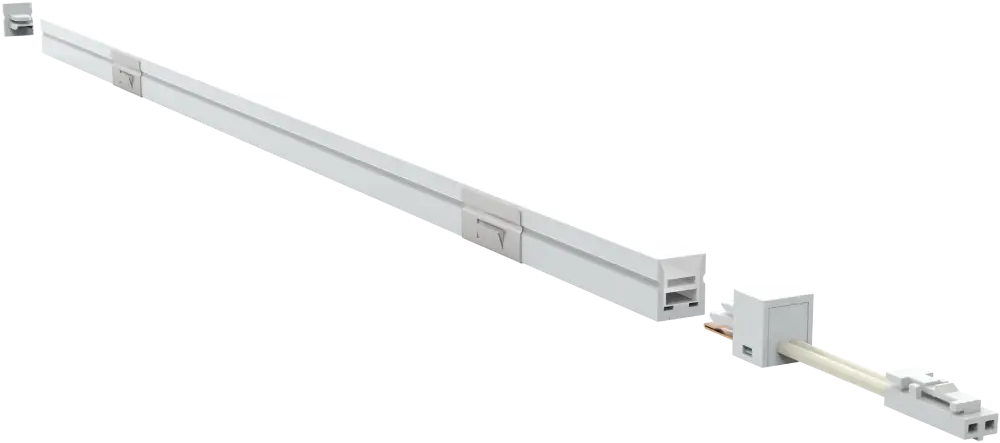
That is the starting point we use at LEDIA Lighting. Application comes first, layout determines the physical format, and project size affects how much attention should be given to consistency, installation, and supply.
The Furniture Detail Comes Before the Lighting Product
A lighting line inside a cabinet has a different job from one placed beneath a shelf. One may need to illuminate stored items, while another creates a visual edge or highlights a display. The position of the light therefore influences product selection before technical specifications are compared.
Furniture construction matters just as much. A shallow groove may leave little room for a housing, while a larger cabinet can accommodate a more substantial lighting component. Access also changes after doors, panels, or shelves are installed, so installation needs to be considered alongside appearance.
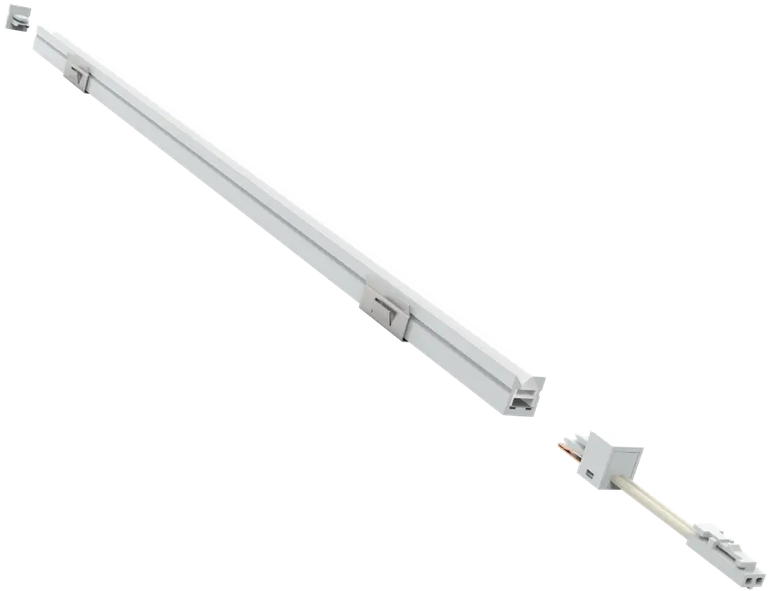
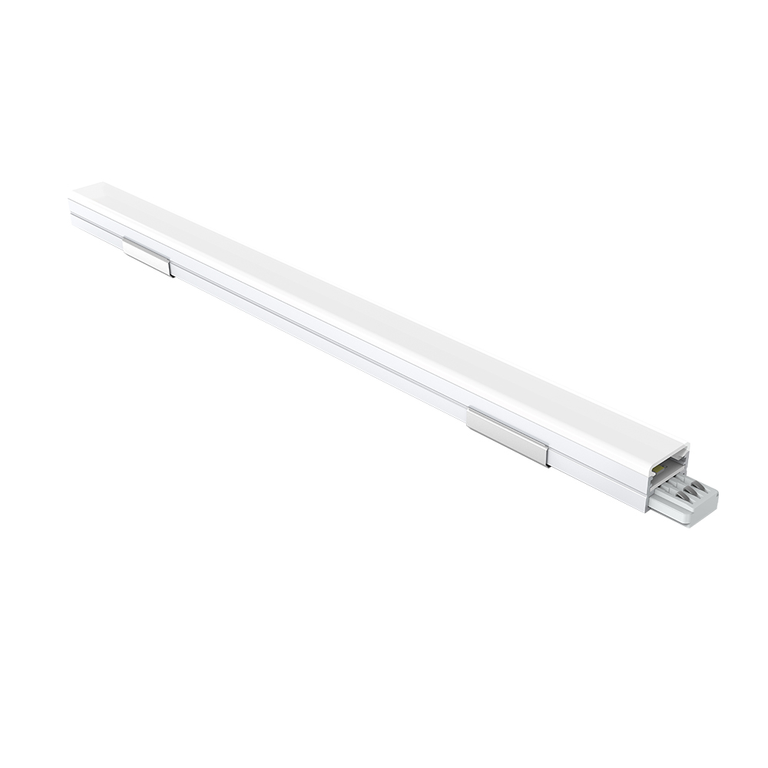
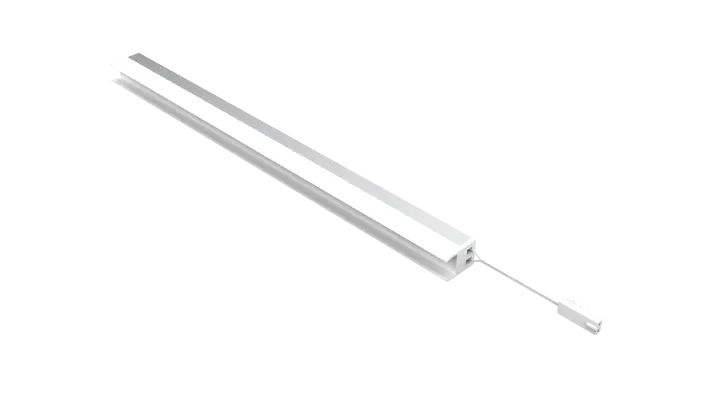
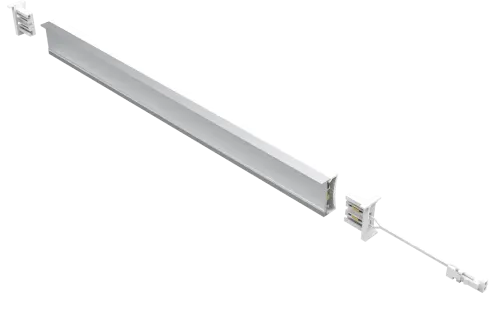
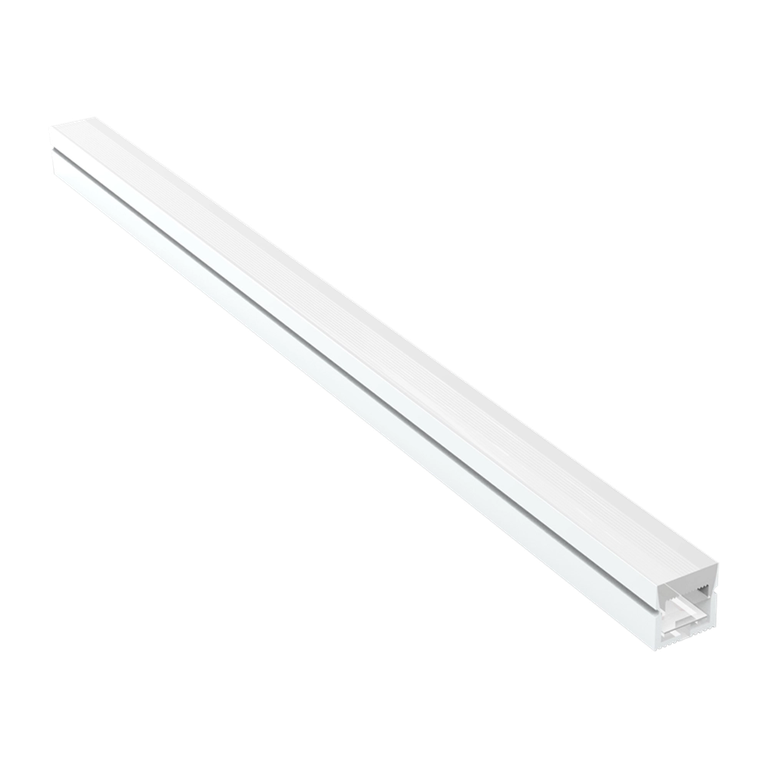
Our furniture lighting options include dedicated fixtures designed for integrated applications rather than treating every project as a generic strip-light installation. That distinction becomes valuable when the lighting needs to become part of the furniture itself.
Layout Determines How the Light Becomes Part of the Furniture
A continuous line hidden beneath a shelf creates a different effect from a light positioned inside a cabinet side or around a display perimeter. Layout determines whether the light should be concealed, recessed, surface-mounted, or integrated into a purpose-built detail.
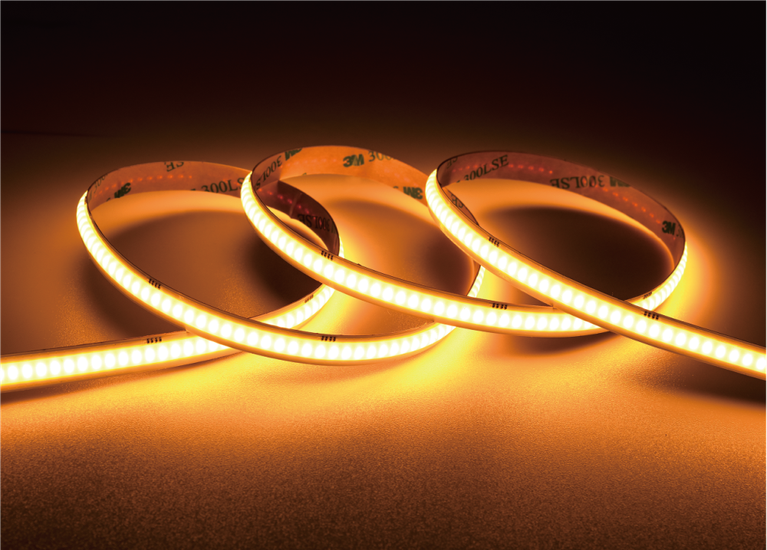
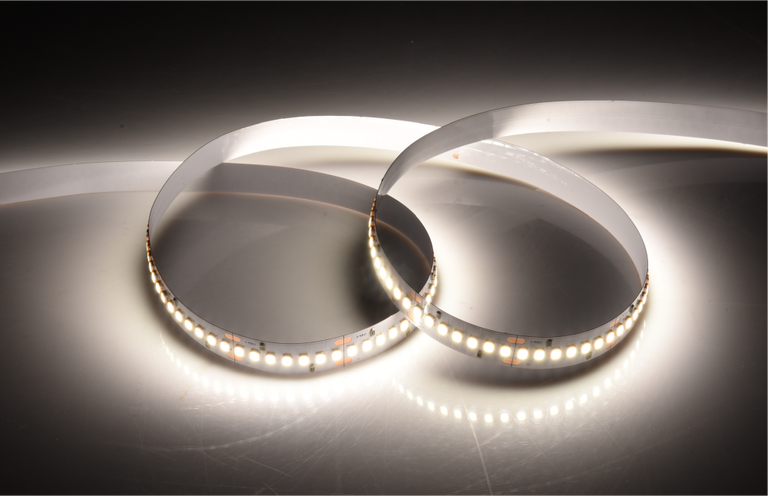
For LED light strips for furniture, the available recess and viewing angle deserve attention before the final product is selected. A technically suitable light can still create visible points, glare, or uneven illumination if the surrounding construction does not control the light properly.
Diffuser placement, distance from the illuminated surface, and the direction of emission can all influence the finished appearance. Looking at the furniture drawing alongside the lighting specification therefore gives us a more realistic basis for selection.
Small Projects and Large Rollouts Need Different Priorities
Project size changes the selection problem. A single custom cabinet may justify a highly specific solution because the lighting detail can be coordinated directly with the furniture maker. A hotel, retail rollout, or large residential development introduces another priority: the same visual result needs to be repeated across many pieces.
Consistency becomes increasingly important as quantities increase. Product dimensions, connection methods, color temperature, and installation details should be controlled across the project rather than solved separately for every cabinet.
At LEDIA Lighting, manufacturing and customization capabilities can support projects where dimensions or aesthetic requirements need to be adapted. The company’s project guidance also emphasizes matching product selection to the real application and installation conditions rather than treating product choice as an isolated catalogue decision.
Recessed Details Need to Be Resolved Early
Some furniture designs need the lighting to disappear almost completely. A narrow groove or purpose-made cavity can hide the light source and leave the illuminated surface as the dominant visual element.
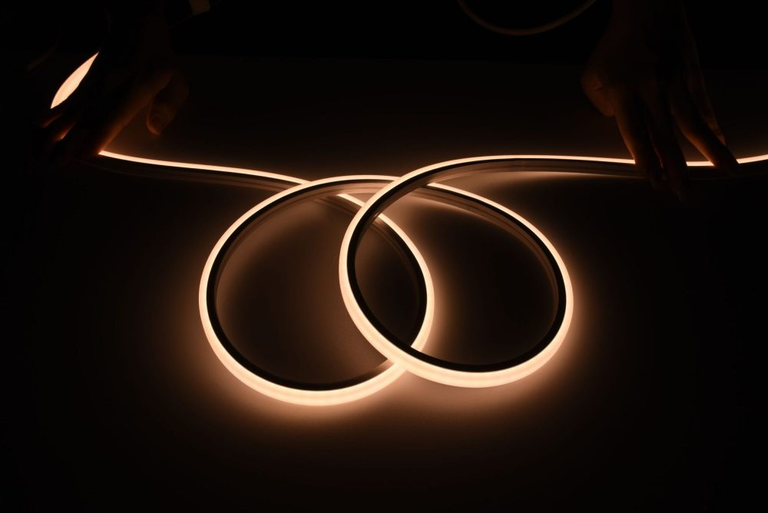
Embedded strip lights can suit this approach when the furniture has been designed with appropriate installation space. The critical issue is coordination: the recess needs enough room for the selected lighting structure, while the light-emitting position needs to produce the intended effect.
A recessed detail should therefore be resolved before production whenever possible. Once the furniture has been manufactured, changing the cavity size can be far more disruptive than adjusting a lighting specification during the design stage.
The Same Furniture Category Can Have Different Lighting Goals
Not every furniture application is primarily functional. Retail displays may use light to draw attention to products. Hospitality furniture may use it to establish atmosphere. Residential joinery can use concealed illumination to emphasize materials, edges, or storage zones.
The visual purpose affects selection just as much as physical construction. LEDIA Lighting works with designers and woodworkers on millwork, shelving, and custom furniture, considering factors such as voltage, color temperature, IP rating, channels, diffusers, and installation details.
A practical specification should therefore identify the role of each lighting zone instead of assigning one product to the entire furniture package simply because it is already approved.
Project Quantity Changes the Supply Decision
Once a project moves from one piece of furniture to dozens or hundreds, procurement becomes part of the lighting strategy. A visually suitable product is not enough if different batches, connection arrangements, or dimensions make installation inconsistent.
The required product format, quantities, installation details, and customization should be established before production begins. This becomes especially important when several furniture types share a common lighting language but have different physical dimensions.
For larger projects, our selection process therefore considers not only how the light will look but also how consistently the specified solution can be reproduced across the order. That makes the final installation easier to coordinate and reduces unnecessary product variation.
A Good Specification Leaves Fewer Decisions for the Installer
The best furniture lighting solution is not necessarily the most sophisticated product. It is the one that fits the construction without creating unnecessary work later.
For a small bespoke piece, dimensions and integration may deserve the most attention. For a large rollout, consistency and repeatability can carry greater weight. For a display, optical placement may be the deciding factor. Similar furniture categories can therefore lead to very different specifications.
That is why LED light strips for furniture should be treated as an application decision rather than a single product category. Once the layout, construction, visual objective, and project quantity are understood, the appropriate lighting format becomes much easier to define.
Furniture lighting works best when the light source is selected as part of the furniture design rather than added after it has been finalized. Application establishes the purpose, layout determines how the light can be integrated, and project size determines how carefully consistency and supply need to be controlled.
With embedded strip lights, that means resolving the recess, light position, and surrounding detail early. Other formats may instead prioritize accessibility, repeatability, or a particular visual effect. The right selection is ultimately the one that fits both the furniture and the way the project will actually be built.