Starting a commercial LED strip lighting project can seem complicated when a product catalog presents numerous specifications, configurations, and accessories. For a first wholesale order, however, the starting point is much simpler: identify what needs to be illuminated, measure it properly, and determine what the installation needs to work as intended.
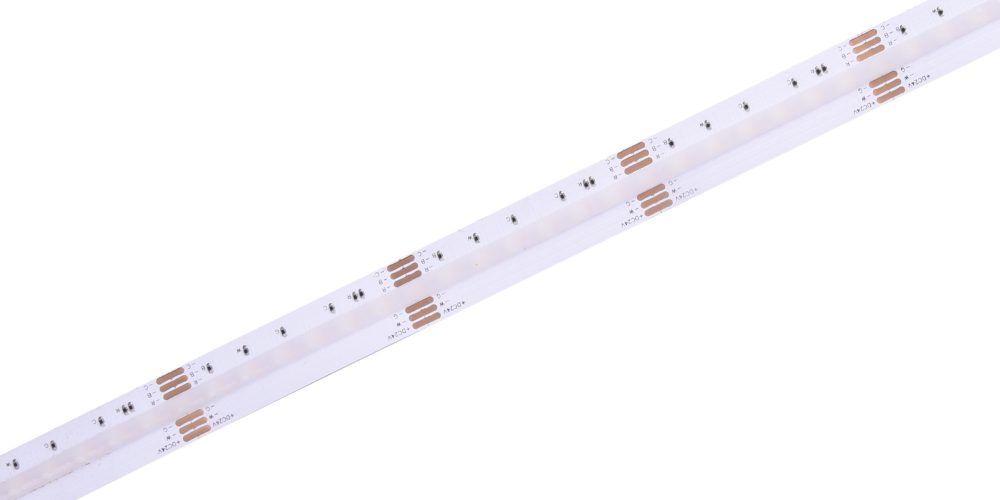
The smartest way to build a project is to work backward from the installation. Instead of choosing a fixture first and forcing it to fit, start by defining your actual lighting goals—and turn them into clear specs your supplier can easily execute. It gives contractors, wholesalers, and project managers a seamless, friction-free path from concept to purchase order.
What Do You Need to Know Before Buying LED Strip Lights in Bulk?
Before requesting a quotation, establish the basic facts about the project. Identify the areas that need lighting, how the strips will be installed, and whether the project contains one continuous section or several independent sections.
A simple commercial project might include a reception counter, display shelving, a ceiling detail, or concealed cabinet lighting. Each location should be treated as a separate lighting requirement if its length, position, or control arrangement differs.
You should also know who will handle installation and what the lighting is expected to achieve visually. A decorative feature may prioritize appearance, while a task-oriented area may require a different lighting specification.
Starting with these practical questions prevents the purchasing process from becoming a product comparison exercise. The supplier receives a project requirement rather than a vague request for “some LED strips,” making the next conversation much more productive.
How Do You Turn a Lighting Idea Into a Measurable Project?
Take the chosen lighting area and draw the actual strip paths. Mark where each run starts and ends, then record its length separately. Do not immediately combine every measurement into one total.
For example, four locations requiring 3 m, 5 m, 6 m, and 4 m should remain four identifiable runs even though their combined length is useful for budgeting. Each run may have its own connection point, power feed, mounting condition, or installation limitation.
Note physical details that could influence preparation. Corners, concealed spaces, changes in direction, exposed sections, and difficult access points are worth identifying before an order is prepared.
This simple run list becomes the foundation for LED strip lights wholesale purchasing. It gives the buyer something concrete to send to a supplier and provides a reference for checking the eventual quotation.
Which LED Strip Details Should You Decide First?
Once the physical layout is understood, determine the characteristics that directly affect the finished lighting. Start with the appearance: consider the desired color temperature and whether the project requires a single-color or color-changing solution.
Color rendering may also matter where the lighting is expected to reveal merchandise, finishes, furniture, or other visual details accurately. Include any defined project requirement rather than assuming it can be changed later.
Electrical requirements should then be coordinated. The strip, power supply, wiring, and controls need to work together, so the buyer should not select the strip independently from the rest of the system.
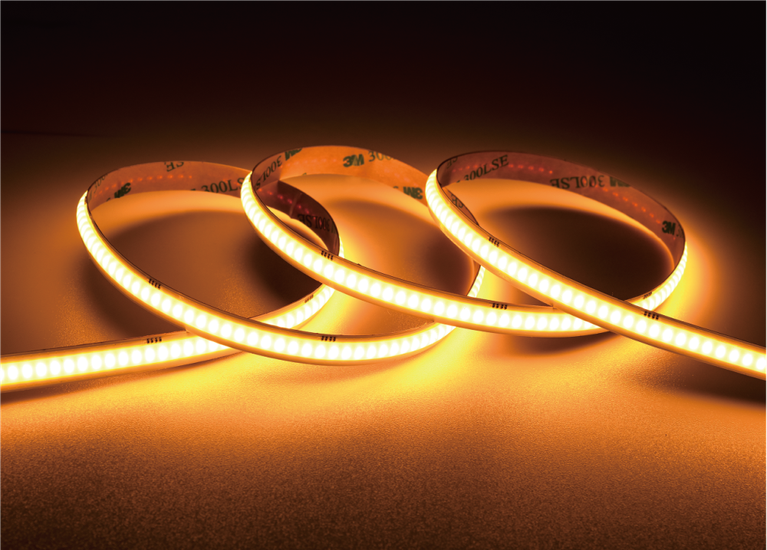
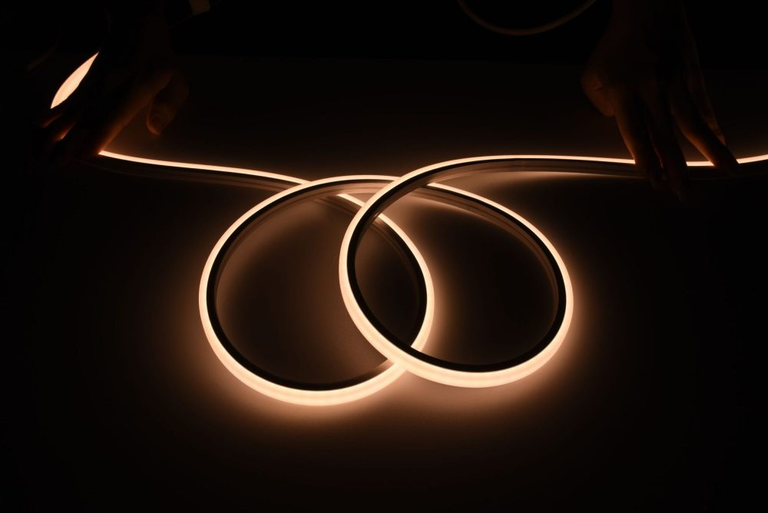
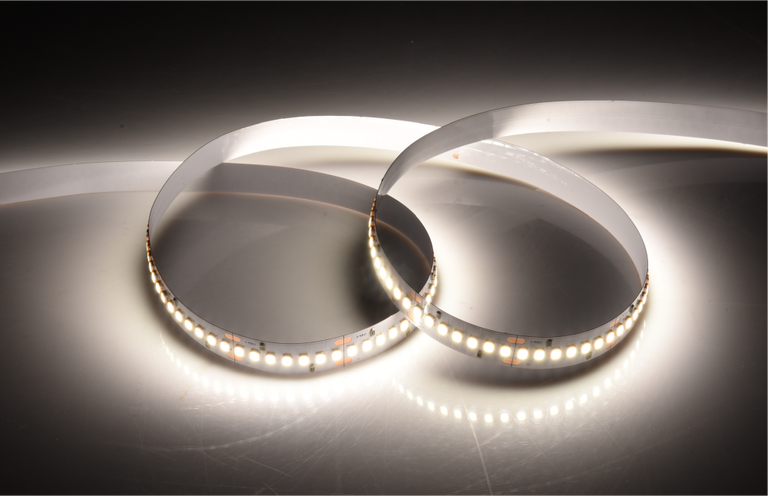
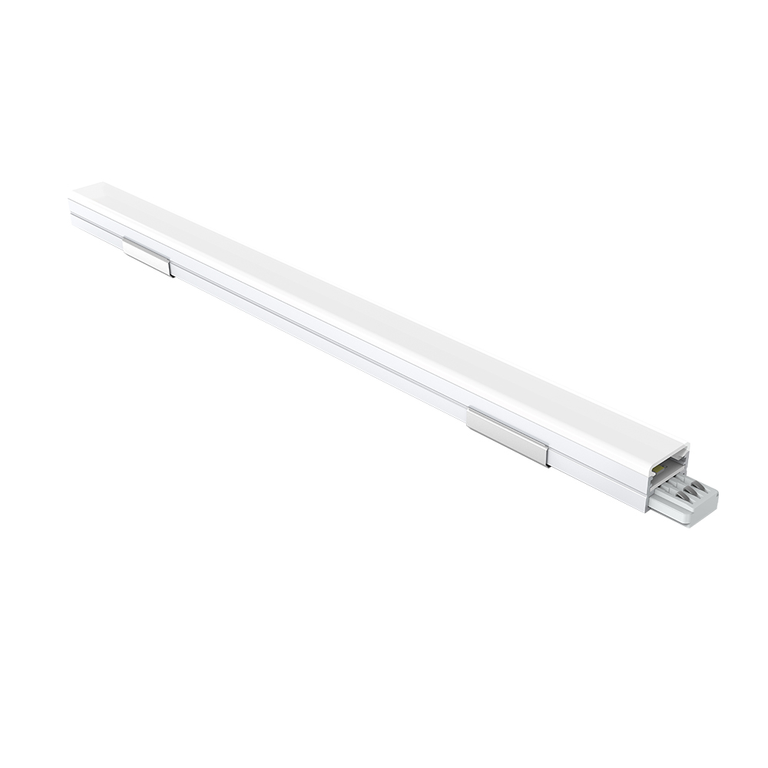
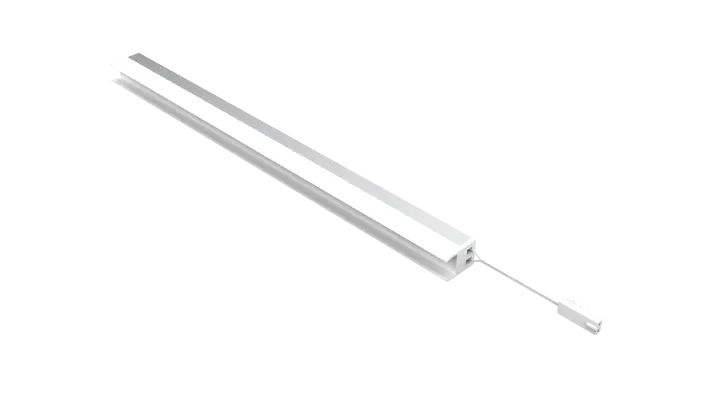
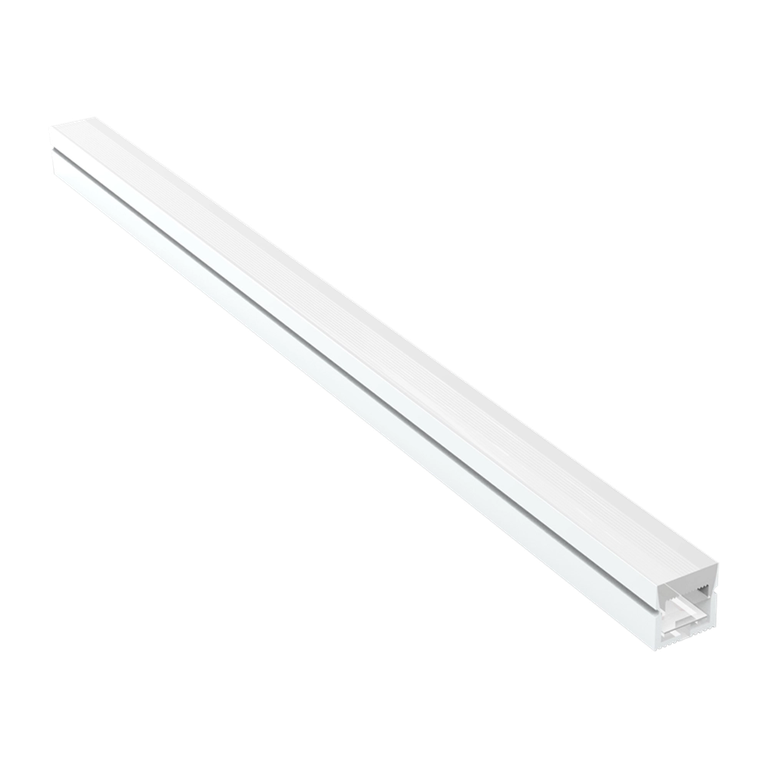
Installation conditions provide another useful filter. A concealed indoor installation and a location exposed to moisture may call for different product constructions. LEDIA Lighting‘s portfolio includes regular strip lights, silicone strip lights, and COB strip products, providing different formats for different project requirements.
How Can You Work Out What to Order?
With the run measurements and basic specifications established, create a material schedule. Give every run an identification number and record its length, location, and required strip configuration.
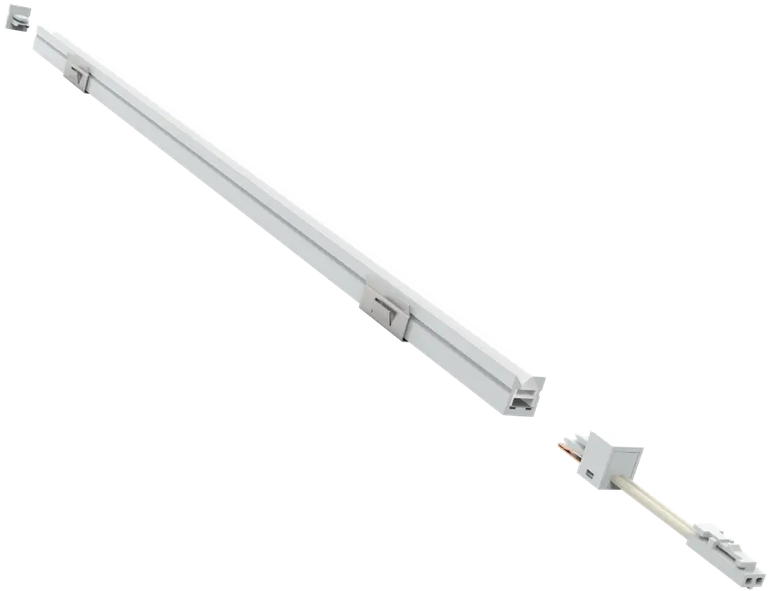
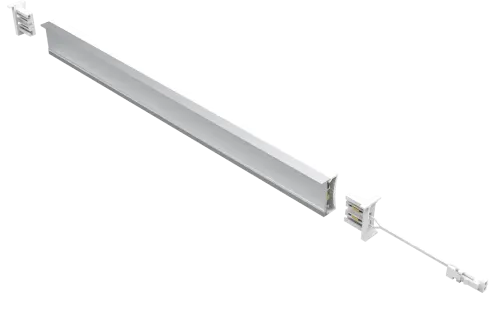
Then identify the supporting components needed to make each run functional. Depending on the project, these may include power supplies, wiring, connectors, profiles, mounting components, and control equipment. The exact list should come from the installation rather than from a standard accessory package.
Purchasing should also account for how the selected product is supplied. Confirm reel lengths, cutting arrangements, and any preparation requirements with the supplier before turning the measured length into a final quantity.
A well-organized schedule makes wholesale purchasing easier to manage because every quantity has a reason behind it. It also helps the buyer spot missing components before the order reaches the site.
What Should You Send to a Wholesale LED Strip Supplier?
A supplier does not need an elaborate specification package to quote a straightforward project, but the information should be structured. Provide the lighting locations, individual run lengths, required appearance, electrical requirements, installation conditions, and any known control requirements.
Pictures or drawings can be useful where the installation is difficult to explain in text. A simple marked-up plan can show where the strip will sit and where power or connections may be required.
For buyers working with an LED linear light manufacturer, this project information is also useful when standard products may not completely match the installation. LEDIA Lighting states that it provides customized LED linear lighting solutions, supported by dedicated R&D and production resources. Its published portfolio includes strip lighting and other linear lighting products.
Documentation requirements should be raised at the quotation stage if the project specification calls for particular certifications or technical records. Confirm the relevant documentation for the products actually being proposed rather than assuming it applies to every item in a catalog.
What Should You Check Before Approving the Order?
Before approving the purchase order, compare the supplier’s quotation with the original run schedule. Check each length, product configuration, lighting characteristic, electrical component, and accessory against the project requirement.
Look especially closely at areas where several products appear similar. A product name alone may not communicate every specification that matters to the installation, so the approved quotation should contain enough detail to identify the intended configuration.
Confirm that the supporting components correspond to the number of runs. A project can have sufficient strip length but still be incomplete if the required power supplies, wiring, connectors, or controls have been overlooked.
We use this final comparison because correcting a discrepancy before shipment is considerably easier than discovering it during installation. Once the order has been checked, the same approved list can become a useful reference for the site team.
LEDIA Lighting approaches these projects by combining its strip lighting portfolio with customized linear lighting solutions, giving commercial buyers a basis for discussing both standard and project-specific requirements.
The simplest way to begin a first wholesale project is therefore not to start with a product catalog. Start with one area, measure each lighting run, decide only the specifications that affect the result, and turn those decisions into a structured order list. Then give that information to the supplier and check the quotation against the original project plan.
For a first-time buyer, that workflow creates a clear bridge between the lighting idea and the materials required on site. It keeps the process manageable while giving the purchasing team enough information to make a confident decision. When the project grows beyond a basic installation, the same method can be expanded to run by run without abandoning the original project logic.
LEDIA Lighting can support that process when a project requires standard strip lighting or a more tailored linear lighting solution.