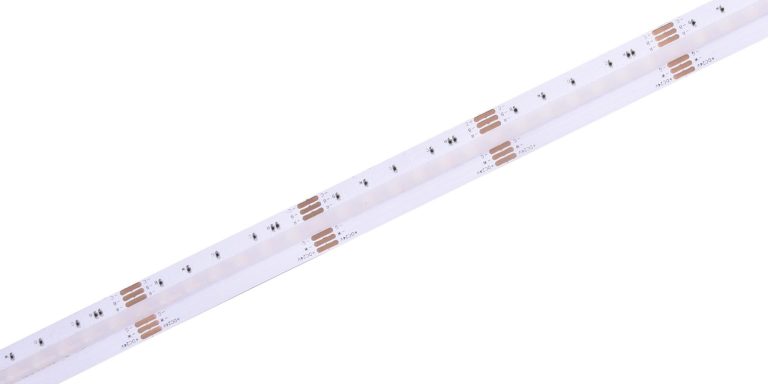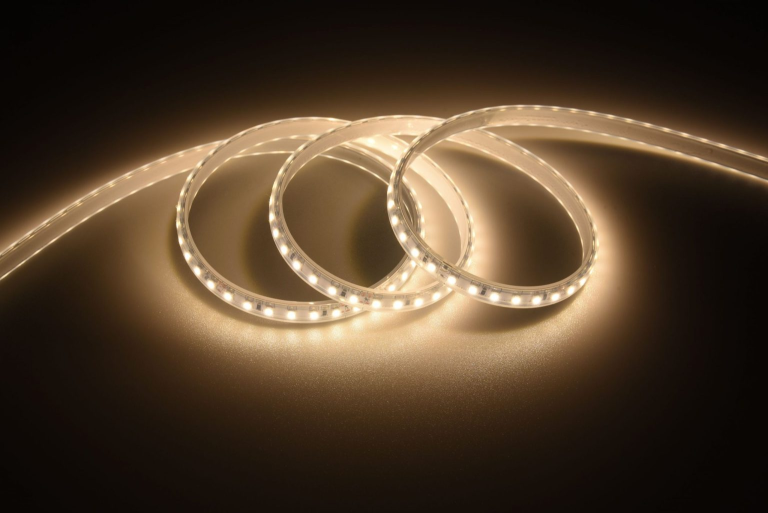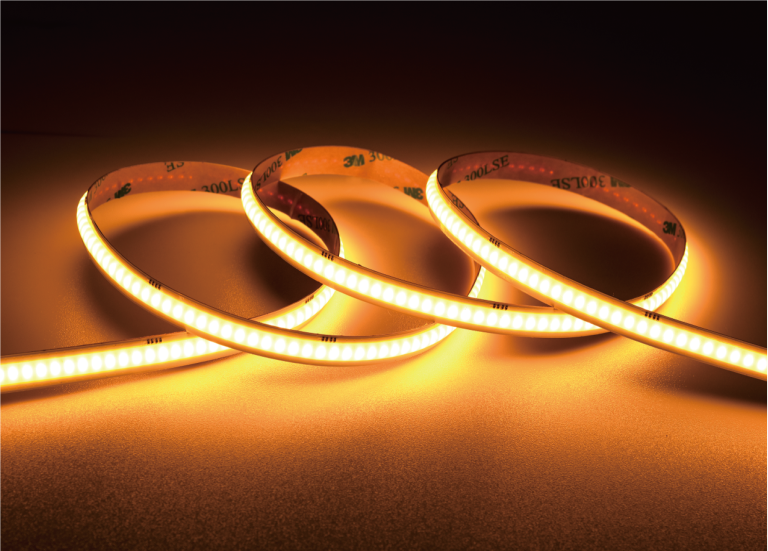
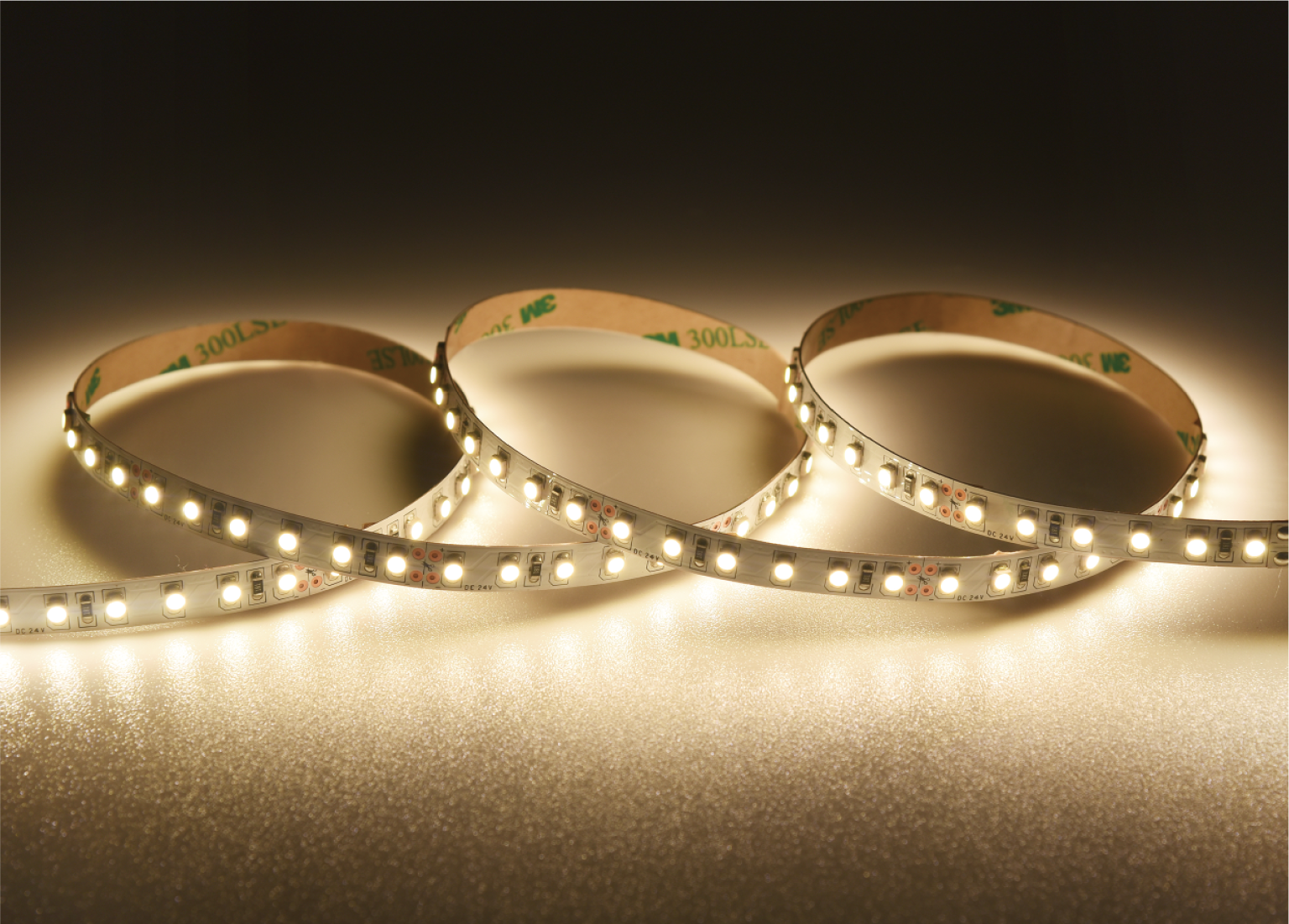
Project lighting rarely stays limited to one room or one installation method. Commercial buildings, retail interiors, offices, and residences can all contain different lighting zones, environmental conditions, and visual requirements. A well-planned system therefore needs enough flexibility to adapt without creating unnecessary specification complexity. Standard LED strip lights can provide a practical starting point when project teams define the application, performance, protection, and installation requirements before selecting products.
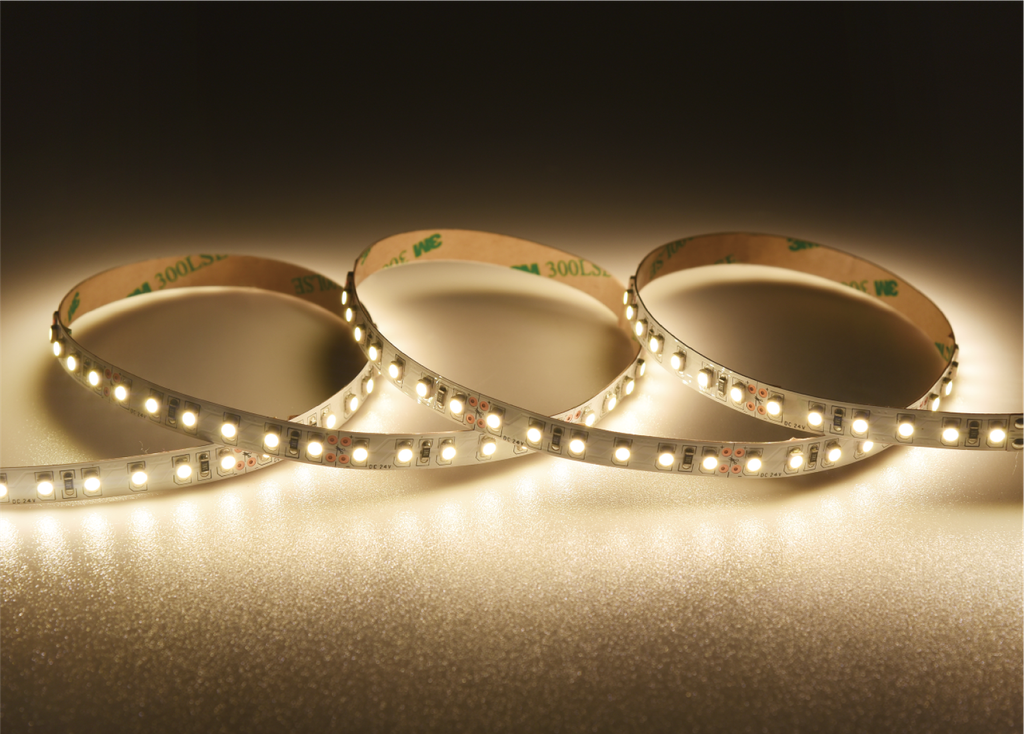
Define the Lighting Role Before Selecting Products
A flexible project starts by identifying where linear lighting will be used and what each section needs to accomplish. Cove lighting may focus on indirect illumination, while cabinet or shelf lighting may require a more concentrated visual effect. Decorative installations can prioritize appearance, whereas offices and retail spaces may place greater emphasis on color rendering and consistent output.
This approach prevents project teams from selecting one specification simply because it appears suitable for every location. Professional LED strip ranges are commonly designed for different applications, including offices, retail, hospitality, architecture, and decorative lighting.
Use Standard LED Strip Lights as a Modular Base
Standard products can make procurement and installation easier when a project contains repeated applications. Instead of developing a completely different lighting solution for every area, teams can establish a core strip specification and adjust selected parameters, such as protection level or color rendering, where conditions require it.
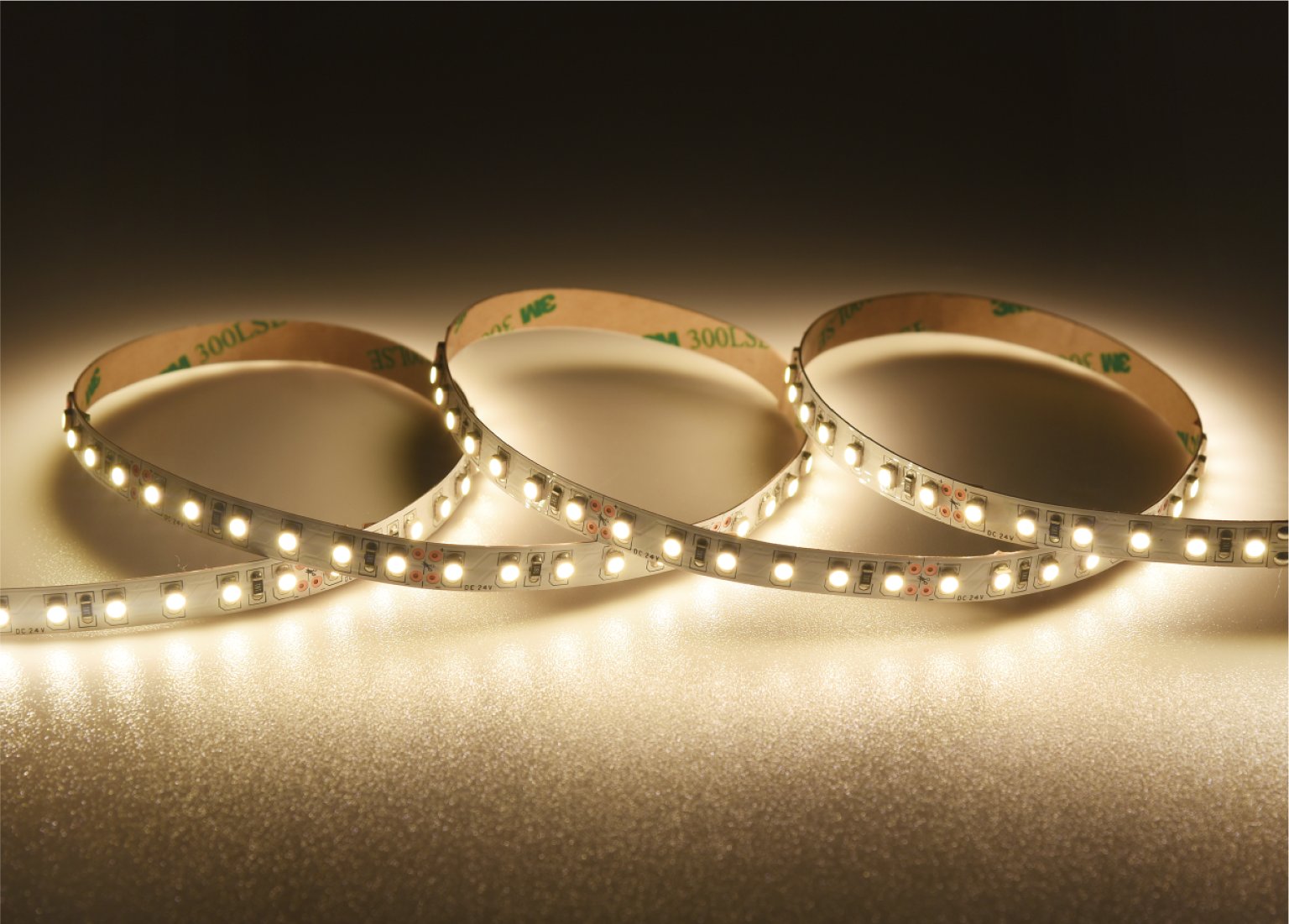
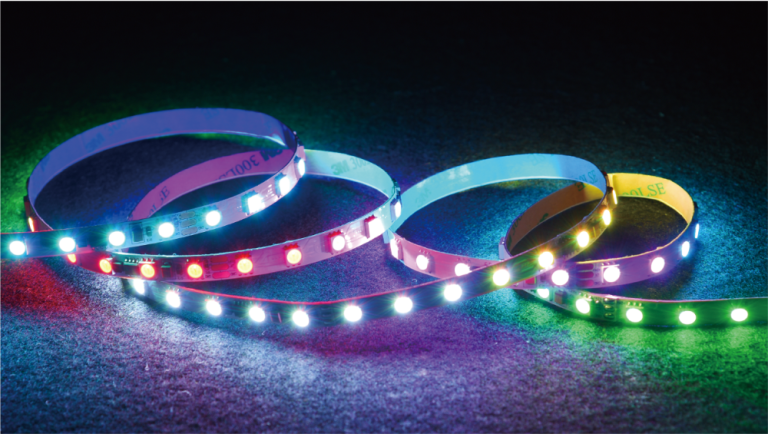
Our Classic Series provides a practical foundation for projects that need reliable, adaptable strip lighting across multiple spaces. Using 2835 and 5050 SMD LEDs, the series supports different lighting needs, from general ambient illumination to applications requiring stronger visual impact.
Efficacy reaches up to 110 lm/W for CRI 80+ versions and up to 90 lm/W for CRI 90+ versions, helping buyers compare energy performance alongside color quality. With CRI 80+, 90+, and 95+ options, project teams can standardize their core lighting specifications while adjusting color rendering to suit different areas and applications.
Match CRI to the Project’s Visual Priorities
Color rendering should be considered when lighting affects how products, materials, finishes, or interiors are perceived. CRI 80+ can be appropriate for many general applications, while higher CRI options can be considered where color appearance is more important.
Retail displays, galleries, hospitality interiors, and premium residential spaces may benefit from higher color rendering depending on the design objectives. For broader commercial projects, a consistent CRI specification across repeated areas can also simplify procurement and maintenance.
With our Classic Series, project teams can select CRI 80+, 90+, or 95+ versions instead of being restricted to a single performance level. This gives designers and contractors more room to balance visual quality, project requirements, and budget.
Select IP Protection by Installation Environment
Flexibility does not mean using the same protection rating everywhere. The IP code identifies protection against solid objects and water, with the first digit addressing solids and the second addressing moisture. IEC 60529 provides the framework for these protection classifications.
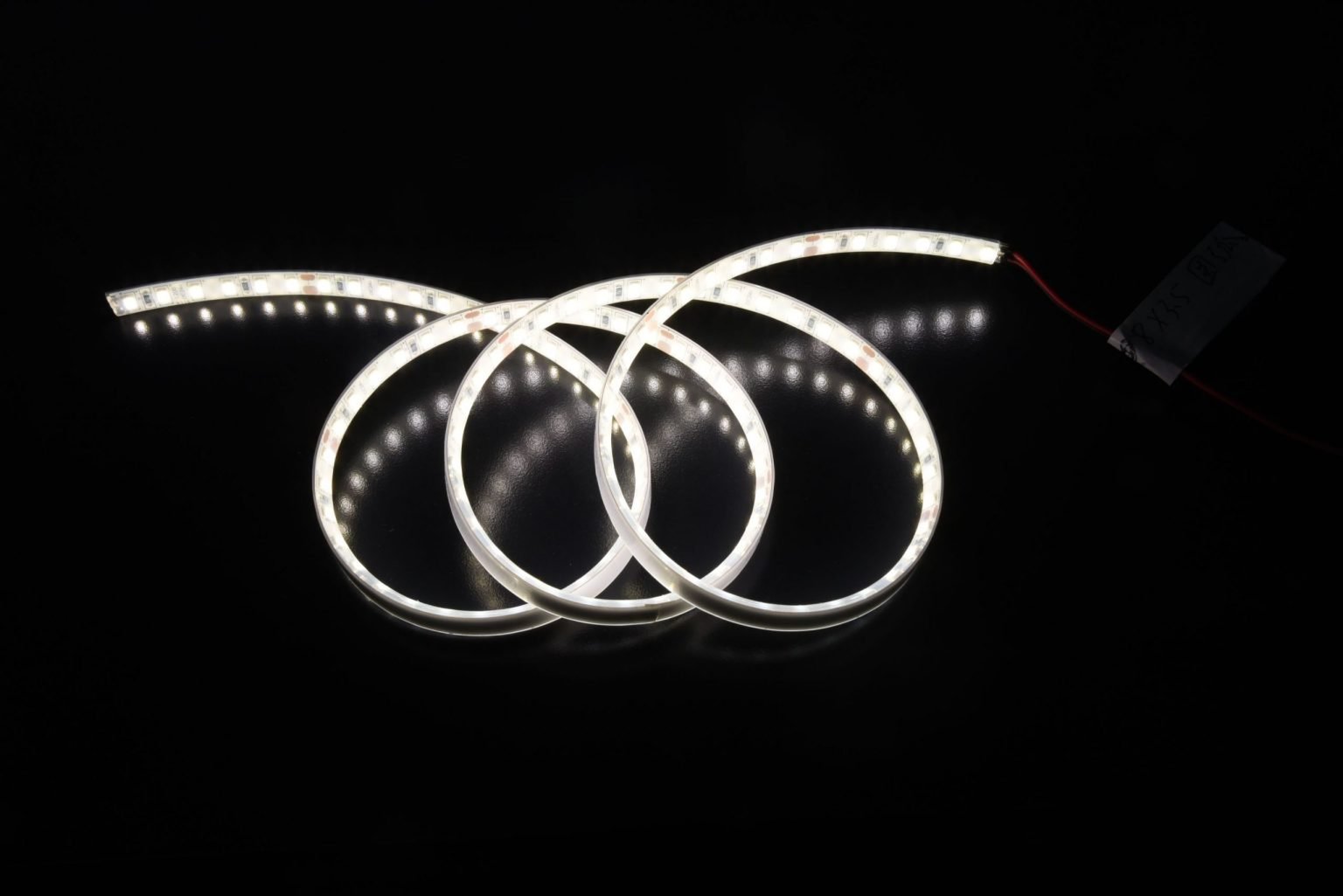
Our Classic Series is available in IP20, IP65, IP67, and IP68 options. IP20 is intended for suitable dry indoor applications, while higher protection levels can be considered when moisture or water exposure becomes part of the installation conditions. Choosing the rating according to the actual environment helps avoid both under-specification and unnecessary over-specification.
Plan for Different Commercial and Residential Uses
Office, residential, retail, and decorative projects can all benefit from linear LED lighting, but their requirements are rarely identical. Offices may require consistent illumination across work areas, while residential installations often emphasize concealed accent lighting. Retail projects may combine shelf, display, ceiling, and architectural applications.
For these situations, standard LED strip lights can provide a common product platform while allowing project teams to select different versions according to the location. Our Classic Series is specifically suited to office, residential, retail, and decorative lighting, making it practical for projects where several application types need to coexist.
Make Installation Flexibility Part of the Plan
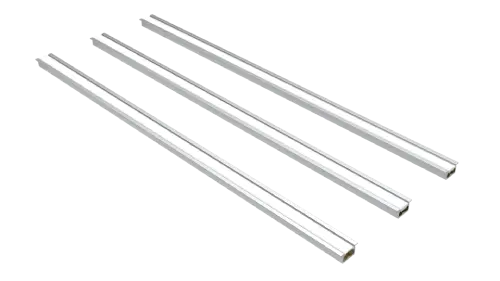
Product selection should also consider how the strip will be installed, accessed, and maintained. Before ordering, project teams should establish required lengths, cutting positions, power arrangements, mounting methods, and available space. These details can affect whether the selected strip is practical for the actual installation.
For larger projects, standardization can also reduce unnecessary variation between areas. A consistent product family can make installation documentation easier to manage and simplify replacement planning. However, installers should still follow the manufacturer’s requirements for electrical connections, power supplies, mounting, and environmental conditions.
Consider Efficiency, Quality, and Service Life
Efficiency matters when linear lighting is installed across substantial lengths. Even small differences in efficacy can become meaningful when a project contains many meters of lighting operating for extended periods. Teams should therefore compare efficacy alongside CRI, power consumption, application requirements, and expected operating conditions.
Our Classic Series reaches up to 110 lm/W with CRI 80+ and up to 90 lm/W with CRI 90+, providing project teams with defined performance options. The series also carries a three-year warranty, giving distributors, contractors, and project buyers a clearer framework for product selection and after-sales planning.
What Makes a Flexible LED Strip Supplier?
Choosing a best brand for LED strip lights should involve more than comparing product appearance or unit price. Business buyers should examine manufacturing capabilities, product consistency, available specifications, certifications, technical support, customization capacity, and warranty terms.
For project procurement, a supplier that can support different application requirements may be more useful than one offering only a narrow product range. We combine LED strip manufacturing with broader capabilities in linear fixtures, cabinet lights, high-bay lighting, and tri-proof lighting, allowing us to support different indoor and outdoor project needs.
Build a Scalable Specification for Future Projects
A good lighting specification should work beyond the first installation. When project teams establish clear selection criteria for output, CRI, IP rating, application, and warranty, the same framework can be reused across future projects while allowing appropriate adjustments.
This is where choosing the best brand for LED strip lights becomes a project-management decision as much as a product decision. At LEDIA Lighting, we support standard and customized LED lighting requirements, helping project partners select solutions according to installation conditions rather than forcing every application into one specification.
A flexible project does not require unlimited product variations. It requires a well-defined product platform that can adapt where necessary. By combining the appropriate IP rating, CRI, efficacy, installation method, and application-specific requirements, we can use standard LED strip lights as a reliable foundation for diverse commercial and residential projects while keeping procurement and specification more manageable.