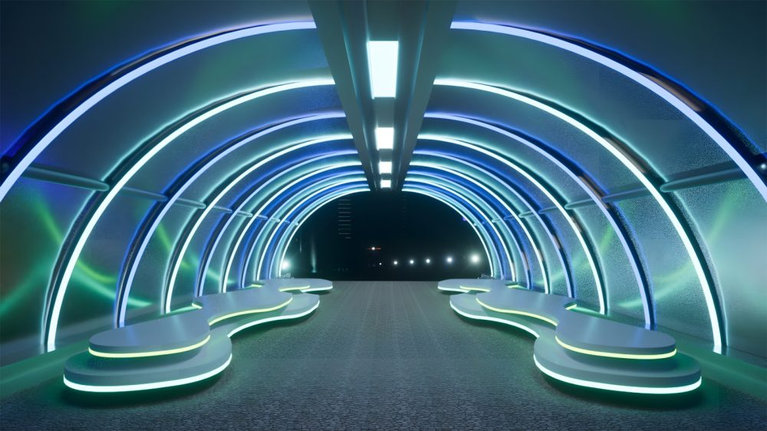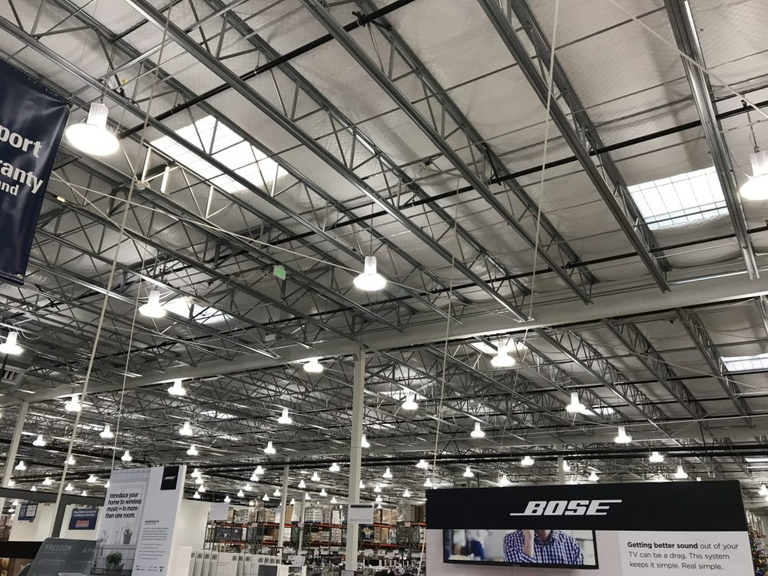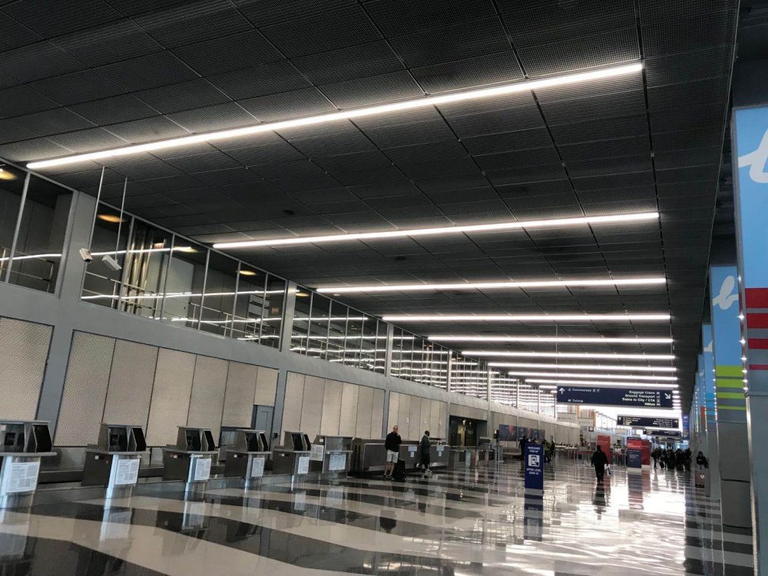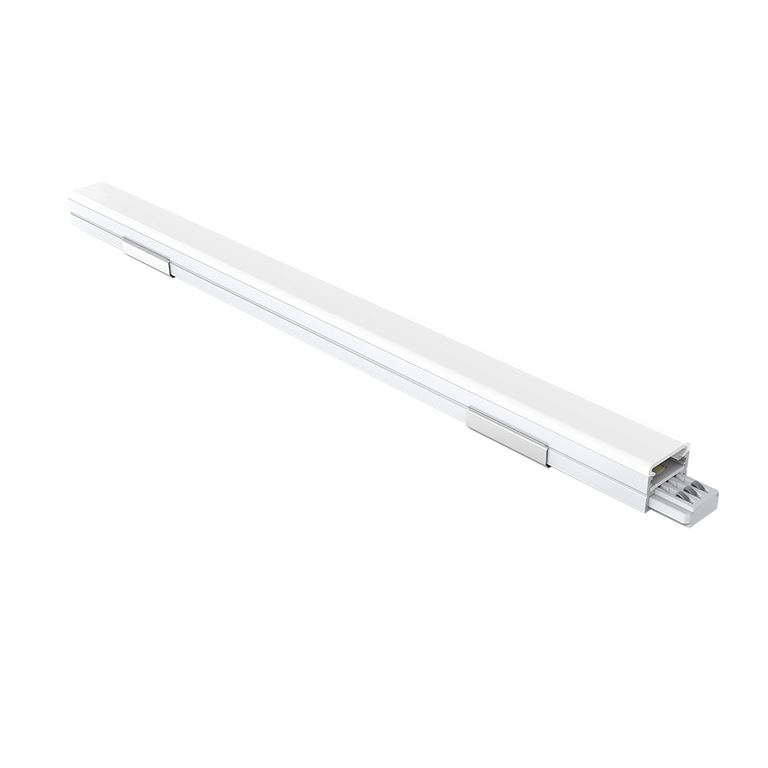
A modern interior can look visually crowded even when the lighting specification is technically sound. Exposed fixtures, inconsistent light lines, and unnecessary hardware can distract from the architecture. For projects seeking a restrained appearance, the better question is often not how much lighting to add, but how discreetly the light can be integrated.
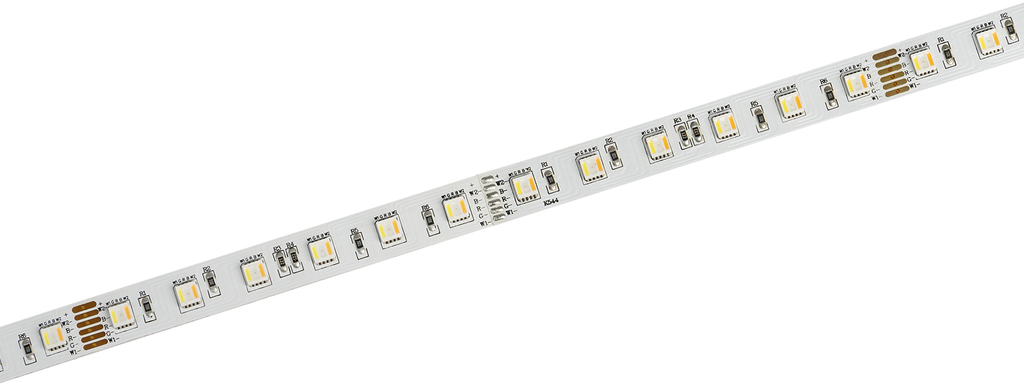
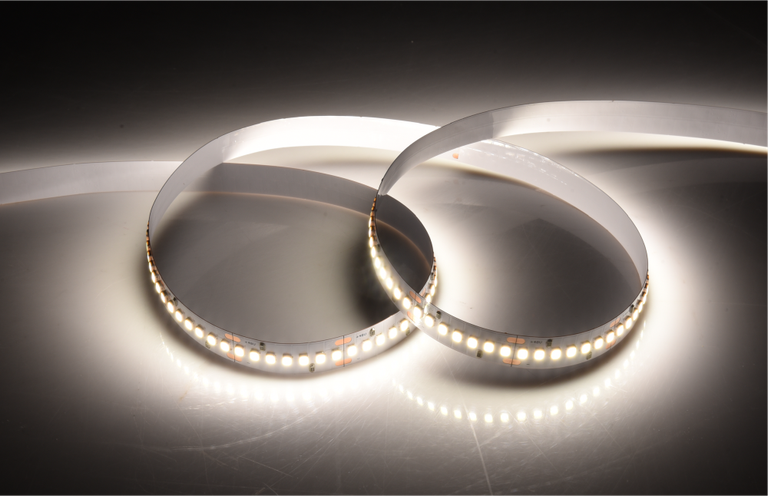
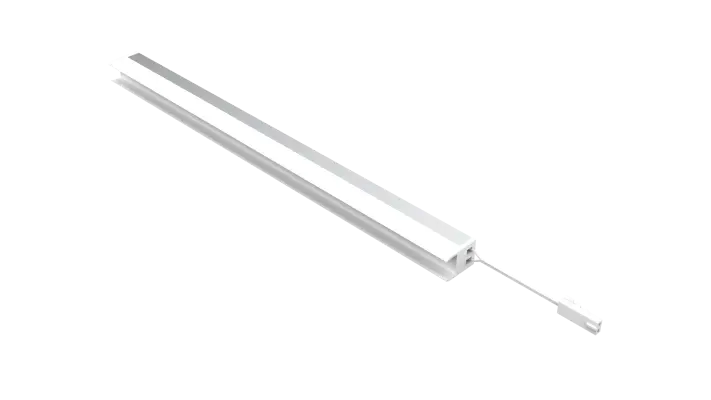
That is where standard LED strip lights can be useful. Their flexible linear format can follow architectural details while keeping the physical source relatively unobtrusive. A clean result, however, depends on how the strip is selected, positioned, concealed, powered, and viewed.
What Actually Creates a Clean Modern Lighting Line?
A modern lighting effect usually has a clear visual hierarchy: the illuminated surface attracts attention while the lighting hardware remains secondary.
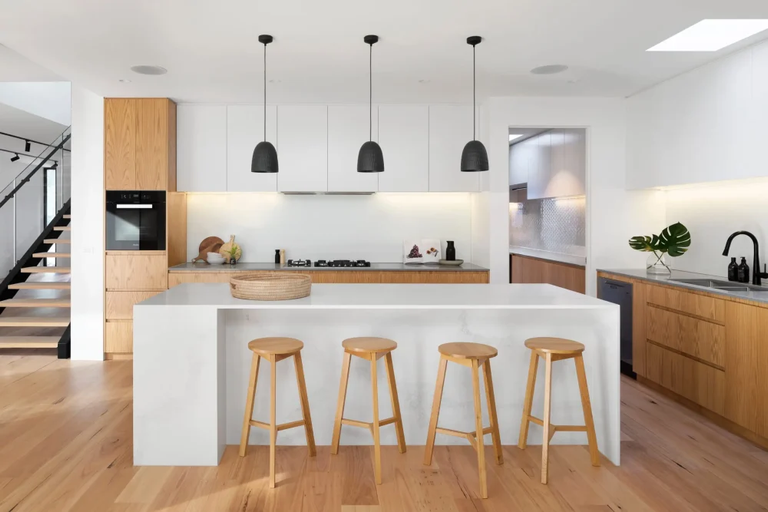
Strip lighting can support this relationship because the source can be incorporated into narrow architectural details. Instead of placing a visible luminaire across a ceiling or wall, designers can introduce illumination along an edge, recess, shelf, joinery element, or other linear feature.
If the strip is visible from normal viewing positions, the LEDs, mounting method, wiring, or uneven alignment can become part of the visual composition.
At LEDIA Lighting, we treat the visible result as the starting point. The strip is successful when the finished installation looks deliberate and the lighting line appears to belong to the architecture.
Why the Architectural Detail Determines the Result
A suitable strip installed in the wrong location can still produce a poor-looking result. Designers and contractors should establish where the source will sit relative to the surface it illuminates.
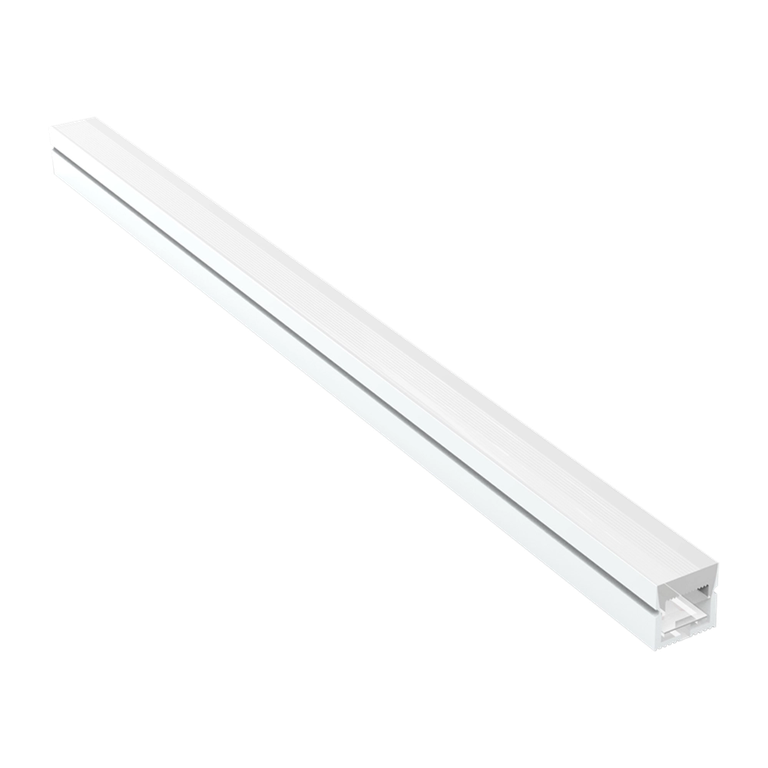
Distance, orientation, concealment, and the mounting area influence how the illuminated feature appears. A strip hidden inside an architectural detail presents a very different result from one installed where individual LEDs remain directly visible.
Alignment matters too. A continuous linear concept can lose its precision if adjacent sections do not meet cleanly or if corners, transitions, and cable exits are visibly unresolved.
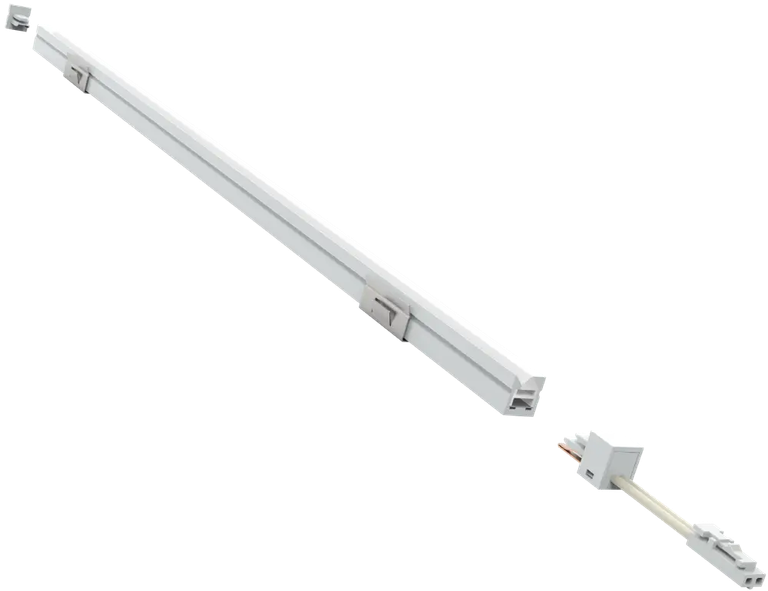
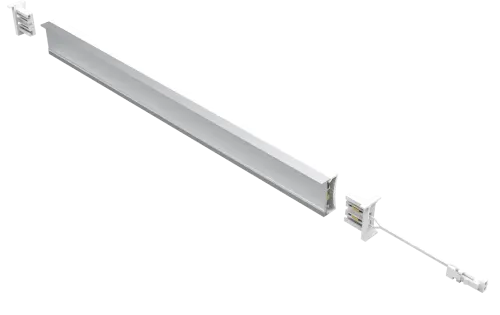
Power supplies, connections, mounting methods, and controls should also be considered during the detailing stage rather than treated as installation afterthoughts.
How Should the Strip Be Selected for a Restrained Scheme?
Selection should begin with the intended lighting role. Is the strip creating an indirect glow, emphasizing a surface, illuminating a cabinet, defining a display, or producing a decorative effect? The answer establishes the direction for product selection.
Available width, mounting surface, required length, bending conditions, and access for installation or replacement should then be resolved before the product is finalized.
Electrical planning follows. Confirm the required voltage, power arrangement, control method, and total installation configuration against the manufacturer’s product information. A strip should not be specified solely from its appearance in a catalogue photograph.
LEDIA Lighting’s regular strip-light range includes several product series and configurations, making it useful to define the visual and technical objective before comparing individual options.
When Does a Standard Strip Need a Different Approach?
“Clean and modern” does not always mean a conventional white linear source. Some interiors deliberately use color or require a more continuous-looking emitting surface.
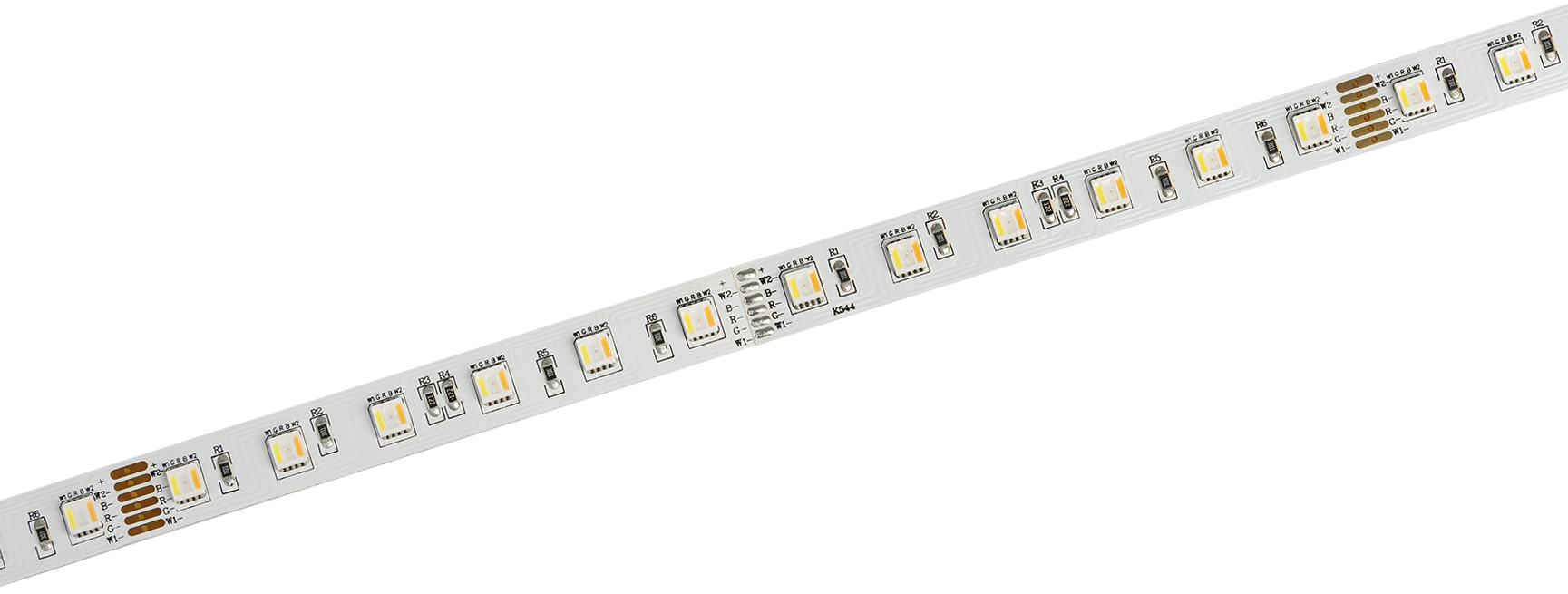
An RGB cob LED strip may be relevant when the design calls for color-changing illumination. RGB describes color capability, while COB describes LED construction; they are not interchangeable terms. The selected product should therefore be checked for the exact combination required.
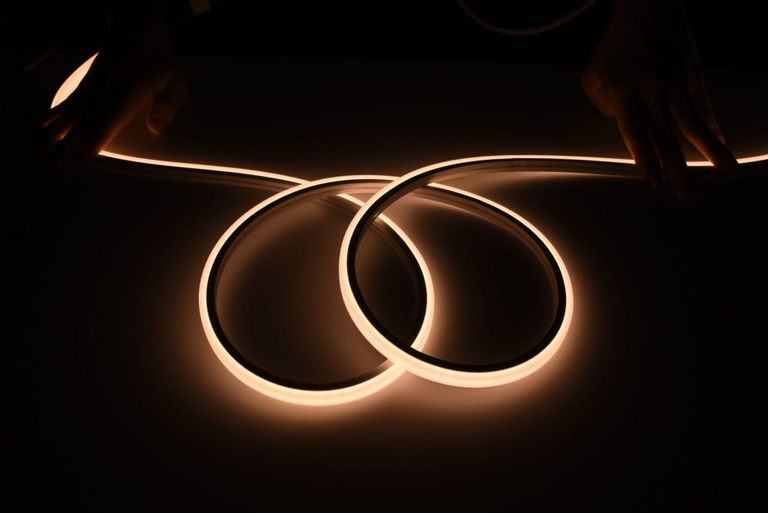
COB construction can also be considered where the visual character of the emitting line is a priority. The final appearance still depends on installation geometry and whether the source is directly visible.
Additional functionality should have a clear purpose. Introducing RGB simply because it is available can make a carefully controlled interior feel less coherent, while omitting color capability from a project built around dynamic illumination can create limitations later.
How Can Contractors Preserve the Clean Appearance on Site?
Consistency is easy to underestimate. A modern lighting concept often depends on the eye reading several sections as one intentional line.
That requires attention to transitions between runs, changes in direction, termination points, and the relationship between the strip and illuminated surface. Small installation deviations can become obvious once the lighting is switched on.
Planning should distinguish between what needs to be hidden and what must remain accessible. Concealing the source can improve the visual result, but service access should still be considered during detailing.
Contractors can reduce rework by resolving the architectural detail, strip position, electrical arrangement, and access strategy together. This prevents the lighting from being forced into a space that was never designed to accommodate it.
A Modern Look Is Designed Before the Strip Is Installed
Using standard LED strip lights for a modern appearance is fundamentally a detailing exercise. The strip provides the linear source, but the architecture determines whether that source looks integrated or added on.
We recommend defining the desired luminous effect first, then selecting the strip configuration that fits the physical and electrical constraints. The referenced regular-strip range includes multiple options, so the final choice should be based on actual product specifications rather than the generic category name.
Clean execution also depends on accurate positioning, controlled visibility, resolved connections, and a practical maintenance strategy. Those decisions can influence the final appearance as much as the strip itself.
For projects where color-changing illumination is genuinely required, an RGB cob LED strip can be evaluated against the project’s control and visual objectives. Simpler architectural accents may be better served by a conventional configuration.
At LEDIA Lighting, we see the modern look as the outcome of coordinated specification and installation. When the light source, architectural detail, and electrical system are designed as one element, linear lighting can remain visually quiet while giving the space a precise architectural character.