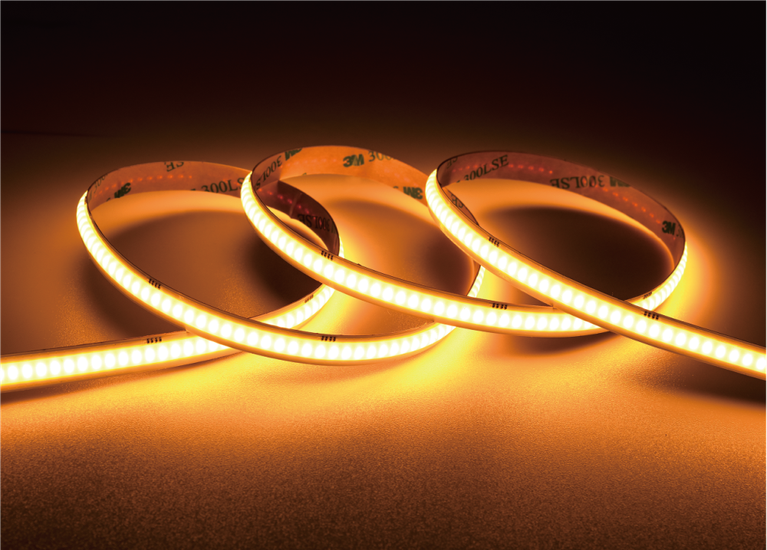
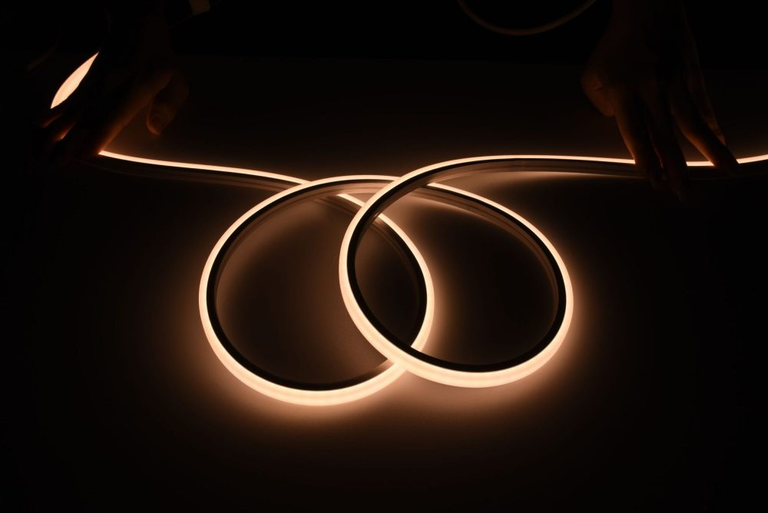
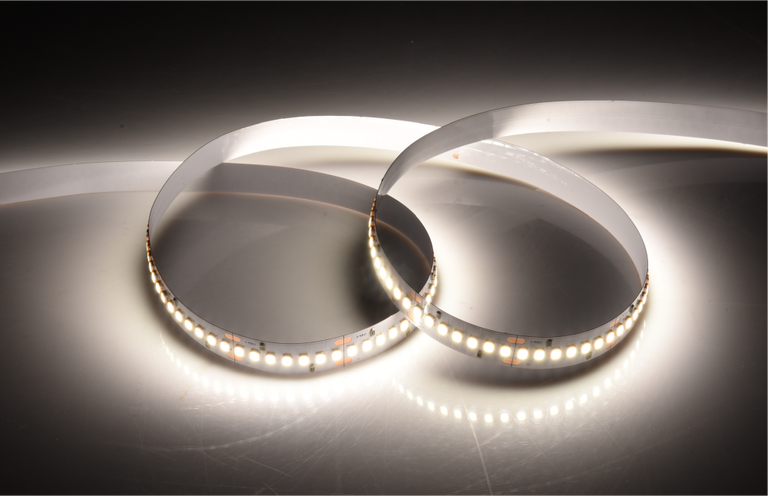
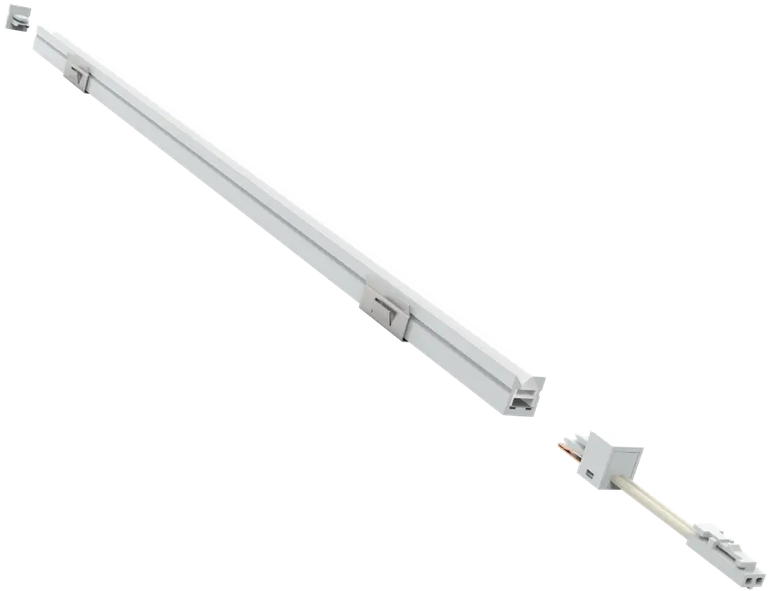
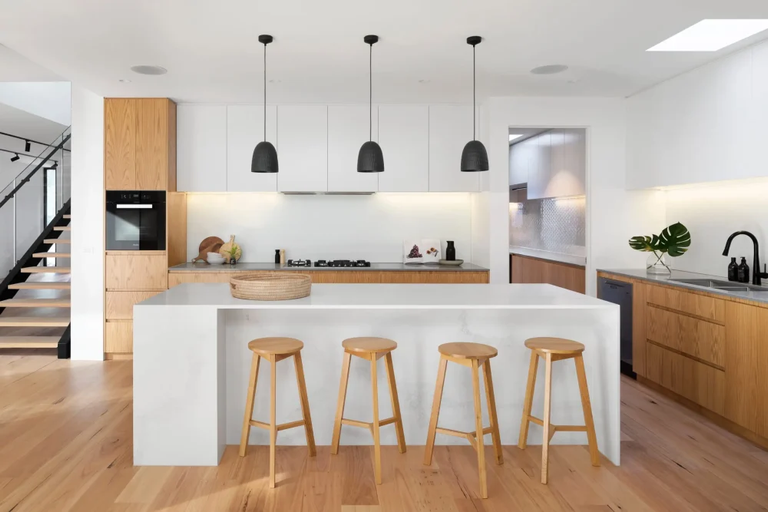
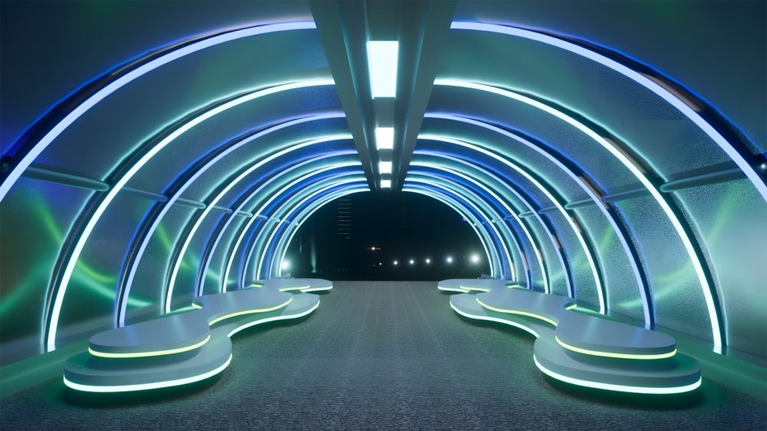
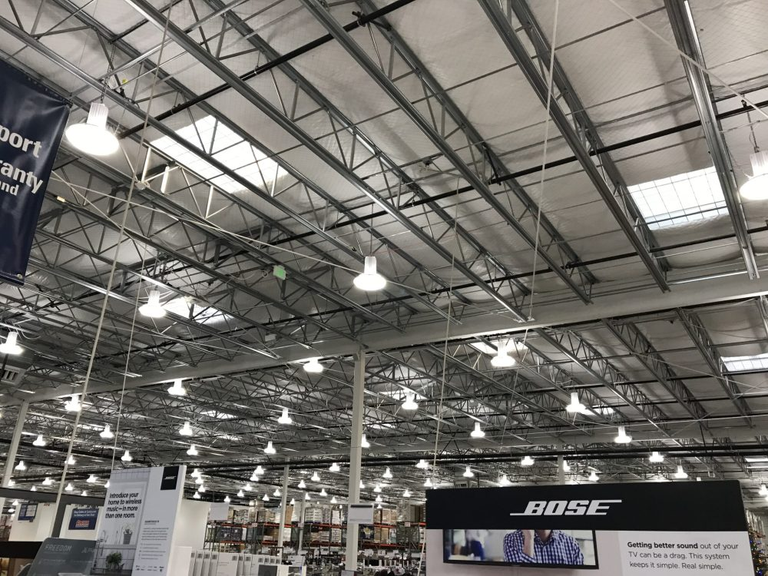
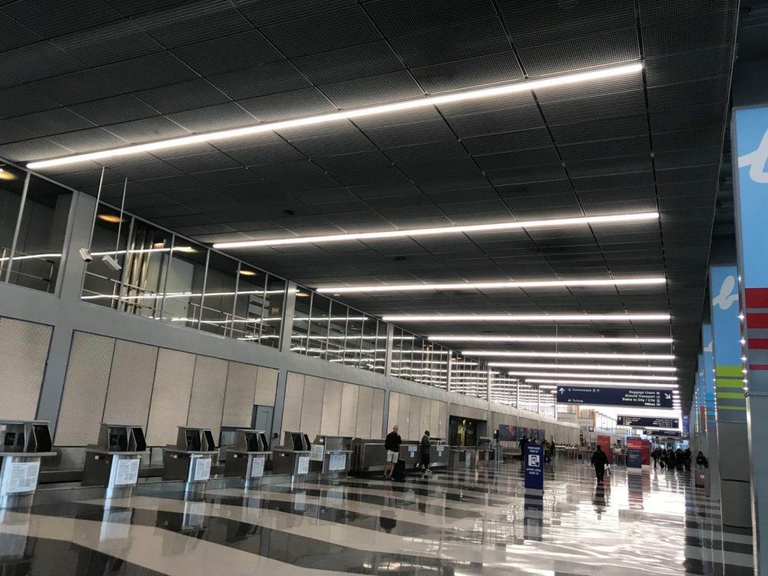
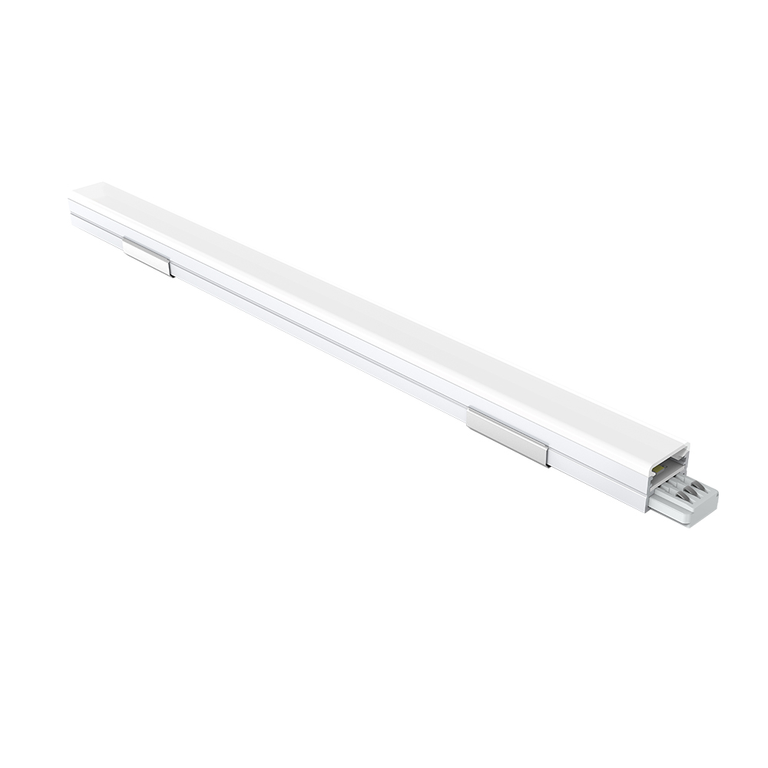
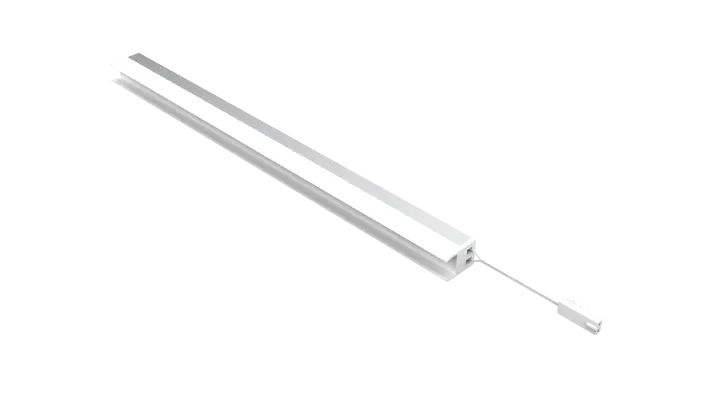
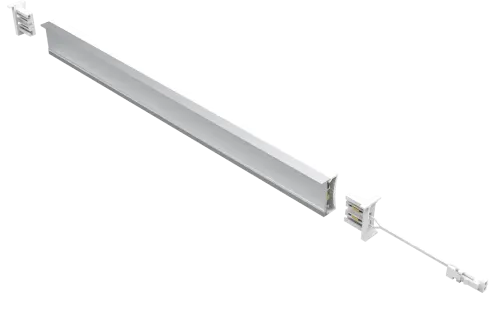
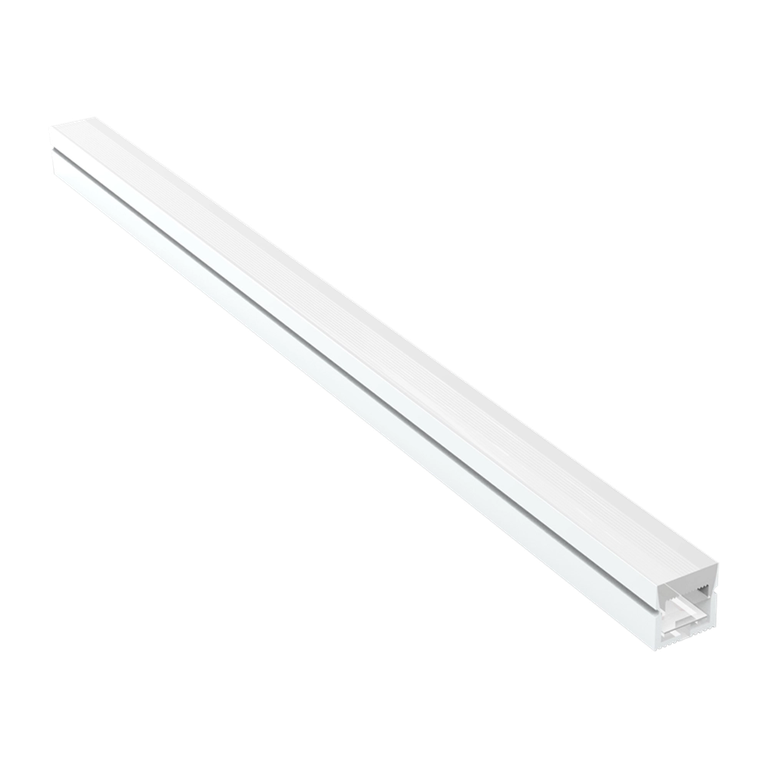
A long, clean lighting line can serve very different purposes depending on where it is installed. In an office, it may define a comfortable working zone. In a retail store, the same linear form can reinforce circulation or highlight merchandise. A warehouse needs something different again: dependable illumination across a large, high-ceiling space.
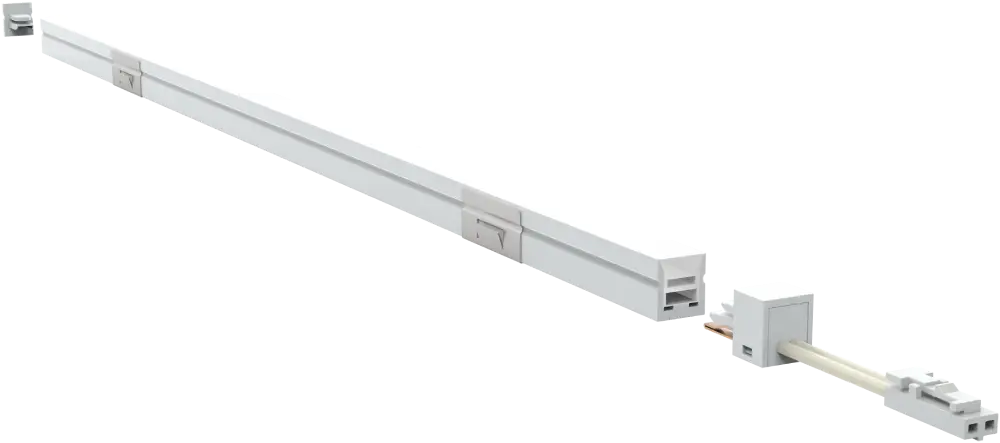
That is why choosing a linear light fixture should start with the application rather than the appearance of the product. Installation position, ceiling height, working environment, required light distribution, and the way people use the space all influence which linear solution makes sense.
LEDIA Lighting’s fixture range reflects this difference, covering office linear, tri-proof linear, and linear highbay products within its broader fixture portfolio.
Offices Use Linear Light to Shape the Working Environment
Office lighting is rarely just about putting enough light into a room. Open-plan offices, meeting rooms, corridors, and collaborative areas can have different layouts, and the lighting arrangement needs to work with desks, circulation paths, screens, and architectural features.
Suspended linear fixtures are particularly suited to spaces where the lighting line can follow the arrangement of workstations. LEDIA describes its office linear range as covering multiple series, including Juno, Kyros, Elite, Glory, Lyra, and Edge. Its linear lighting guide also identifies surface-mounted, recessed, and suspended installation as distinct approaches.
Installation style can therefore change the character of the same room. A recessed fixture can visually disappear into the ceiling, while a suspended system can establish a clear lighting rhythm above desks or circulation areas.
For office projects, office linear lighting should consequently be considered alongside the ceiling plan and furniture arrangement. The fixture is part of the spatial layout, not simply another ceiling-mounted component.
Retail Spaces Use the Same Linear Form for a Different Job
Retail lighting introduces a different priority. The space needs functional illumination, but it also needs to support merchandising and customer movement.
A linear fixture can create a continuous visual direction across a store, reinforce aisles, or contribute to a clean architectural ceiling. LEDIA’s reference cases include linear fixtures used in supermarkets, showing how the format can be applied in commercial retail environments.
The important distinction is that retail layouts are often organized around merchandise rather than desks. A lighting line that works over an office workstation may not produce the same result over shelves or display areas.
Spacing and orientation therefore need to follow the store plan. The fixture should support the merchandise layout without competing with it. Continuous lines can also help create visual order in larger retail environments where multiple product zones need to feel connected.
Warehouses Need Linear Fixtures Built Around Ceiling Conditions
A warehouse changes the lighting problem again. Ceiling height, aisle arrangement, storage racks, and the required coverage area become much more significant than decorative appearance.
Warehouses and garages demand higher luminous flux, which is why our product documentation positions the LEDIA linear highbay D series specifically for these larger spaces. Published models span from 60W to 200W, backed by corresponding lumen outputs that we provide for the entire series.
That makes a highbay linear format fundamentally different from an office fixture, even though both create an elongated lighting pattern. The fixture needs to work at the mounting height and provide illumination across the intended working area.
Industrial projects should therefore begin with the ceiling and storage configuration. A product selected without considering mounting height or aisle geometry can produce an inefficient lighting arrangement, regardless of how suitable the fixture looks on paper.
Stations and Public Areas Benefit From Continuous Lighting Lines
Transportation and public spaces introduce yet another application. Corridors, platforms, concourses, and other circulation areas can extend over considerable distances, making consistent visual direction particularly useful.
Integrating continuous lines with architecture to create a distinct lighting rhythm along movement paths is a strategy we applied in a station project featured in LEDIA’s reference cases. By utilizing linear fixtures in these environments, we ensure the installation matches both the structural lines and the functional flow.
Public projects also tend to require lighting that can operate reliably in demanding environments. The appropriate fixture therefore depends on whether the installation is an indoor architectural application or a location exposed to dust, moisture, impact, or other environmental conditions.
This is where linear lighting branches into different constructions. LEDIA’s tri-proof linear B and C series are described for harsh environments such as factory halls, parking garages, storage areas, and other locations where protection from water, dust, impact, and vibration is relevant.
The Fixture Should Follow the Space, Not the Other Way Around
Looking across these applications, the word “linear” describes the form of the light, not a single use case. Offices need a fixture that works with people and workstations. Retail projects need lighting that supports merchandise and circulation. Warehouses require solutions designed around high ceilings and large coverage areas. Stations and public spaces may prioritize continuous architectural lines and dependable operation.
LEDIA Lighting organizes its linear portfolio around these different project conditions, including office linear, tri-proof linear, and linear highbay categories.
For project buyers, the practical starting point is therefore the space itself. Identify what the lighting needs to accomplish, where the fixture will be mounted, what environmental conditions it will face, and how the light needs to interact with the layout.
The product category can then be narrowed down with much less guesswork. A linear light fixture selected this way is not simply filling a ceiling; it is performing a defined role within the project.
That same logic makes office linear lighting easier to specify. Instead of treating the office as a generic indoor application, the team can consider the actual work areas, ceiling construction, installation method, and desired visual structure before deciding on the fixture.
Across supermarkets, stations, warehouses, parking areas, and other commercial spaces, LEDIA Lighting has built a diverse project portfolio that demonstrates how we adapt linear fixtures to fulfill completely different roles depending on the environment.
The most useful way to explore linear lighting applications is therefore not to ask where linear fixtures “can” be used. It is to ask what the space requires the lighting to do. Once that question is answered, the appropriate linear format becomes much easier to identify.