A successful lighting project involves more than choosing fixtures. Designers, contractors, furniture manufacturers, and distributors must consider surface integration, installation access, and how people use the finished space. Recessed solutions create a clean appearance while providing practical illumination. At LEDIA Lighting, we connect application planning with product details, installation needs, and visual quality.
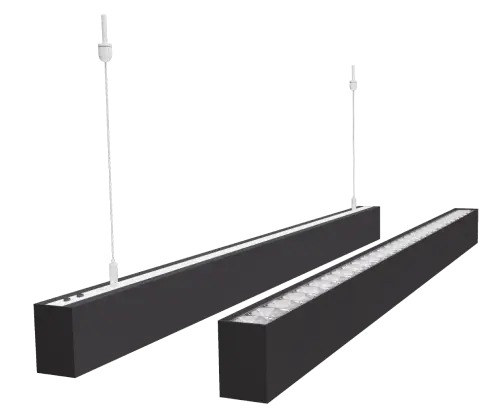
As an LED linear light manufacturer, we provide strip lights, linear fixtures, cabinet lights, high-bay lights, and tri-proof lighting. For furniture and retail projects, our F02 aluminum strip light integrates into cabinetry, shelving, and display fixtures.
Begin with the Space, Not Just the Profile
We first identify how the area will be used and where lighting will sit. Wardrobes need useful illumination for selecting clothes, while retail displays must make merchandise visible. Kitchens, shelves, and closets have different dimensions and usage patterns. These details determine placement, length, light quality, and control requirements.
A recessed LED profile works best when considered before furniture and architectural details are finalized. Early coordination allows teams to plan the groove, cable routes, power supply, and maintenance access. It also helps avoid conflicts with hinges, shelves, doors, and other built-in components.
Match the Lighting Method to the Application
In homes, integrated lighting improves usability while keeping the source discreet. Under-cabinet fixtures illuminate kitchen work surfaces, while wardrobe and closet lighting makes contents easier to identify. Recessed lines in shelves or display niches add depth without taking up usable space.
Commercial projects add other priorities. Retailers use integrated lighting to emphasize products and illuminate shelving consistently. Furniture makers and shopfitters often repeat cabinet dimensions, making installation speed important. A recessed LED profile creates a neat result when its dimensions and output match the fixture design.
Use F02 for Integrated Furniture and Retail Lighting
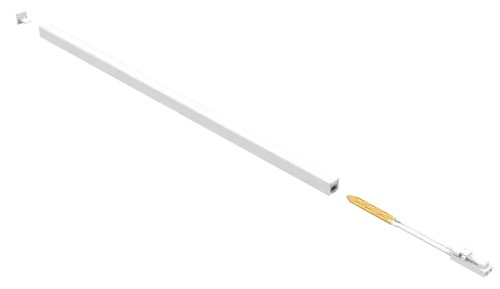
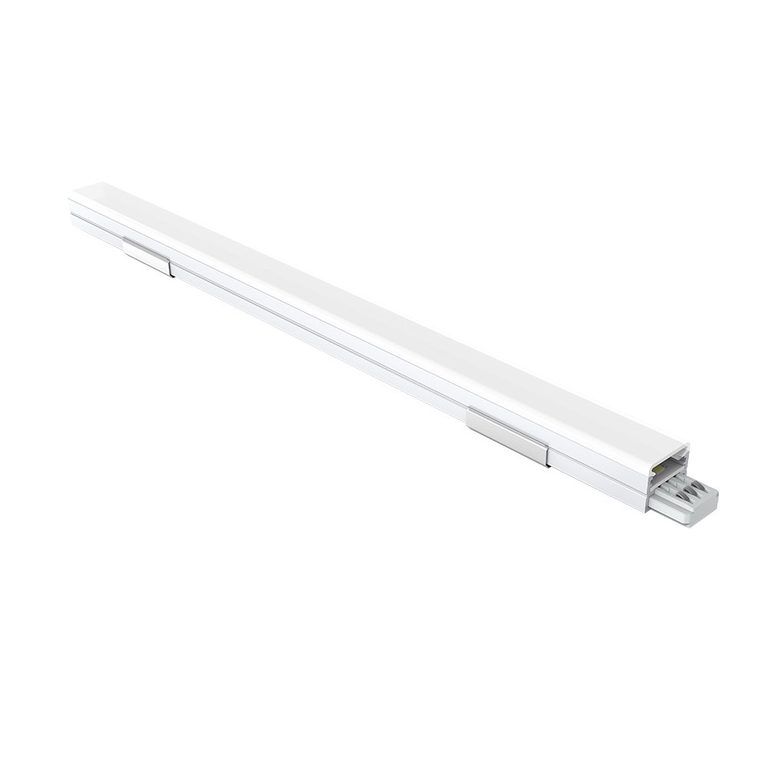
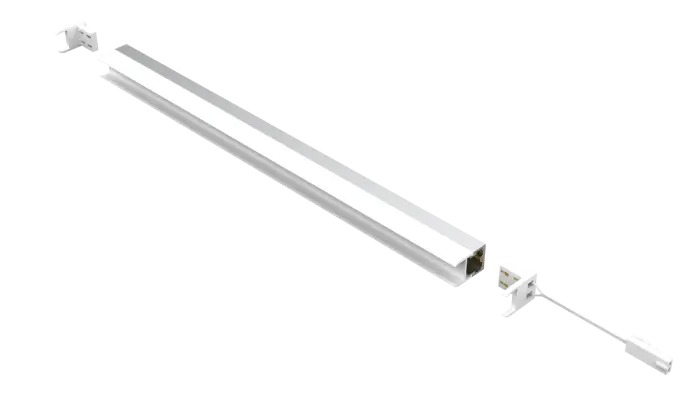
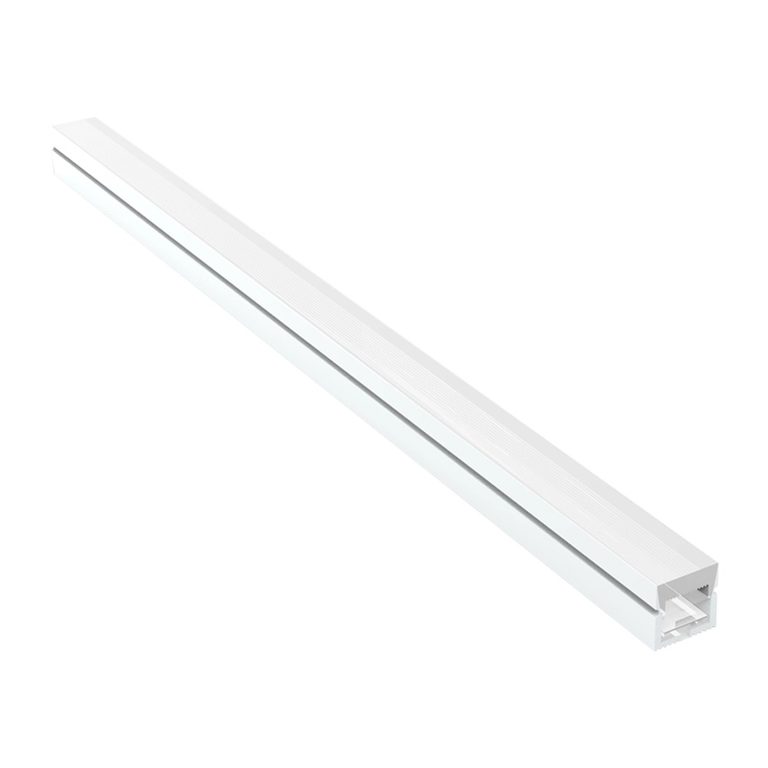
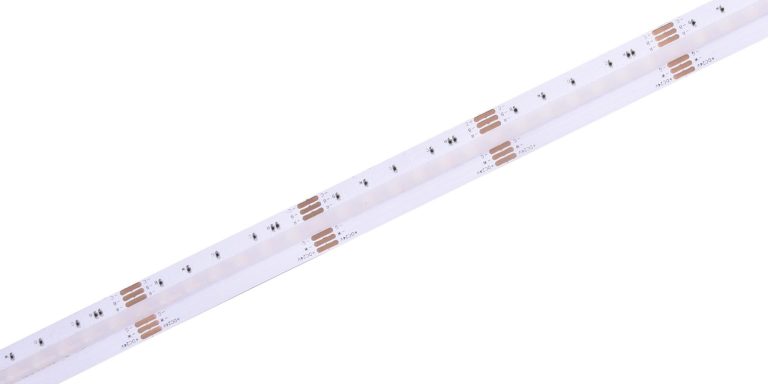
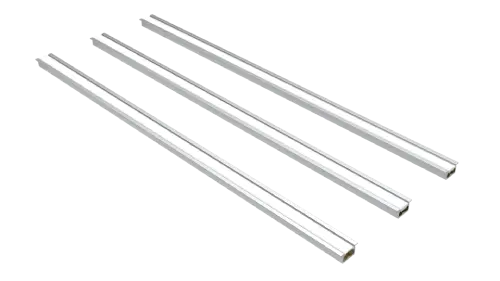
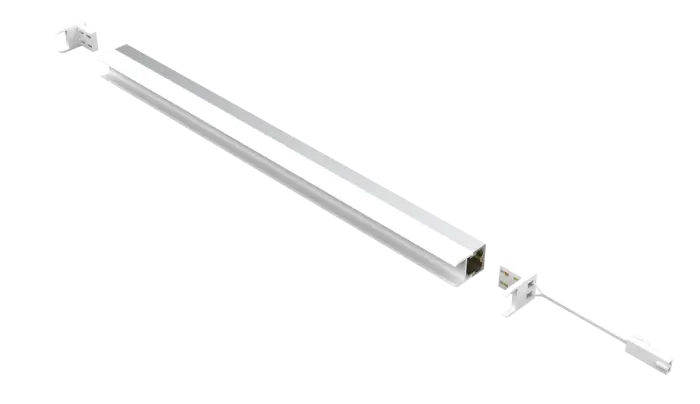
Our Built-in & Free Cutting Alu Profile Strip Light F02 is designed for furniture and retail applications. Its patented quick plug-in design supports free cutting and soldering-free installation, helping installers adapt runs to varying cabinet, shelf, and display dimensions.
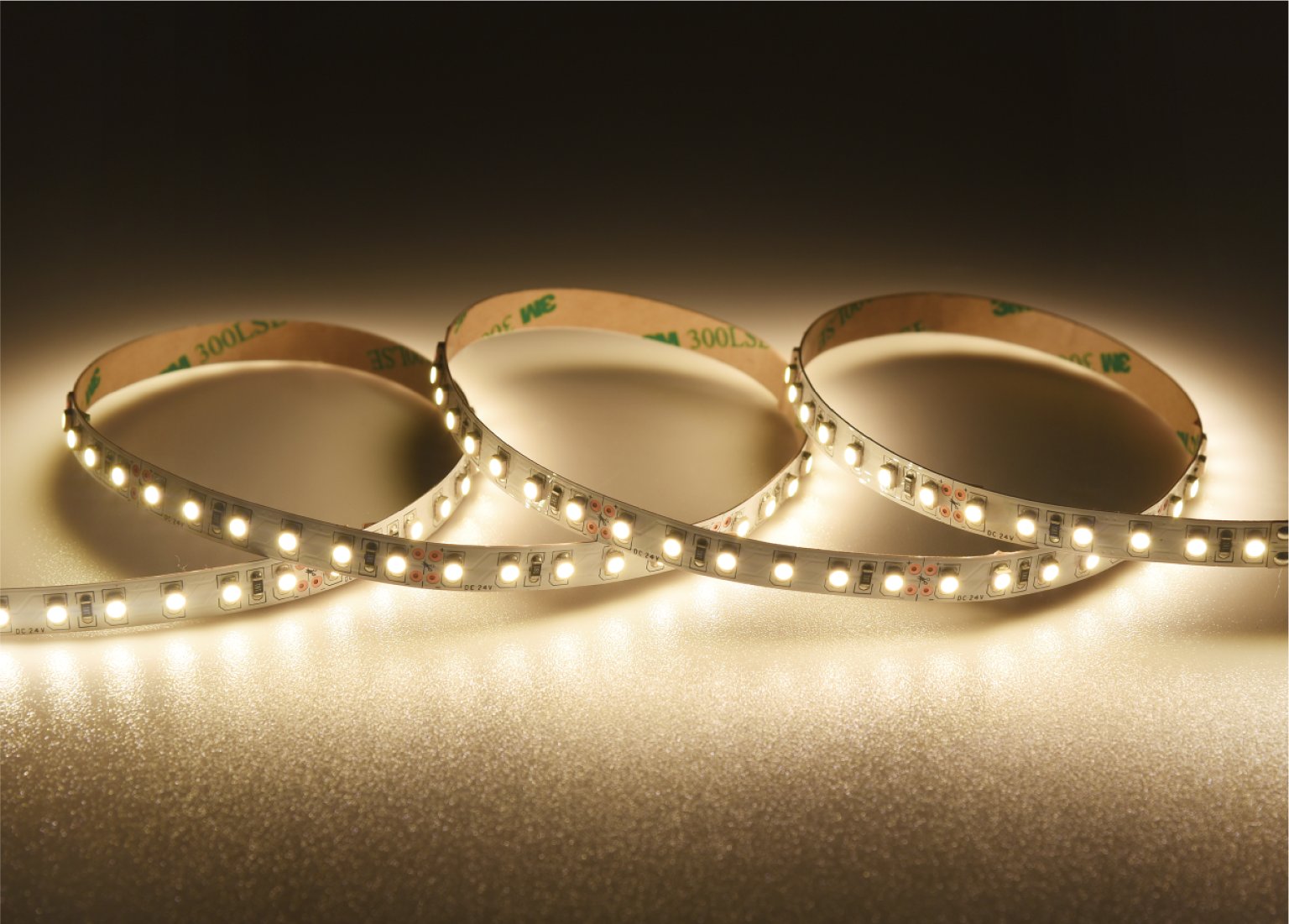
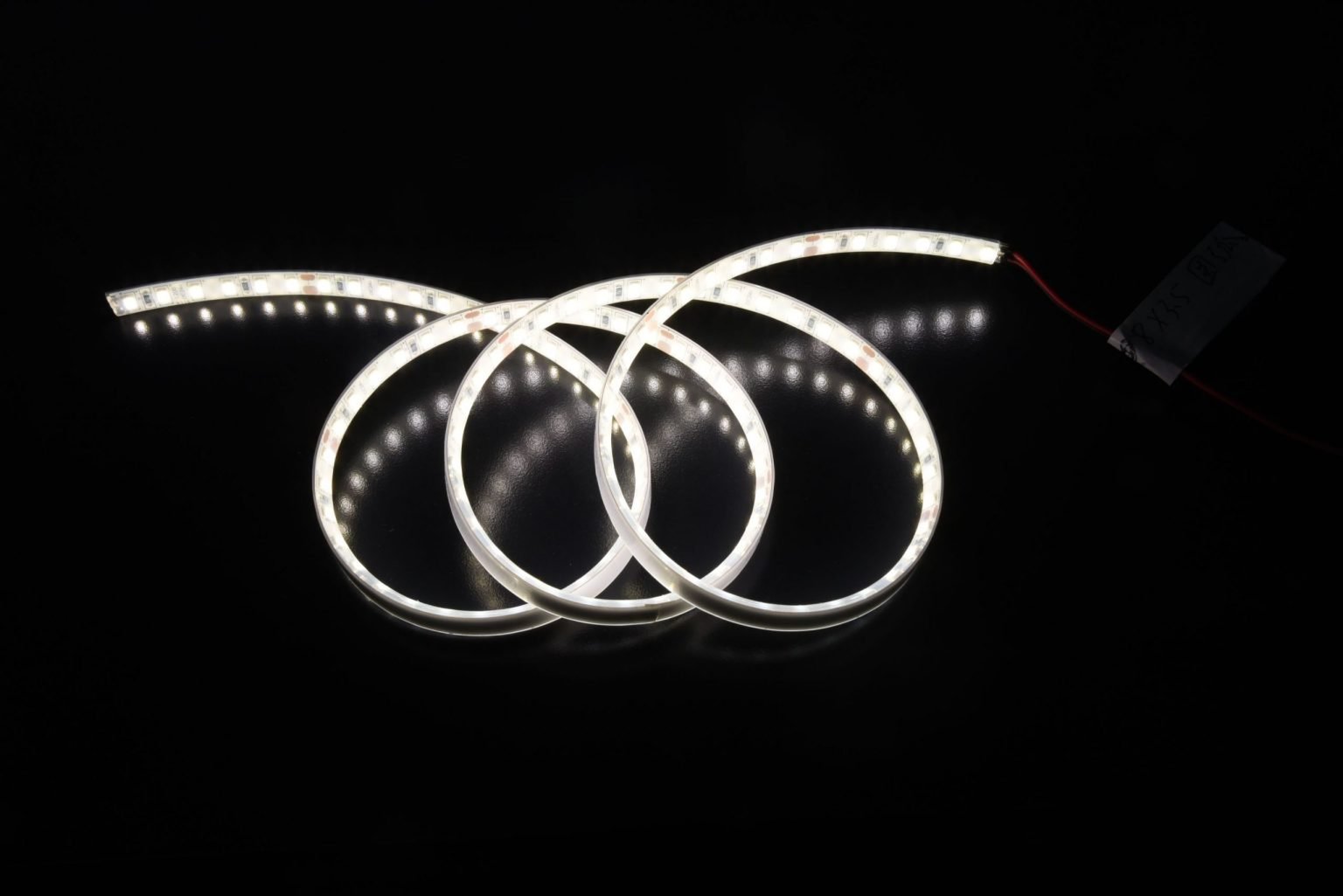
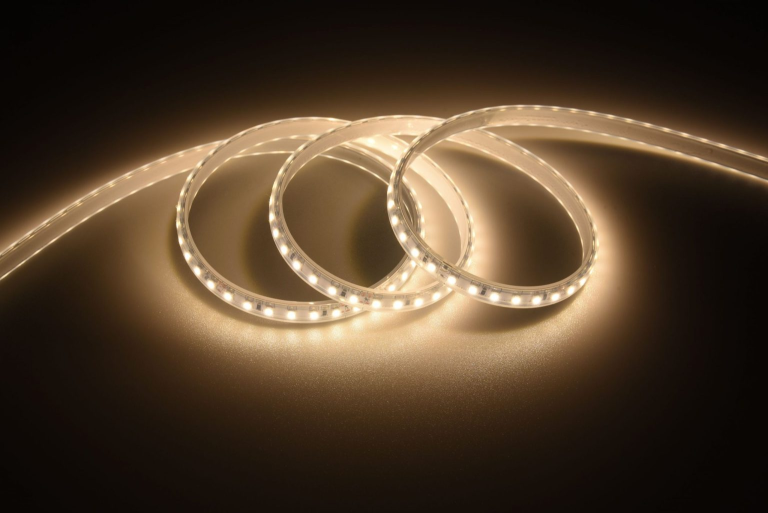
The F02 suits wardrobes, closets, kitchen cabinets, shelves, and display fixtures. It can be specified alongside a flexible silicone LED strip light where the design calls for a distinct integrated lighting treatment. Its aluminum construction supports an integrated appearance, and cut-to-length installation gives teams more freedom. When specifying a recessed LED profile, confirm the required length and installation space before production or fitting.
Consider Light Quality as Well as Appearance
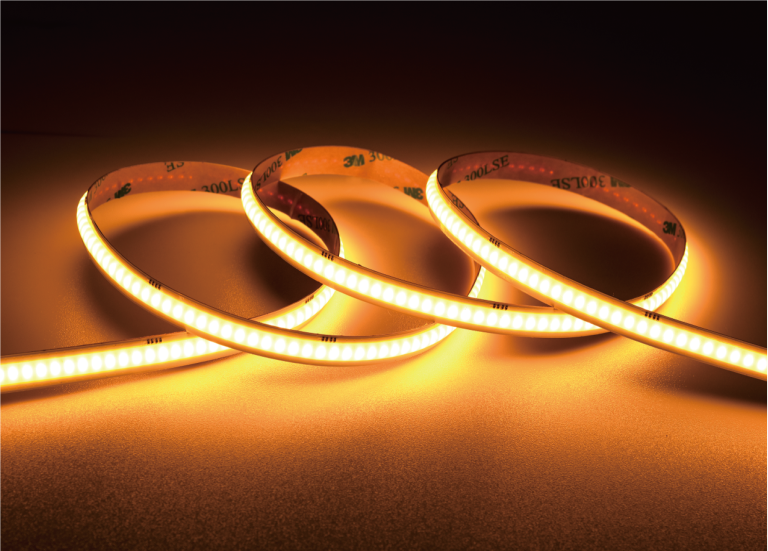
A concealed source still affects how objects and materials appear. Color rendering matters in retail displays, wardrobes, and kitchens, where users need to distinguish colors accurately. Our F02 offers CRI greater than Ra90 to support faithful color appearance.
Color temperature also shapes a room’s atmosphere. Warmer white may suit bedrooms and cabinetry, while neutral light may suit work areas or retail displays. The F02’s two-wire CCT function offers two selectable color temperatures for different scenarios. A coordinated design should keep adjacent sources visually coordinated.
Plan Installation, Connections, and Maintenance
Recessed lighting requires accurate preparation. Check profile dimensions, groove size, mounting method, strip width, power requirements, and cable access. Confirm driver and control compatibility, too. A sample or mock-up can verify appearance and fit before a large production run. It also helps assess whether an adaptable light line achieves the intended visual effect.
Our F02 quick plug-in connection simplifies assembly by avoiding soldering in the specified installation process. Free cutting supports flexible sizing, but installers must follow the designated cutting method and electrical instructions. For a flexible silicone LED strip light, verify bending limits, protection rating, and environmental suitability rather than assuming every product has the same properties.
Plan maintenance alongside installation. Keep drivers and connections accessible, and avoid permanently sealing replaceable components behind furniture. Aluminum profiles support heat transfer, but performance also depends on LED power, ventilation, drivers, and site conditions. Clear documentation helps teams maintain consistent results.
Coordinate Product Selection with Project Requirements
For distributors, contractors, and OEM furniture manufacturers, selection involves more than unit price. Lead times, cut lengths, connections, color consistency, and repeat orders all affect project delivery. A flexible specification process can adapt a product family to different furniture layouts while keeping installation familiar.
We at LEDIA Lighting consider application, dimensions, light quality, and installation conditions when matching products to projects. A flexible silicone LED strip light may suit designs requiring a flexible light source, while an aluminum profile-based product provides structure and heat transfer. A flexible silicone LED strip light can also suit details that call for a flexible form. Confirm bend direction, minimum radius, and site suitability against product documentation.
Build Better Results Through Early Coordination
Our approach combines space assessment, early installation coordination, and light quality suited to the task. For wardrobes, kitchen cabinets, retail shelving, and display fixtures, the F02 offers free cutting, quick plug-in installation, CRI above Ra90, and two-wire CCT adjustment. We help project teams integrate lighting neatly while considering installation and maintenance.