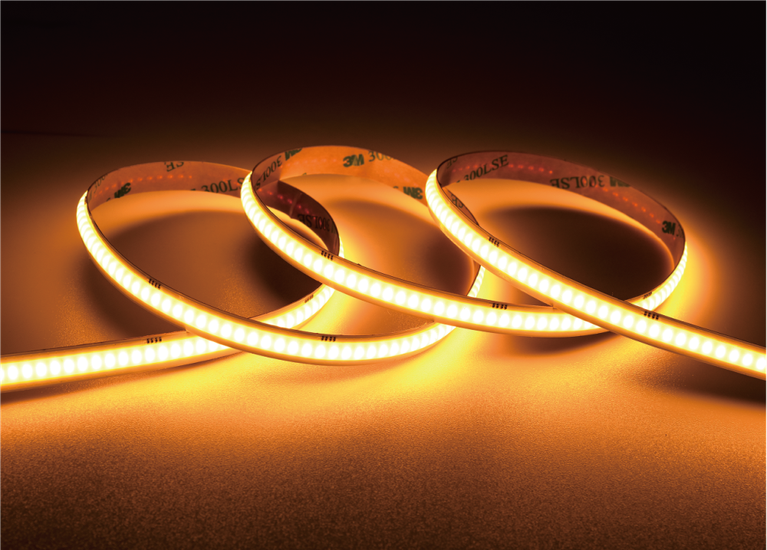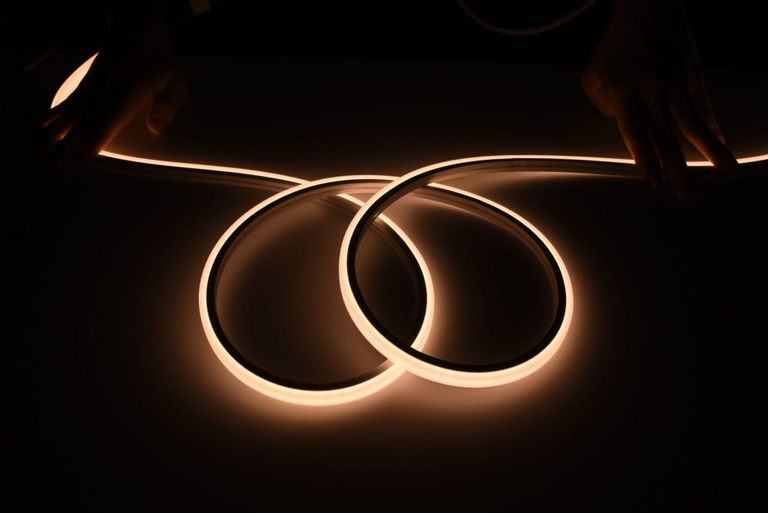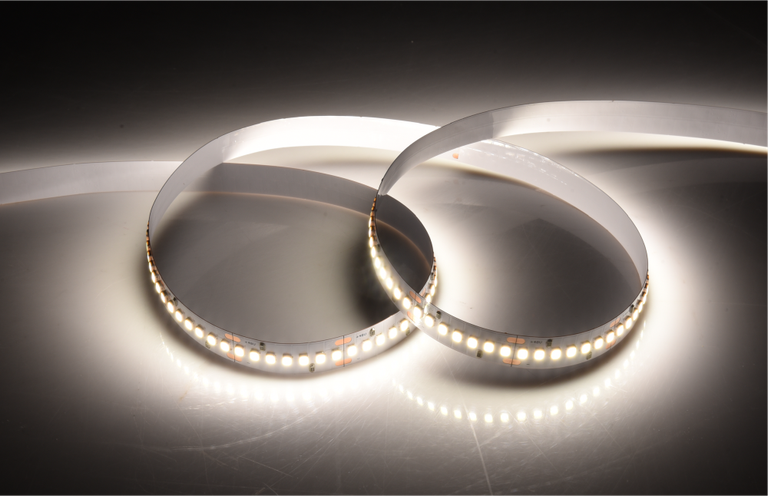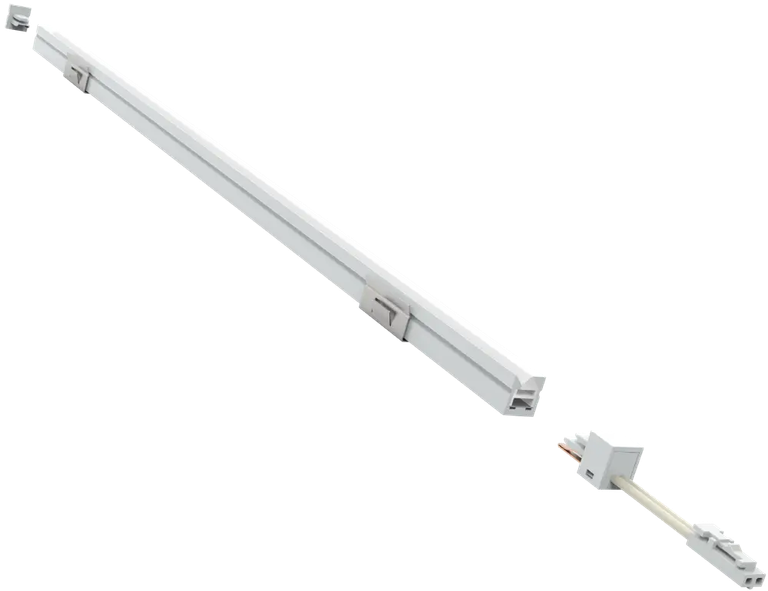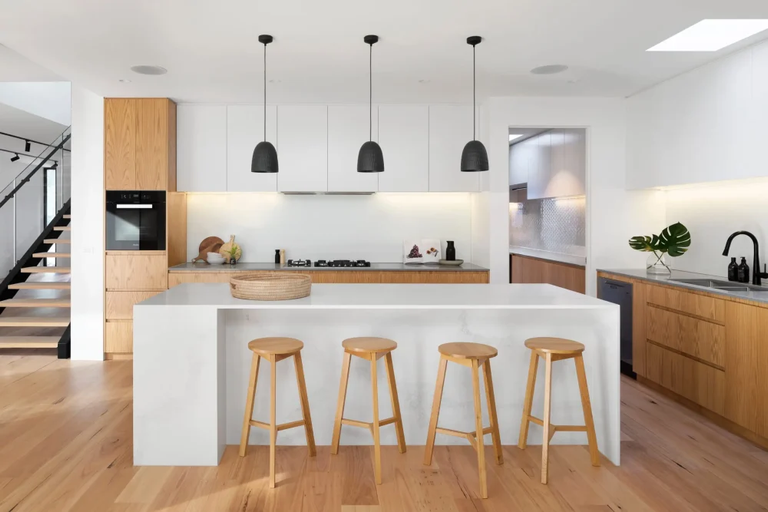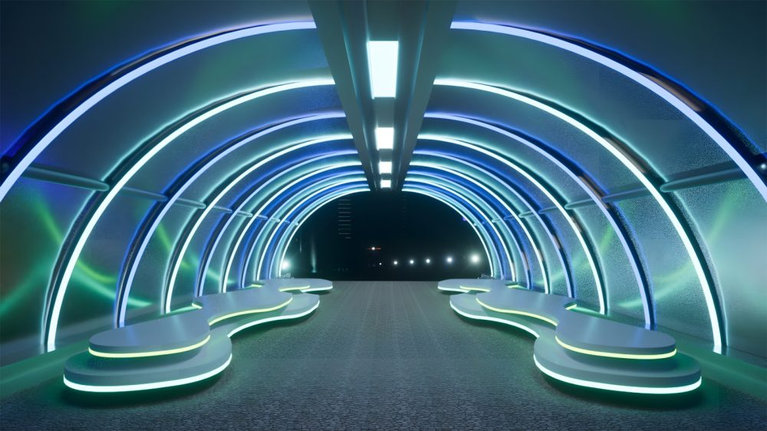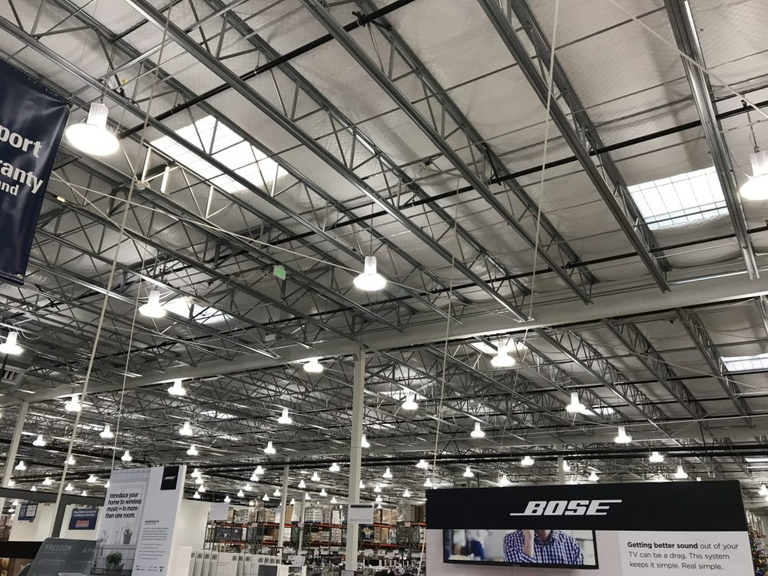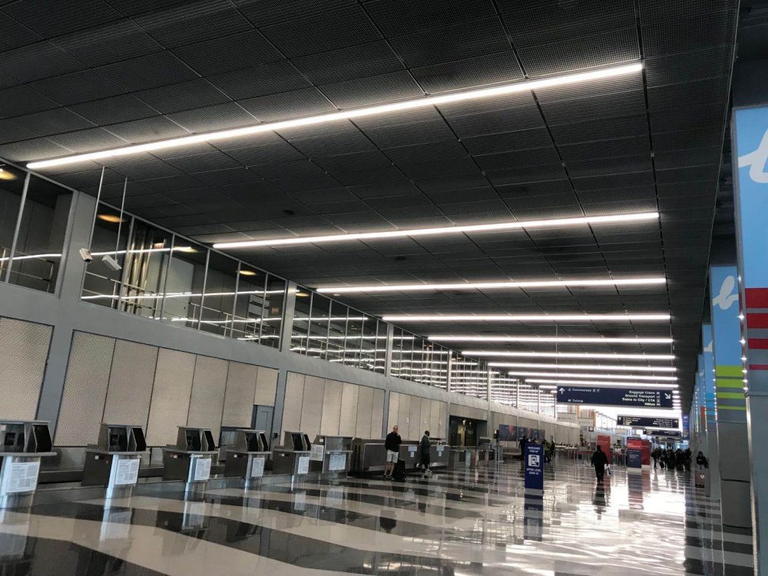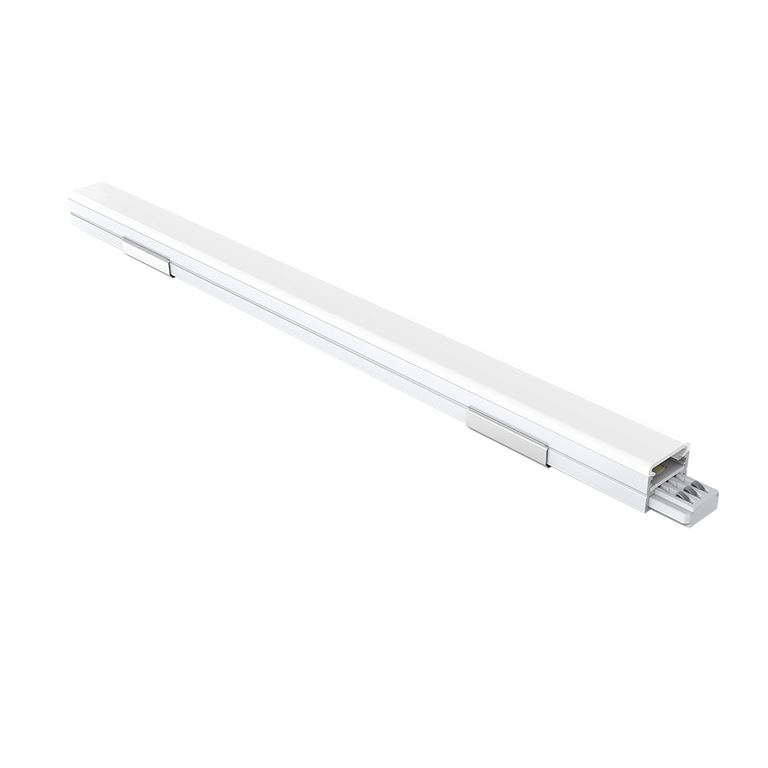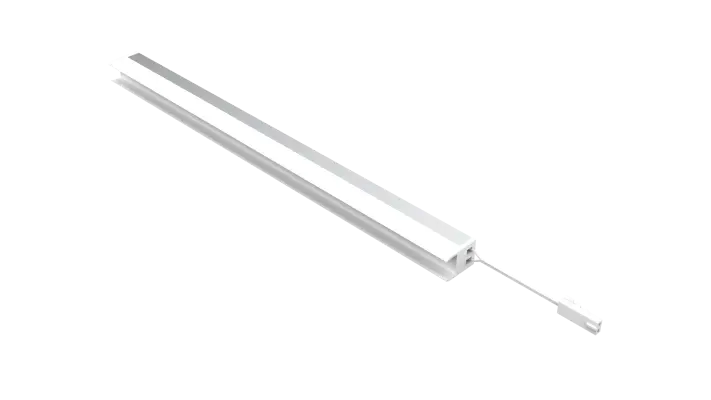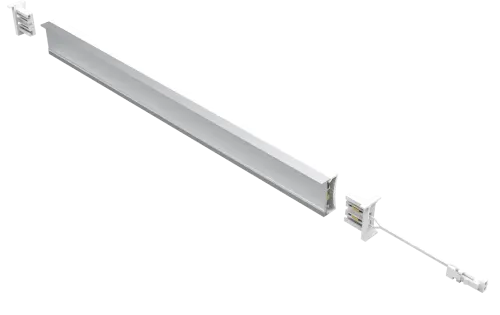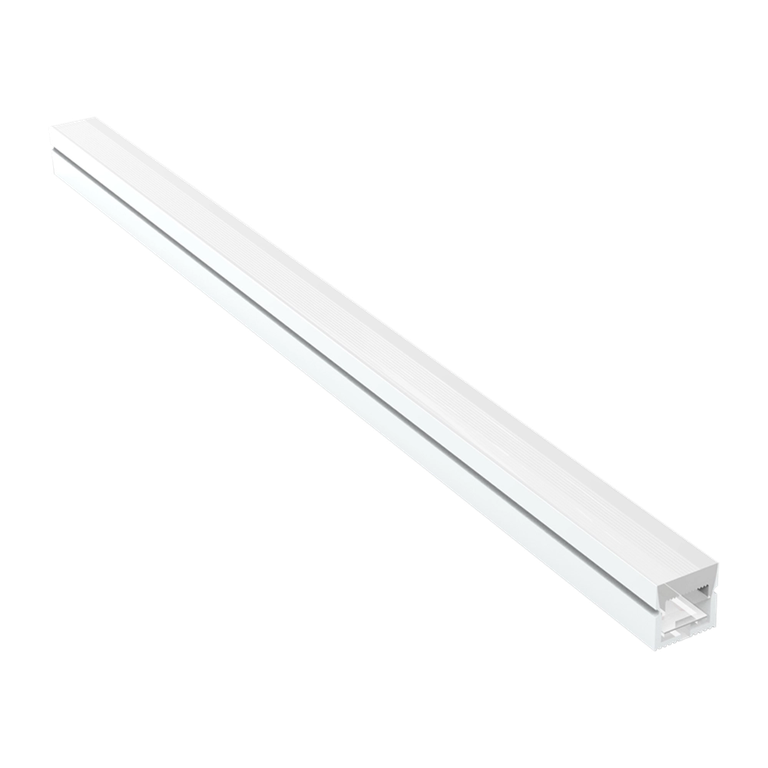
A flexible lighting design needs more than a strip that can follow a curve. We need to be able to change the length, position, direction, and visual treatment of a lighting line without creating a disproportionate electrical or installation problem. That is where high-efficacy LED strips become particularly useful. They can give designers more freedom to work with the architecture while keeping practical lighting requirements in view.
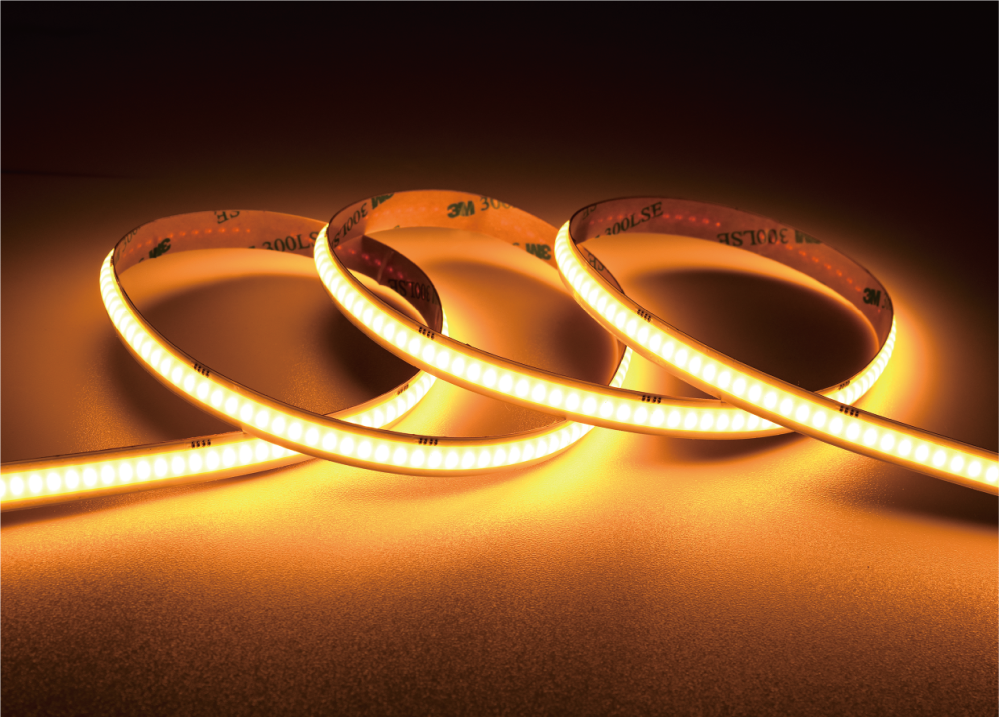
Why Higher Efficacy Gives a Lighting Layout More Room to Change
Design flexibility often disappears when the lighting system becomes too demanding. A long illuminated feature may require more power, additional electrical planning, or compromises in the original concept. Higher efficacy can reduce that pressure because the strip can produce more light from the electrical power it consumes.
That difference matters when we are developing a lighting concept that needs to extend across multiple architectural elements. Instead of treating every additional meter as a major electrical burden, we can consider the entire lighting path more freely. LEDIA Lighting approaches high-efficacy strip lighting as one way to expand those possibilities rather than as a specification that should be selected automatically.
How Long Runs Become Easier to Design Around
Long linear lighting is one of the clearest situations where efficiency can influence design freedom. A lighting line may need to continue across a ceiling, follow a wall detail, frame a retail display, or connect several sections of an interior. Interrupting that line simply because the run becomes impractical can weaken the original design idea.
Our regular strip light range includes a High Efficacy Series alongside several other strip formats, giving us different starting points for different lighting requirements. This matters because a project can be designed around the intended line first, then evaluated against the electrical and optical characteristics needed to make that line practical.
Where Narrower Spaces Make Flexibility More Valuable
Flexibility becomes even more useful when the architecture gives us very little room to work with. A recessed detail may change direction around a corner. A cabinet may have different internal dimensions from one section to another. A cove may need to remain visually continuous while the available installation space changes along its route.
We therefore look at flexibility as a combination of physical adaptability and installation freedom. Standard LED strip lights can work well when the space and lighting requirement are straightforward, but the design still needs to account for mounting surfaces, wiring routes, power access, and the relationship between the strip and the visible surface.
Why the Light Source Still Has to Match the Visual Language
A flexible lighting concept should not sacrifice appearance simply because the product is easy to position. The way the light is perceived remains part of the architecture. Some designs need a discreet glow hidden inside a recess, while others deliberately want the lighting element to read as a continuous visual line.
That distinction affects product selection. PVC neon light can be more appropriate where the project calls for a defined, visible line with a different physical appearance from a conventional strip. We do not see it as a replacement for every flexible strip application. The important question is whether the product’s form supports the visual language the architecture is trying to create.
What Happens When One Project Needs More Than One Strip Format
Real projects rarely contain only one type of lighting condition. The same commercial interior may combine long ceiling lines, furniture details, display lighting, curved architectural features, and decorative accents. Trying to force one strip into all of these locations can actually reduce flexibility rather than improve it.
Our approach is to let each section of the design determine the appropriate lighting format. One area may use a high-efficacy strip for an extended linear run, while another may require a different strip construction for its visual effect or installation geometry. The regular-strip category itself reflects this range, with options including COB, digital, dual-color, high-efficacy, and other series.
This approach also makes future changes easier to manage. If the architectural layout develops during design coordination, we can reconsider individual lighting sections without automatically redesigning the entire system. That is a more useful form of flexibility than simply having a bendable product.
LEDIA Lighting focuses on this relationship between product characteristics and the actual design situation. We consider where the lighting needs to travel, how it needs to appear, how much space is available, and what electrical conditions the project can support. Those questions help us choose the appropriate strip before the design becomes locked around an unsuitable product.
Conclusion
High-efficacy LED strips add flexibility to lighting design because they can give a project more freedom to extend, reposition, and coordinate illuminated lines without allowing power requirements to dictate every decision. Long runs can become easier to evaluate, restricted spaces can be approached more creatively, and different visual treatments can coexist within one project.
In our view, flexibility isn’t just about bending a strip—it is about preserving design agility while delivering peak visual and practical results. Simple sections often call for standard LED strip lights, whereas PVC neon products help anchor bolder architectural contours. LEDIA Lighting leverages this project-first methodology to bridge the gap between creative lighting visions and real-world implementation.