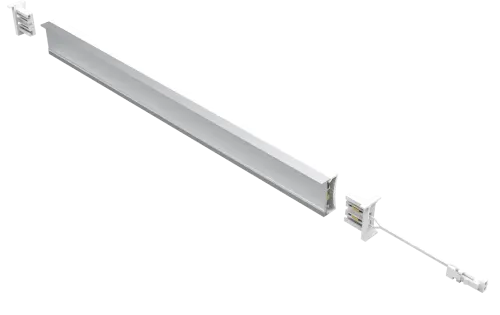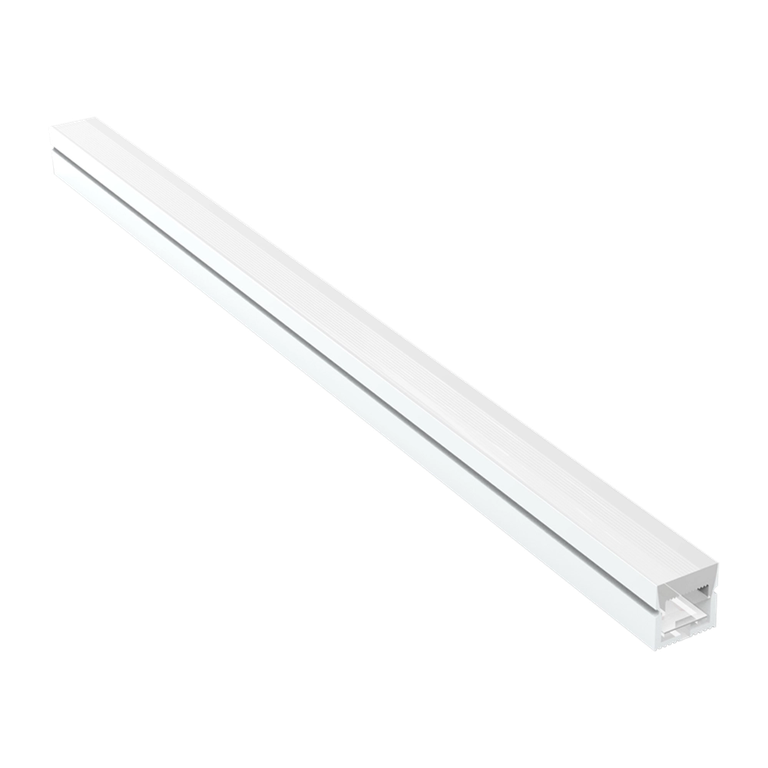
Public spaces need more than enough light to make a building visible at night. Entrances, pedestrian routes, waiting areas, boundaries, and architectural features all need to remain readable after dark. A well-planned facade lighting system can contribute to that visibility while also making the building easier to recognize.
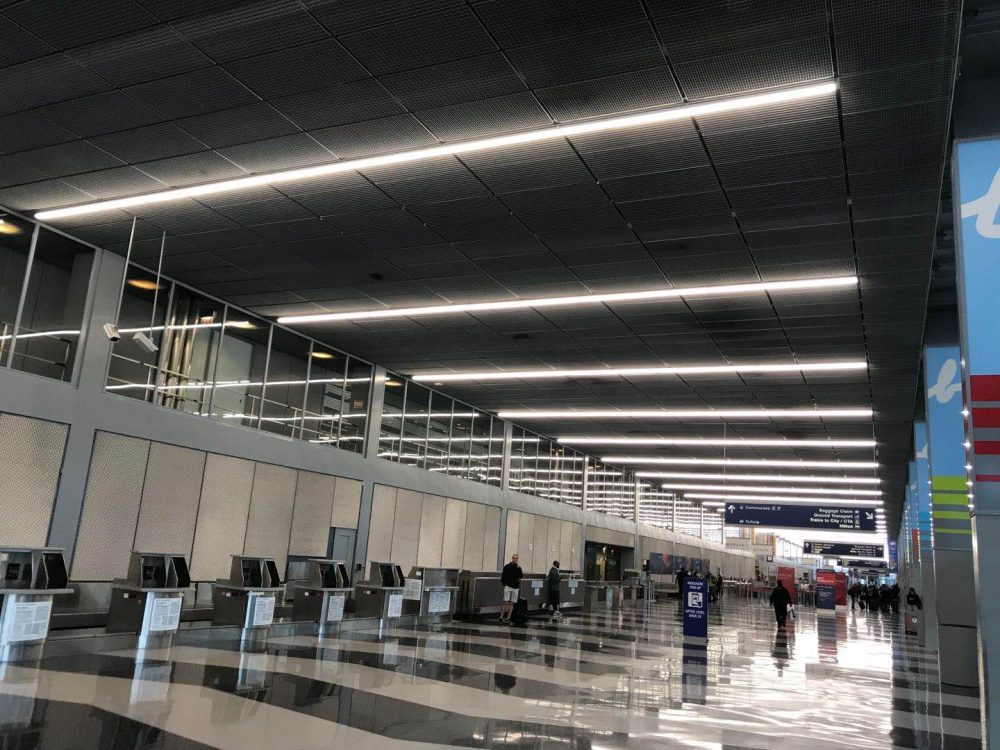
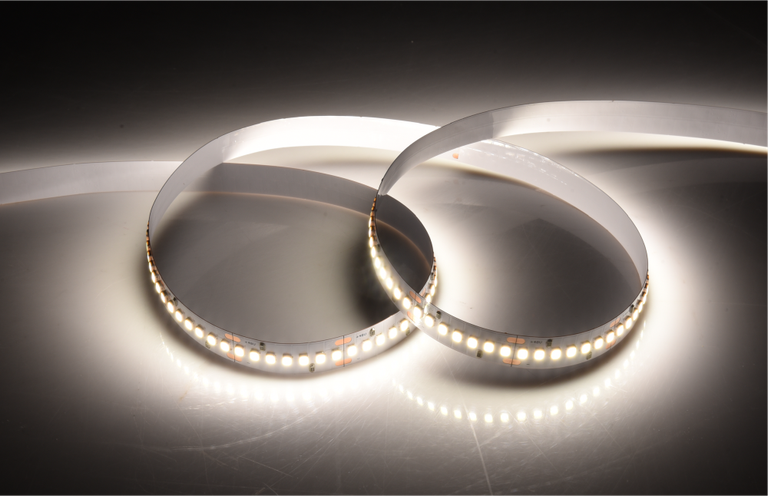
We see this balance often in architectural lighting projects. LED strip light projects can be designed around building edges, recessed details, canopies, or other linear features, while facade fixtures can provide broader illumination where needed. The important point is to decide what the lighting needs to accomplish before choosing the product.
The Parts of the Public Space That Need Light
A public-space facade should not automatically be treated as one large surface. Different parts of the building may serve very different functions at night.
An entrance needs to be easy to identify. A pedestrian approach needs enough visual definition for people to understand where they are going. A canopy, wall edge, or architectural opening may need accent lighting because it helps establish the building’s form. Areas around transport facilities, parking zones, or public gathering points can require a different distribution of light.
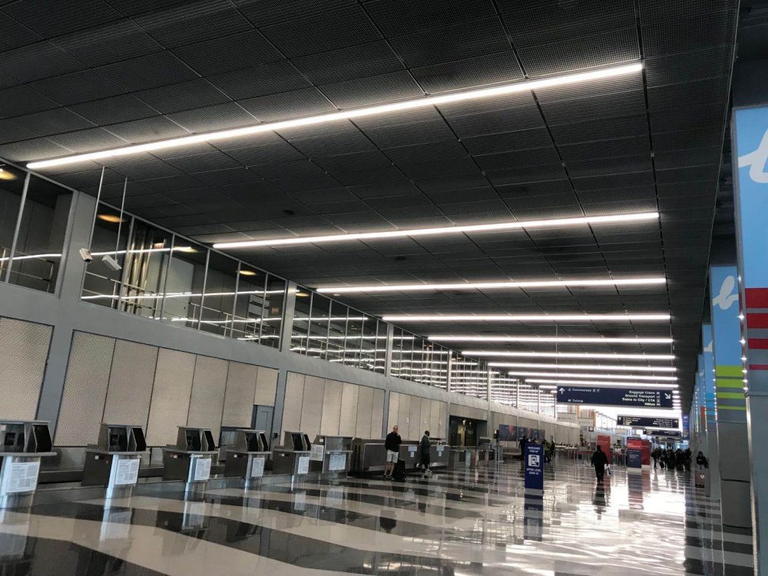
LEDIA Lighting’s reference cases include public applications such as stations and parking areas, showing how linear lighting products can be incorporated into spaces where visibility and movement are part of the project requirements.
Starting with these functions makes the lighting plan easier to control. Instead of covering the facade with light simply because it is visible from a distance, the project team can identify which architectural elements actually contribute to orientation and circulation.
Use the Building Facade to Support Nighttime Movement
Facade lighting becomes more practical when it helps people understand the space around a building.
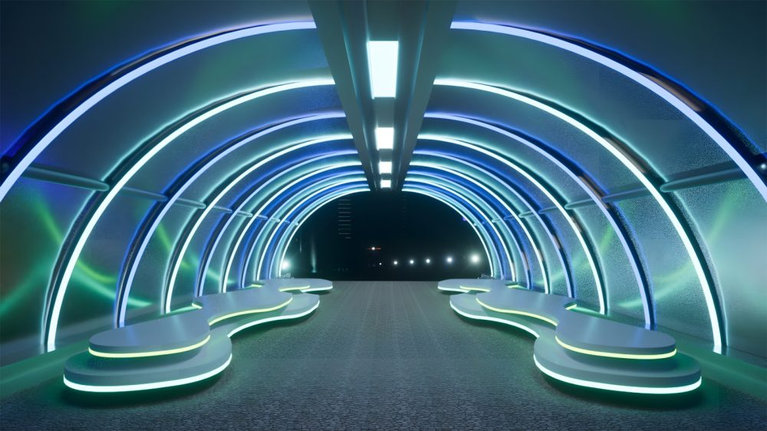
A continuous light line along an entrance canopy can make an access point easier to locate. Lighting around a recessed doorway can create a clear visual boundary. A linear element along a wall or circulation route can help distinguish the pedestrian zone from darker surrounding areas.
The same principle applies to large public buildings. A station, for example, may have several entrances, platforms, covered areas, and circulation routes. Lighting should help people read these elements rather than simply create an illuminated exterior.
We also consider the viewing distance. A lighting line that looks subtle from close range may become an important architectural marker from across a plaza or roadway. The objective is not maximum brightness everywhere; it is sufficient visual information in the places where people need it.
Choose the Light Format Around the Facade Detail
The physical construction of the facade should influence the lighting product.
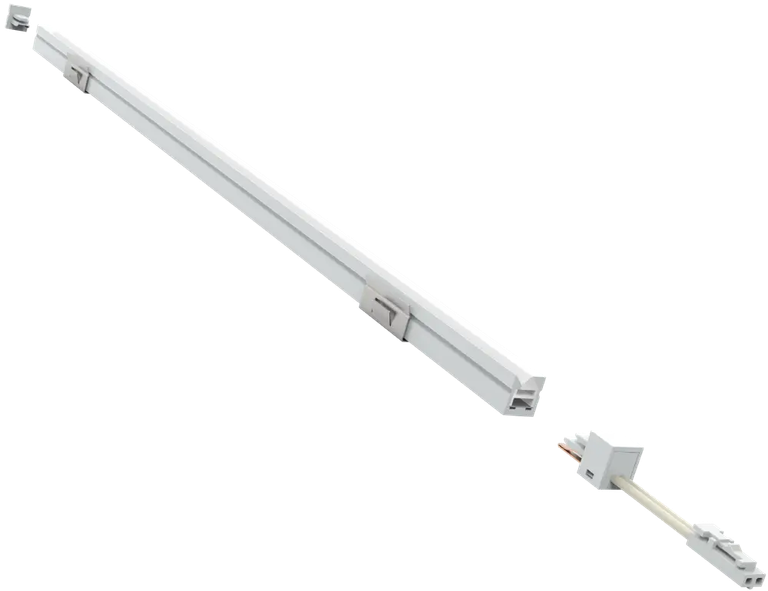
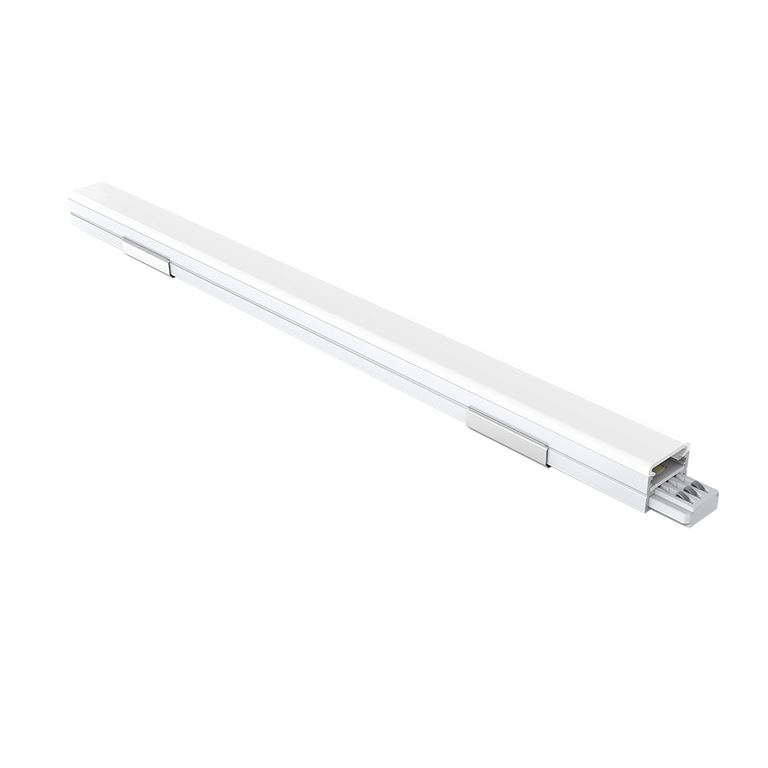
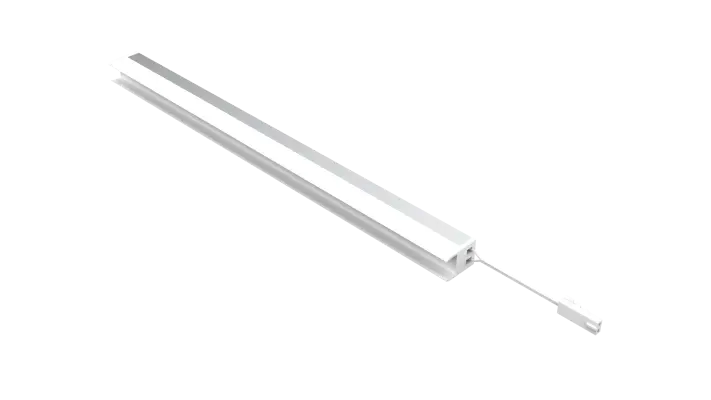
A straight architectural edge may work well with a linear fixture. A narrow recess, curved feature, or irregular architectural outline may call for a flexible strip or silicone-based solution. LEDIA Lighting describes silicone strip products as suitable for architectural outlines and outdoor facades, with flexible construction that can accommodate curves and irregular surfaces.
That distinction matters during specification. A product that looks suitable in a catalogue may become difficult to install when the actual facade includes corners, changes in direction, or limited mounting space.
For public LED lights, the designer should also consider how the light source itself will appear from pedestrian viewpoints. If the LEDs are directly exposed, the visual effect may be very different from a concealed installation that washes a wall or traces an architectural edge.
Good facade lighting usually makes the architecture visible without making the lighting hardware the main visual feature.
Plan Outdoor Protection Before the Installation Starts
Exterior facade systems face conditions that indoor lighting does not. Rain, moisture, temperature changes, sunlight, and exposed mounting positions all need to be considered before the product is selected.
Water resistance is particularly important for public projects because maintenance access may be difficult after completion. LEDIA’s outdoor-oriented silicone neon products include IP67-rated options, while its architectural lighting guidance identifies waterproof strip solutions for exterior facade applications.
Installation details matter just as much. The mounting surface, cable routing, power-supply location, connection points, and drainage conditions should be considered alongside the lighting layout. A technically suitable strip can still become a weak project solution if its connections or supporting hardware are poorly planned.
Project teams should also confirm the required cutting and connection method before ordering. LEDIA’s customization process moves from consultation and design through sample confirmation, mass production, delivery, and after-sales service, which can help project teams address these details before installation.
Keep the Lighting Useful After the Decorative Effect Is Added
A successful facade does not need to choose between architectural appearance and practical illumination. The two can work together when the lighting hierarchy is clear.
Primary lighting should handle the areas where people need visibility. Secondary facade lighting can then define building edges, entrances, canopies, or other architectural features. This layered approach prevents decorative light from becoming the only source of illumination.
Color temperature also deserves attention because it changes how the building and surrounding materials are perceived. The right choice depends on the architecture, neighboring lighting, project atmosphere, and intended nighttime use. Consistency is especially important when several facade elements are visible within the same public space.
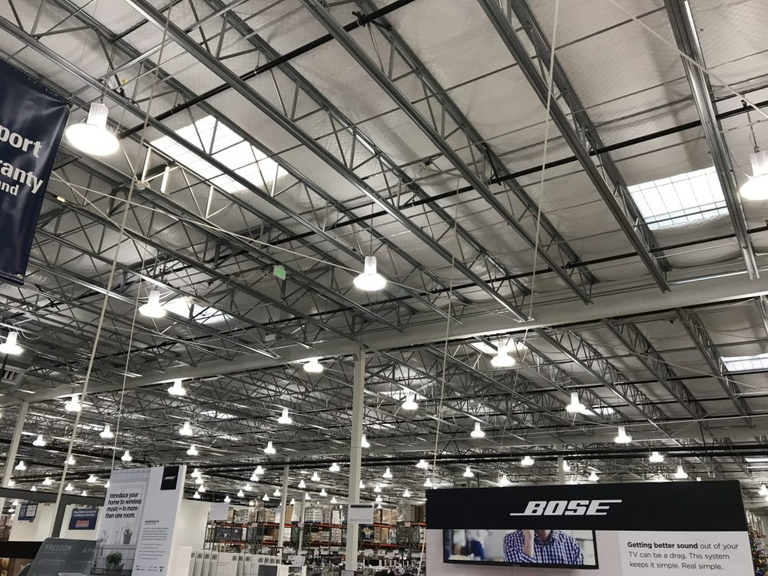
Matching the physical and functional demands of every site is why we at LEDIA Lighting provide a versatile combination of both strip and fixture options for architectural and outdoor applications. This project-driven flexibility is well demonstrated across our reference portfolio, featuring stations, parking areas, warehouses, supermarkets, and other commercial spaces.
For architects, contractors, and procurement teams, LED strip light projects are most effective when the lighting line is treated as part of the building detail rather than an element added at the end. The same applies to public LED lights: their value is not simply measured by how bright the facade looks, but by how well the finished system supports visibility, orientation, architectural identity, and long-term outdoor use.
Architectural facade lighting can serve a practical role in public spaces when the project starts with those requirements. Define the areas that need visibility, match the light source to the facade construction, verify outdoor protection, and coordinate installation details early. The result can be a building that remains easy to navigate and recognize after dark without turning useful lighting into unnecessary visual clutter.