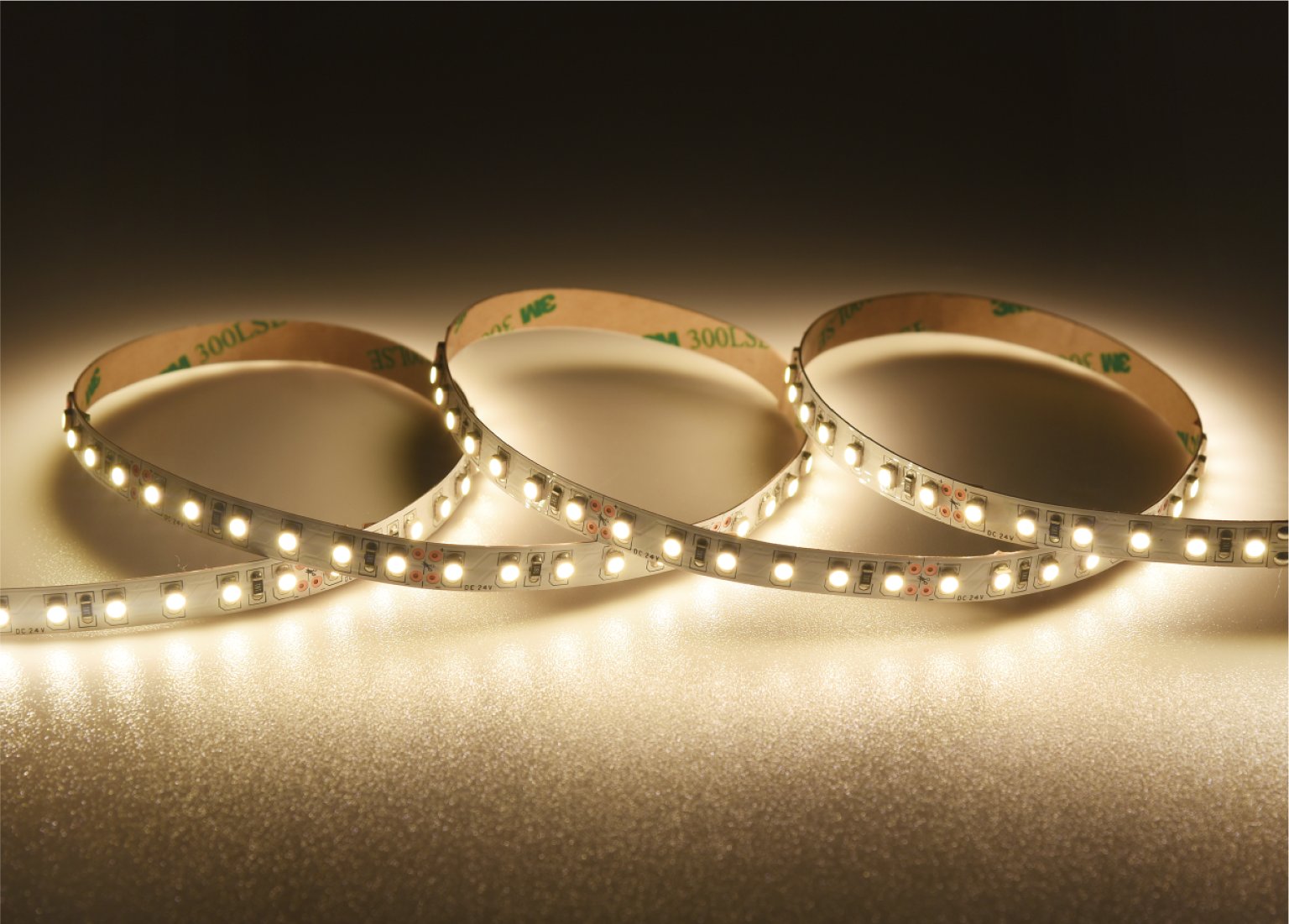
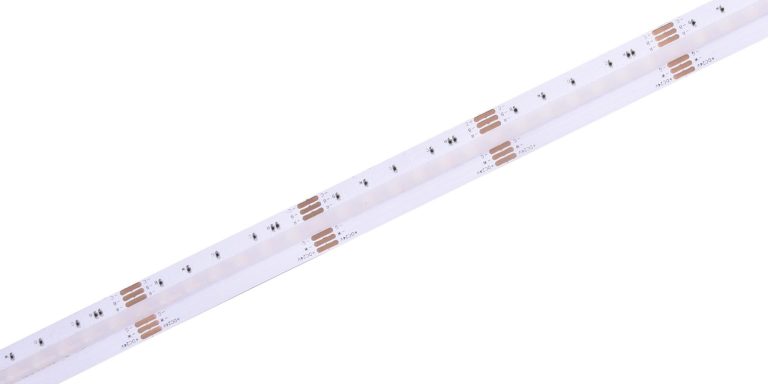
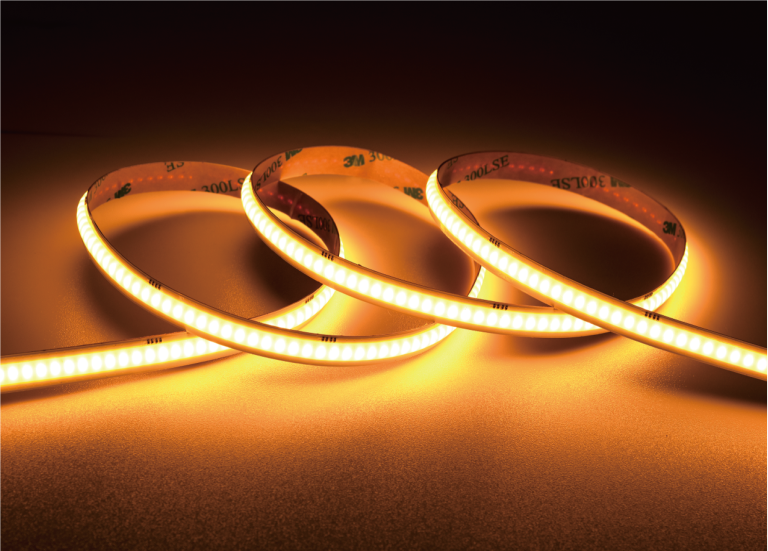
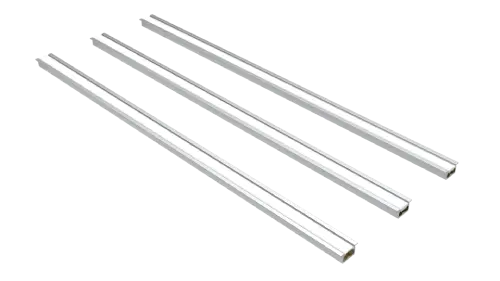
A successful lighting project rarely begins with a product carton. It starts with a design objective, then moves through specification, sourcing, testing, installation, and handover. For commercial buyers, LED strip lights wholesale is more than a purchasing decision. The right supplier must help translate a visual concept into a workable system while maintaining consistent quality. We approach this process around practical project requirements, with manufacturing controls and recognized certifications supporting procurement confidence.
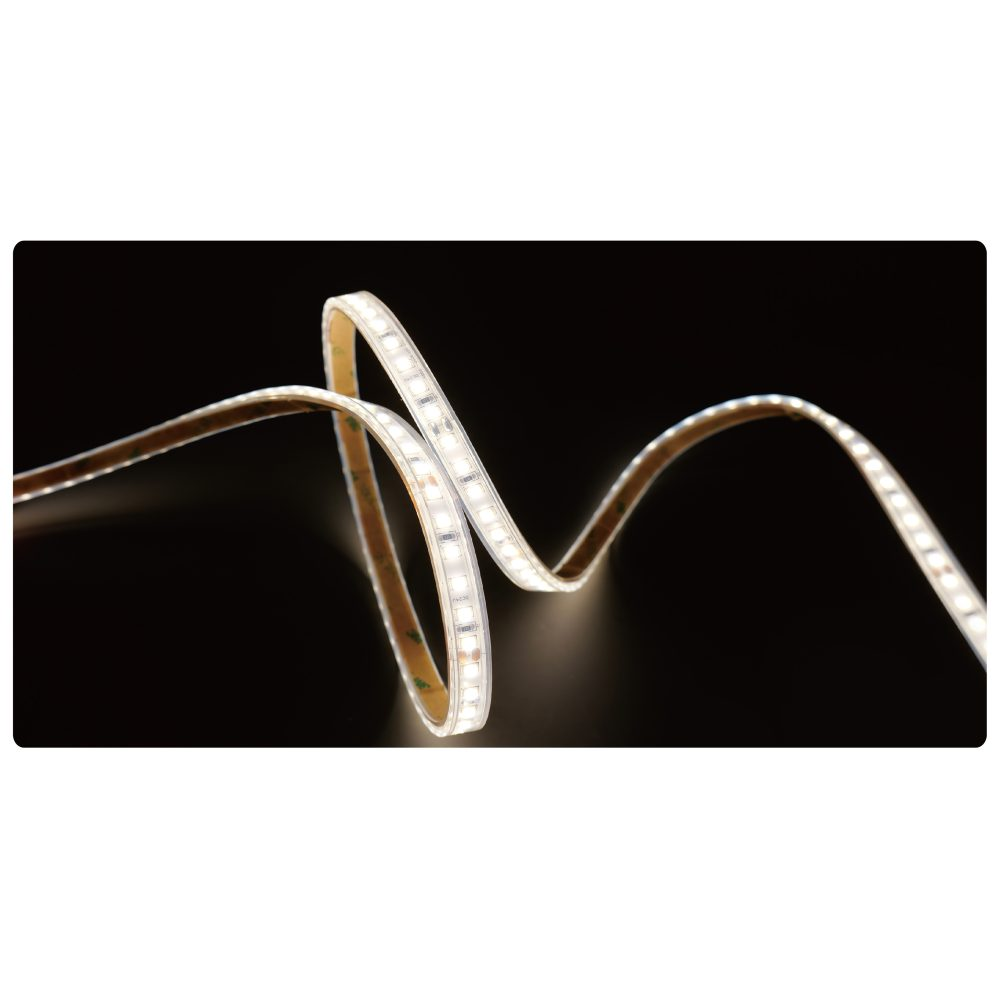
Defining the Lighting Concept Before Ordering
The first step is to clarify what the lighting needs to accomplish. Cove lighting, display shelving, architectural accents, signage, and task illumination can require different output levels, color characteristics, dimensions, voltage, control methods, and installation conditions. Buyers should establish these requirements before comparing quotations.
This early specification stage also helps buyers evaluate whether a supplier can deliver adaptive lighting solutions rather than a single standard product. For projects with different zones or changing design requirements, flexibility in configuration can be valuable. A clear brief gives manufacturers enough information to recommend suitable components instead of forcing the project around available stock.
Selecting the Right Strip and Supporting Components
LED strips are part of a larger electrical system. Power supplies, controllers, connectors, profiles, wiring, and mounting methods all influence the final result. Signify’s professional design guidance recommends constant-voltage transformers for its LED strip systems and notes that transformer loading, cable length, and parallel connections need consideration during planning.
Voltage and power calculations deserve particular attention. LEDVANCE explains that the power supply should match the strip’s voltage and that required capacity can be calculated from wattage per meter multiplied by strip length, with an additional operating buffer. These checks become especially important when ordering LED strip lights wholesale for multiple rooms, retail areas, or large architectural installations.
Planning for the Installation Environment
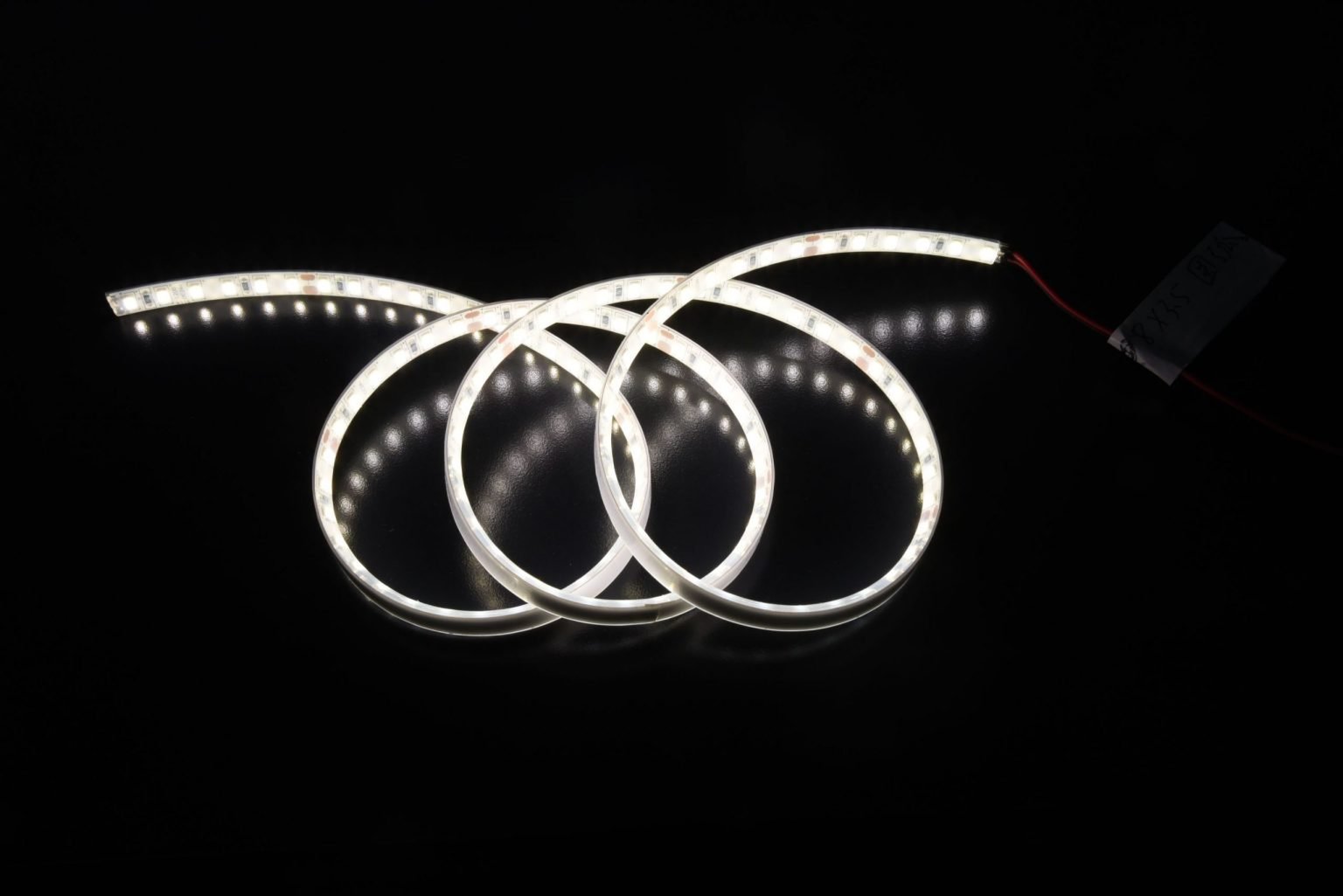
The physical environment should influence product specification from the beginning. Indoor decorative applications may prioritize a discreet profile and easy integration, while outdoor or damp locations can require appropriate protection against moisture and environmental exposure. Buyers should review the complete product specification rather than assuming every flexible strip suits every location.
Installation geometry matters as well. Curves, corners, recesses, and long runs can affect the choice of strip, connector, profile, and mounting method. Professional guidance recommends avoiding improper folding, twisting, or bending and cutting only at designated points. These details can protect the circuit and help installers achieve the intended lighting line.
Why Quality Control Matters in Wholesale Procurement
Large orders increase the importance of consistency. A single acceptable sample does not automatically guarantee that every production batch will perform identically. Buyers should therefore examine how quality is controlled from incoming materials through manufacturing and final testing.
We apply strict quality control throughout production and product testing. Our manufacturing operations are certified to ISO 9001, ISO 14001, and other recognized standards. For business customers, these systems provide a structured basis for evaluating production reliability, environmental management, and process consistency when planning repeat orders.
Building Adaptive Lighting Solutions Around Project Needs
Commercial lighting increasingly needs to serve more than one purpose. A retail space may require brighter illumination during operating hours, accent lighting for displays, or different scenes for special events. Offices, hospitality environments, and architectural projects can also have changing requirements.
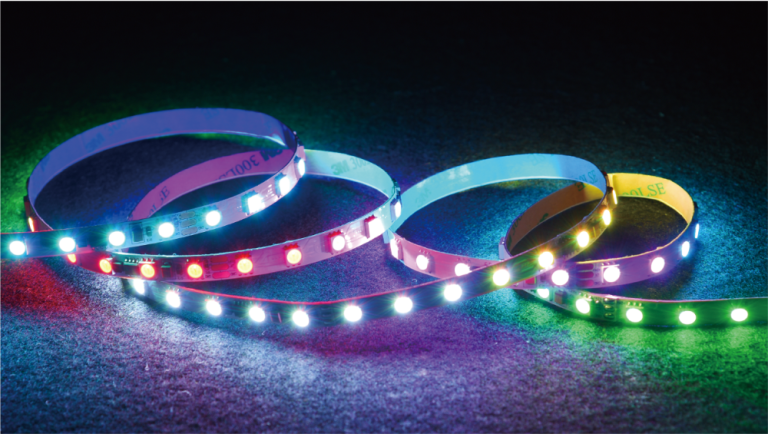
This is where adaptive lighting solutions can become useful. Rather than treating the LED strip as an isolated component, buyers can consider how the strip, driver, controller, optics, and installation method work together. LEDVANCE distinguishes wiring requirements for static white systems from dynamic configurations such as Tunable White, RGBW, and RGB.
Managing Wholesale Orders From Sample to Production
Before committing to LED strip lights wholesale, buyers should request representative samples and verify dimensions, light output, color, connection method, and physical finish. If a project requires custom specifications, the sample should reflect the proposed production configuration as closely as possible. This helps purchasing and engineering teams confirm expectations before a larger production run begins.
Documentation is equally important. A professional supplier should provide relevant specifications, installation information, quality documentation, and certification details. These materials allow purchasing, engineering, and installation teams to work from the same requirements and reduce avoidable misunderstandings during production.
Turning Design Intent Into Installation Results
The final stage is where a well-planned specification becomes visible. Installers need accurate cutting points, compatible connectors, suitable power supplies, and a clean mounting surface. LEDVANCE recommends cleaning the installation surface before applying adhesive and checking connector compatibility, polarity, and secure connections.
For project buyers, this reinforces an important principle: procurement and installation cannot be treated as separate decisions. A product that looks suitable on paper may still create problems if accessories, wiring, or installation methods are overlooked. Coordinating these details earlier makes the transition from design drawing to finished lighting more predictable.
Creating a More Reliable Route to Project Completion
For buyers, LED strip lights wholesale works best when sourcing is connected directly to design, engineering, quality control, and installation planning. The goal is not simply to purchase strips in volume, but to establish a repeatable supply process that supports consistent project outcomes and smoother coordination among different project stakeholders.
We at LEDIA Lighting combine internationally recognized certifications with strict production and testing controls to support business procurement. By discussing application requirements before production, we can help customers evaluate suitable adaptive lighting solutions, component compatibility, and installation considerations. This approach gives project teams a clearer path from the original design idea to dependable, professionally installed lighting.