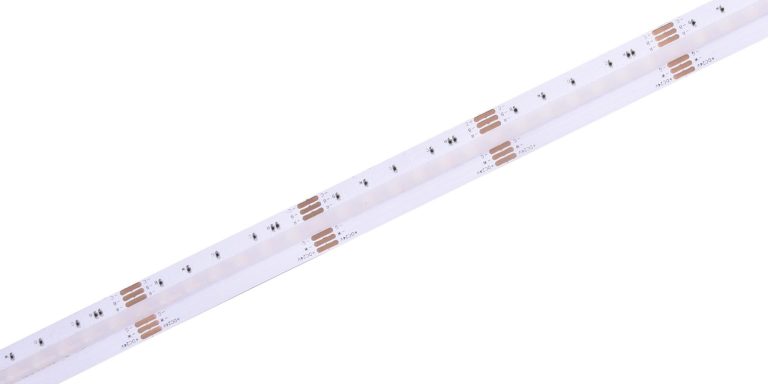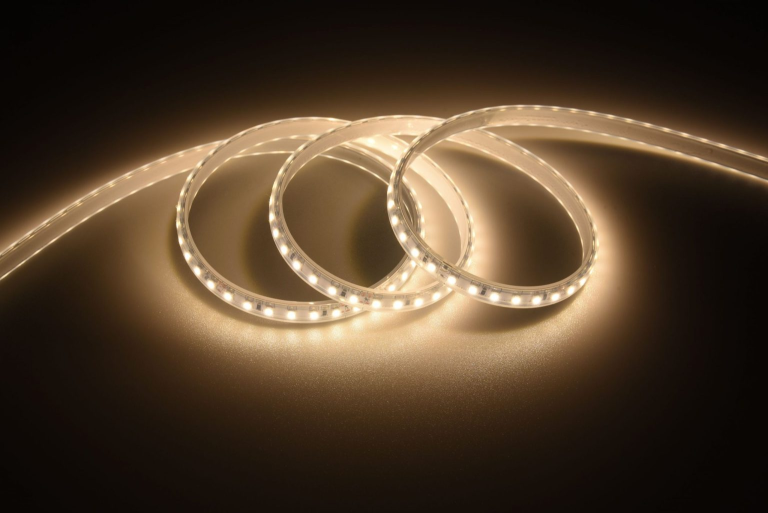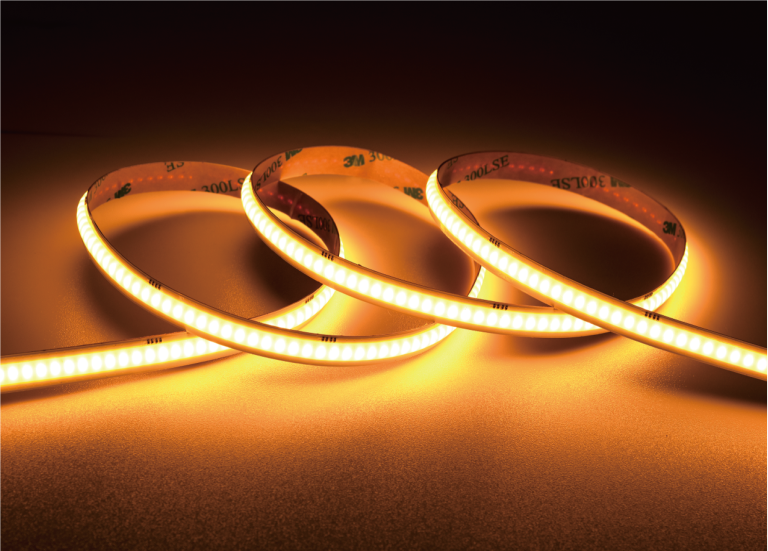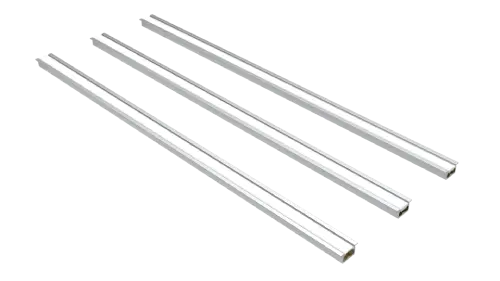
A successful lighting project begins long before fixtures arrive on site. Designers and contractors must translate an architectural idea into measurable requirements, coordinate products with building conditions and plan installation around other trades. In transport facilities, passenger movement, visibility, wayfinding and maintenance all influence the design. Well-managed LED strip light projects connect the concept with a practical system.
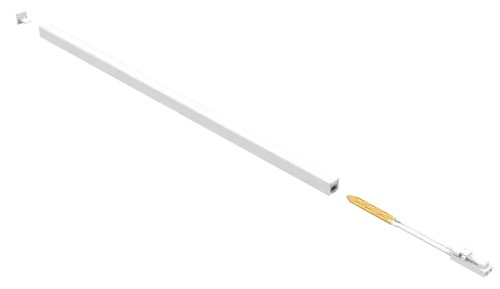
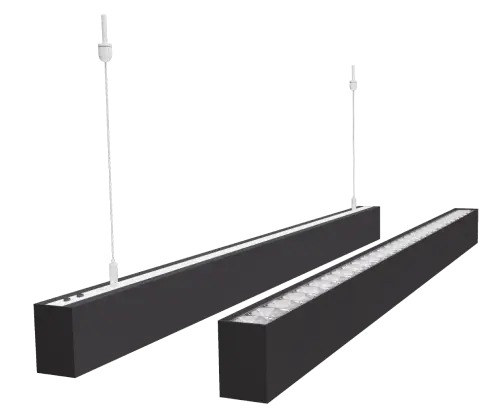
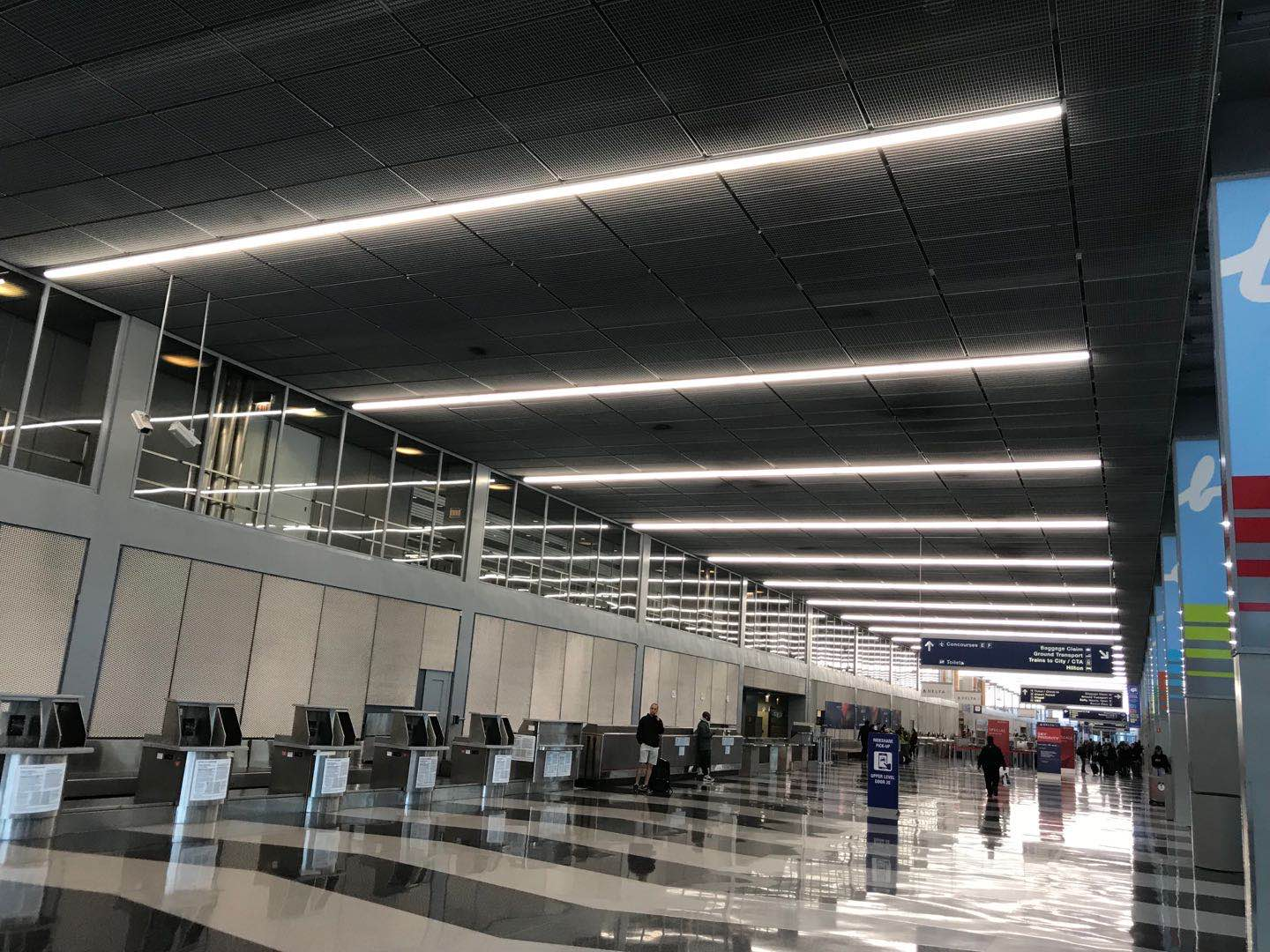
At LEDIA Lighting, we support commercial and public applications with LED strip lights and linear fixtures. Our reference portfolio includes a station project featuring linear fixtures.
Start with the Space and Its Activities
Divide the site into functional zones. A station may include entrances, ticketing areas, concourses, corridors, waiting areas, platforms, stairs and staff spaces. Each zone has different visual tasks. A ticket counter needs clear task visibility, while a circulation route needs consistent illumination that helps passengers recognize changes in direction and level.
Record ceiling height, mounting surfaces, daylight, operating hours and electrical infrastructure. Identify obstructions such as signs, cameras, ventilation equipment and cable routes. These details guide fixture selection and placement.
Translate the Concept into a Layered Lighting Plan
A single fixture type rarely addresses every station requirement. General lighting establishes a baseline, task lighting supports counters and service points, and accent or integrated linear lighting emphasizes architectural details or guides attention.
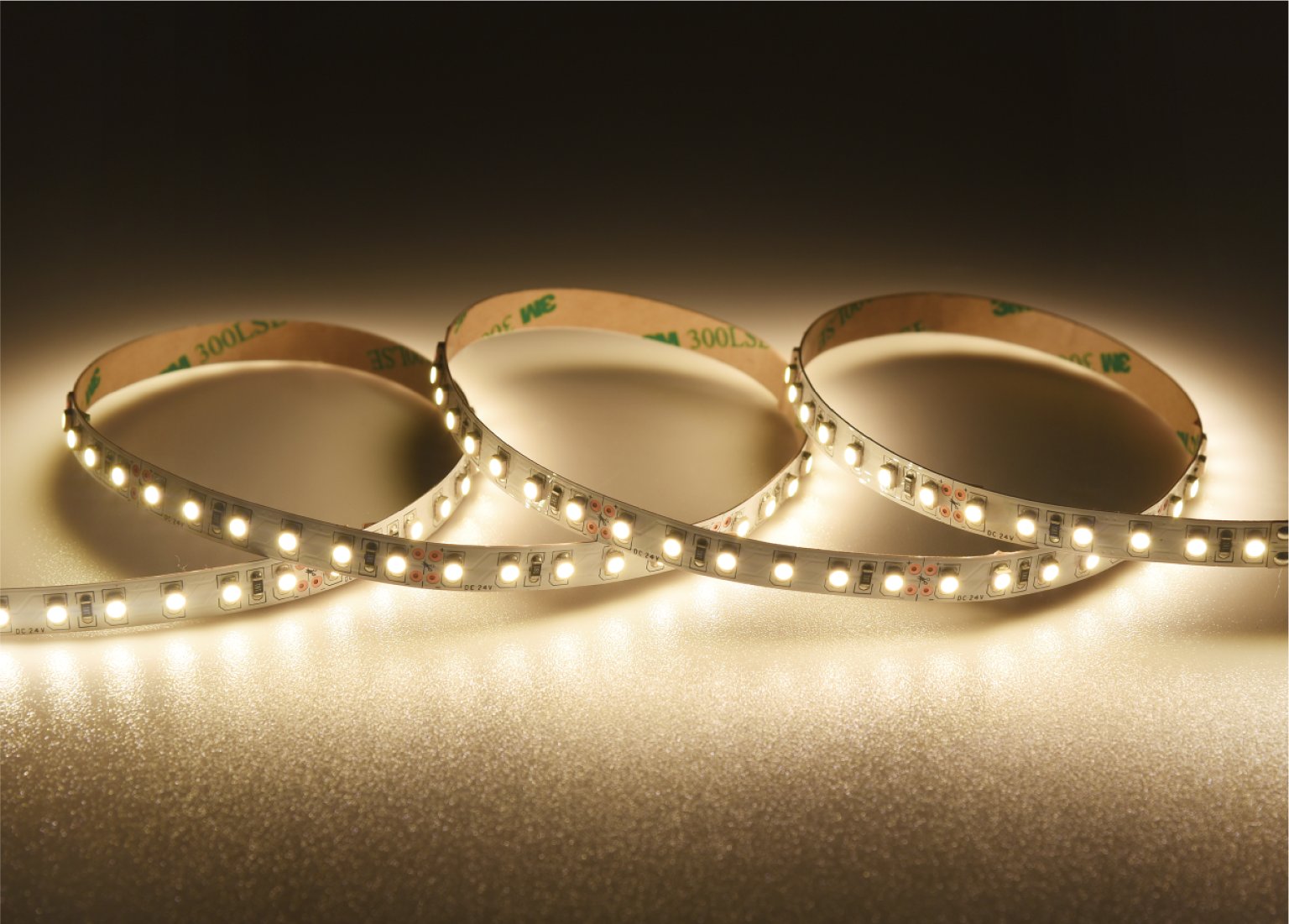
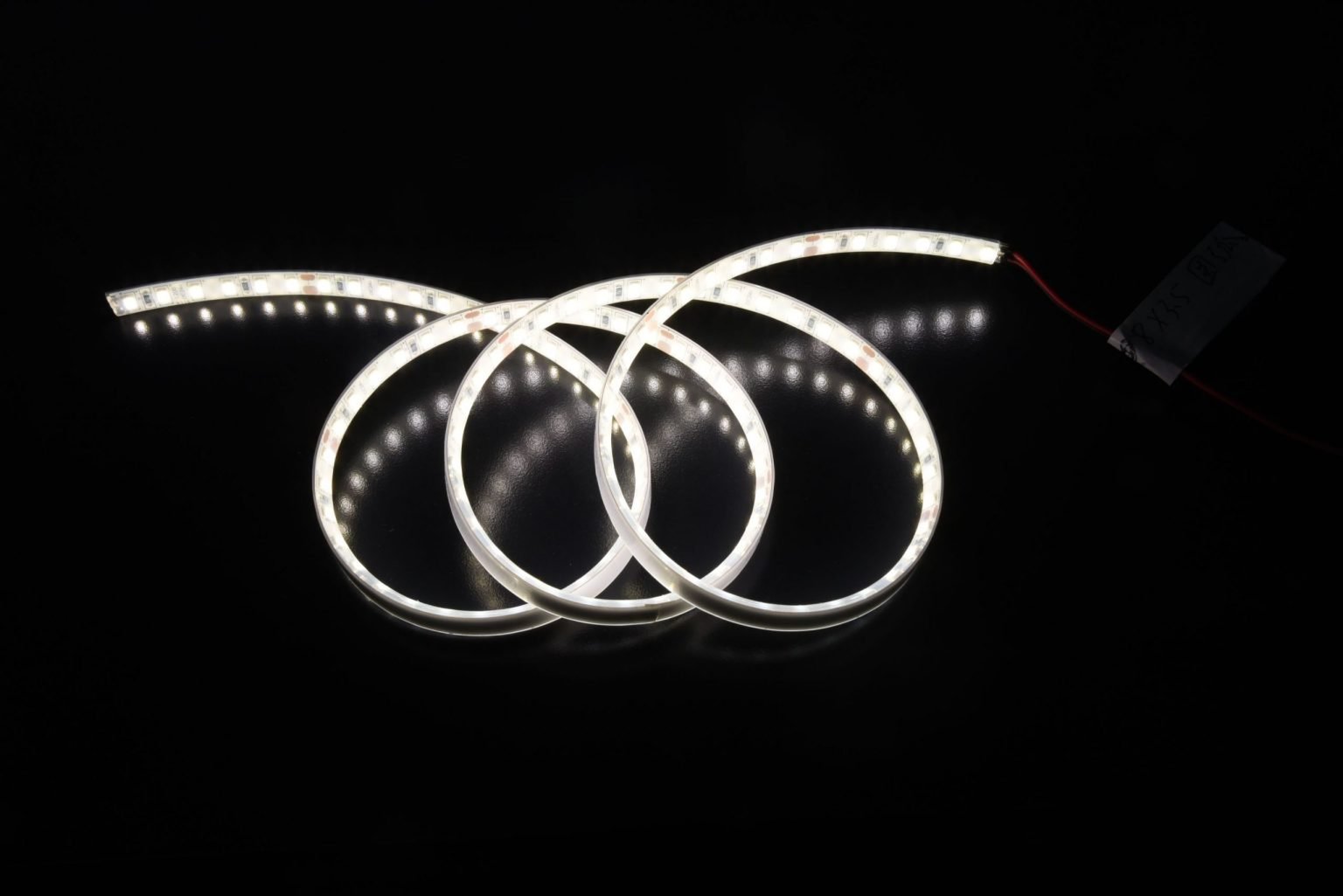
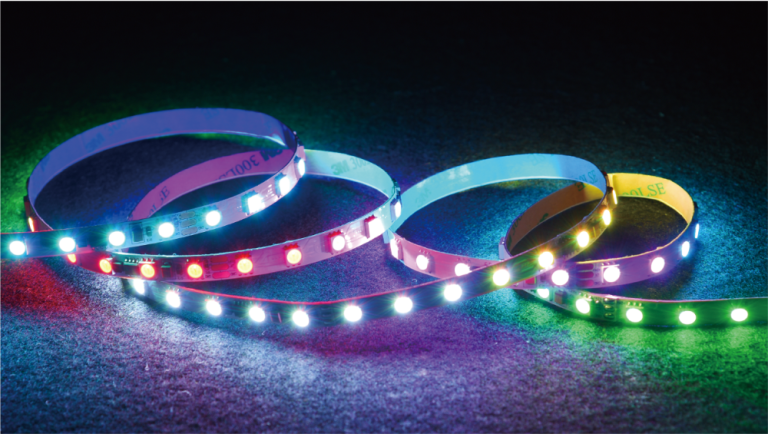
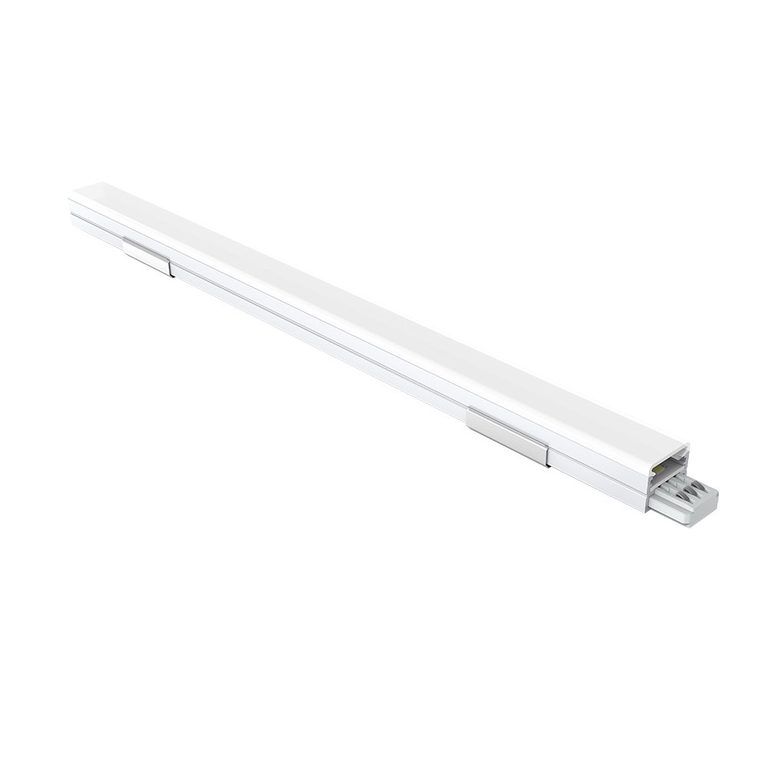
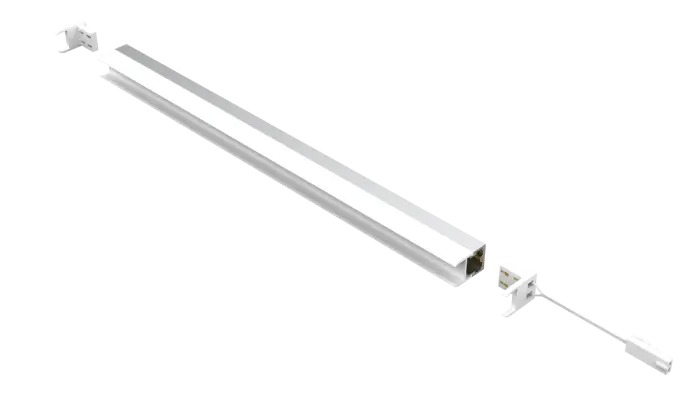
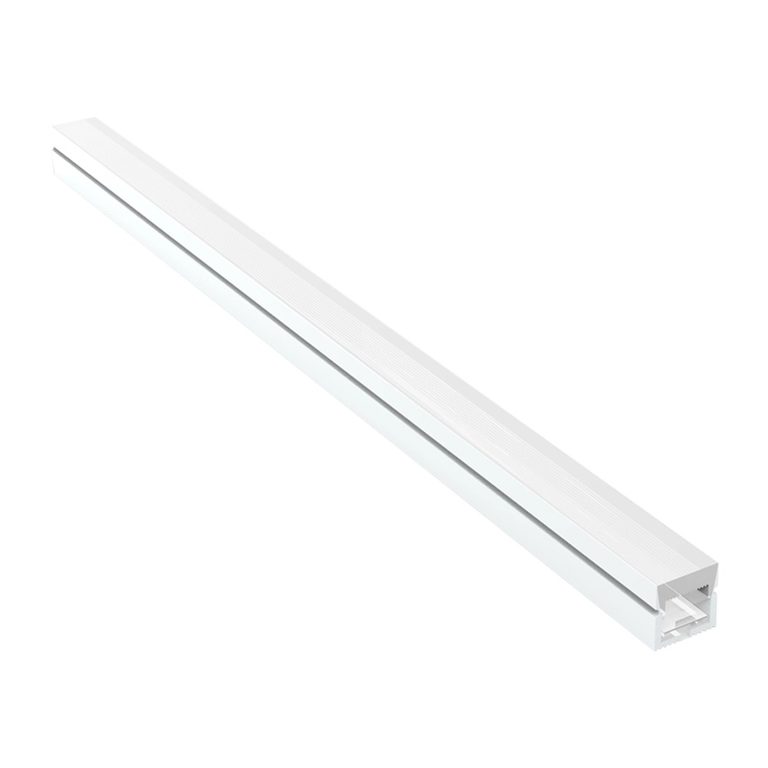
LED strip light projects may use flexible strips in coves, signage details, handrails or recessed architectural features, subject to product suitability and local requirements. Commercial LED strip lights can complement general linear fixtures by adding localized illumination where a continuous architectural line is desired. Combining these approaches helps the design achieve both functional coverage and a coherent visual identity.
Select Products Around Performance Requirements
Product selection should follow the lighting plan. Define illuminance, uniformity, glare control, color rendering, color temperature, dimming and emergency-lighting requirements for each zone. Check fixture output, optics, dimensions, driver compatibility, ingress protection and operating conditions.
For public transport environments, glare and abrupt changes between bright and dark areas can affect visual comfort and passenger awareness. Network Rail’s station lighting guidance emphasizes passenger safety, wayfinding, glare management and visual adaptation as part of the design process. Project teams should consult the applicable local standards and the operator’s requirements rather than copying values from another station.
When specifying commercial LED strip lights, also confirm the intended role: decorative accent, wayfinding support, task illumination or architectural integration. Each use may require a different output, diffuser, color quality and mounting detail. Photometric files and sample testing help determine whether the proposed product performs as expected in the actual space.
Coordinate Customization, Controls and Infrastructure
Customization may involve fixture length, housing, mounting, output, CCT, wiring or controls. Choices depend on ceiling structure, service space and maintenance strategy. For long runs, confirm electrical loading, voltage drop, feed locations and maximum run limits.
For each customized element, document approved tolerances, finish requirements, sample references and acceptance criteria. This is useful when station zones share a visual language but have different mounting conditions or electrical loads.
Coordinate controls early. Dimming, occupancy sensors, daylight response and building-management interfaces may require compatible drivers and protocols. Design emergency lighting as a compliant system, not as an assumed function of ordinary fixtures. Clear schedules and wiring diagrams reduce ambiguity among suppliers and contractors.
Use Reference Projects to Improve Design Decisions
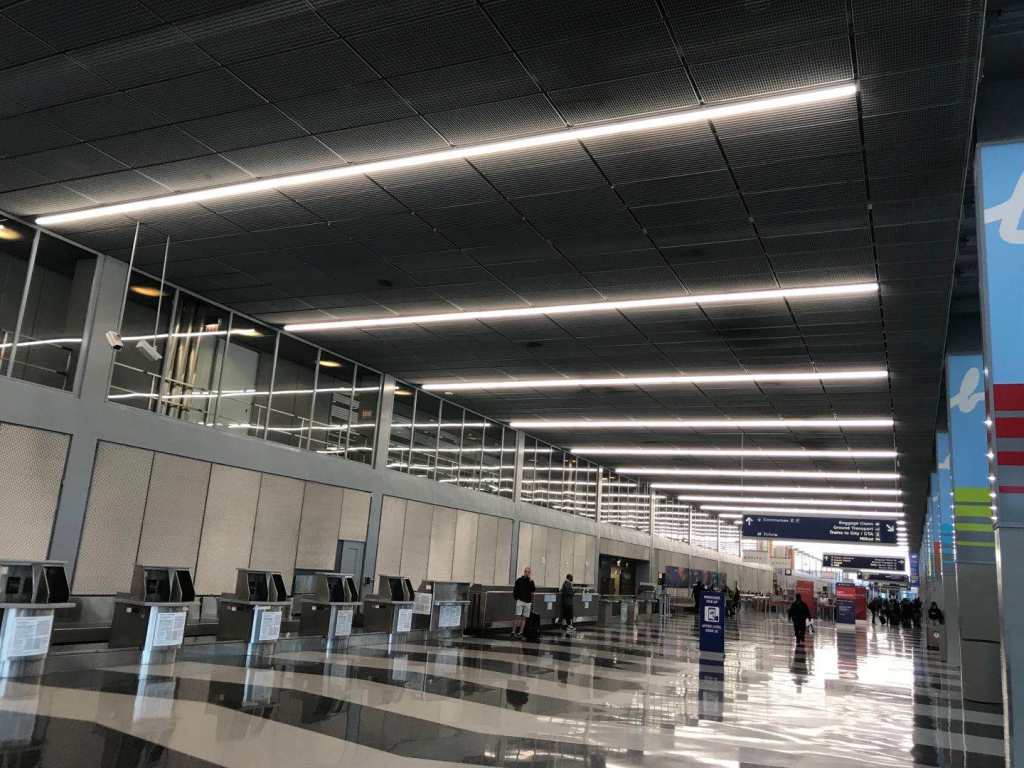
Reference cases show how products are applied in real environments. Our “Linear fixtures in a station” case documents a station lighting application. Although every station differs, the example can prompt discussion about fixture integration, visual continuity and coordination with the surrounding structure.
Compare each reference with your own ceiling geometry, mounting height, passenger flow, exposure, maintenance access and light distribution. Treat photographs as inspiration, not proof that identical specifications will suit another site. Request drawings, photometric data and product documents before approval.
Plan Installation, Commissioning and Maintenance
Plan installation before materials reach the site. Confirm dimensions, fixings, cable routes, access panels, power supplies and connection points against coordinated drawings. Coordinate the sequence with ceiling closure, signage, fire protection and other services. For retrofits, plan safe, phased work to limit disruption.
Commissioning should verify aiming, control response, uniformity and required lighting levels. Record test results, product data, circuit schedules and maintenance instructions. Plan access for replacing drivers and fixtures. These steps help LED strip light projects perform reliably after handover.
Turn the Design Intent into a Deliverable System
Project-based lighting succeeds when design, selection, installation and maintenance are connected. A zone-by-zone brief, coordinated documents and early supplier communication reduce late changes. In stations, lighting also supports safe movement, legible information and passenger experience.
At LEDIA Lighting, we provide LED strip solutions and linear fixtures for commercial and public applications, supported by product development, manufacturing and customization capabilities. Whether a brief involves architectural accents or commercial LED strip lights for an integrated scheme, we work with project teams to identify suitable configurations. Across LED strip light projects, the strongest result comes from matching each product to its location and performance needs. Commercial LED strip lights should be specified as part of the complete lighting system, not as isolated components.