Projects that use LED strip lighting often change between the drawing stage and installation. Cabinet dimensions shift, details become tighter, power routes move, and final lengths can differ from the first schedule. A flexible project therefore needs more than a bendable light source. It needs a lighting plan that can absorb reasonable changes without forcing the entire specification to be rebuilt.

That is the planning issue we address at LEDIA Lighting: keeping design freedom while still giving contractors and installers a clear, workable specification.
Flexibility Has to Be Built Into the Layout
A project becomes easier to adjust when the lighting layout is not tied too early to one exact strip length. Drawings should identify illuminated areas, likely connection points, available installation space, and approximate circuit lengths before every cut dimension is treated as final.
That distinction matters in joinery and architectural details. A shelf may become deeper, a recess may narrow, or a continuous run may be divided by a structural element. Leaving sensible room for adjustment can prevent a minor dimensional change from creating a new lighting problem.
The same principle applies to drivers and wiring. A lighting plan that considers only the visible strip can look complete on paper while leaving little freedom behind the surface. Cable paths, access points, mounting space, and serviceability all influence how adaptable the finished installation will be.
Different Strip Formats Can Support Different Parts of One Project
Flexibility does not mean selecting one product and using it everywhere. A larger project may contain straight architectural lines, tight joinery, curved details, display areas, and locations where the strip needs to be cut at more frequent intervals.
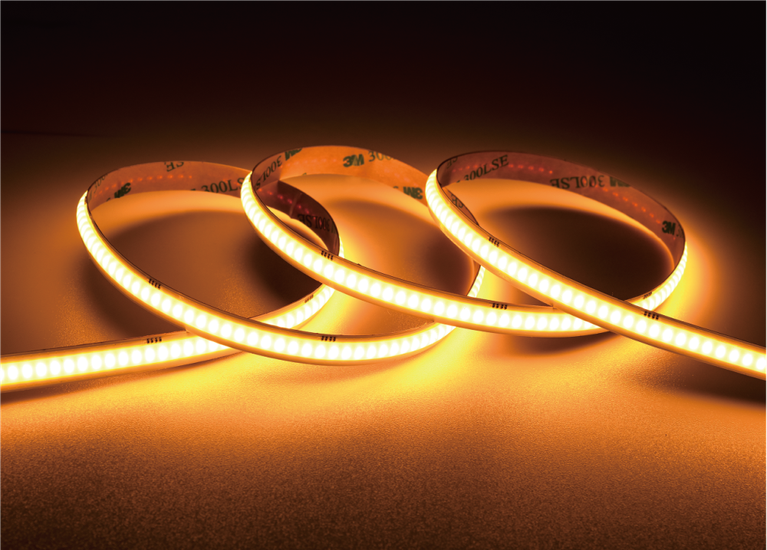
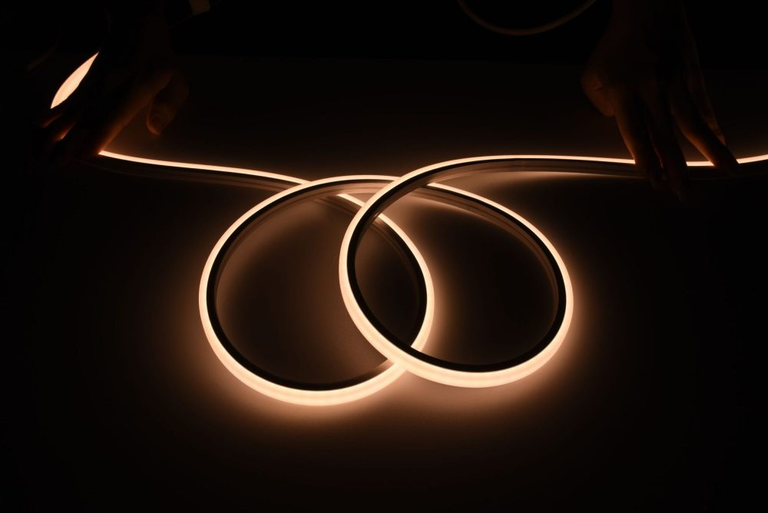
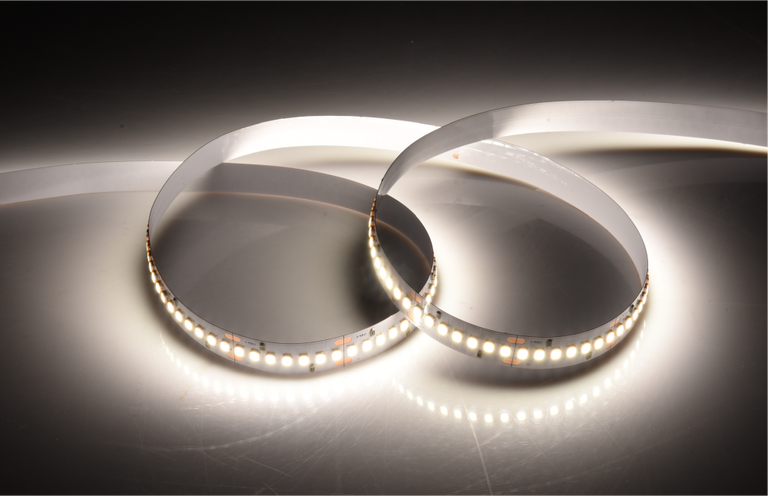
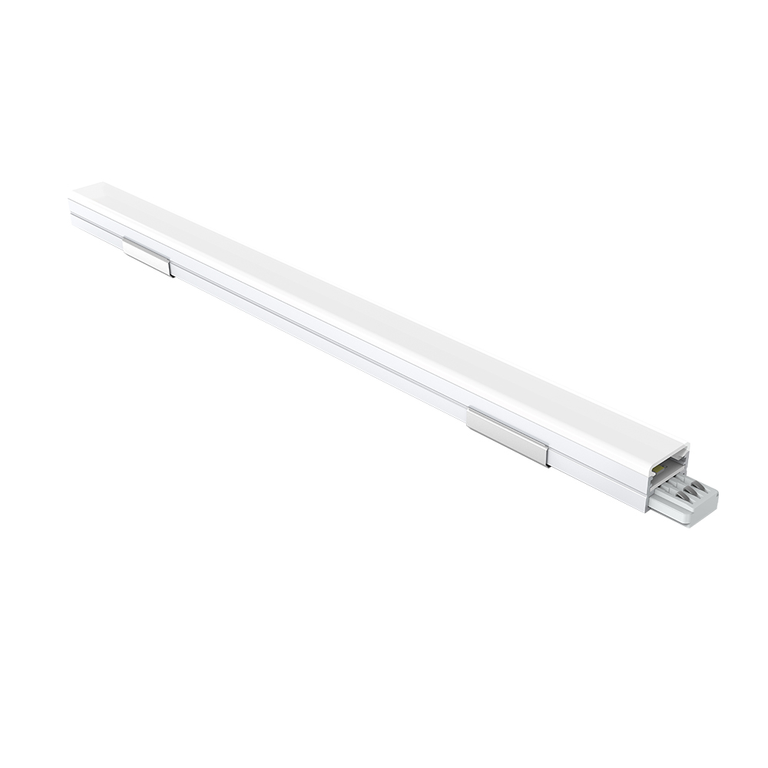
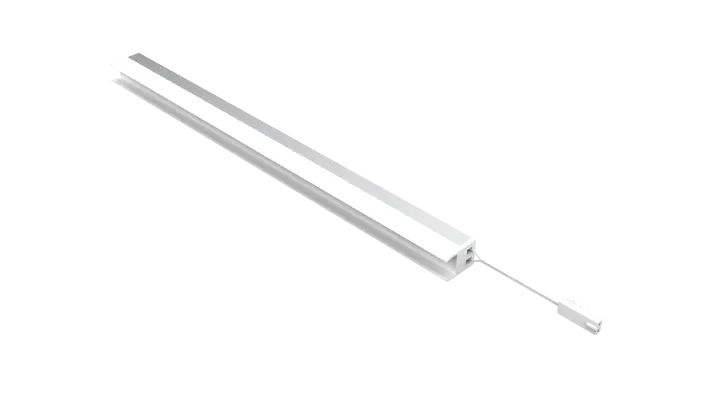
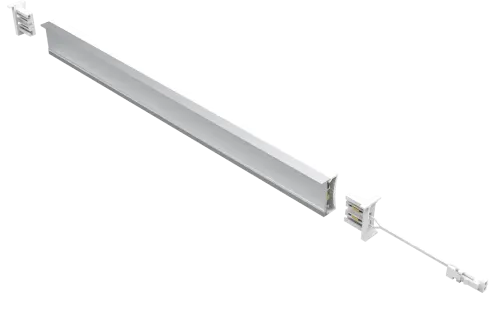
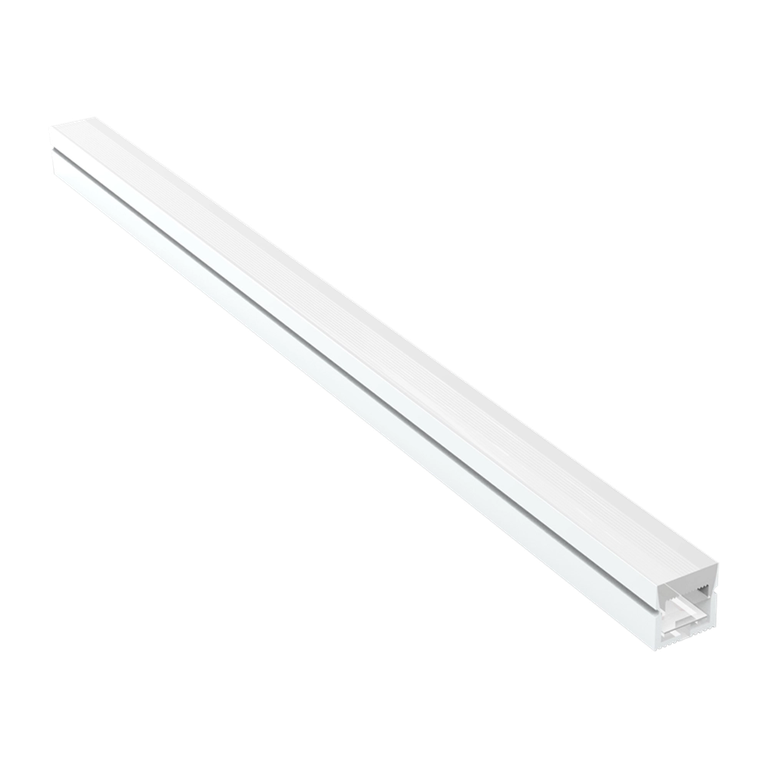
Our strip-light range includes different formats and series, allowing the specification to respond to the actual detail instead of forcing every location into one format. One option may suit a long continuous run, while another may be more appropriate where a compact construction or different cutting arrangement is required.
That is where choosing an experienced LED strip supplier becomes valuable. Product selection can be discussed alongside the physical detail rather than treating the strip as an isolated component in a bill of materials.
Curves and Tight Details Need Room for Adjustment
Straight lines are usually straightforward to schedule. Curved coves, rounded furniture, irregular recesses, and narrow profiles create a different planning challenge because the available length and installation path may not be completely predictable at the beginning.
Flexible LED strip lights can give designers more freedom in these situations, but flexibility should not be confused with unlimited installation freedom. The strip still needs suitable space, appropriate mounting conditions, and a sensible route for power and connections.
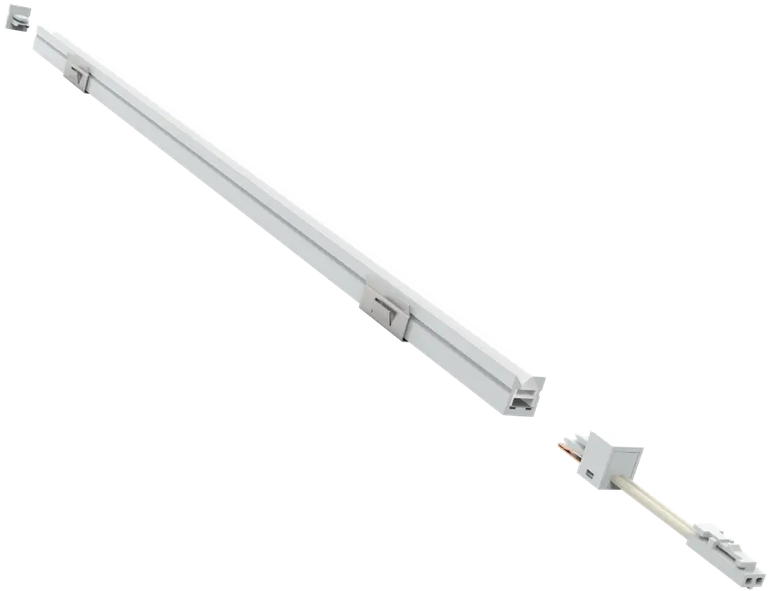
A useful project drawing therefore shows more than a glowing line. It should communicate where the strip sits, how it turns, where it terminates, and how the installer can reach the connection. Those details reduce interpretation on site and make later adjustments easier to manage.
Power Planning Determines How Much Flexibility Remains
Electrical planning can quietly limit a project’s flexibility. Once cable routes, driver locations, and circuit arrangements are fixed, moving a lighting run may become difficult even if the strip itself is easy to reposition.
Early coordination gives the lighting layout more freedom. Intended strip lengths and circuit divisions can be reviewed together with available installation space and the power arrangement. Where the project is still developing, keeping connection points practical can be more useful than trying to predict every final dimension months in advance.
LEDIA Lighting treats the power side as part of the lighting detail rather than a separate afterthought. That mindset becomes particularly useful on projects where illuminated areas are distributed across furniture, walls, ceilings, or other architectural elements.
Site Changes Should Not Automatically Trigger a New Lighting Design
Construction rarely follows every drawing dimension perfectly. A flexible specification should allow controlled adjustment when the site condition differs slightly from the original plan.
For example, a final cabinet dimension may change without changing the design intention. If the lighting detail has been planned around realistic cutting and connection options, the installer may have room to adapt the run instead of requesting an entirely new product selection.
Good documentation supports that flexibility. Clear product identification, intended installation positions, circuit information, and relevant cutting or connection instructions give the site team boundaries within which changes can be managed consistently.
A Flexible Plan Still Needs Firm Decisions
Too much openness can create its own problems. A project cannot remain “flexible” by leaving every product, length, and connection undecided until installation. The goal is controlled flexibility: enough room to respond to site conditions, but enough definition to keep procurement and installation predictable.
At LEDIA Lighting, we resolve the decisions that genuinely impact the project while keeping dimensional adjustments flexible where the design allows. We make sure the strip format, lighting role, installation environment, power strategy, and critical connection details are fully locked down before moving into production or installation.
The result is a specification that can move with the project instead of resisting every small change.
Planning for Flexibility Without Losing Control
Flexible LED strip projects work best when adaptability is treated as a design requirement from the beginning. Layouts need room for dimensional changes, product formats should reflect different physical details, and power and connection planning should leave practical options for the installer.
The objective is not to make every part of the lighting system changeable. It is to decide what must stay fixed and what can remain adjustable. That balance gives designers more freedom, installers clearer boundaries, and project teams fewer surprises as the work moves from drawing to site.
When dimensions and installation requirements are still in flux, partnering with an experienced LED strip supplier helps transform project flexibility into a structured, reliable specification. Choosing flexible LED strip lights is merely the starting point; the ultimate success and adaptability of a project depend equally on the surrounding layout, power architecture, mounting details, and documentation.