Custom lighting projects rarely follow perfectly straight lines. A cove may curve around a ceiling, a retail display may have several shelf lengths, or an architectural feature may require light to follow a non-standard profile. Rigid fixtures can create compromises in these situations. Flexible strip lighting offers a different starting point: instead of forcing the space to match the fixture, the lighting can be planned around the space.
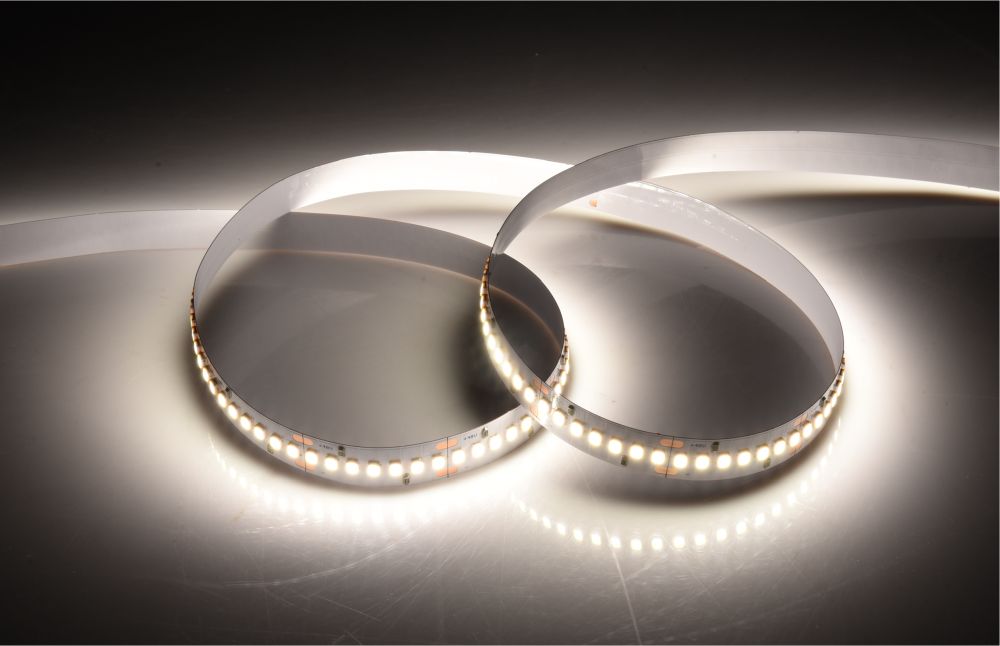
Instead of treating the strip as an isolated electrical part, we approach it as a key element of the overall lighting system. This ensures product selection is directly tied to geometry, installation, electrical layout, and the intended look.
Custom Projects Start With the Shape of the Space
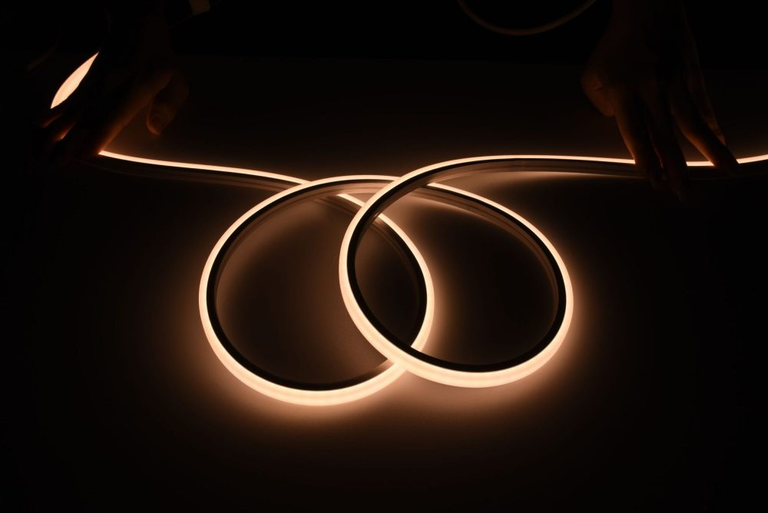
Flexibility becomes valuable when the illuminated path is not simply a repeated straight run. Designers may need continuous lines around architectural details, concealed lighting inside furniture, or illumination along display structures with different dimensions.
The physical dimensions of the strip matter because the product must fit the available channel, profile, recess, or mounting surface. Cutting intervals also become relevant. A shorter cutting interval can give an installer more control over the final length, while an unsuitable interval may leave unwanted gaps or require additional planning around the structure.
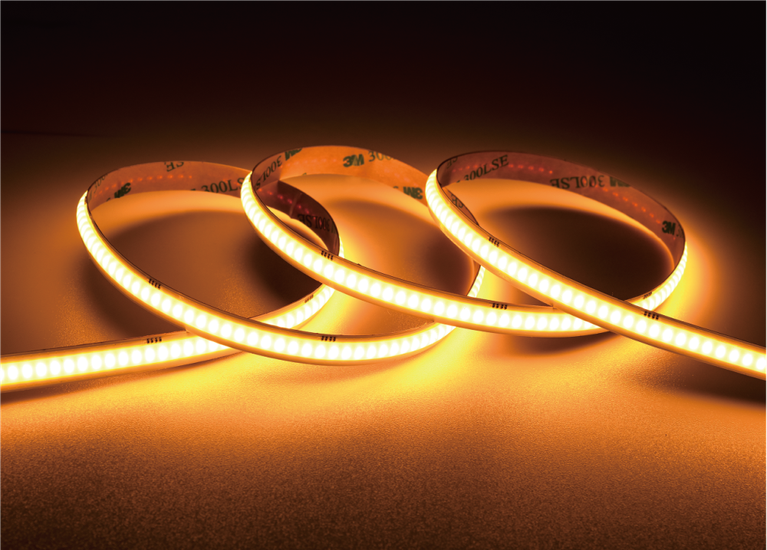
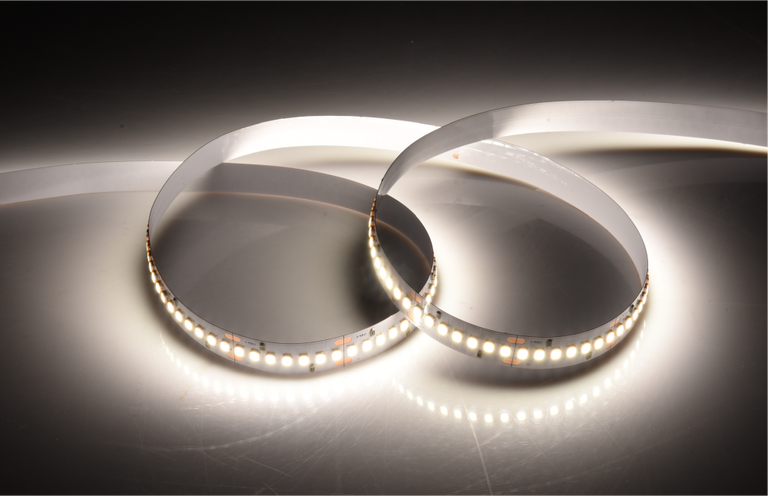
Our strip-light portfolio includes conventional strip products as well as COB, digital, silicone, and other configurations. The current product range lists 48V, COB free-cut, COB constant-current, and other strip-light series, giving project teams different starting points for different design requirements.
The Strip Becomes Part of the Design System
A custom project usually requires more than choosing a flexible light source. The strip has to work with the physical system surrounding it.
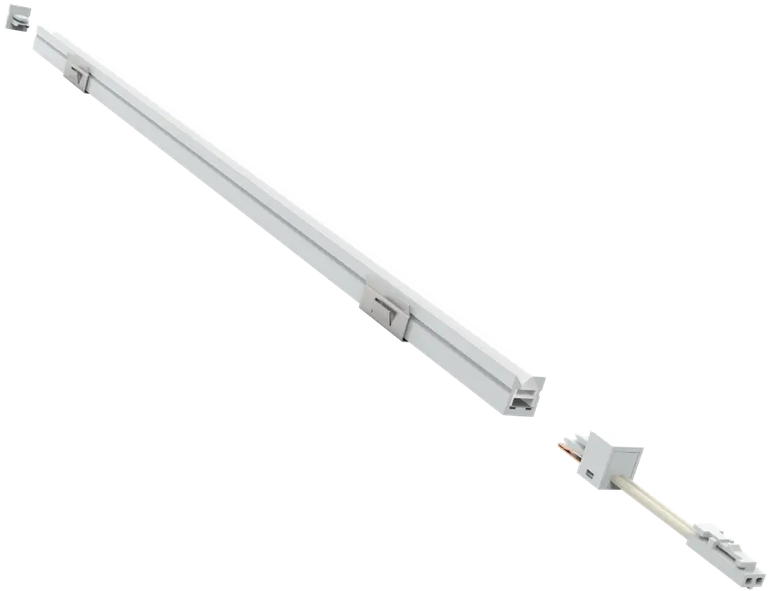
An installer may place it inside an aluminum profile, behind a panel, beneath shelving, or within a purpose-built architectural detail. The available space determines the strip’s width and bending requirements, while the desired appearance influences how the light source should be positioned.
That is where an experienced LED strip supplier can contribute more than a product catalog. Project discussions can address dimensions, voltage, color temperature, waterproofing options, and other parameters before the final configuration is ordered.
We also recognize that visual consistency matters when multiple sections are installed across one project. A technically compatible strip is not necessarily the right choice if its optical characteristics do not match the project’s design objective.
Voltage and Cutting Intervals Affect Project Planning
Electrical planning deserves attention before a long strip installation reaches the site. Voltage affects the system architecture, including the relationship between the strip, power supplies, wiring, and installation lengths.
Our 48V range illustrates why voltage can become a project-level selection issue. The published range includes products designed for longer runs and shorter cutting intervals, with individual models using different lengths, cutting units, power levels, and LED configurations.
For example, the published 48V specifications include models with cutting units of 35mm, 50mm, 60mm, and 100mm, depending on the specific product. These differences are not interchangeable specifications; they need to be matched to the actual design and installation plan.
Using 48 Volt LED strip lights can therefore be a deliberate engineering decision rather than simply a preference for a higher nominal voltage. The project team should consider the required run lengths, power architecture, cutting requirements, and compatible components together.
Environmental and Visual Requirements Still Matter
Flexibility does not remove the need to specify the strip for its installation environment. An indoor architectural detail may have completely different requirements from a damp location, exterior feature, or installation where the strip is exposed to moisture.
The 48V Series published by LEDIA includes IP20, IP65, IP67, and IP68 options, showing that protection levels can vary within a product family. Buyers should select the appropriate version based on the actual installation conditions rather than assuming every strip provides the same protection.
Visual requirements also need to be defined early. The same series includes CRI80+ and CRI90+ options, while published models cover multiple CCT choices, including 2700K, 3000K, 4000K, 5000K, and 6000K.
For 48 Volt LED strip lights, these variables demonstrate why voltage alone should not determine the purchase. A successful specification combines electrical characteristics with the desired appearance and installation environment.
Choosing a Supplier Means Looking Beyond the Reel
Custom projects create more coordination points than straightforward replacement purchases. Buyers may need assistance comparing product configurations, confirming dimensions, discussing samples, or translating a lighting concept into a manufacturable product.
A capable LED strip supplier should therefore be evaluated according to how well it supports that process. Product breadth matters, but so does the ability to communicate clearly about specifications and project requirements.
Customization is approached as a rigorous engineering discipline rather than a cosmetic modification. Parameters such as strip dimensions, ingress protection, chromaticity, cutting intervals, and electrical architecture are systematically addressed prior to manufacturing, precluding discrepancies during the installation phase.
At LEDIA Lighting, our product range demonstrates this broader approach: the strip-light category includes regular and silicone options and multiple specialized series, including COB and 48V products.
Flexible strip lighting is most useful when its flexibility solves a real project constraint. The right choice depends on the geometry of the installation, electrical architecture, cutting requirements, environmental exposure, and visual target.
That is why we would not select a strip simply because it is flexible. We would first define what the project needs the light to do, then match the product configuration to those conditions. For custom architectural and commercial work, that process turns a simple strip into a deliberately engineered part of the lighting system.