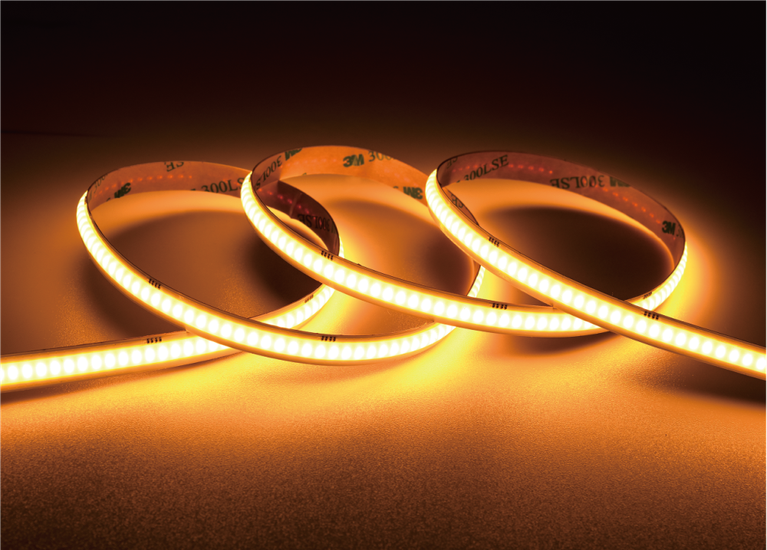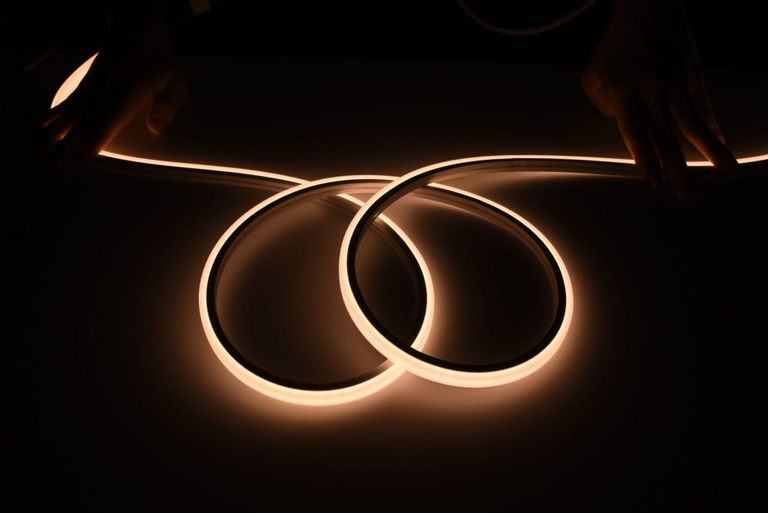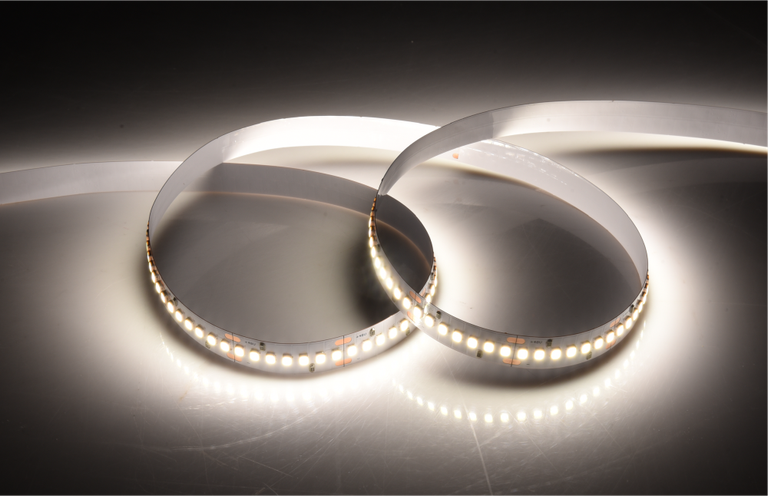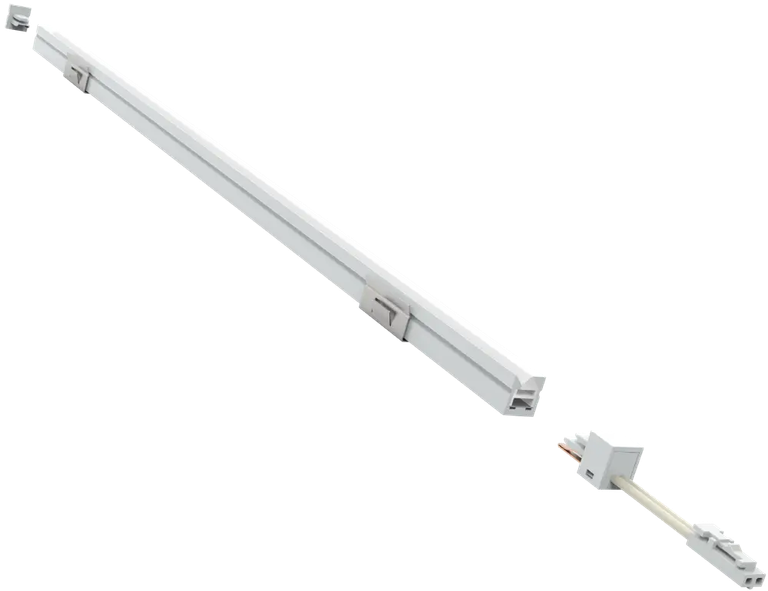
A neon lighting line can look simple on a drawing: one continuous curve, a clean outline, or a narrow illuminated edge. The installation becomes much less simple once that line has to follow a façade, sign, ceiling detail, retail display, or architectural feature.
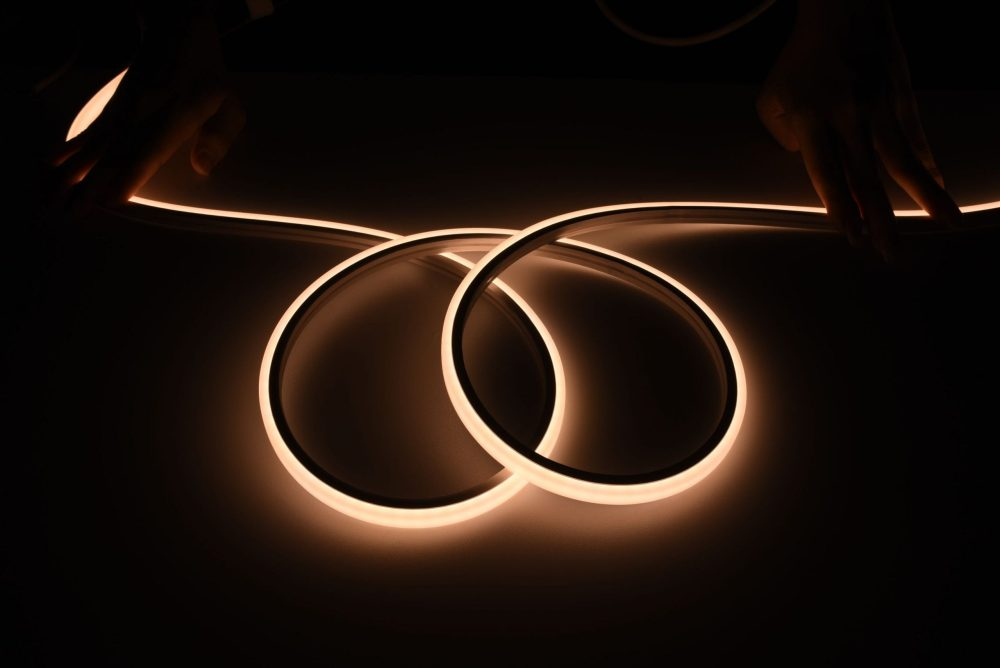
That is why planning silicone LED strip light should start with the physical lighting route rather than the product name. The required bending direction, profile size, cutting point, protection level, and visual effect can all change which silicone construction makes sense.
For project teams, these five decisions provide a more practical starting point before a specific model is added to the specification.
The Shape of the Lighting Line Comes Before the Product
A straight lighting line and a curved architectural outline do not place the same demands on a flexible light. The first drawing review should therefore show exactly how the lighting will travel across the surface.
Some installations need the strip to follow a broad horizontal curve. Others require tight turns, irregular contours, or a continuous outline around a feature. The bending requirement should be identified before the lighting profile is selected because different silicone constructions are designed around different physical forms.
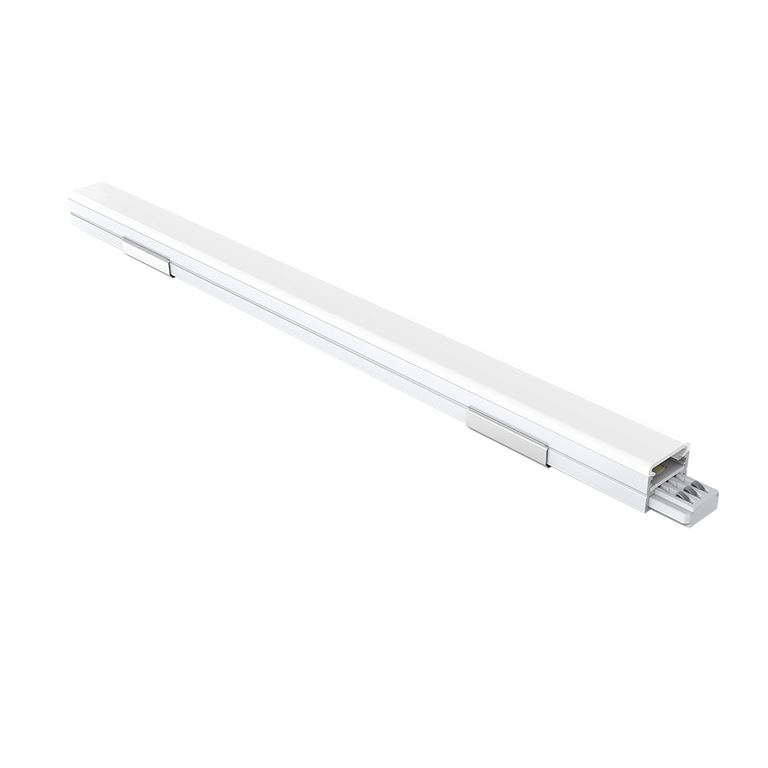
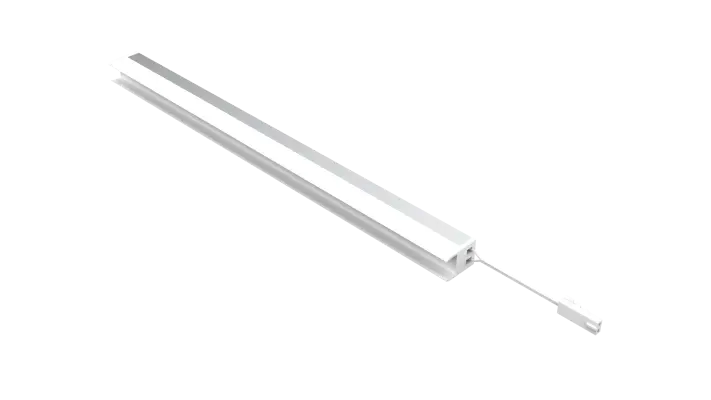
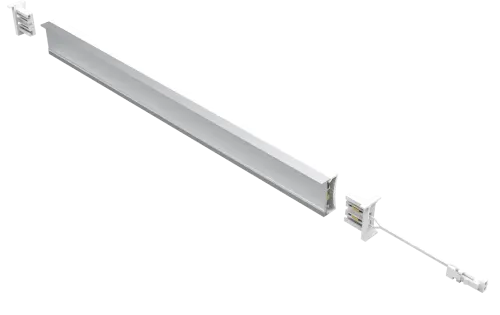
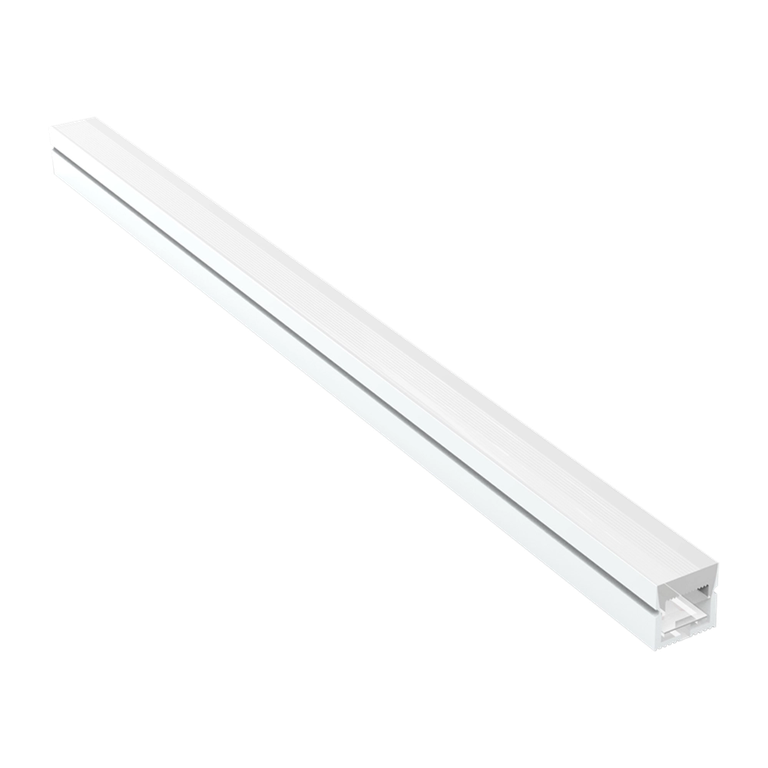
LEDIA Lighting’s silicone strip range includes straight, arc, hollow, and solid extrusion formats.Our product line includes options such as 10x10mm hollow neon flex, 12x12mm hollow and solid extrusions, as well as several narrower hollow and solid profiles.
The difference is important during planning. A profile that physically fits the available channel may still be unsuitable if its bending direction does not match the intended route. Marking the curve and orientation on the project drawing first can prevent that mismatch.
The Installation Surface Determines the Neon Flex Profile
Profile dimensions become much more important once the lighting has to disappear into a detail or sit directly against a surface. A few millimeters can affect how the strip is mounted, how visible the extrusion becomes, and whether the finished line looks integrated.
Project teams should confirm the available recess or mounting surface before selecting a flexible neon LED strip. The relevant dimensions are not limited to width. Height, bending direction, mounting method, and the relationship between the illuminated surface and the surrounding material all need to be considered.
LEDIA’s silicone range provides multiple profile sizes and constructions rather than one universal format. Its product category includes 6×12mm, 8×4mm, 9.5×4.5mm, 10×4mm, 10×4.4mm, 12×4.8mm, and larger neon profiles.
That variety gives designers and contractors more room to match the light source to the physical detail. A narrow profile may suit a compact architectural edge, while a larger neon extrusion may be more appropriate where the lighting itself needs a stronger visual presence.
Cutting Length Matters More Than It Looks on the Drawing
A continuous neon line often appears straightforward until the actual dimensions are measured. Architectural outlines, signs, cabinets, retail structures, and decorative features rarely conform perfectly to one standard reel length.
Cutting specification should therefore be established before the material quantity is calculated. The project team needs to know not only the total run, but also where the product can be cut and how those cut sections will be connected.
A 12×20mm LEDIA neon flex model, for example, is specified with a 50mm cutting length and a 6-LED cutting unit. Another 6×12mm model is listed with an 8.3mm minimum cutting length and a 6-LED unit.
That difference can matter considerably on detailed projects. A drawing with many short sections or carefully controlled endpoints benefits from a product whose cutting specification matches the required geometry.
The same point applies to silicone LED strip light when procurement is based on a project drawing rather than a standard decorative installation. Cutting capability should be checked against the actual dimensions before the purchase order is finalized.
Indoor and Outdoor Plans Need Different Protection Levels
The word “neon” does not by itself define where a flexible light can be installed. Environmental conditions still need to be specified separately.
An indoor cove, retail display, and building façade can have completely different exposure to water, dust, temperature changes, and physical contact. The required IP rating should therefore follow the installation environment rather than being treated as a secondary product feature.
LEDIA’s silicone category includes both IP67 and IP68 products. Its 12×20mm neon flex model, for instance, is specified as IP68, while the 6×12mm model is listed as IP67.
Silicone construction also provides the physical flexibility that makes these products suitable for curved and irregular lighting routes. LEDIA describes its silicone strip range as bendable and suitable for indoor and outdoor scenarios, while individual products are positioned for applications including architectural outlines, signage, retail displays, façades, and decorative installations.
For a commercial project, the specification should therefore record the actual environmental requirement. “Outdoor” is not enough; the selected product should have a protection level appropriate to the location and installation conditions.
The Light Effect Should Be Specified Before the Order
A neon installation is judged primarily by the appearance of the finished line. Product planning should therefore address the visual effect at the same time as the mechanical requirements.
The key question is whether the project needs a continuous surface glow, a more directional effect, or a particular color-changing presentation. LEDIA’s silicone range includes products designed around continuous and surface illumination, while its catalogue also includes different CCT and color configurations.
The 6×12mm model, for example, is described as providing continuous, dot-free illumination and is available in white and several colored options, including RGB. Its published specifications include 2700K, 3000K, 4000K, and 6500K CCT options.
That information should be settled before ordering rather than left to the installation stage. A façade outline intended to provide architectural white light has a different specification from a retail feature requiring RGB effects or a decorative colored line.
We provide multiple silicone neon constructions at LEDIA Lighting so our project teams can tailor profiles, cutting options, protection ratings, and light outputs directly to the space—keeping us from ever forcing a project into a generic, pre-set format.
Planning flexible neon LED strip projects effectively comes down to making these decisions in the right order. Draw the lighting route first, confirm the physical profile, check the cutting specification, establish the environmental requirement, and then finalize the desired light effect.
That sequence keeps the product choice connected to the actual installation. For contractors and project buyers, it also makes the specification easier to communicate because the selected silicone neon is being chosen for a defined construction requirement—not simply because it is flexible.