Commercial lighting increasingly needs to work within the architecture and furniture rather than simply being attached to it. Recessed linear solutions can create clean illumination while keeping the light source visually discreet. For contractors, furniture manufacturers, lighting distributors, and project buyers, this approach also offers flexibility when different spaces require different lengths and installation arrangements. A well-designed recessed LED profile can therefore serve both functional and aesthetic requirements.
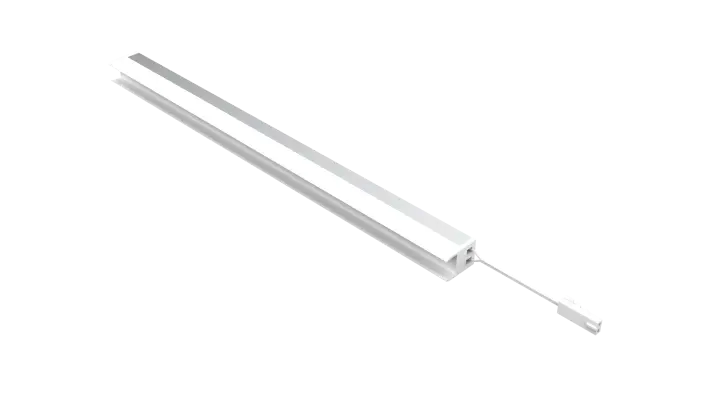
Why Recessed LED Profiles Suit Integrated Lighting
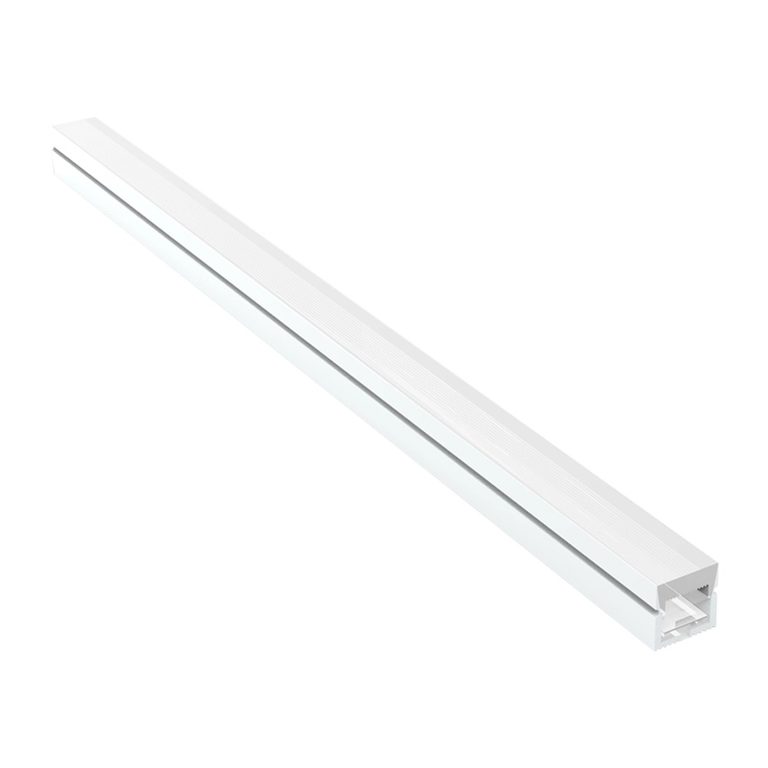
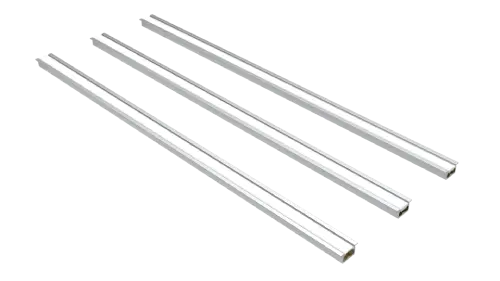
A recessed LED profile places the light source within a dedicated channel or built-in structure, allowing the lighting to sit more naturally within furniture, walls, ceilings, or display fixtures. This creates a cleaner appearance than exposed strip lighting and can help maintain the visual continuity of modern interiors.
Aluminum profiles can also provide structural support and assist with heat dissipation. LEDIA Lighting’s technical guidance notes that aluminum extrusion can draw heat away from LED components while providing a stable mounting surface. It can also protect the strip and support a more refined finished appearance.
Wardrobes and Closets Need Precise Linear Illumination
Wardrobes and closets are among the most practical applications for integrated linear lighting. Shelves and hanging areas can create shadows, making it difficult to identify clothing and accessories. A slim light installed directly into the furniture can illuminate these areas without occupying useful storage space.
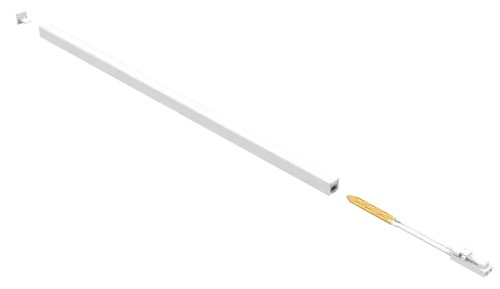
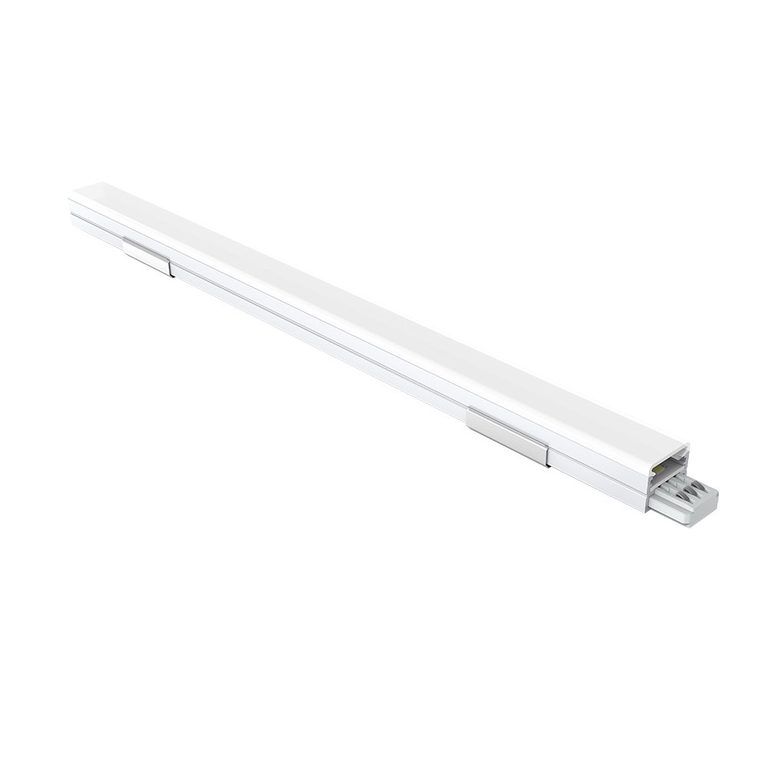
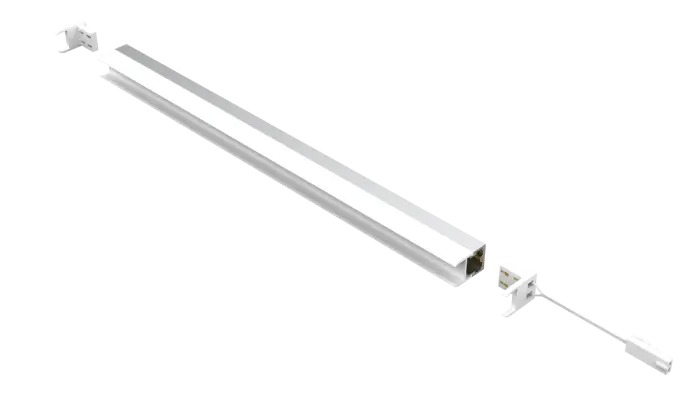
We can use the F02 as a closet strip light for built-in wardrobes and closet systems. Its free-cutting design allows installers to create lengths suited to different cabinet dimensions. The soldering-free quick plug-in connection also reduces the need for field welding, helping furniture manufacturers simplify installation during production or assembly.
Kitchen Cabinets Benefit From Built-In Lighting
Kitchen cabinets present another useful application. Under-cabinet lighting can improve visibility across work surfaces, while lighting inside cabinets can make stored items easier to locate. Because cabinetry often has fixed dimensions, the ability to adapt linear lighting to the required length is particularly valuable.
The F02 is designed for kitchen cabinets as well as wardrobes, shelves, and other integrated furniture. Its slim aluminum housing supports a built-in appearance, while the free-cutting feature allows the lighting to be adjusted according to the installation. This makes the F02 suitable for projects where standard fixture lengths may create unnecessary gaps or require additional modification.
Display Fixtures Can Use Recessed Lighting to Guide Attention
Retail environments place different demands on lighting. Display cases, shelves, and product fixtures need illumination that supports merchandise visibility without allowing the fixture itself to dominate the presentation. A recessed LED profile can place light close to the display surface while keeping the overall installation visually discreet.
We can apply the F02 to showcase LED lighting and retail display fixtures where customized lengths are required. Its integrated design can help create continuous linear illumination along shelving or display structures. For retail manufacturers and contractors, this approach can also make lighting easier to incorporate into the fixture during fabrication rather than treating it as a separate installation afterward.
Shelving and Store Decoration Open More Possibilities
Shelves can benefit from integrated lighting when the goal is to highlight products, materials, or architectural details. Linear illumination can run along the front, underside, or interior of a shelf depending on the desired visual effect. Similar principles can be applied to reception counters, merchandising structures, and decorative retail elements.
The F02 can also function as a closet strip light alternative for shelving and store decoration applications. Its free-cutting construction provides flexibility when designers need different lengths across one project. Rather than selecting several standard fixture sizes, project teams can work around the actual dimensions of the furniture or display structure.
Installation Design Should Be Considered Early
Choosing a recessed LED profile is only one part of an effective lighting system. Project teams should consider the available mounting space, wiring route, power supply, desired light direction, and accessibility for maintenance before fabrication begins. Early coordination between the lighting supplier, furniture manufacturer, and installer can reduce later modifications.
Our F02 uses a patented quick plug-in design intended for soldering-free installation. This can be especially useful for furniture production environments where repeatable assembly is important. The free-cutting concept also supports customized installation lengths, helping teams adapt the lighting to wardrobes, cabinets, shelves, and retail fixtures without relying entirely on predetermined sizes.
Matching the Lighting to the Project
Different applications require different lighting priorities. A wardrobe may need even illumination across hanging clothes, while a retail shelf may need controlled light directed toward merchandise. Kitchen cabinets may prioritize practical task visibility, whereas decorative store fixtures can place greater emphasis on visual integration.
For this reason, we recommend evaluating the installation context before selecting a product. A recessed LED profile should be assessed according to its physical dimensions, mounting method, optical requirements, and compatibility with the overall furniture or architectural design. This approach helps buyers specify a solution based on project requirements rather than simply choosing a generic linear light.
A Flexible Approach to Integrated Commercial Lighting
Recessed linear lighting can bring practical illumination into places where conventional fixtures are difficult to integrate. Wardrobes, closets, kitchen cabinets, shelves, display fixtures, and retail decoration all provide opportunities for built-in lighting when compact dimensions and customized lengths are important.
We at LEDIA Lighting designed the F02 around these requirements, combining a slim aluminum housing, patented quick plug-in connection, free cutting, and soldering-free installation. Whether used as a closet strip light, under-cabinet solution, or showcase light, it gives project teams greater freedom to integrate illumination directly into furniture and retail structures. For buyers planning built-in lighting projects, this flexibility can make both specification and installation more straightforward.