Lighting plays an important role in how commercial, residential, and industrial spaces function and appear. Beyond providing basic illumination, linear lighting can emphasize architectural details, improve visibility, support daily activities, and create a consistent visual identity. Its elongated form and adaptable installation options make it suitable for environments ranging from office interiors to retail displays and industrial facilities.
For lighting distributors, contractors, architects, and project developers, understanding the different applications of LED linear lighting strips helps identify suitable products for specific requirements. By considering installation conditions, lighting effects, and functional objectives, we can select solutions that balance aesthetics, performance, and practical value.

Commercial Offices: Supporting Productive Work Environments
Offices require lighting that supports visual comfort, concentration, and everyday activities. Linear fixtures are commonly installed in open-plan workspaces, meeting rooms, reception areas, and corridors because their structured appearance complements modern commercial interiors.
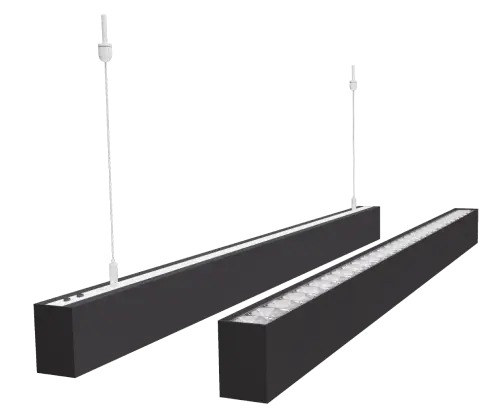
Suspended and surface-mounted fixtures provide different installation possibilities. Suspended lighting can become part of the ceiling design, while surface-mounted options are useful where ceiling cavities are limited. Designers should also consider glare control, color temperature, uniformity, and dimming compatibility.
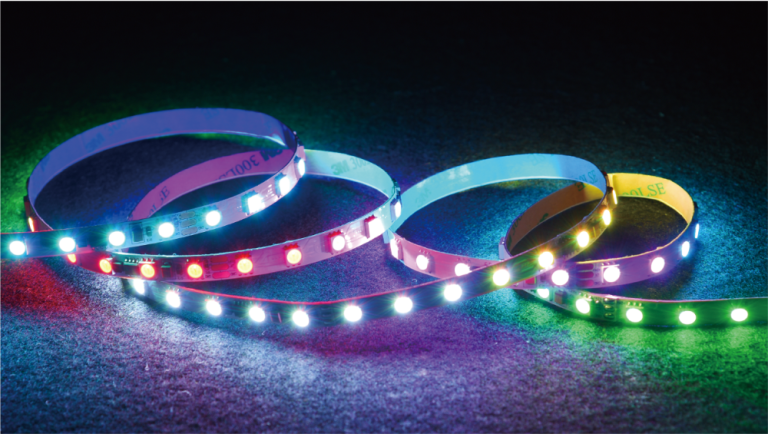
For these projects, flexible linear LED lighting can complement conventional ceiling fixtures by illuminating shelves, reception counters, wall features, and decorative ceiling details. Combining general and accent lighting creates a more adaptable environment.
Retail Stores: Improving Product Presentation
Retail lighting needs to do more than illuminate merchandise. It helps establish the store atmosphere, guide customer attention, and make products easier to examine. Linear lighting is particularly useful for display cabinets, shelving systems, counters, and decorative architectural features.
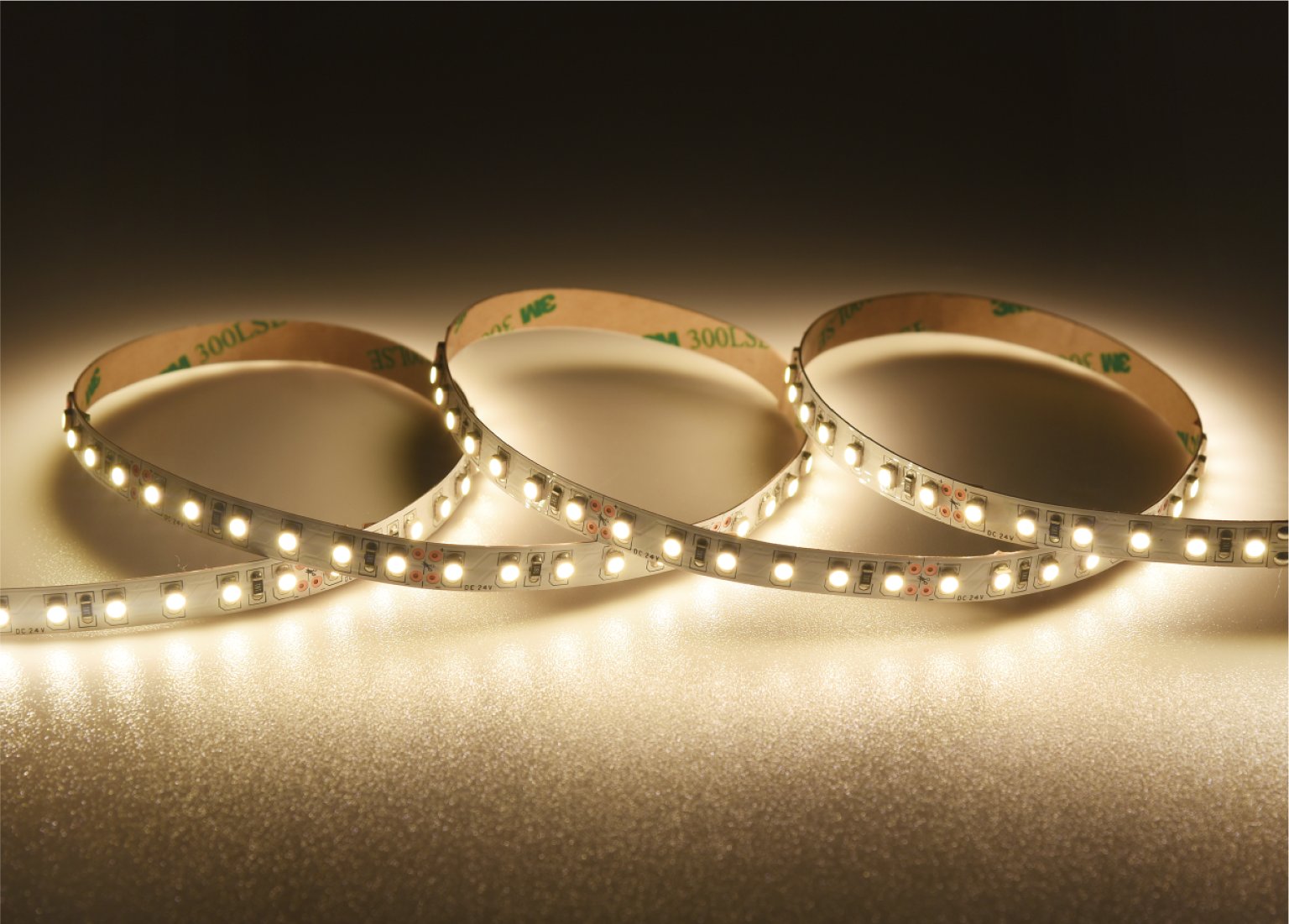
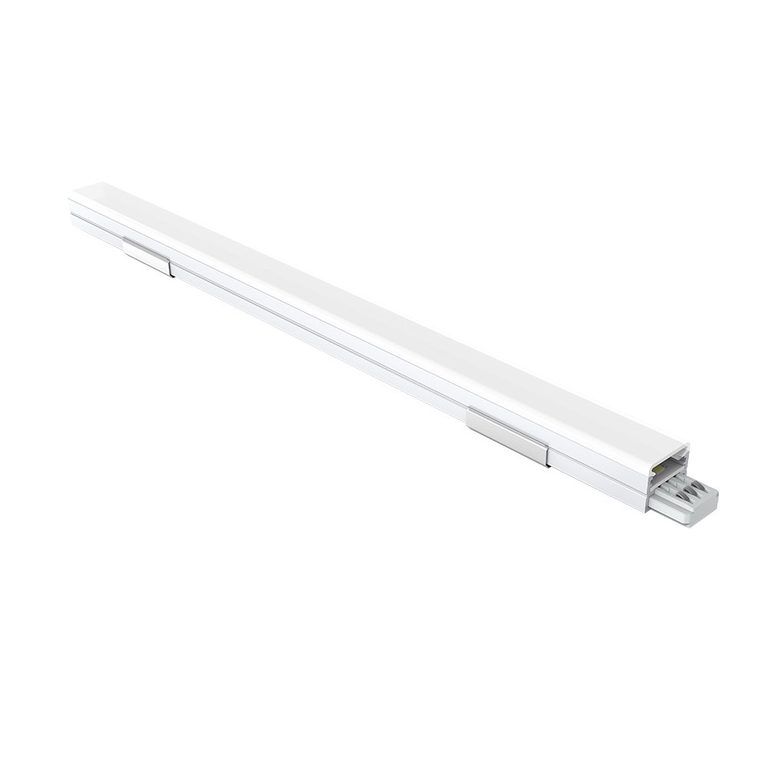
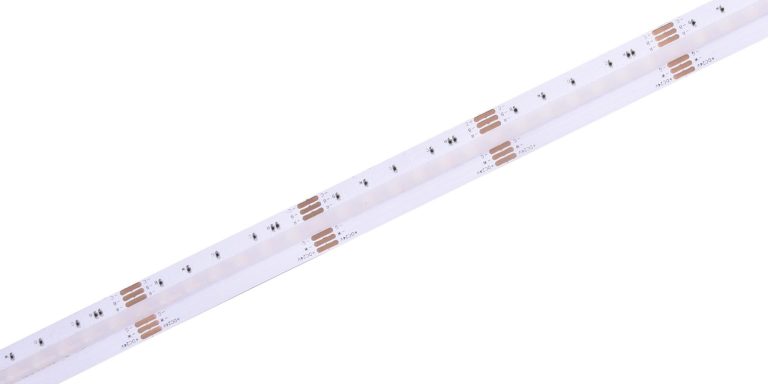
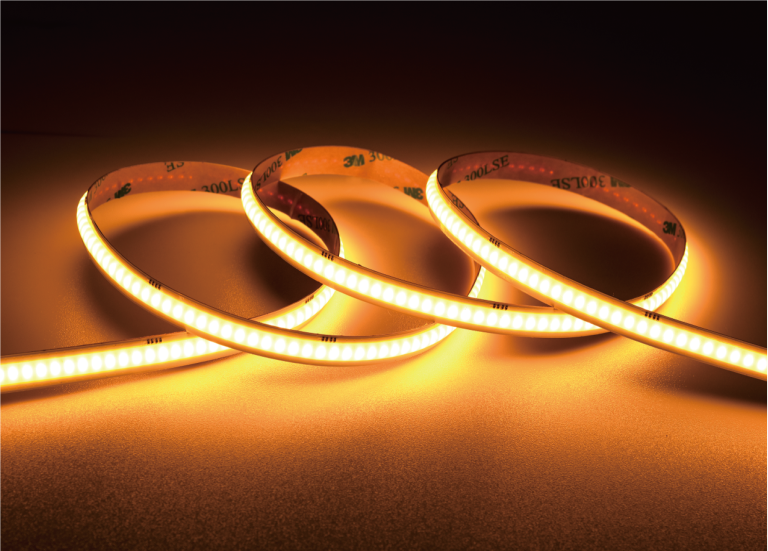
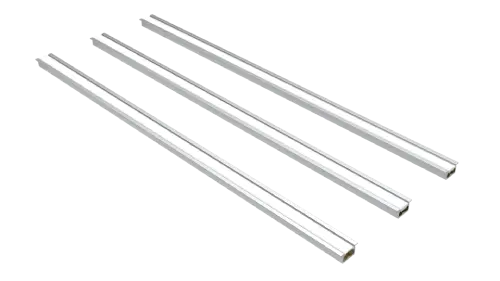
COB LED strips provide continuous illumination without prominent individual LED points, making them suitable for visible display applications. Their slim construction also allows integration into narrow profiles and furniture structures.
Retail designers can use different color temperatures and brightness levels to complement merchandise categories. For example, clothing displays may require balanced color rendering, while decorative installations can use accent lighting to reinforce the store’s visual identity.
Hospitality Spaces: Creating Comfortable Atmospheres
Hotels, restaurants, cafés, and entertainment venues often combine functional illumination with decorative lighting. Guest comfort and atmosphere are important considerations, so lighting arrangements should complement interior materials, furniture, and architectural proportions.
Concealed strips beneath counters, along ceiling coves, or behind wall panels can introduce soft indirect illumination. Silicone neon products are also useful for outlining curved structures, signage, and decorative borders.
For hospitality projects, flexible linear LED lighting allows designers to explore different shapes without relying exclusively on conventional rigid fixtures. When selecting products, project teams should evaluate dimming options, color consistency, installation access, and the intended operating environment.
Architectural Lighting: Highlighting Building Features
Architectural lighting uses illumination to emphasize the shape, texture, and proportions of a building. Linear products can outline ceilings, illuminate wall recesses, highlight staircases, and define exterior contours. Their elongated appearance helps create continuous visual lines that complement modern architectural designs.
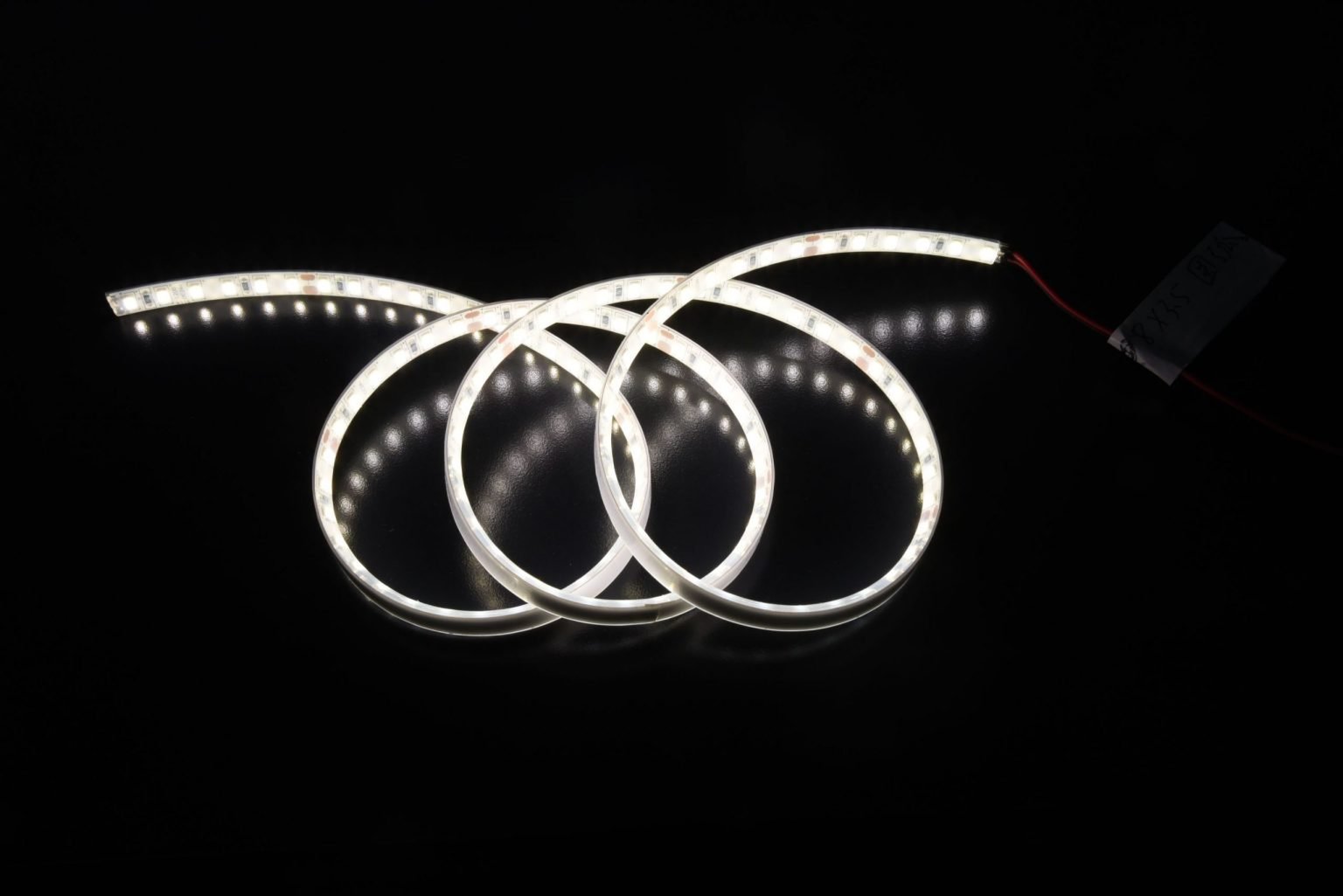
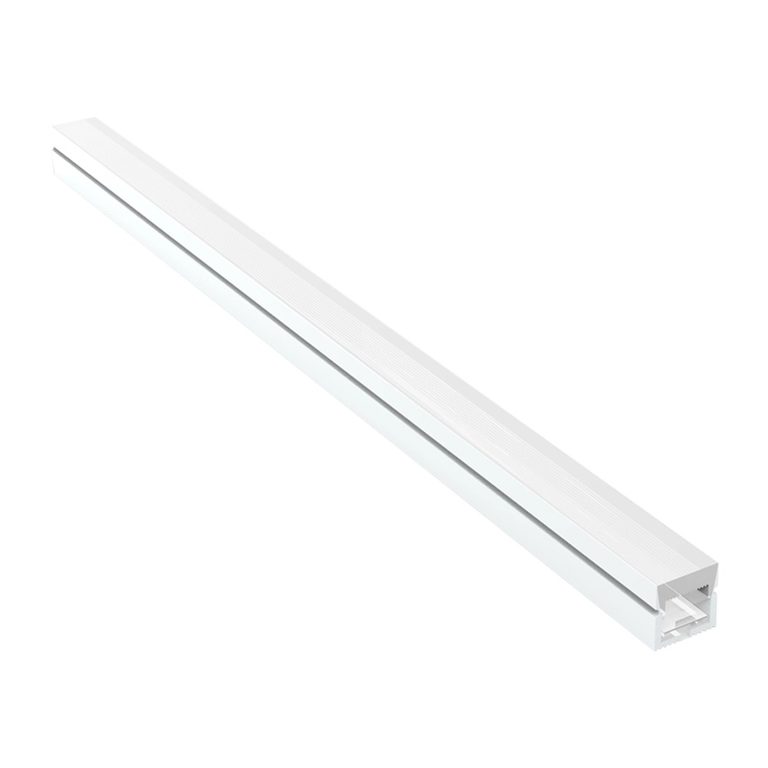
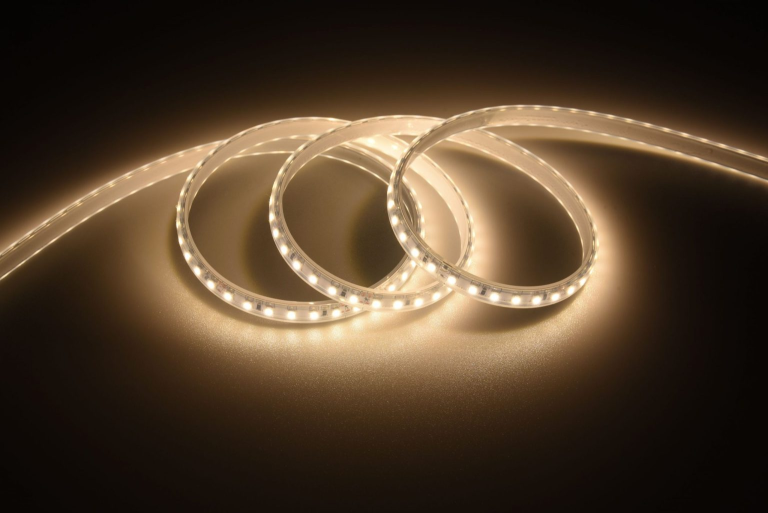
LED linear lighting strips are particularly useful for decorative installations where designers need adaptable lengths or customized lighting arrangements. Silicone neon strips can follow curved surfaces and create smooth outlines around building features, signage, and decorative structures.
For outdoor applications, buyers should check IP ratings, material durability, temperature conditions, and installation methods. Selecting suitable flexible linear LED lighting products helps contractors achieve the intended visual effect while addressing environmental requirements.
Industrial and Public Facilities: Prioritizing Functional Illumination
Warehouses, factories, parking garages, transportation facilities, and underground passages require reliable lighting for visibility and daily operations. These environments often have higher ceilings, larger installation areas, and more demanding operating conditions than conventional interiors.
Linear fixtures and tri-proof lights are practical options for these applications. Buyers should evaluate luminous efficacy, mounting arrangements, protection ratings, electrical compatibility, and maintenance access. For example, our Tri-proof Light-C Series offers different sizes and wattages from 24W to 60W, with surface-mounted, recessed, and suspended installation options.
In large facilities, LED linear lighting strips can also serve as supplementary illumination around workstations, equipment, and architectural details. Combining appropriate fixture types allows project teams to address different lighting requirements within one facility.
Residential and Furniture Lighting: Improving Everyday Functionality
Linear lighting also has important applications in residential developments and furniture installations. Kitchen cabinets, wardrobes, bookshelves, display units, and bathroom storage areas can benefit from compact lighting that improves visibility while maintaining a clean appearance.
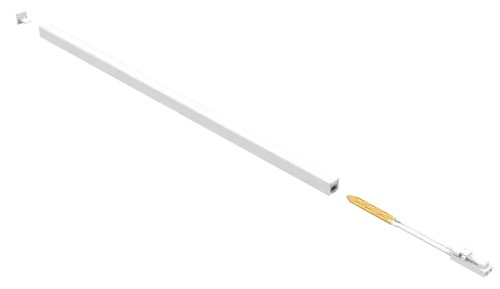
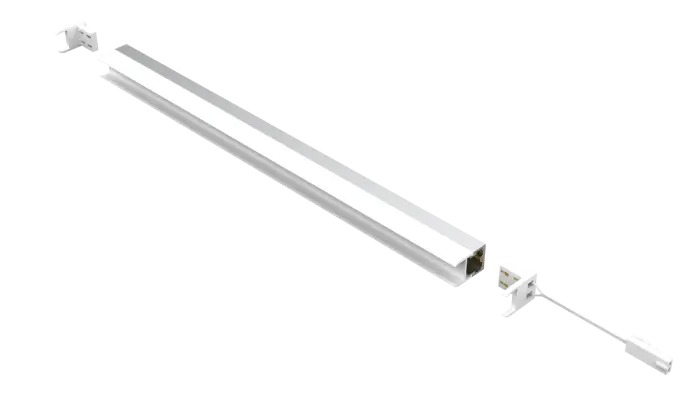
Cabinet lights and integrated LED strips are particularly suitable when installation space is limited. Designers can incorporate lighting beneath shelves, inside wardrobes, or along furniture edges to improve accessibility and create subtle decorative effects.
For these applications, flexible linear LED lighting provides additional freedom when working with different furniture dimensions and installation layouts. Buyers should consider product size, voltage, switching methods, connection arrangements, and heat management to ensure compatibility with the furniture structure.
Choosing the Right LED Linear Lighting Partner
Different applications require different product configurations, and a comprehensive product portfolio can simplify project sourcing. At LEDIA Lighting, we offer LED strip solutions, COB strips, silicone strip lights, linear fixtures, cabinet lighting, and tri-proof products for commercial, industrial, and residential projects.
Our manufacturing capabilities include automated production equipment, more than 20 production lines, and an independent R&D team supporting product development and customization. We also maintain ISO 9001 and ISO 14001 certifications, with quality control throughout production and product testing.
When evaluating LED linear lighting strips, project buyers should examine product specifications, installation accessories, customization options, and supplier testing capabilities. A reliable manufacturing partner can help coordinate these details and support consistent product selection across different applications.
Expanding Project Possibilities with Versatile Linear Lighting
LED linear lighting serves many purposes, from illuminating office workspaces and retail displays to highlighting architectural features and improving industrial visibility. Choosing suitable products requires understanding the environment, installation conditions, lighting objectives, and technical specifications.
At LEDIA Lighting, we provide a diverse range of linear lighting products, including COB strips, silicone lighting, office fixtures, cabinet lights, and tri-proof solutions. Whether your project requires decorative flexible linear LED lighting or functional commercial fixtures, we offer standard and customized options to support different requirements. Contact us to explore suitable LED linear lighting solutions for your next project.