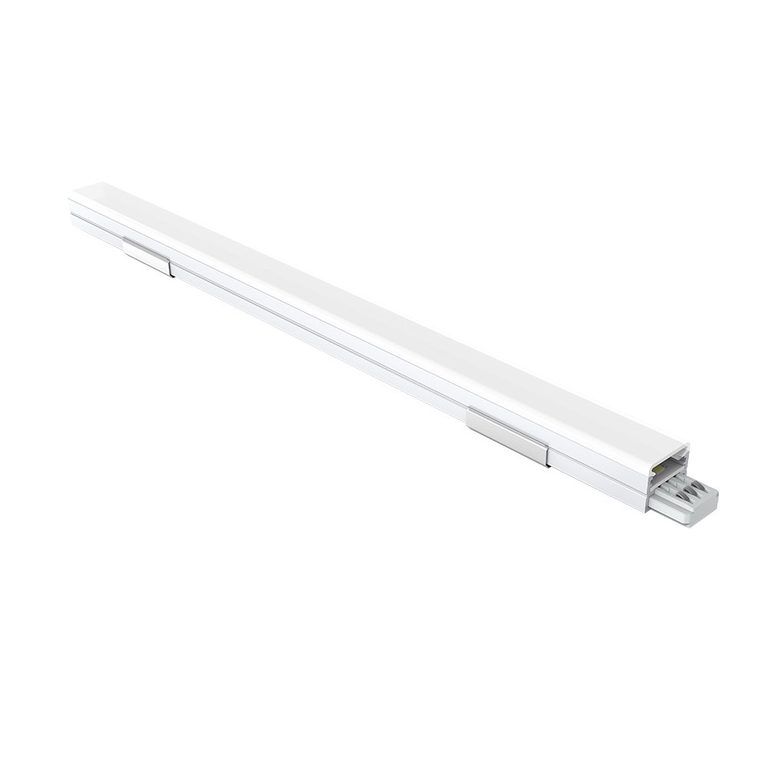
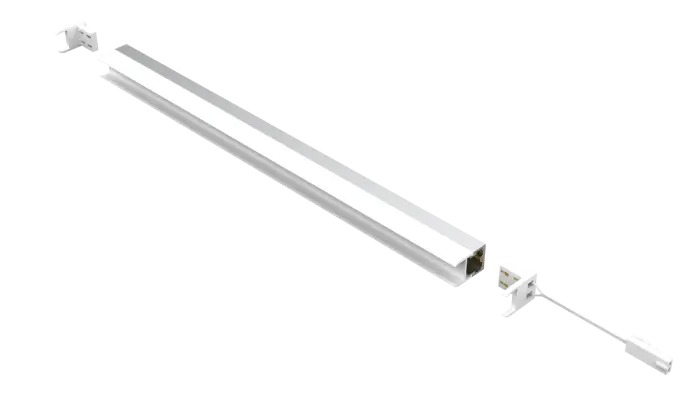
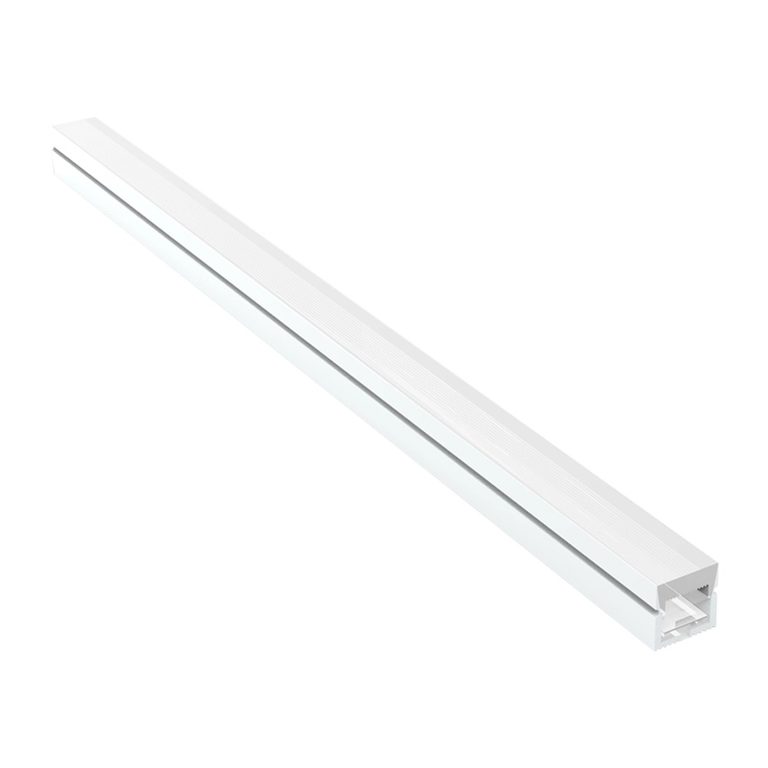
Clean lighting lines can transform the appearance of a commercial interior, architectural façade, retail display, or hospitality space. Instead of relying on visible individual light points, designers increasingly use flexible linear products to create continuous outlines, accent details, and decorative illumination. PVC neon lighting offers a practical way to achieve this effect, combining a soft visual appearance with flexible installation options. For project buyers, choosing the right product requires attention to light quality, material durability, environmental protection, and installation requirements.
Why PVC Neon Lighting Creates Cleaner Lines
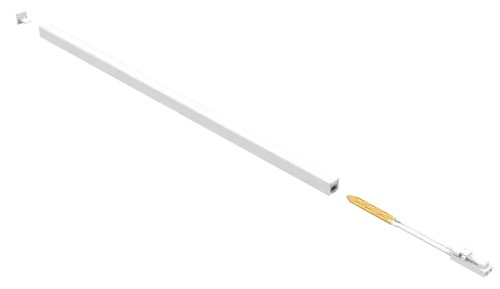
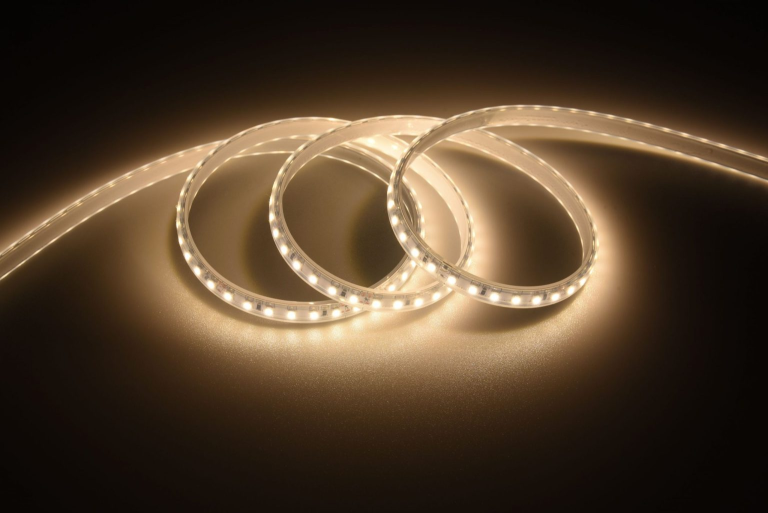
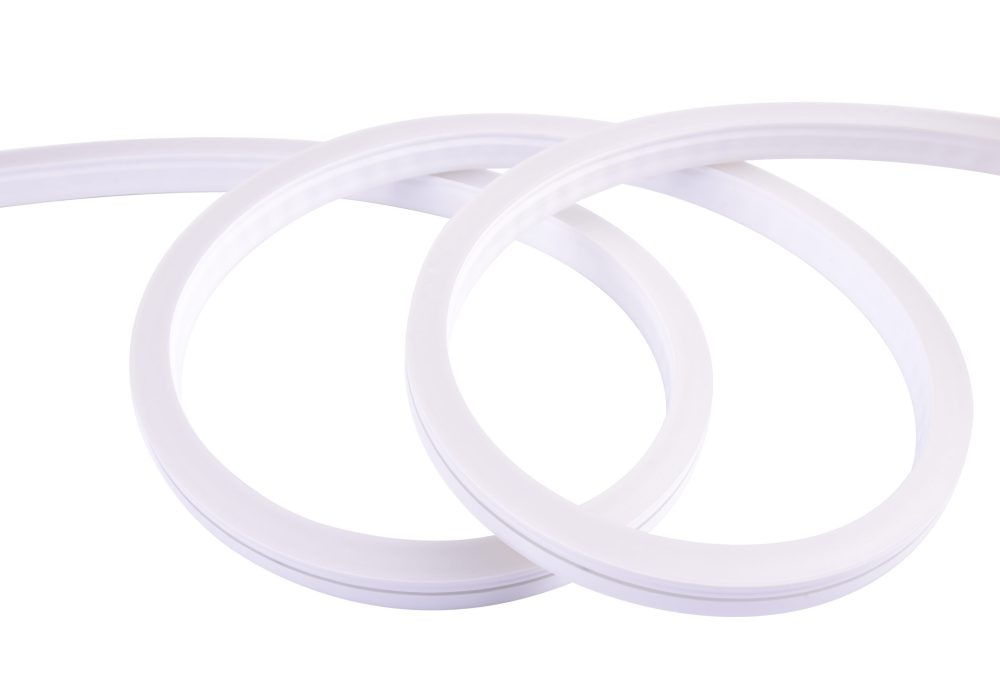
Traditional lighting arrangements can produce visible gaps or bright spots when individual LEDs are exposed. Neon-style lighting uses an extruded outer housing to diffuse light, helping create a more continuous appearance along the illuminated surface. This makes it useful for outlining architectural features, highlighting signage, and adding accents to furniture or interior structures.
PVC neon products are particularly relevant when a project requires flexible routing around corners, curves, or decorative shapes. Their appearance can complement minimalist designs because the illuminated line becomes the visual feature, rather than the individual light source or mounting hardware.
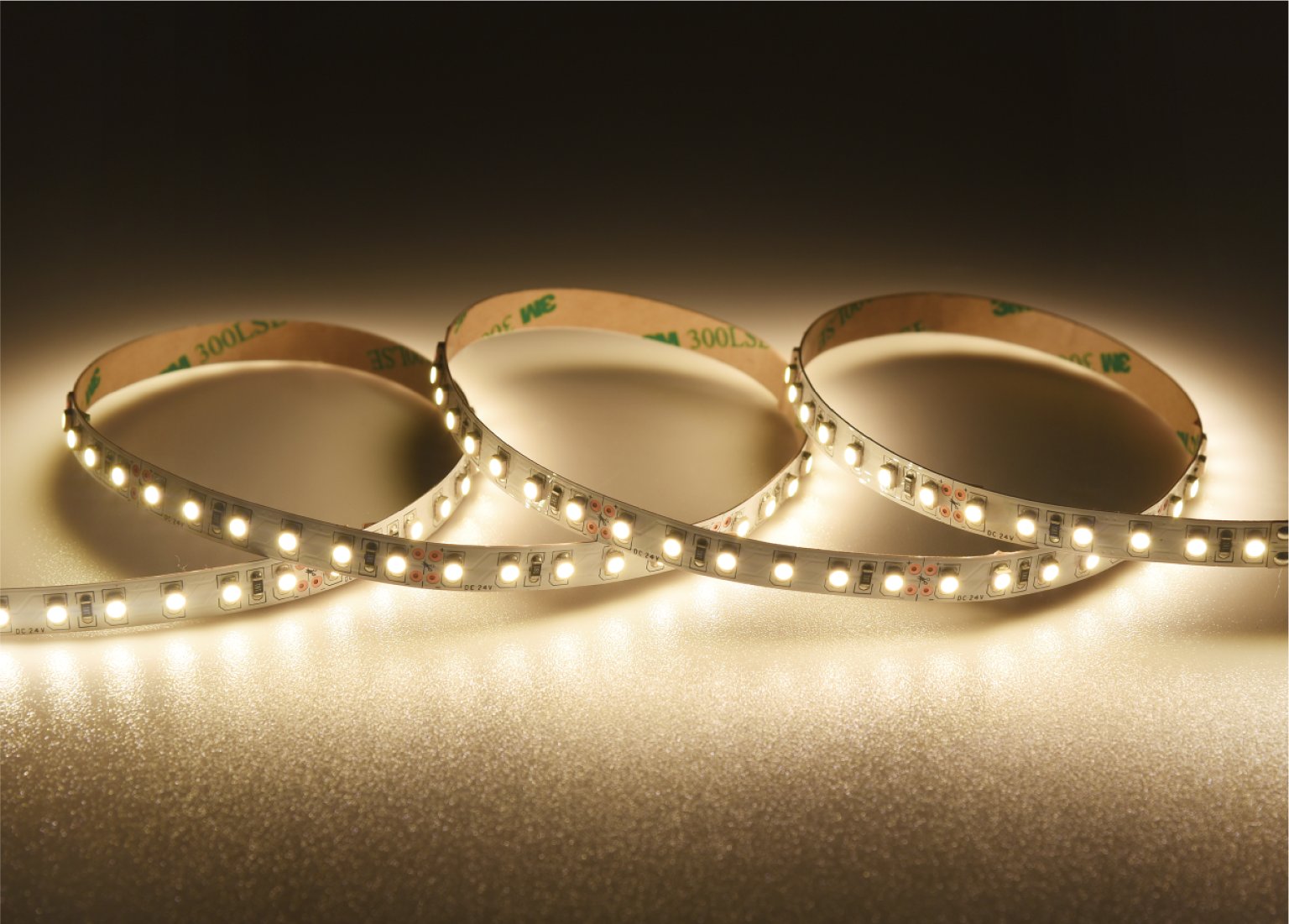
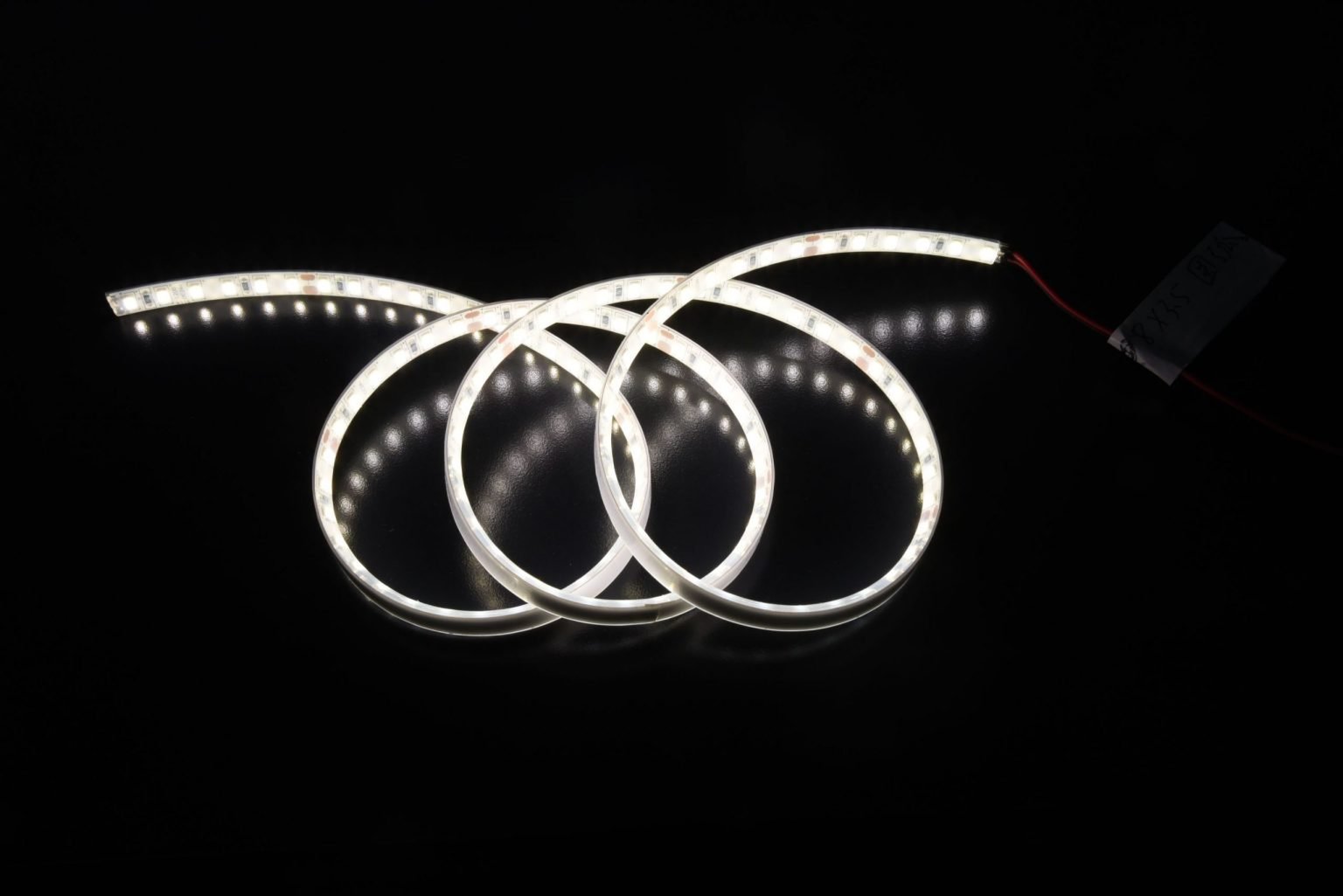
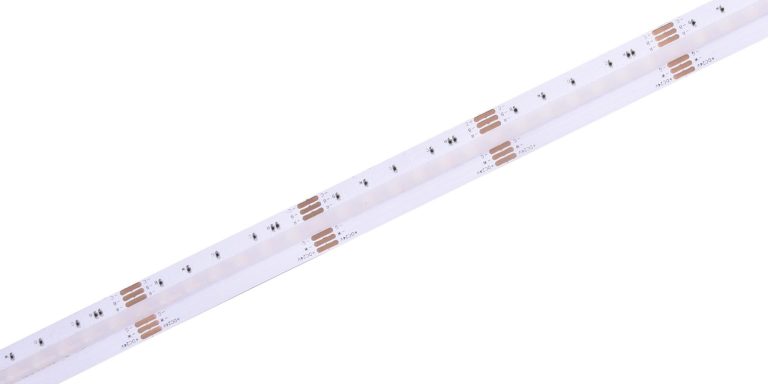
Compared with standard LED strip lights, which may expose individual LED points depending on their construction and installation, neon flex products generally place the light source within a diffusing profile. The final appearance still depends on the product design, viewing distance, and installation method, so sample evaluation remains important before large-scale deployment.
Understanding Materials and Light Quality
The outer material plays an important role in the performance and appearance of neon lighting. Our PVC Neon Series uses high-quality PVC extrusion designed to provide a durable and reliable housing. Material consistency matters because the extrusion forms the visible surface of the lighting line and must suit the intended installation environment.
Light uniformity is another key consideration. Our PVC Neon Series uses high-quality LM80-certified LEDs and is designed to deliver soft, uniform illumination. LM-80 refers to a standardized method for measuring the lumen maintenance of LED packages, arrays, and modules over time. It is not, by itself, a certification of the complete lighting product or a guarantee of a specific service life.
For designers, a uniform output can help maintain a cohesive appearance across long runs, particularly in decorative outlines and architectural accents. Project teams should still assess the actual product sample to confirm brightness, color consistency, and the visual result under expected operating conditions.
Where PVC Neon Flex Works Best
Commercial interiors offer many opportunities for neon-style lighting. Retail stores can use illuminated lines around shelving, counters, display niches, and brand features. Hotels and restaurants can incorporate them into reception areas, bar fronts, decorative walls, and ceiling details to establish a distinctive visual identity.
Architectural projects can use flexible lighting to emphasize building contours, entrance features, and selected façade elements. For outdoor installations, the product’s specified protection level and the installation details must match actual exposure conditions. Proper sealing of connections and end caps is also important because the rating of an individual product does not automatically protect every part of the installed system.
Furniture and signage provide further applications. Neon flex can highlight cabinet edges, decorative panels, and lettering while maintaining a smooth illuminated outline. These uses make it a useful option for lighting contractors, sign manufacturers, shopfitters, and interior project teams working across different environments.
Choosing the Appropriate Waterproof Protection
Water resistance should be considered early in product selection. Our PVC Neon Series offers waterproof options rated IP65, IP67, and IP68. These ratings represent different levels of protection against dust and water under defined test conditions; they should not be treated as interchangeable.
IP65 generally indicates protection against dust and water jets. IP67 covers temporary immersion under specified testing conditions, while IP68 applies to immersion under conditions agreed between the manufacturer and user. The exact limits depend on the product’s documented test conditions.
For indoor decorative installations, the necessary protection may differ from that required for exposed outdoor features or areas subject to water. Buyers should confirm the full product specification, including permitted installation conditions, connection protection, and any restrictions on immersion or continuous exposure.
Working with Experienced LED Neon Flex Manufacturers
For business buyers, selecting a supplier involves more than comparing unit prices. Product consistency, technical communication, customization support, production planning, and quality verification can all affect project outcomes. These factors become especially important when a lighting design includes long runs, repeated shapes, or multiple installation sites.
When evaluating LED neon flex manufacturers, project teams should request product datasheets, dimensional drawings, electrical specifications, cutting instructions, and relevant test documentation. They should also clarify the required bending direction and minimum bend radius, since not every flexible product can bend equally well in every direction.
We support lighting projects through customizable LED strip solutions, ongoing R&D, and production planning designed to accommodate different requirements. Our PVC Neon Series carries a three-year warranty. Buyers should confirm the warranty’s coverage, operating conditions, and applicable terms when preparing procurement specifications.
Integrating Neon Flex with Other Linear Lighting
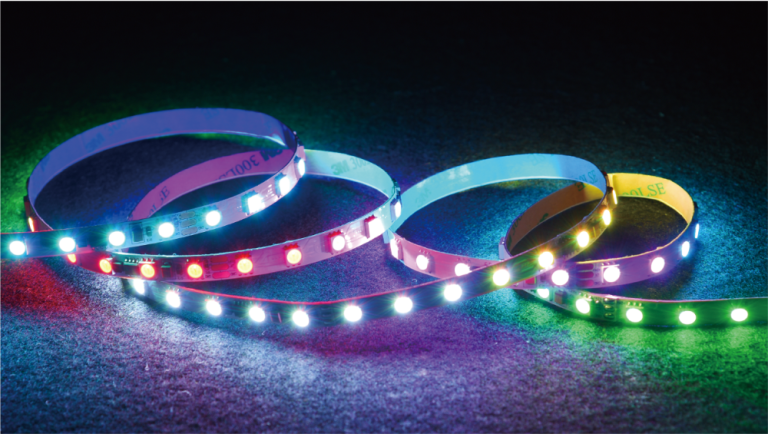
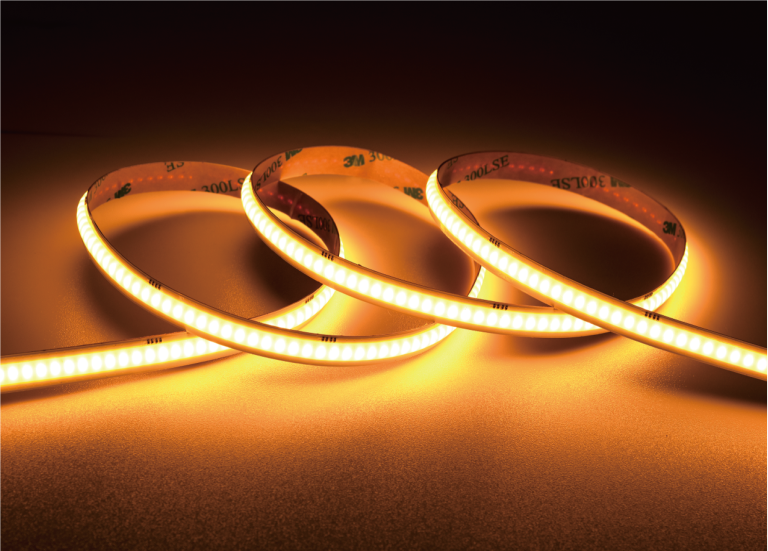
Neon flex does not need to replace every other linear lighting product in a project. Standard LED strip lights can be suitable for concealed cabinet illumination, cove lighting, and applications where a compact strip is hidden behind a diffuser or within a channel. Neon flex is often more appropriate when the illuminated surface itself needs to appear as a continuous line.
Using both product types strategically allows designers to balance functional illumination and decorative effects. For example, a retail project might use conventional strips to light shelves and neon flex to outline a feature wall or reception counter. Selection should be based on the required appearance, output, installation space, and environmental conditions rather than product category alone.
Building Better Lighting Lines for Modern Projects
PVC neon lighting offers a practical route to cleaner architectural accents, decorative outlines, and continuous illuminated details. Material quality, uniform light output, suitable IP protection, and correct installation all contribute to a successful result.
We at LEDIA Lighting combine durable PVC extrusion, high-quality LM80-certified LEDs, soft illumination, three waterproof options, and a three-year warranty in our PVC Neon Series. For businesses comparing standard LED strip lights with flexible neon solutions, the key is to match each product to its intended role. Working with capable LED neon flex manufacturers helps project teams establish clear specifications and achieve a consistent lighting effect from design through installation.