Modern furniture and interior projects increasingly require lighting that can adapt to different dimensions, layouts, and visual concepts. Embedded strip lighting offers designers and manufacturers a practical way to integrate illumination directly into furniture and architectural details without making the fixture a dominant visual element. This approach can support both functional lighting and atmosphere while giving project teams greater freedom during installation.
For businesses sourcing LED light strips for furniture, flexibility matters from the earliest design stage through installation. We develop lighting solutions that address different furniture configurations and retail applications, combining practical installation features with adaptable lighting effects. Our Built-in Aluminum Strip Light F01 is designed specifically for these requirements, supporting built-in furniture and commercial environments.
Why Embedded Lighting Adds Flexibility to Furniture Design
Traditional lighting fixtures can impose limitations because their dimensions and mounting requirements may not match every furniture structure. Embedded lighting takes a different approach by integrating the light source into wardrobes, cabinets, shelves, and other elements. This allows designers to consider illumination as part of the furniture rather than adding it afterward.
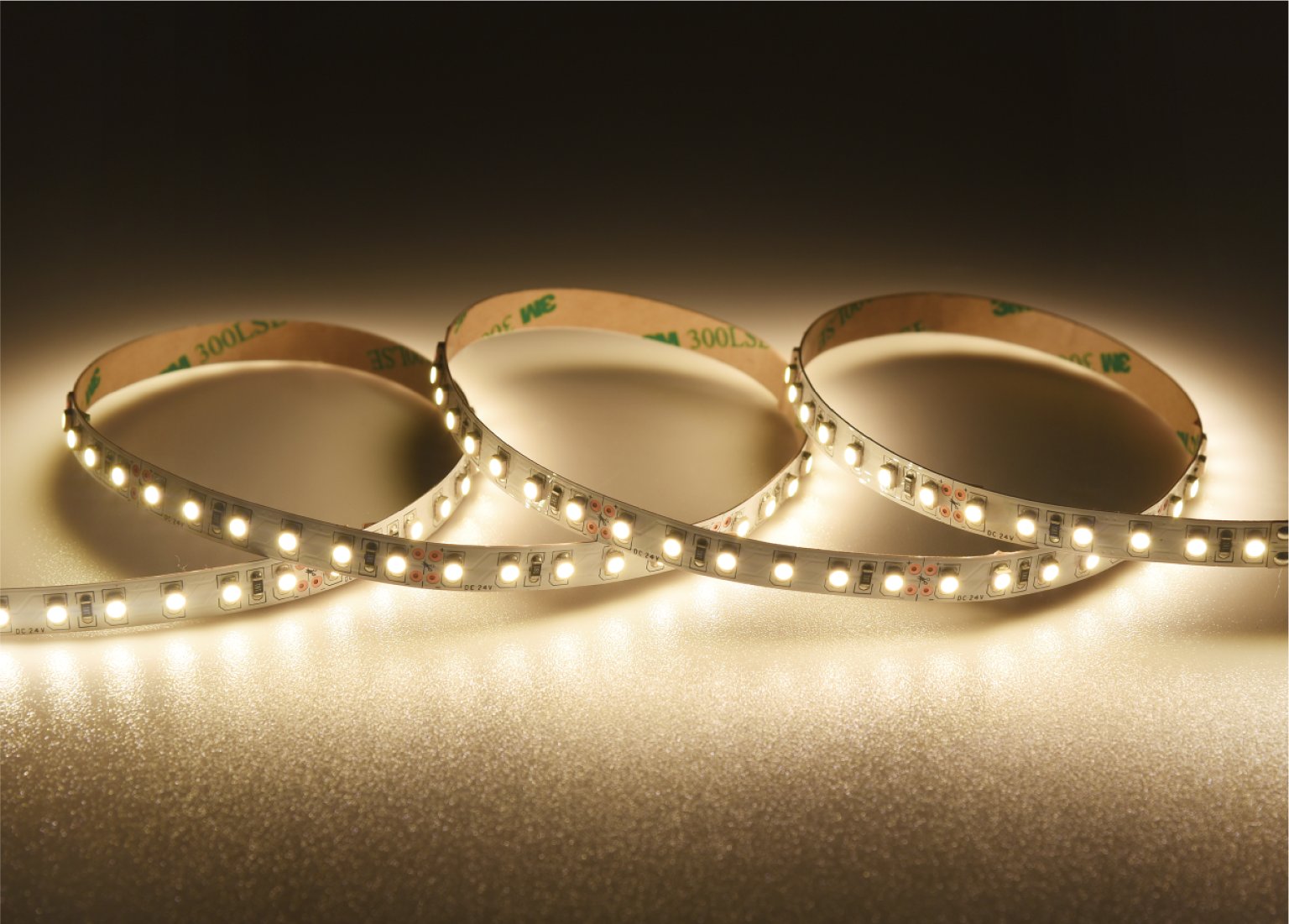
For manufacturers and contractors, this integration can simplify visual planning. LED light strips for furniture can provide illumination along edges, inside storage areas, or beneath shelves while preserving a clean appearance. The result is particularly suitable for contemporary interiors where concealed or low-profile lighting supports the overall design language.
Embedded solutions can also accommodate different furniture dimensions. When the lighting can be adjusted to the actual installation length, project teams have more freedom to develop customized layouts without relying entirely on fixed-size fixtures.
Free-Cutting Design for Different Installation Requirements
The challenge in built-in lighting is matching the product length to the available space. Furniture dimensions can vary significantly between projects, and even small differences can affect installation. A free-cutting design gives installers greater control over the final fit.
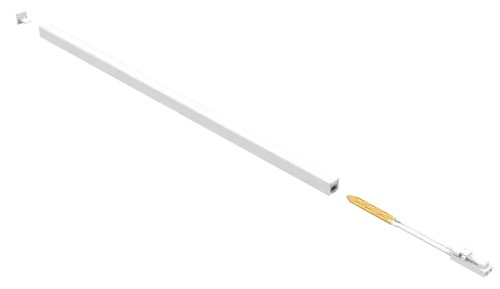
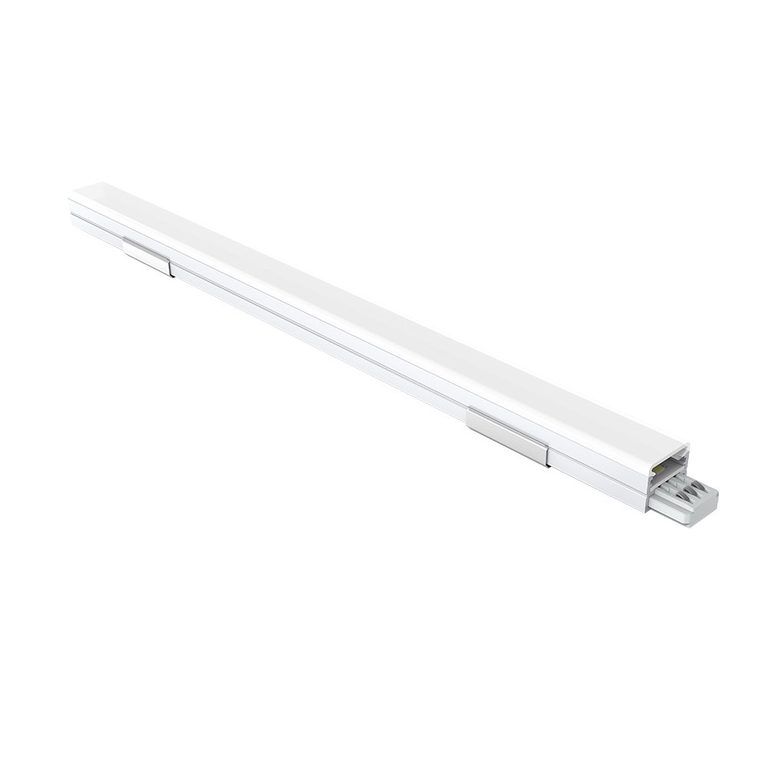
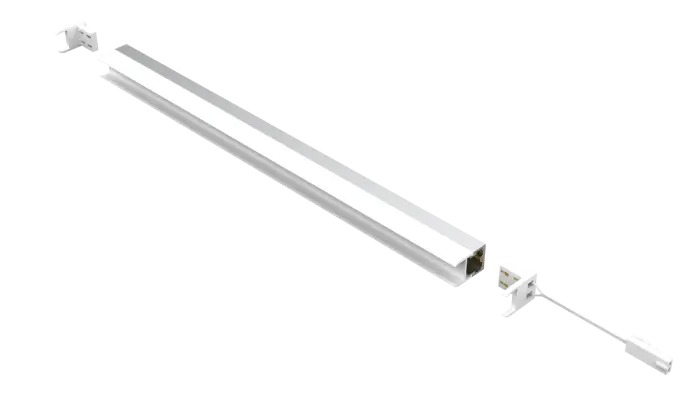
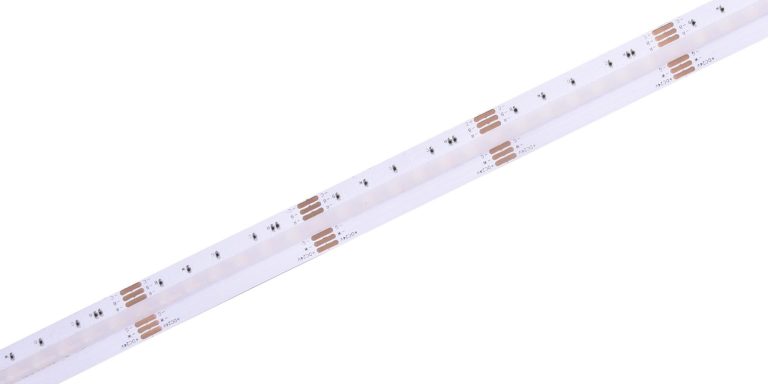
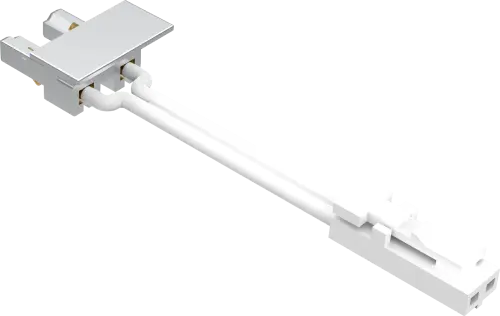
Our F01 Built-in Aluminum Strip Light features a patented quick plug-in terminal and a free-cutting, soldering-free design. These features are intended to simplify installation while allowing the lighting to be adjusted to different project dimensions. This flexibility can be valuable for furniture manufacturers handling multiple cabinet or wardrobe configurations.
The F01 can be delivered in lengths of up to 3 meters, helping reduce material waste and labor requirements. Its ability to be cut to different lengths provides another practical option when installers need to accommodate specific furniture structures.
LED Light Strips for Furniture and Retail Applications
Furniture is not the only environment where embedded lighting can add value. Retail displays often require flexible illumination to highlight merchandise, define shelving areas, and create a consistent visual experience across different fixtures. Lighting that can adapt to varying display dimensions can therefore support more versatile store designs.
Our F01 is developed for both whole-house furniture lighting and retail applications. It can be used for wardrobes, closets, kitchen cabinets, built-in furniture, and retail scenarios. This broad application range allows businesses to consider one adaptable lighting approach across different project categories.
For distributors and project contractors, LED light strips for furniture can also provide opportunities to support customized installations. Instead of limiting projects to standard fixture dimensions, teams can incorporate lighting according to the actual structure and intended visual effect.
Creating Different Ambiances with CCT Adjustment
Flexibility is not limited to physical installation. The appearance of a space can also change according to the selected lighting characteristics. Different color temperatures can influence the perceived atmosphere of furniture, displays, and interiors, making adjustable lighting useful for projects with varying design objectives.
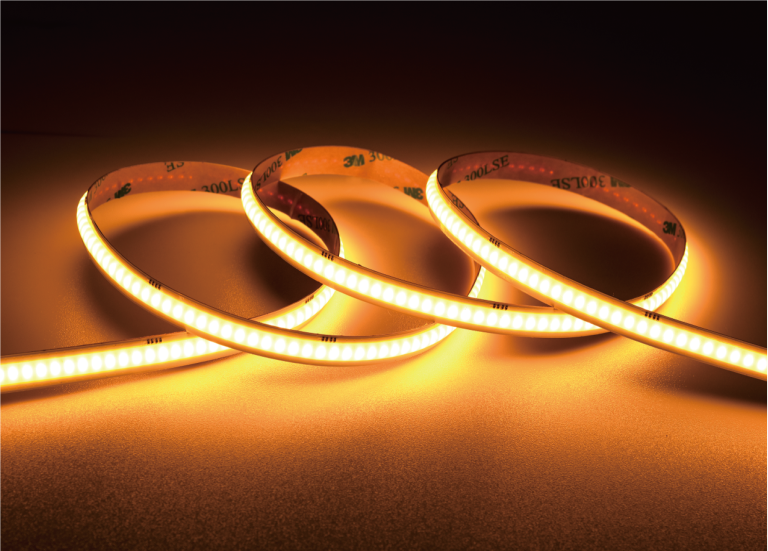
The F01 supports a 2-wire CCT configuration, allowing users to create different lighting ambiances for different scenarios and personalized requirements. This feature can give designers more control over the appearance of built-in furniture and retail environments without changing the basic installation concept.
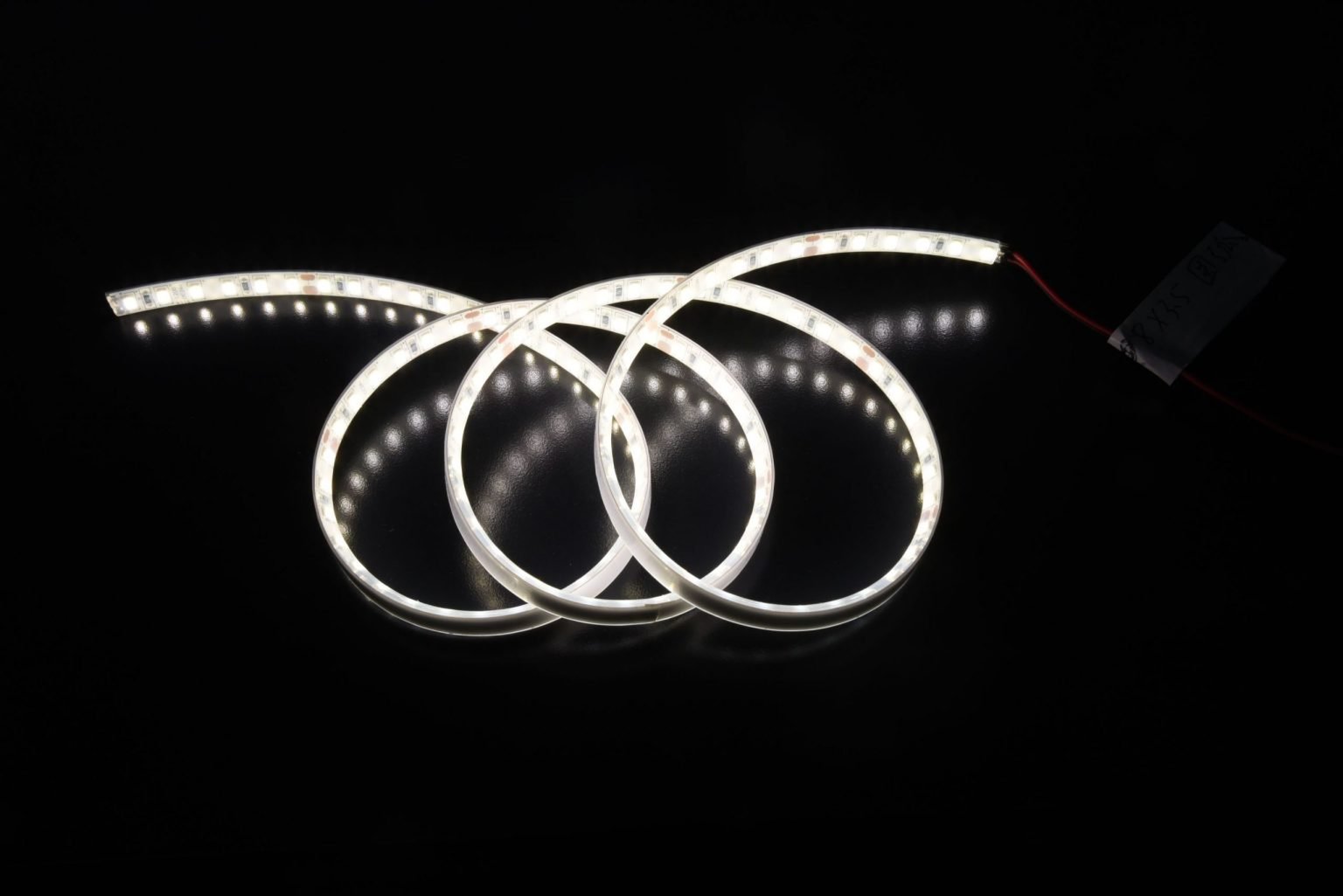
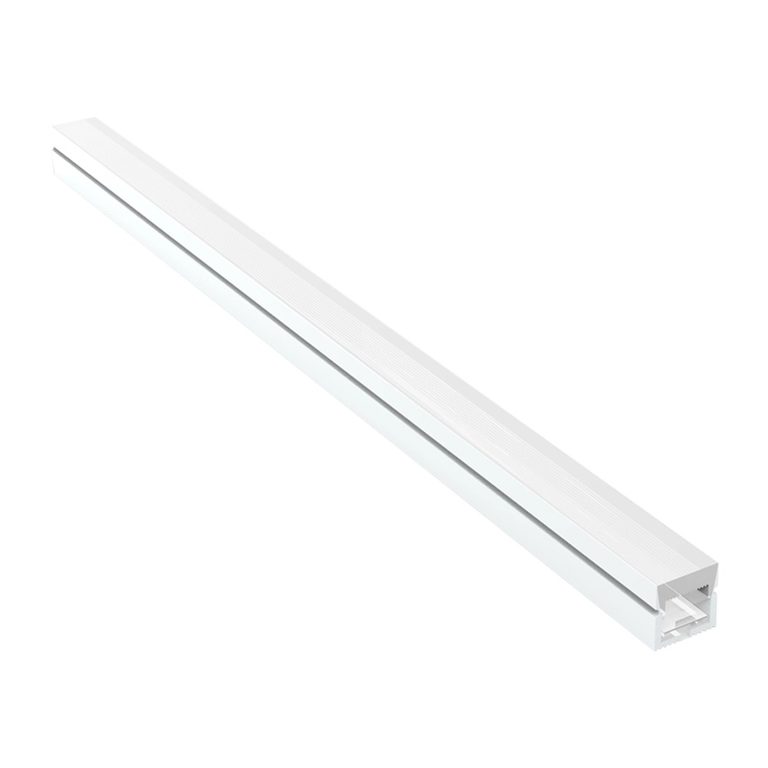
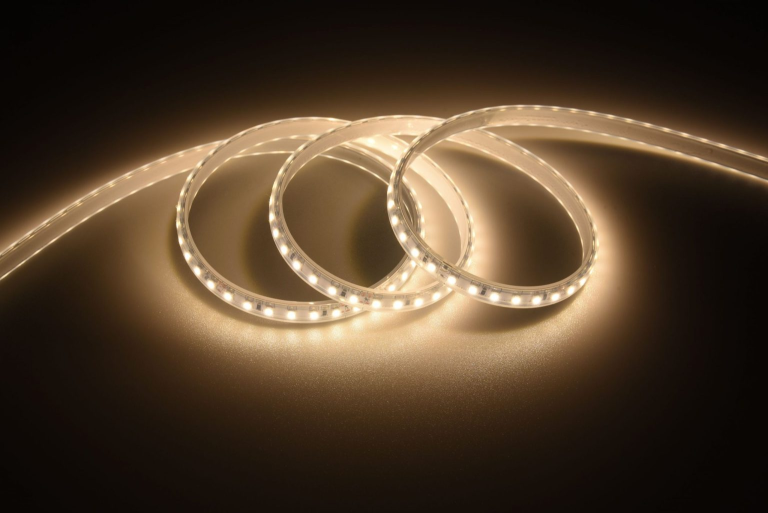
A silicon LED strip light can similarly be useful where designers want flexible illumination around furniture or architectural details. Silicone-based construction can support applications that require a continuous visual effect, although the appropriate product should always be selected according to the specific installation environment and technical requirements.
Comparing Aluminum and Silicone Strip Lighting Approaches
Different embedded applications may call for different product constructions. Aluminum-based strip lighting can be suitable when the project requires a built-in profile solution with a defined structure. Silicone-based products may be considered when a more flexible or continuous lighting appearance is preferred.
When evaluating a silicon LED strip light, businesses should consider factors such as installation space, bending requirements, desired appearance, and compatibility with other components. The choice should be based on the actual application rather than simply the material or appearance of the product.
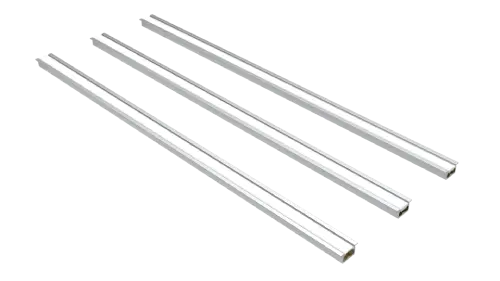
Our F01 focuses on built-in aluminum strip lighting, providing a free-cutting and soldering-free installation approach. For projects involving furniture and retail displays, this structure can offer a practical balance between integrated appearance and installation flexibility.
Planning Embedded Lighting for Efficient Projects
Successful embedded lighting starts with coordination between the lighting supplier, furniture manufacturer, designer, and installer. Product dimensions, cutting requirements, wiring, control methods, and installation locations should be considered before production begins. Early coordination can reduce modifications during installation and help maintain consistent results.
For projects using LED light strips for furniture, businesses should also determine whether the lighting needs adjustable color temperature or a specific installation configuration. Selecting these requirements in advance makes it easier to establish the appropriate technical solution.
We work with project partners to develop lighting solutions around their application requirements. By considering furniture structure, installation dimensions, lighting effects, and project scale together, we can help customers select suitable products rather than treating lighting as an afterthought.
Making Embedded Lighting a More Adaptable Design Tool
Embedded strip lighting gives businesses greater freedom to integrate illumination into furniture and retail environments. Free-cutting capability, simplified connections, and adjustable lighting options can make customized installations easier to manage while supporting different design concepts.
Our F01 combines a patented quick plug-in terminal with free-cutting and soldering-free installation, while lengths up to 3 meters help reduce waste and labor requirements. Its 2-wire CCT capability further supports different lighting ambiances across furniture and retail applications.
Whether a project calls for LED light strips for furniture or a silicon LED strip light, careful planning remains essential. At LEDIA Lighting, we focus on adaptable lighting solutions that allow designers, manufacturers, and contractors to integrate illumination more effectively while responding to the practical requirements of each project.