Lighting projects rarely follow one standard layout. A retail display may need a narrow line of light, while a hotel ceiling may require long, consistent runs. Custom flexible LED strips help teams adapt illumination to different spaces. Buyers should consider voltage, cut length, light quality, protection and installation conditions before selecting a product.
For contractors, distributors and lighting designers, customization means matching a strip’s electrical and physical characteristics to the project. An experienced LED strip supplier can clarify these choices. At LEDIA Lighting, we provide strip lights and linear lighting products for indoor and outdoor applications.
What Makes an LED Strip Flexible and Customizable?
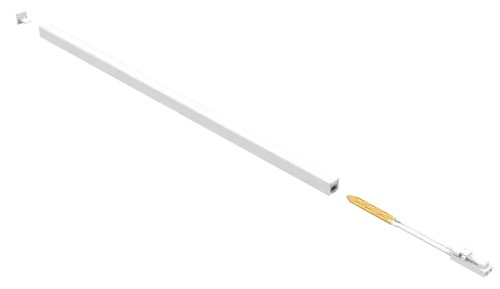
An LED strip is a flexible printed circuit board carrying multiple light-emitting diodes. It follows straight runs or suitable curves within its bending limits. A compatible driver, connectors, mounting channels and controllers complete the installation.
Customization may involve length, width, color temperature, color rendering, brightness, voltage and waterproof rating. Mounting surface and viewing distance matter: a concealed ceiling strip has different visual requirements from an exposed shelf light.
COB Flexible LED Strip and SMD: Understanding the Difference
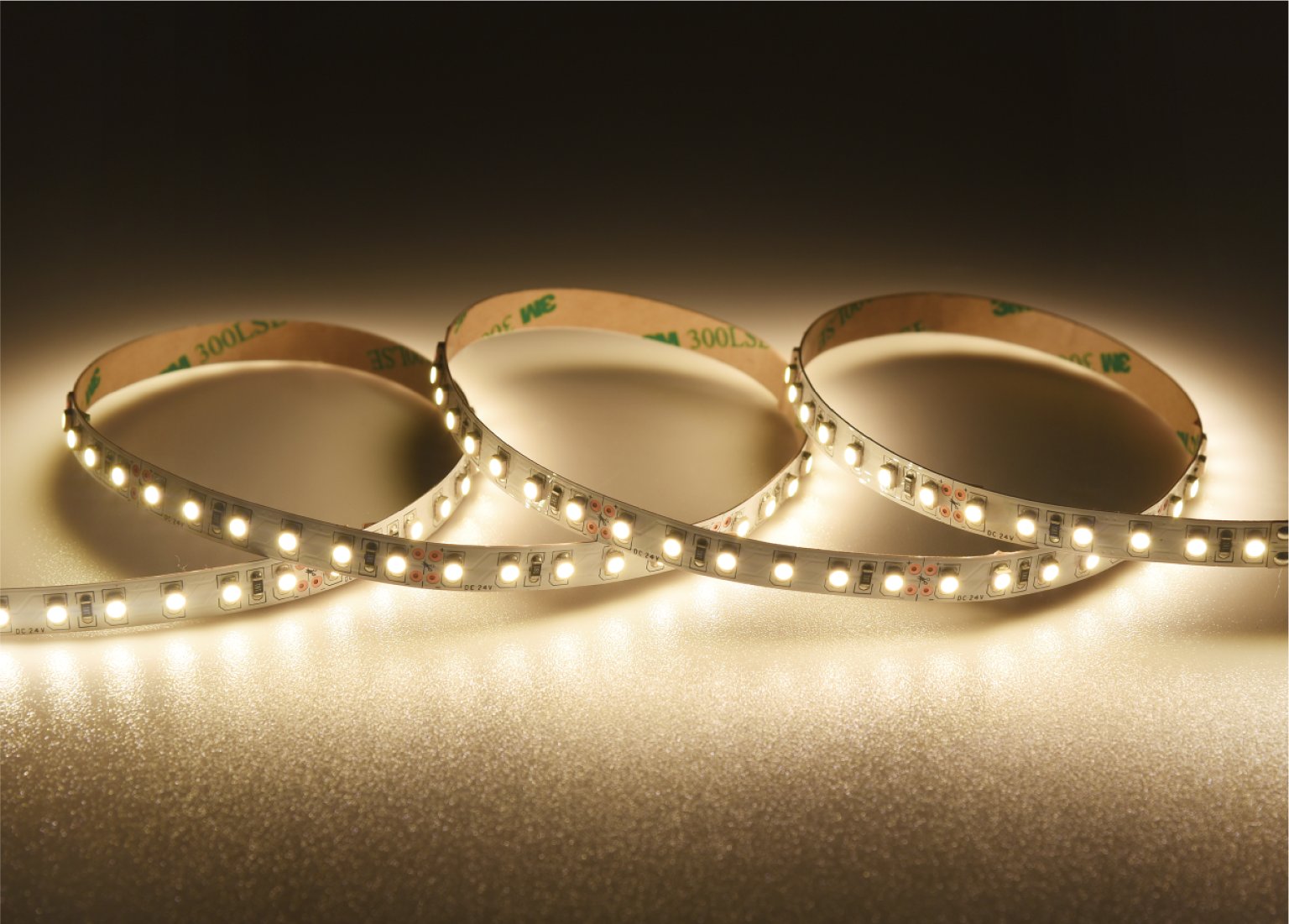
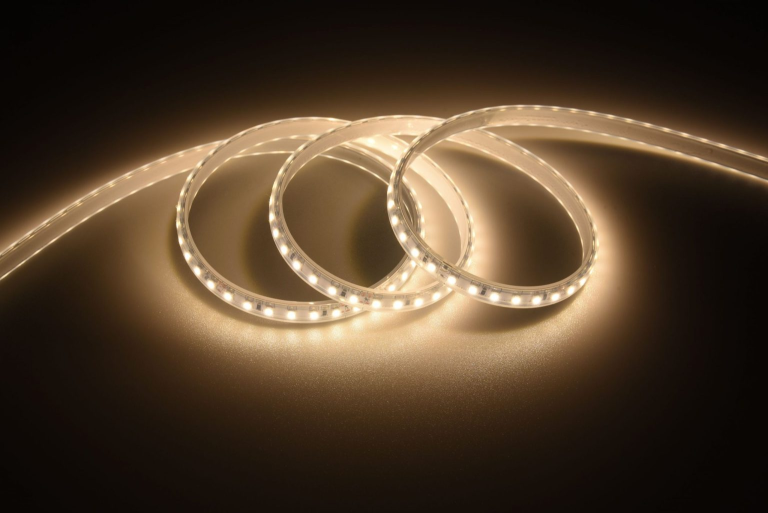
The LED package design affects how light appears. Conventional SMD strips use individual packaged LEDs placed at intervals along the board. Depending on LED density and diffuser depth, separate points may remain visible. SMD offers many configurations for general or indirect lighting.
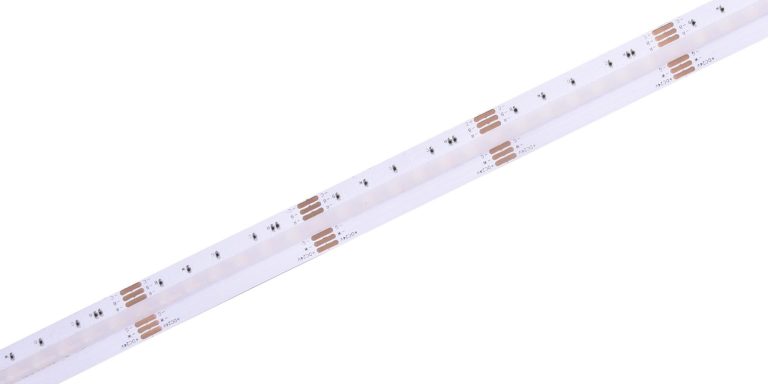
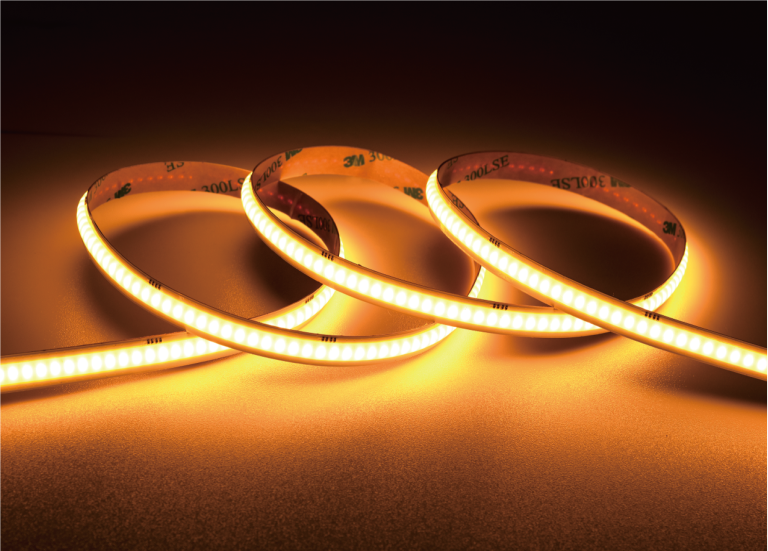
A COB flexible LED strip places closely spaced LED chips beneath a continuous phosphor layer. The light blends into a more uniform line, useful for visible applications such as display shelves, cabinet edges and architectural details. Buyers should still compare output, color quality, heat management, cut points and driver compatibility.
Where the source is close to the viewer, this construction may reduce the dotted appearance associated with widely spaced LEDs. The installed result depends on the product and profile, so review a sample in the intended channel.
Why Voltage and Run Length Matter
Voltage influences current, power distribution and the practical length of a continuous run. Voltage drop can cause brightness variation on long, lower-voltage runs. Higher-voltage systems may support longer runs, but driver, wiring and manufacturer limits still need checking.
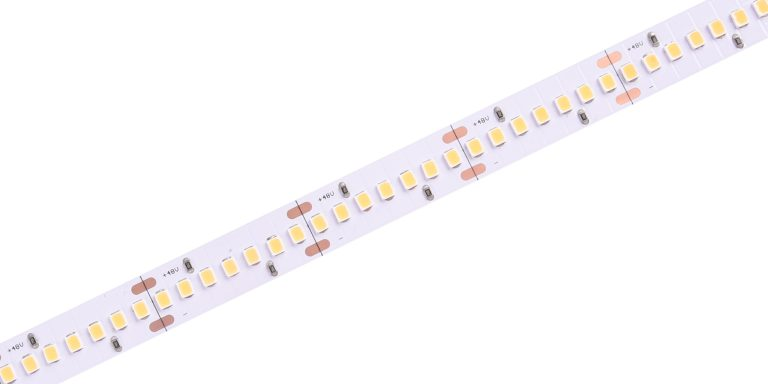
Our 48V Series is designed for ultra-long runs and shorter cuttable intervals. It uses high-quality LM80-certified 2835 SMD LEDs and offers CRI 80+, with CRI 90+ as an option. Waterproof versions are available in IP20, IP65, IP67 and IP68, with a three-year warranty. They suit office, residential, retail and decorative projects. Confirm run limits and cut intervals for the selected model.
Match Protection and Light Quality to the Site
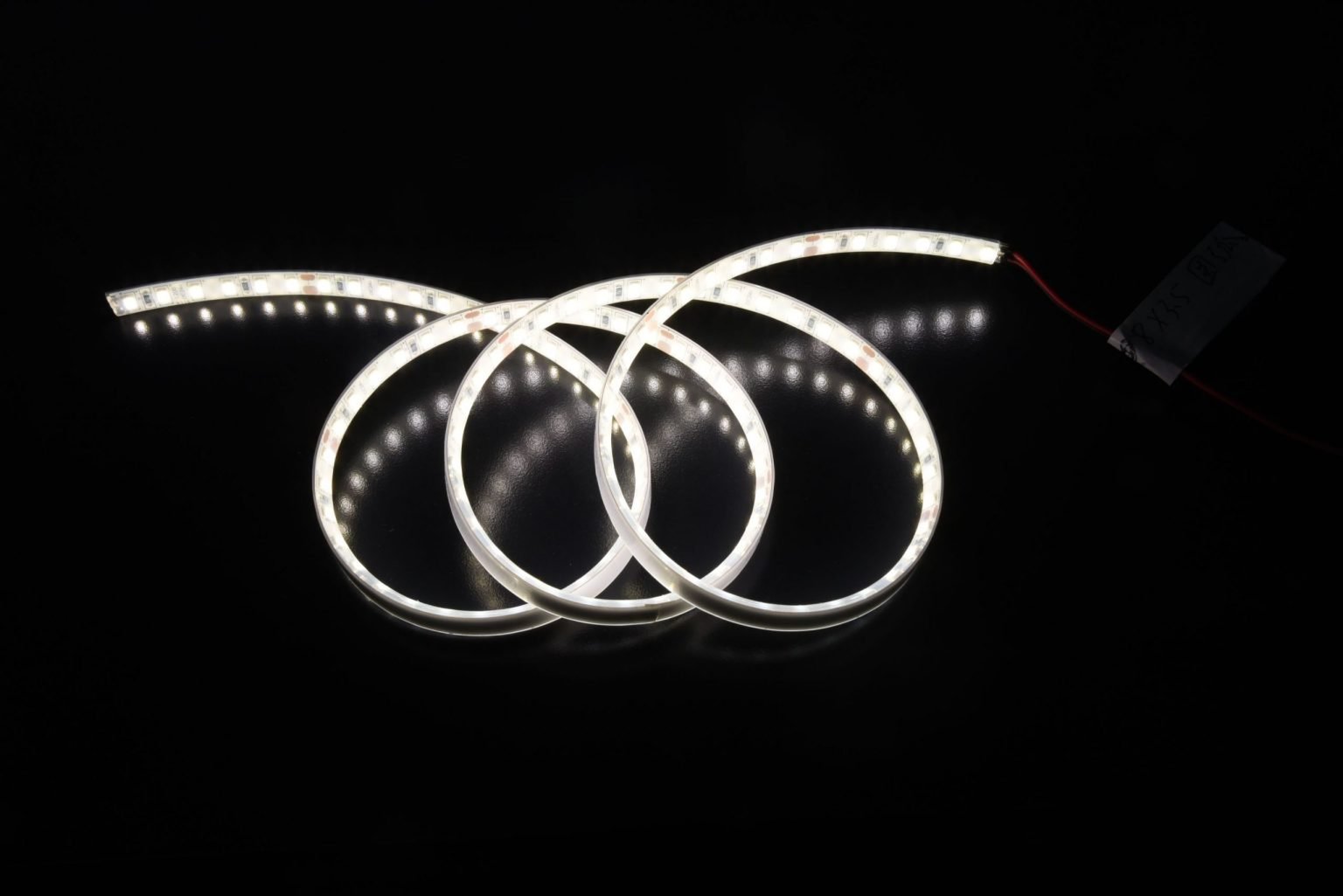
The installation environment should guide the protection level. IP20 is generally intended for dry indoor locations, while higher IP ratings provide defined levels of protection against dust and water ingress. Choose according to exposure and cleaning conditions, and follow installation instructions.
Color quality is another practical consideration. CRI 80+ may be sufficient for many general applications, while CRI 90+ can be preferable where accurate color appearance matters, such as retail displays or hospitality interiors. Color temperature should align with the space’s purpose and other light sources. A COB flexible LED strip can provide a smooth visual line, but it still needs the right color and brightness specification.
What to Confirm with an LED Strip Supplier
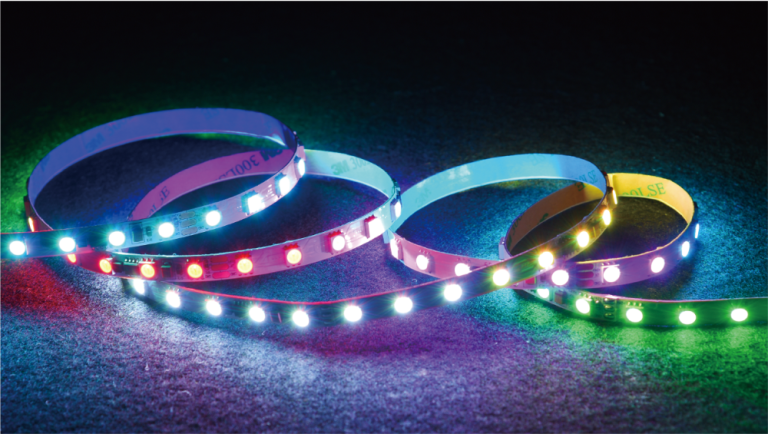
To reduce quotation delays and installation changes, prepare the run length, cut points, mounting details, operating environment and target output. Specify any dimming, color changing or sensor requirements.
Ask the LED strip supplier to confirm voltage, power per meter, maximum recommended run, cutting interval, CRI, CCT, IP rating and compatible driver. For custom orders, clarify connectors, cable and reel lengths, mounting method, packaging, sample approval and which parameters require customized production.
At LEDIA Lighting, we support projects with regular strip lights, COB options, linear fixtures, cabinet lights, high-bay lights and tri-proof lighting. Our manufacturing and product development capabilities support varied installation needs. Share the intended use and technical requirements so we can evaluate a suitable configuration.
Plan the Complete Lighting System Before Ordering
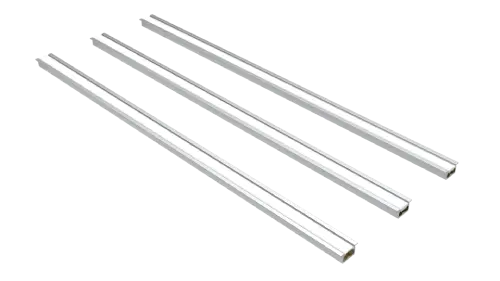
The strip is only one part of the system. Driver, wiring, connectors, profile, diffuser, controls and heat dissipation all affect performance. Check compatibility before procuring multiple sections or long runs.
Test a representative sample under real project conditions. Check appearance from normal viewing positions, measure the space and verify cut and connection plans. Keep approved samples and specifications for repeat orders.
Turn Project Requirements into a Clear Specification
Custom flexible LED strips give lighting teams more control over how a system fits its space, but the best choice balances visual goals with electrical and environmental requirements. Defining run length, voltage, cut interval, light quality, protection and accessories early helps buyers make informed decisions and avoid preventable installation changes.
We work with project teams to identify suitable strip and linear lighting options for different applications. Whether a project calls for a 48V SMD solution or a COB flexible LED strip, clear specifications and sample evaluation provide a sound starting point. An experienced LED strip supplier can help turn a design brief into a practical lighting system.