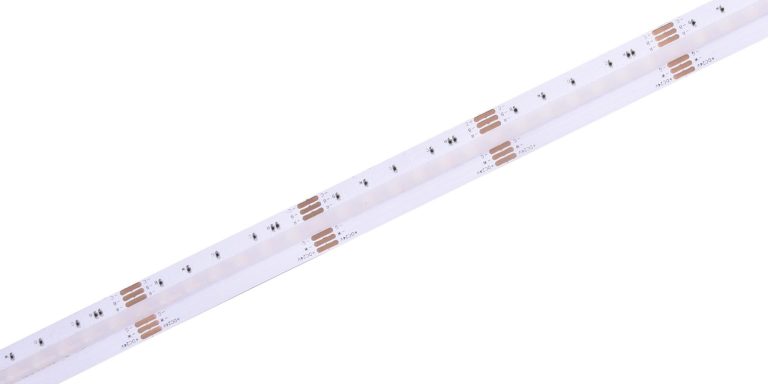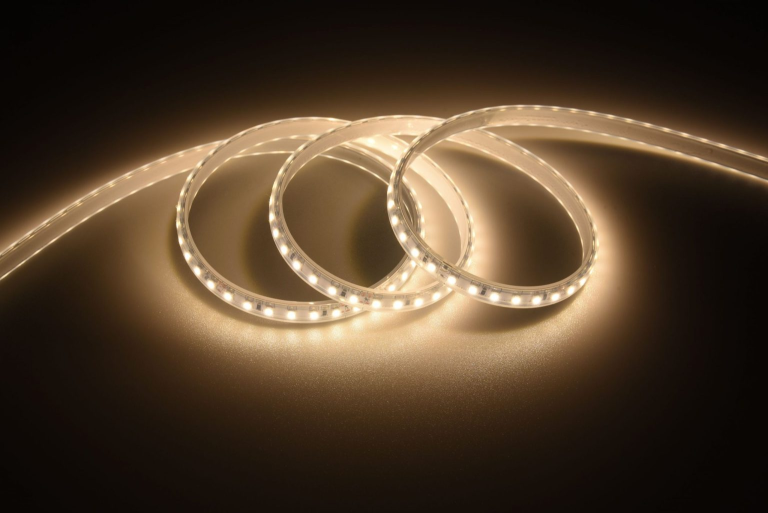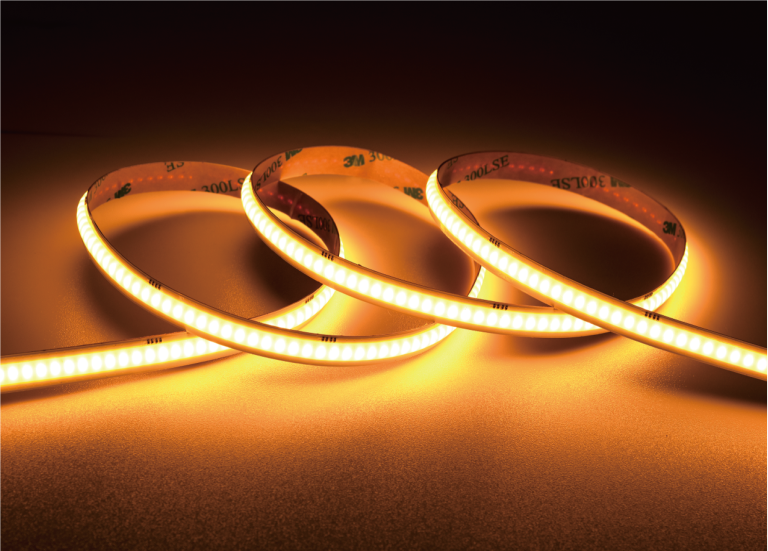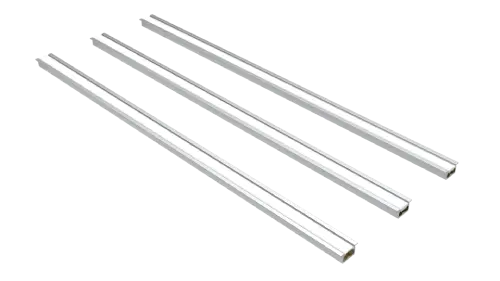
Clean lighting lines have become an important feature of modern furniture, retail displays, and commercial interiors. Rather than leaving LED strips exposed, designers increasingly integrate light sources into cabinets, wardrobes, shelves, and architectural details. Aluminum profiles make this possible by providing a structured housing that supports installation, heat dissipation, and a refined appearance. For manufacturers and project contractors, choosing the right profile involves balancing visual requirements with practical performance.
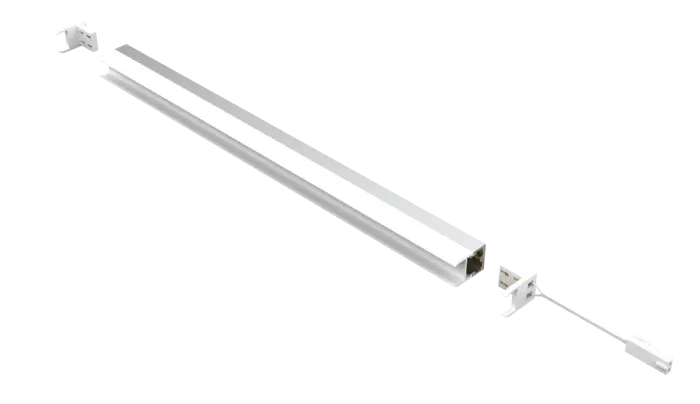
Why Aluminum Profiles Create Cleaner Lighting Lines
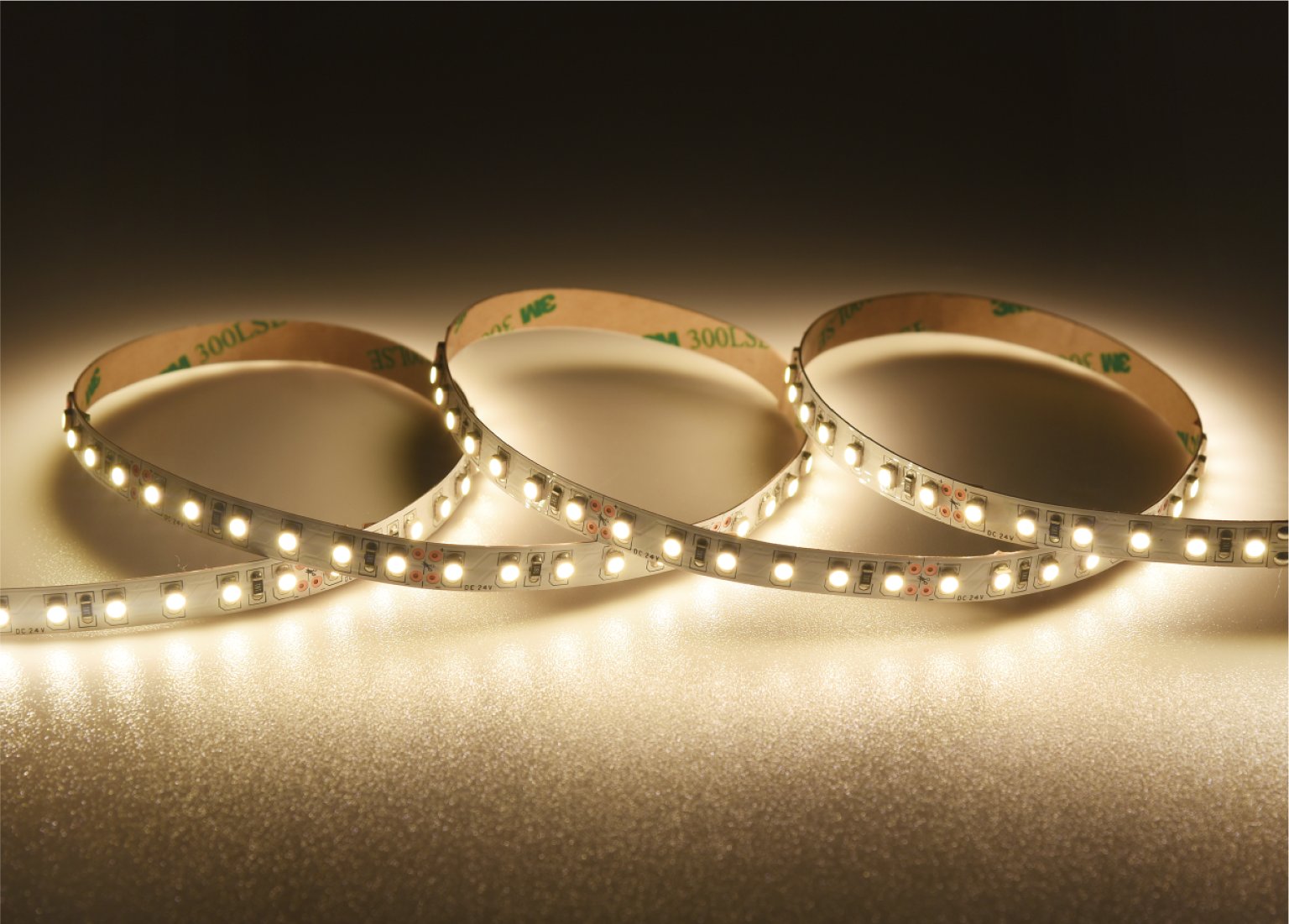
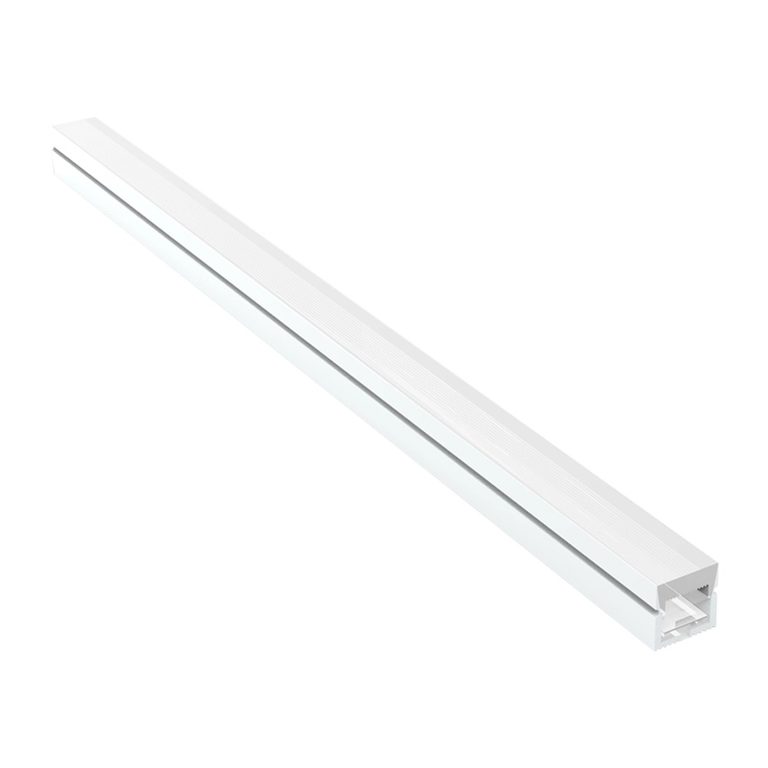
An aluminum profile transforms an exposed LED strip into a more integrated lighting component. Its housing creates a defined installation channel, helping maintain straight, consistent lighting lines along furniture edges and recessed spaces. This is particularly useful for LED light strips for furniture, where visible wiring or uneven positioning can affect the finished appearance.
Aluminum also conducts heat away from the LED circuit board. Effective heat management helps limit excessive operating temperatures, supporting more stable performance and reducing thermal stress on components. Since furniture lighting may operate for extended periods in relatively enclosed spaces, this function deserves attention during product selection.
Choose the Right Lighting Structure for Each Application
Different furniture applications require different lighting arrangements. Under-cabinet installations generally need practical illumination across work surfaces, while wardrobe lighting should help users identify clothing and stored items. Retail showcases may require more controlled illumination to highlight merchandise without distracting from the products.
When specifying LED light strips for furniture, project teams should consider the profile dimensions, mounting depth, available installation space, and desired light direction. Recessed aluminum profiles are suitable when a flush appearance is preferred, while surface-mounted designs may be easier to incorporate into existing furniture structures.
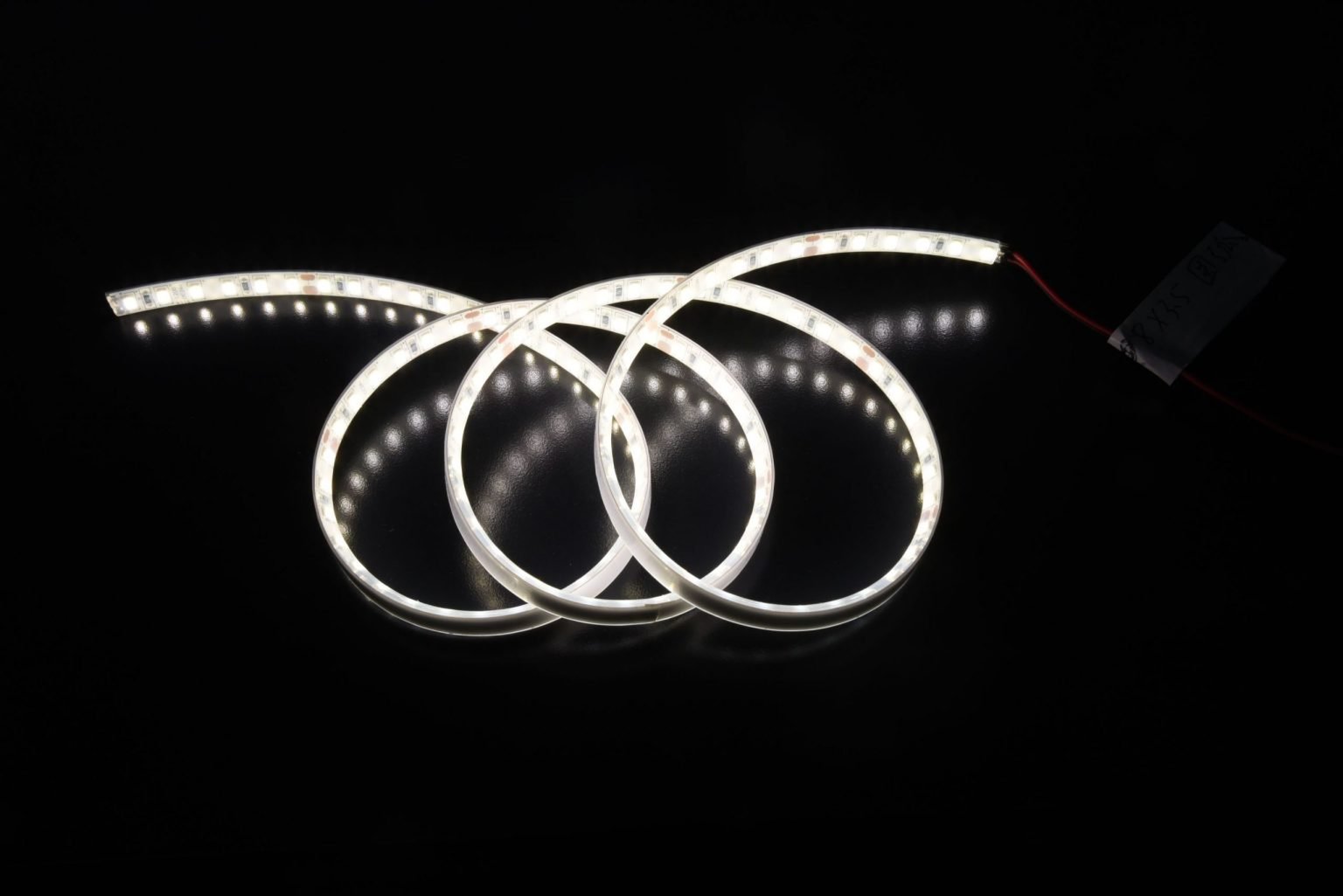
The choice of light source also matters. A flexible silicone light strip offers adaptability for curved details and applications requiring a continuous, flexible lighting element. Aluminum profiles, meanwhile, provide a more rigid structure for straight integrated lighting. These approaches serve different design purposes rather than replacing one another.
Consider Installation Efficiency and Custom Lengths
Installation requirements can influence project costs, particularly when furniture manufacturers need to assemble multiple lighting sections. Traditional connections may involve cutting, soldering, and additional wiring operations. These steps can increase labor time and introduce more opportunities for connection errors.
A practical aluminum profile system should therefore support accurate length adjustment and convenient electrical connections. Free-cutting capability is especially valuable when cabinet dimensions, shelf widths, or showcase layouts vary between projects.
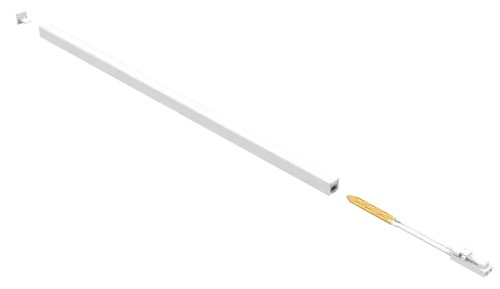
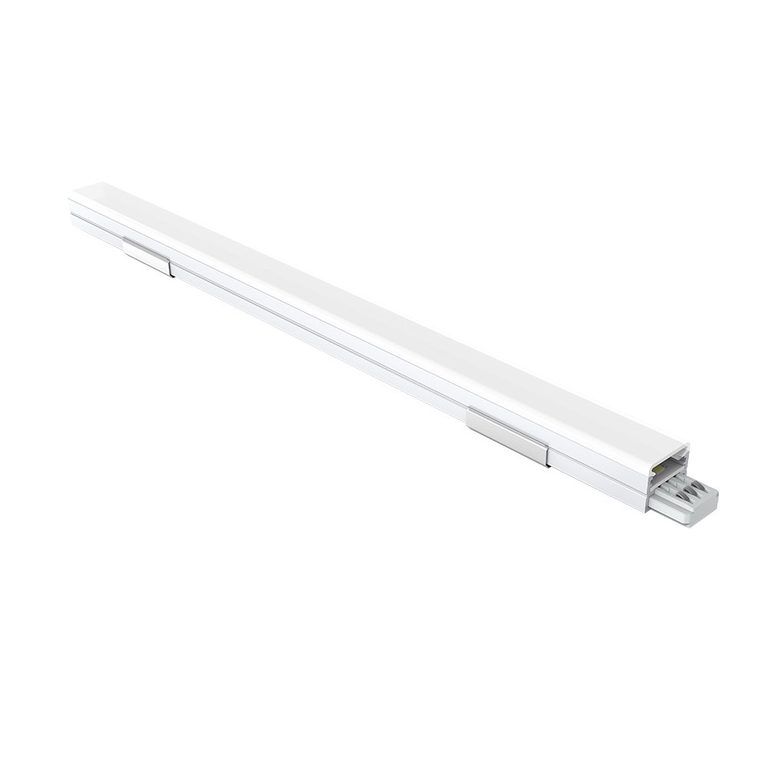
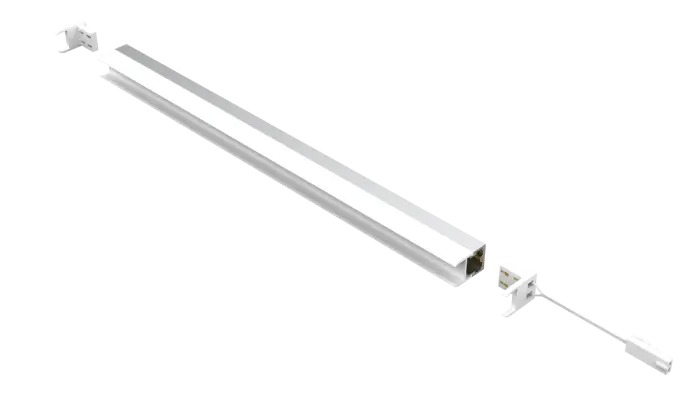
At LEDIA Lighting, our F02 built-in aluminum strip light features a patented quick plug-in design that supports free cutting and soldering-free installation. Its plug-and-play connection helps simplify assembly and reduce installation work. This is useful for manufacturers handling customized furniture dimensions and repeat production orders.
Match Color Temperature with the Interior Design
Lighting color influences how furniture materials, merchandise, and interior finishes appear. Warm white can create a comfortable atmosphere in residential-style spaces, while neutral or cooler white may suit contemporary retail displays and functional work areas.
A flexible silicone light strip may be considered when designers need to follow curved furniture features or create continuous decorative accents. However, the selected lighting system should always match the required brightness, installation geometry, and operating environment.
Our F02 profile supports two-wire CCT adjustment, allowing users to change the lighting ambiance according to different furniture and retail settings. This flexibility can help project teams accommodate different visual preferences without relying on entirely separate fixed-color configurations.
Evaluate Heat Dissipation and Long-Term Performance
Thermal management is an important consideration when selecting integrated lighting products. LED strips generate heat during operation, and enclosed furniture installations may restrict natural airflow. Without suitable heat management, elevated temperatures can accelerate component degradation and affect long-term lighting consistency.
An aluminum housing provides a conductive structure that helps transfer heat away from the LED PCB. However, actual thermal performance depends on the strip’s power consumption, profile dimensions, installation conditions, and surrounding materials. Buyers should review product specifications and follow the manufacturer’s recommendations rather than assuming every aluminum profile offers identical cooling performance.
A flexible silicone light strip may be more appropriate for certain decorative or curved applications, but its thermal requirements should also be checked. Selecting materials according to the installation environment helps avoid unnecessary maintenance issues.
Integrate Lighting into Furniture Manufacturing
For OEM furniture manufacturers, lighting should be considered during product development rather than added as an afterthought. Early coordination allows designers to reserve space for profiles, wiring, power supplies, and connection points. It also makes it easier to standardize components across different cabinet or wardrobe models.
LED light strips for furniture should be evaluated alongside installation labor, replacement accessibility, and production consistency. A well-planned system can simplify assembly while maintaining a uniform appearance across multiple product units.
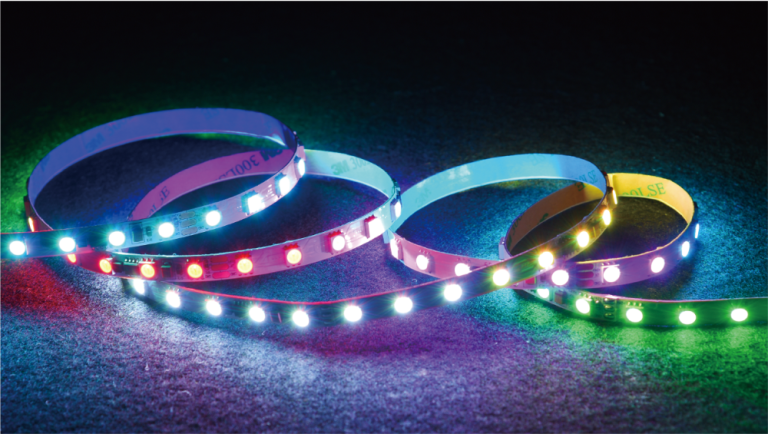
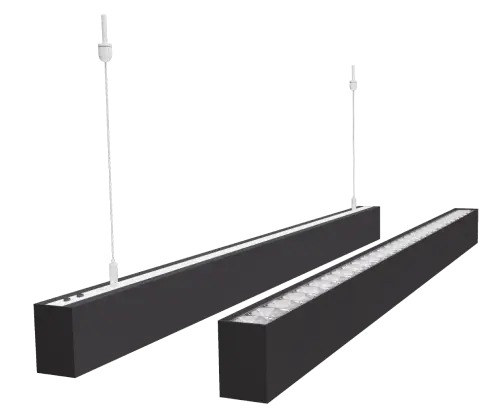
At LEDIA Lighting, we provide LED strip lights, linear fixtures, cabinet lights, and other lighting products for different indoor and outdoor applications. Our F02 aluminum profile is designed for built-in furniture and retail lighting, including under-cabinet installations, wardrobes, closets, and showcase displays.
Build Better Lighting Details Through Careful Selection
Creating clean lighting lines requires more than choosing an attractive LED strip. Profile structure, mounting dimensions, connection methods, color temperature, and heat dissipation all influence the final result. By evaluating these factors together, project teams can develop lighting systems that support both design consistency and practical installation.
At LEDIA Lighting, we work with customers to address different project and customization requirements through product development, manufacturing, quality control, and customer support. With suitable aluminum profiles such as F02, furniture manufacturers and commercial lighting buyers can integrate functional illumination into their designs while maintaining a neat, professional finish.