Furniture lighting has become an important part of modern commercial and residential interiors, particularly where designers want illumination without visible hardware. Integrated strips can highlight shelving, wardrobes, cabinets, counters, and display areas while maintaining a visually clean appearance. For project buyers, selecting suitable LED light strips for furniture involves more than brightness; installation method, profile design, adjustability, and long-term practicality all influence the finished result.
Why Integrated Lighting Works Well with Furniture
Traditional lamps can add visual clutter when installed directly around furniture. Cables, fixtures, and mounting hardware may interrupt otherwise simple lines. Recessed or built-in LED solutions provide a more discreet alternative by placing the light source within the furniture structure or an aluminum profile.
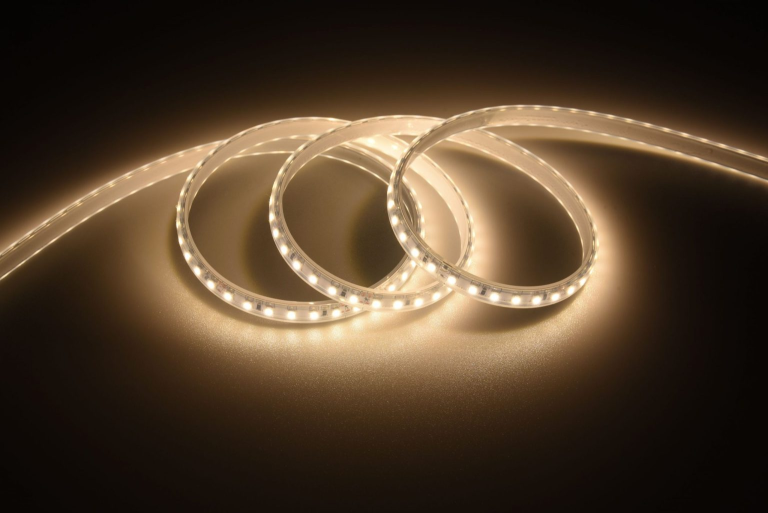
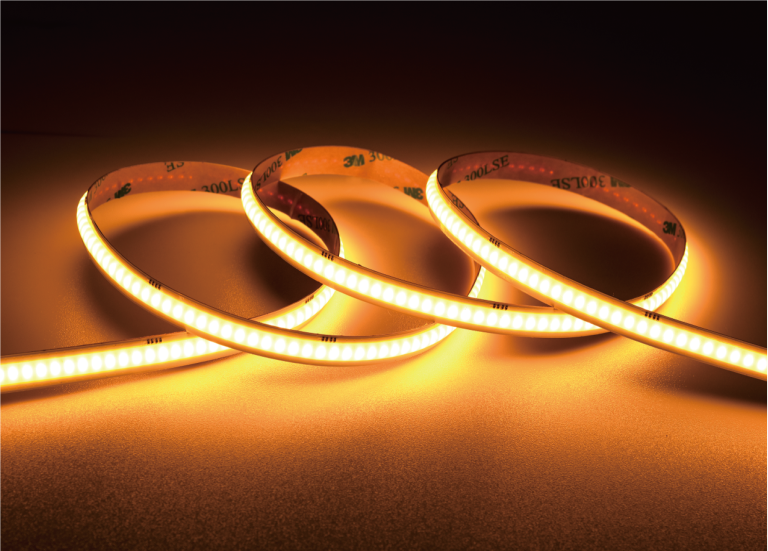
This approach can create continuous illumination along cabinet edges, shelves, or wardrobes. Rather than making the fixture the visual focus, the lighting emphasizes the furniture itself. For retailers, this can be especially useful when lighting products on shelves or inside showcases without distracting customers from merchandise.
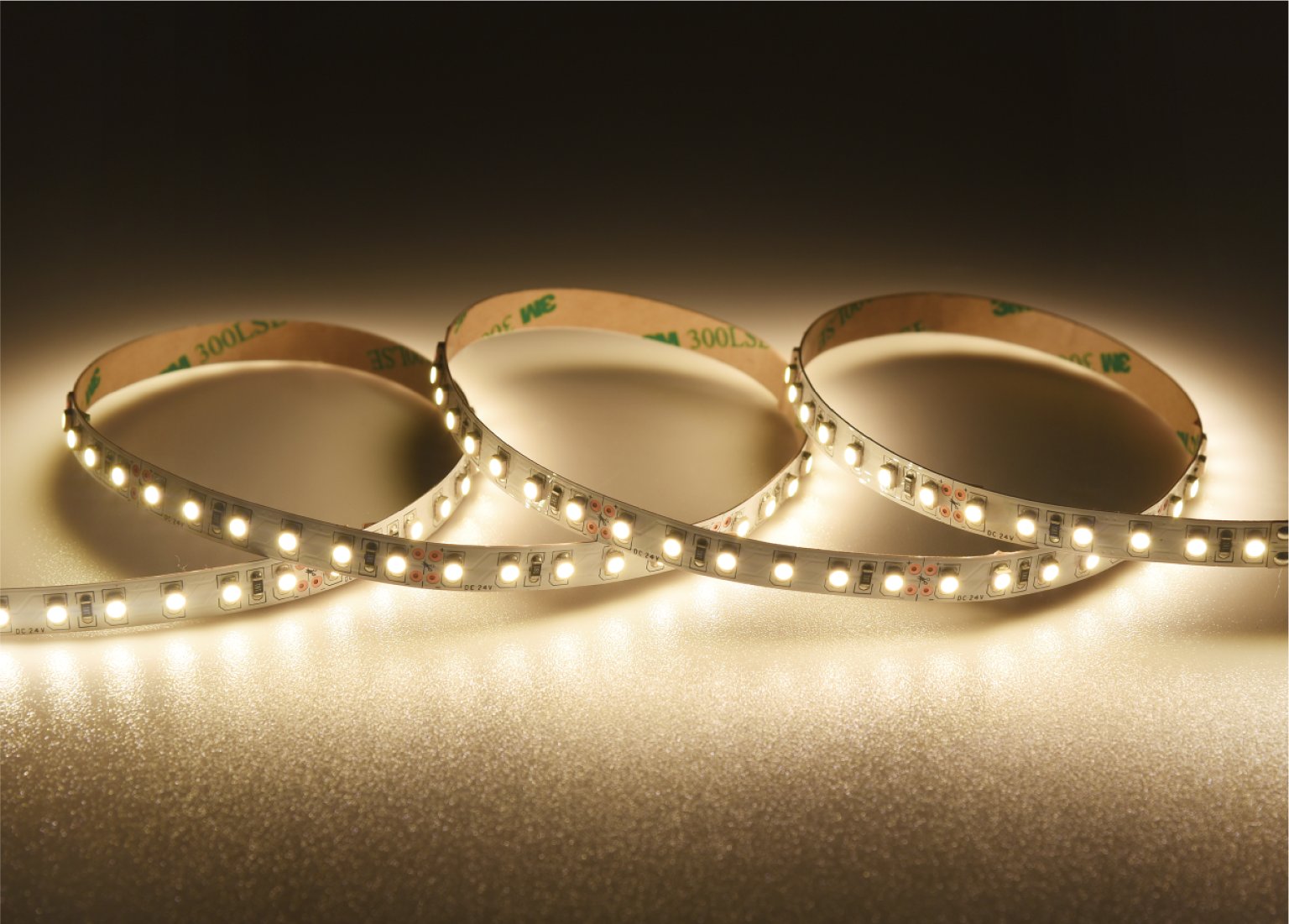
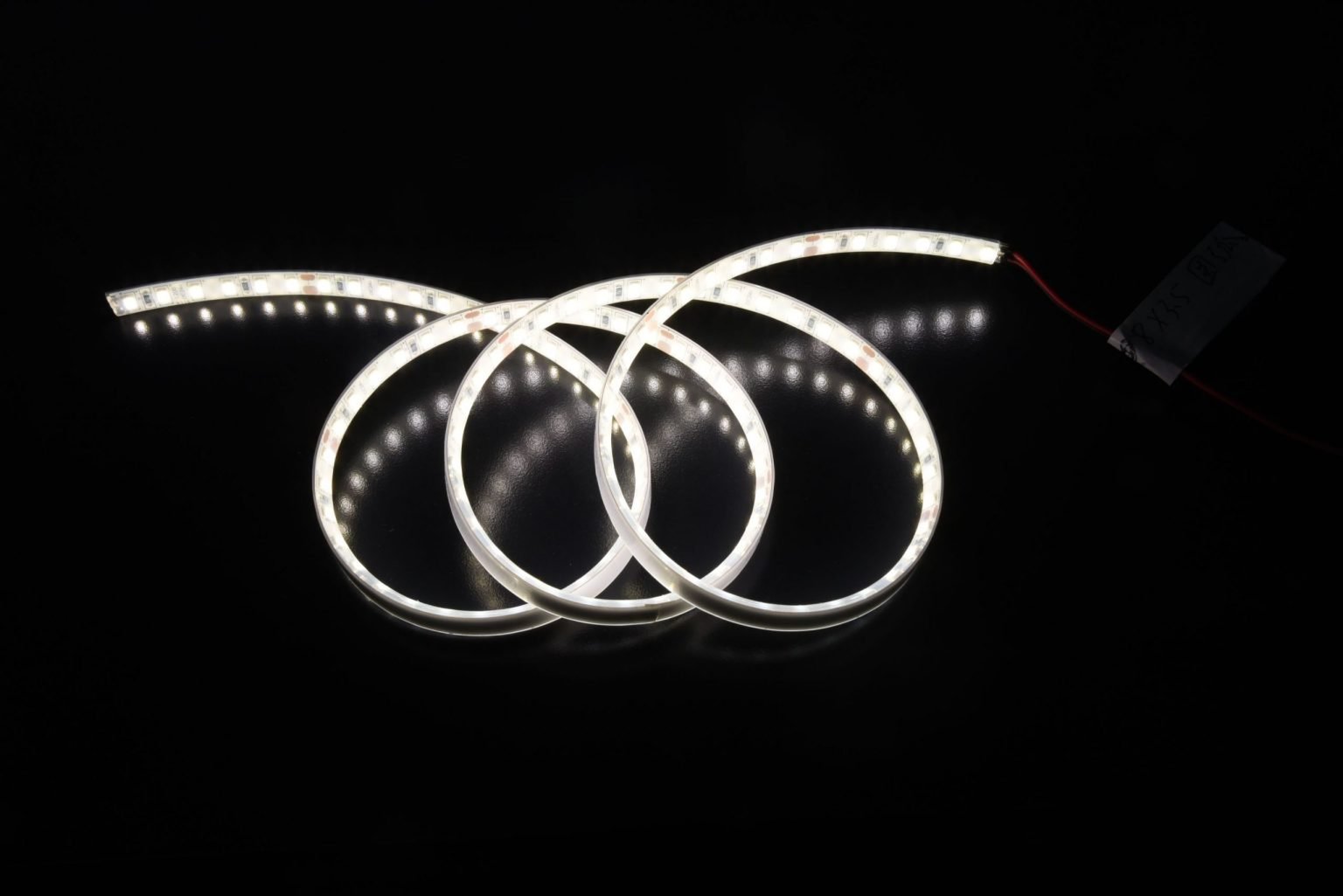
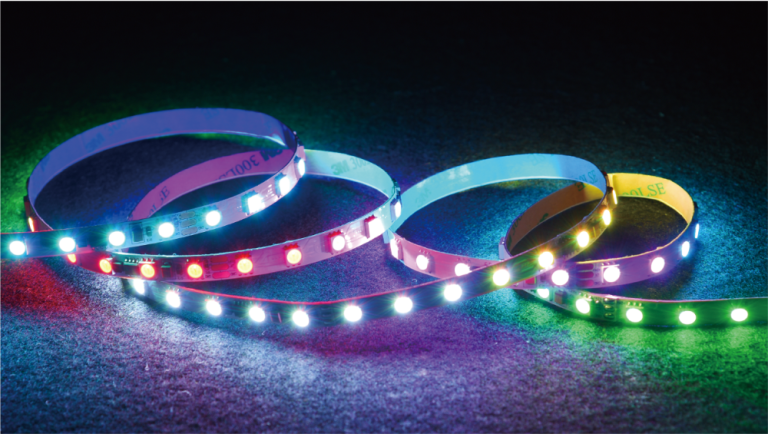
The choice of LED light strips for furniture should therefore begin with the desired visual effect and installation position. Under-cabinet lighting, wardrobe illumination, display lighting, and shelf accents can each require different dimensions and configurations.
Design Considerations for Furniture LED Lighting
A clean installation starts with accurate dimensions. Furniture components often have limited space for lighting equipment, so the strip or profile needs to fit precisely within the available channel. Cutting flexibility can make a major difference when project dimensions vary between cabinets, shelves, or display units.
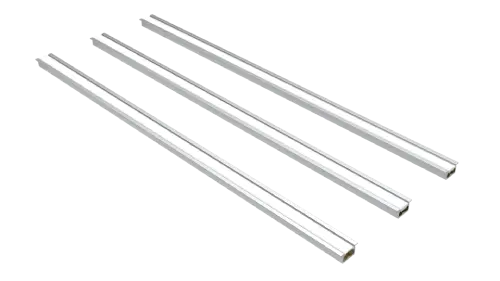
Light distribution is another consideration. A concealed strip should provide useful illumination without creating excessive glare or obvious hotspots. An aluminum profile can also help integrate the lighting into the furniture construction while providing a structured mounting solution.
Color temperature should match the intended environment. Warmer light can support a comfortable atmosphere in residential furniture, while neutral or cooler settings may be appropriate for retail displays and work-oriented spaces. Adjustable CCT options can provide additional flexibility when one product needs to serve multiple applications.
Where Furniture LED Strip Lighting Fits
Kitchen cabinetry is the familiar applications. Under-cabinet lighting can illuminate work surfaces while keeping the light source relatively unobtrusive. Similar solutions can be applied inside wardrobes, closets, and storage furniture where additional visibility is useful.
Retail environments offer another strong application. Showcase lighting can draw attention to merchandise, while shelf-integrated illumination can improve visibility without introducing standalone fixtures. For shopfitters and lighting contractors, repeatable installation methods can also simplify deployment across multiple displays.
Hospitality and commercial interiors can benefit from the same approach. Reception counters, shelving systems, display cabinets, and decorative furniture can incorporate concealed lighting to create a consistent visual language throughout a project.
Residential furniture can also use integrated lighting for both function and atmosphere. Wardrobes, bookcases, TV units, bathroom cabinets, and other built-in furniture can incorporate strips without compromising a minimalist design. These applications demonstrate why LED light furniture solutions are increasingly considered during furniture and interior planning rather than added as an afterthought.
A Practical Option for Custom Furniture Projects
For business projects, installation efficiency can be just as important as the appearance of the finished product. A lighting solution that requires extensive soldering or complicated connections may increase labor requirements, particularly when installers need to complete many furniture units.
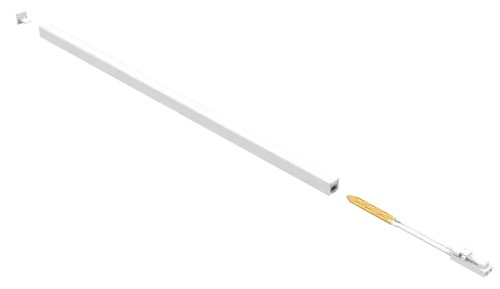
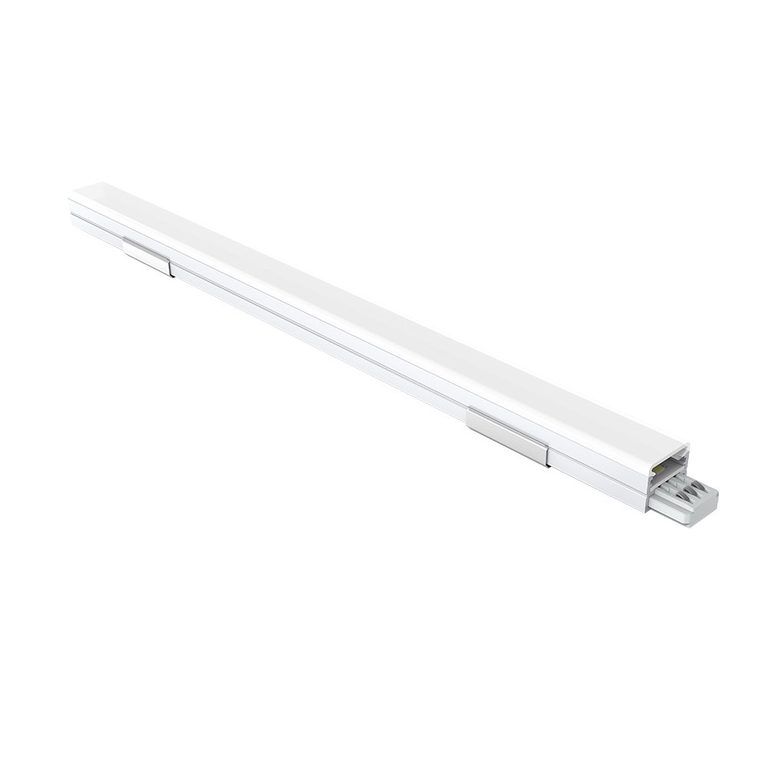
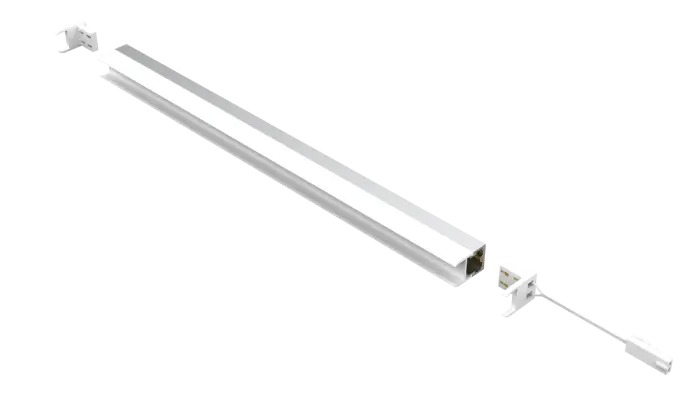
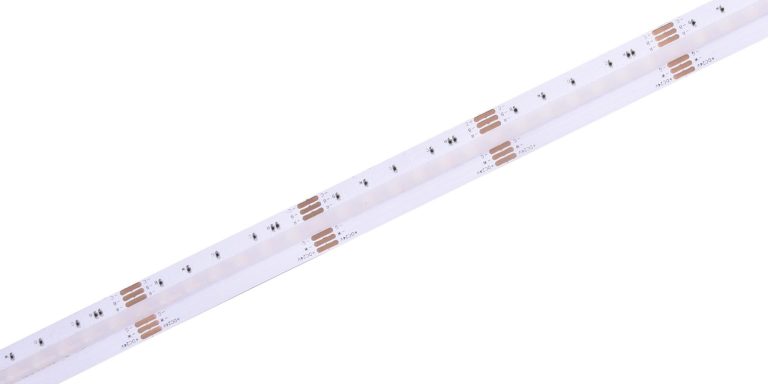
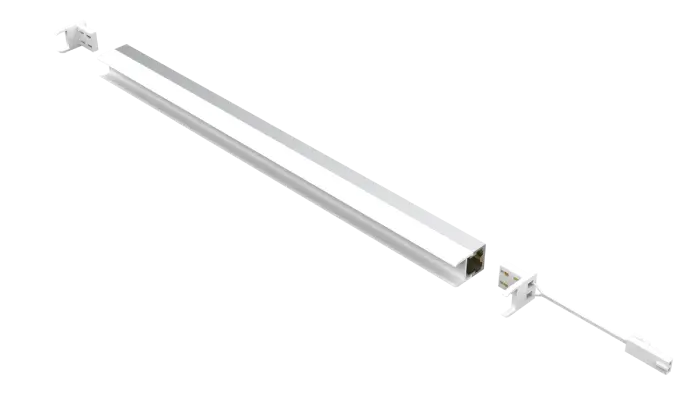
Our F02 built-in aluminum strip light addresses this challenge with a patented quick plug-in design. The system supports free cutting and soldering-free installation, allowing installers to create custom-length lighting while using a plug-and-play connection method.
The free-cutting capability is particularly useful for furniture manufacturers and project contractors working with different cabinet or shelf dimensions. Instead of depending on fixed lengths, installers can adapt the strip to the required size, helping achieve a closer fit across different furniture configurations.
Flexible CCT for Different Interior Requirements
Lighting requirements can change considerably between applications. A jewelry showcase may need a different visual atmosphere from a wardrobe, while a retail display can have different requirements from a residential cabinet.
F02 incorporates 2-wire CCT functionality, providing adjustable color-temperature options for different furniture and retail settings. This flexibility can make the same basic lighting platform suitable for multiple project environments while giving designers greater control over the final appearance.
For businesses sourcing LED light strips for furniture, such adaptability can reduce the need to manage completely different lighting products for every application. A flexible system can simplify product selection while supporting varied design requirements.
Supporting Efficient Commercial Installation
Furniture lighting projects often involve repeated installation across numerous units. Small differences in installation time can therefore become significant when multiplied across a large commercial project. Soldering-free connections and cut-to-length functionality can help installers work more efficiently.
Our broader approach focuses on providing customizable LED strip solutions for different application environments, including commercial, industrial, residential, and outdoor projects. R&D and automated manufacturing help us respond to different customization requirements while supporting stable production for customized and bulk orders.
For manufacturers and contractors developing LED light furniture, this combination of adaptable product design and production capability can be useful when a project requires consistent specifications across multiple installations.
Keeping the Finished Look Minimal
Good furniture lighting should support the architecture rather than compete with it. Concealed installation, appropriate profile integration, accurate sizing, and suitable color temperature all contribute to a more refined result. The objective is not simply to add more illumination but to place light where it contributes meaningful visual or functional value.
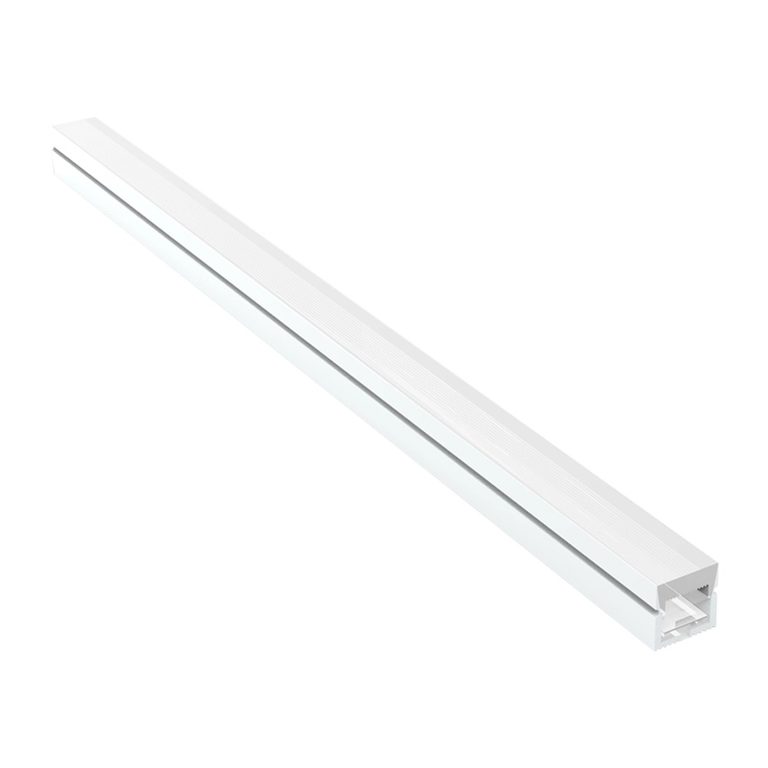
At LEDIA Lighting, our F02 is designed specifically for built-in applications such as under-cabinet lighting, closet and wardrobe lighting, and showcase illumination. Its aluminum construction, free-cutting design, quick plug-in installation, and adjustable CCT make it a practical option for furniture and retail projects requiring a clean integrated appearance.
Turning Furniture into Part of the Lighting Design
Integrated lighting allows furniture to become an active part of an interior lighting scheme. Instead of relying only on ceiling-mounted or standalone fixtures, designers can use LED light strips for furniture to illuminate specific surfaces, highlight products, and improve visibility while preserving clean lines.
For business buyers developing LED light furniture, the right solution should balance appearance, installation efficiency, customization, and repeatable production. With F02 and our broader LED strip capabilities, we can support projects where lighting needs to fit naturally into the furniture rather than simply being attached to it.