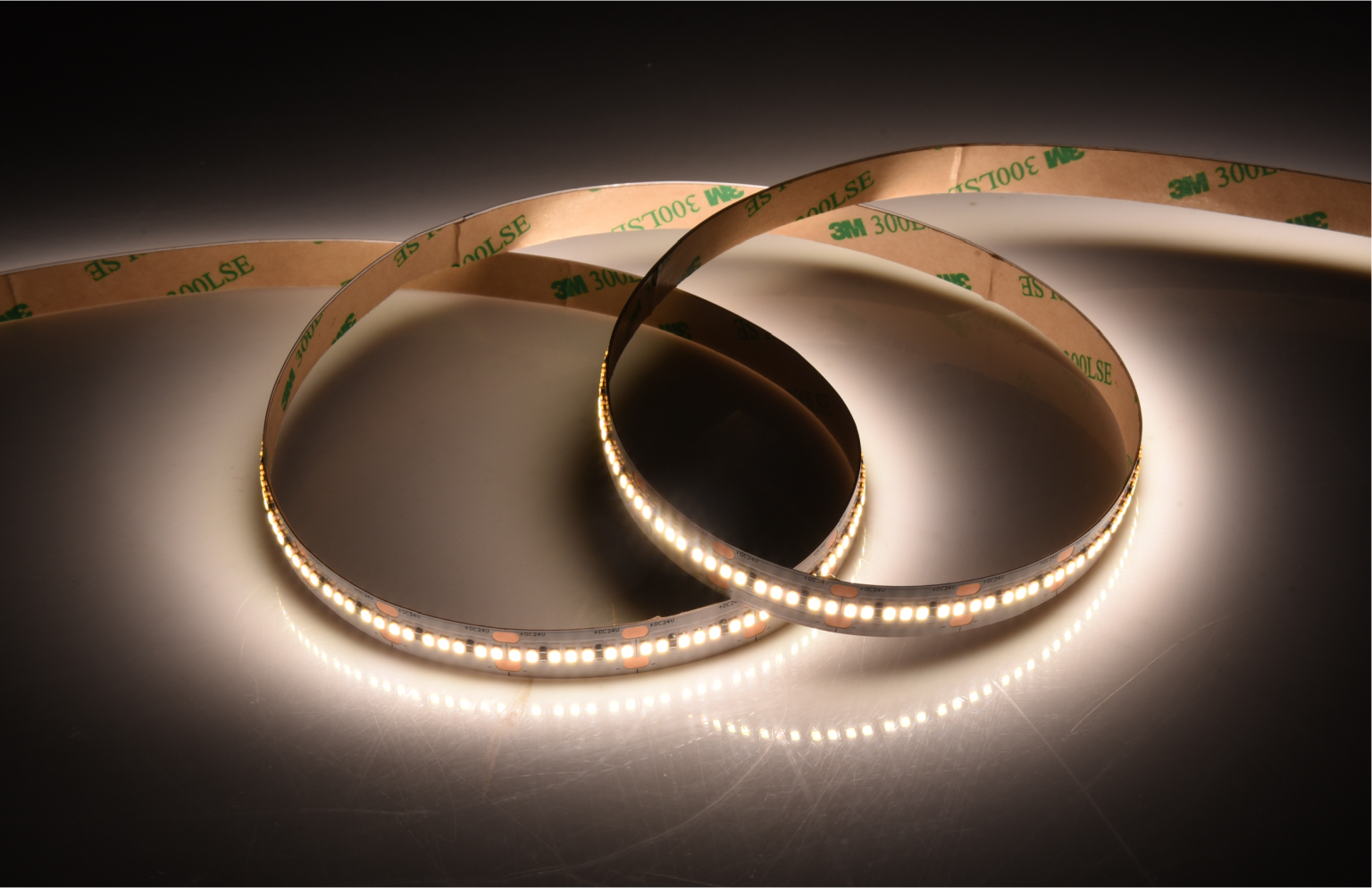
Lighting selection involves more than deciding how bright a space should be. For commercial interiors, retail environments, offices, and residential developments, the installation method and final appearance are equally important. Lighting products must complement the architectural design while meeting practical requirements for brightness, color consistency, durability, and maintenance. Choosing suitable standard LED strip lights requires a clear understanding of how they will be installed and experienced within the finished space.
For lighting contractors, designers, and project purchasers, these considerations also influence installation costs and long-term performance. At LEDIA Lighting, we provide LED strip lights and linear lighting solutions for different indoor and outdoor applications. Our 2219 Series Regular Strip Light offers an option for projects that require consistent illumination and flexible installation choices.
Start with the Installation Surface and Lighting Purpose
Before selecting a strip, project teams should identify the surface, mounting position, and role of the light. Under-cabinet task lighting has different requirements from a ceiling cove, retail shelf, corridor detail, or decorative wall feature. Viewing angle matters: a strip hidden behind a lip can create indirect illumination, while an exposed run becomes part of the visible design.
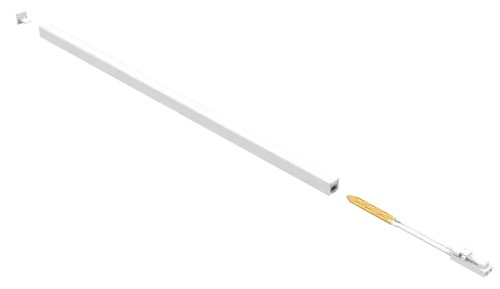
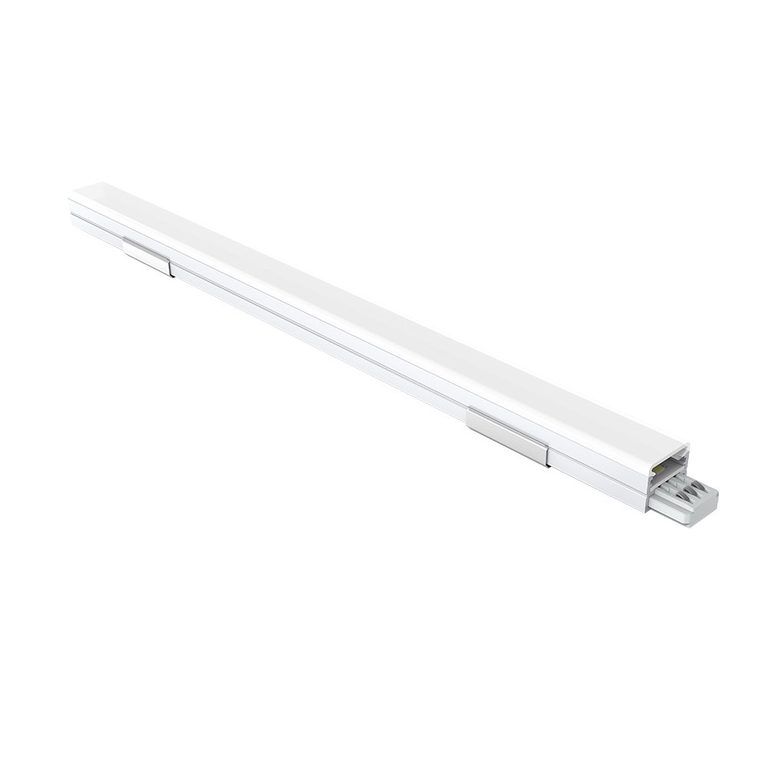
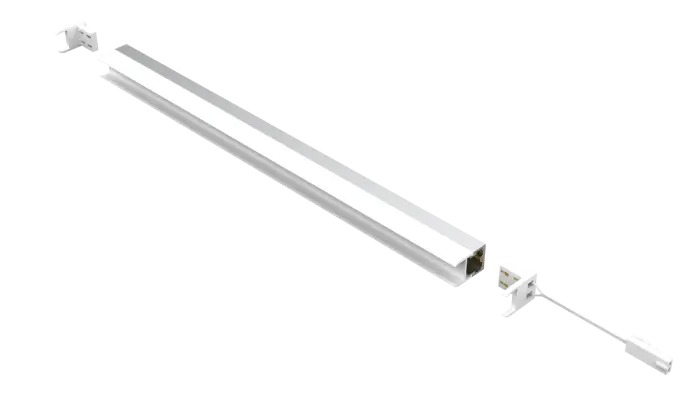
A linear surface mounted light suits spaces where a recessed channel is impractical or a defined line is wanted on an existing surface. Surface profiles can simplify retrofits because they need no deep groove. However, profiles, clips, wiring, and end caps remain visible, making alignment and finish important.
Measure each run before ordering, noting corners, joints, cable exits, and driver locations. Check strip width against the channel’s internal dimensions and confirm cutting intervals in the product documentation. Cut only at designated points to avoid damaging electrical connections.
Balance Appearance, Diffusion, and Light Quality
Appearance depends on chip spacing, profile depth, diffuser material, and viewing distance. A diffuser can soften the line but may reduce delivered light. Test a sample in the intended profile before placing a large order.
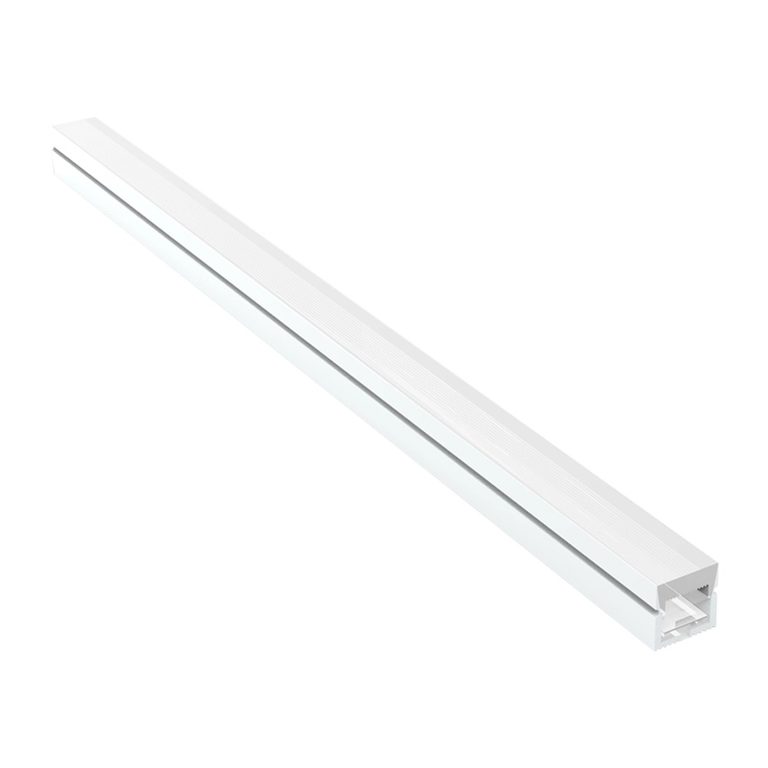
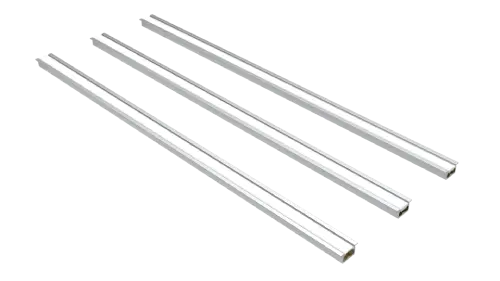
For a linear surface mounted light, select a profile shape and finish that suit the interior. A shallow channel fits tight spaces; a deeper one may allow more diffusion. Decide whether the line should blend in or become an architectural feature, and keep joints aligned.
Match color quality to the task and finishes. Color Rendering Index (CRI) describes how accurately a source reveals colors. CRI 80+ suits many general applications, while CRI 90+ may be preferred for product displays or color evaluation. Keep color consistency in mind when strips share a view.
Check Protection, Heat, and Electrical Planning
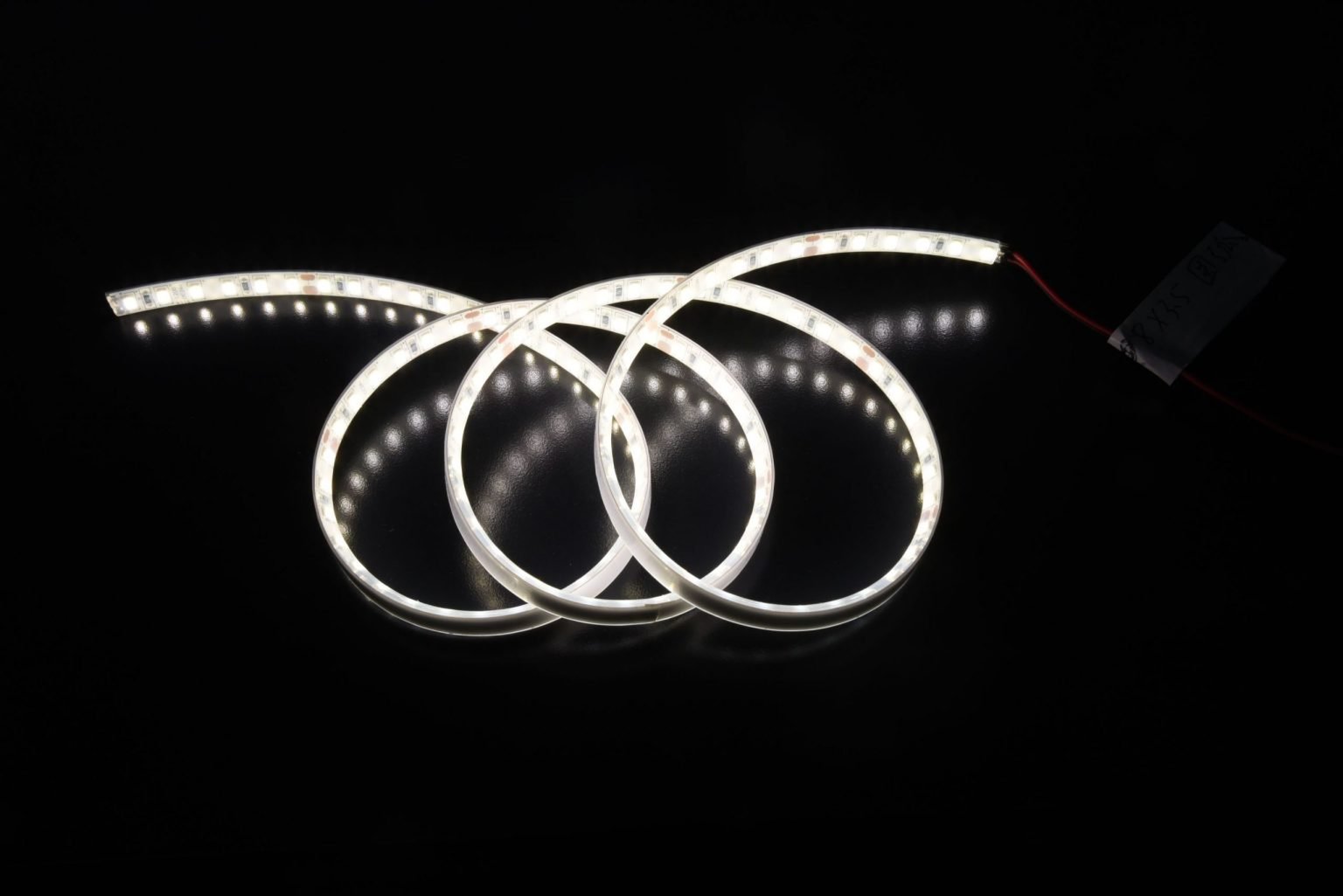
Choose protection according to the installation environment. Indoor dry locations may use an IP20 option, while areas exposed to dust, splashes, or more demanding moisture conditions may require a higher rating. The 2219 Series is available in IP20, IP65, IP67, and IP68 options. Buyers should confirm the exact version and ensure connectors, cut ends, power supplies, and installation details maintain the required protection.
An aluminum profile provides a stable mounting surface and can assist heat transfer, but it does not make a strip waterproof. Heat management depends on power, profile dimensions, ambient temperature, and ventilation. Follow product guidance and keep drivers accessible for maintenance.
Confirm voltage, watts per meter, total length, driver capacity, dimming compatibility, and maximum run length in the datasheet. Long runs may need additional power feeds to limit voltage drop and uneven brightness. A qualified installer should check wiring and local requirements.
Match the Product to the Project
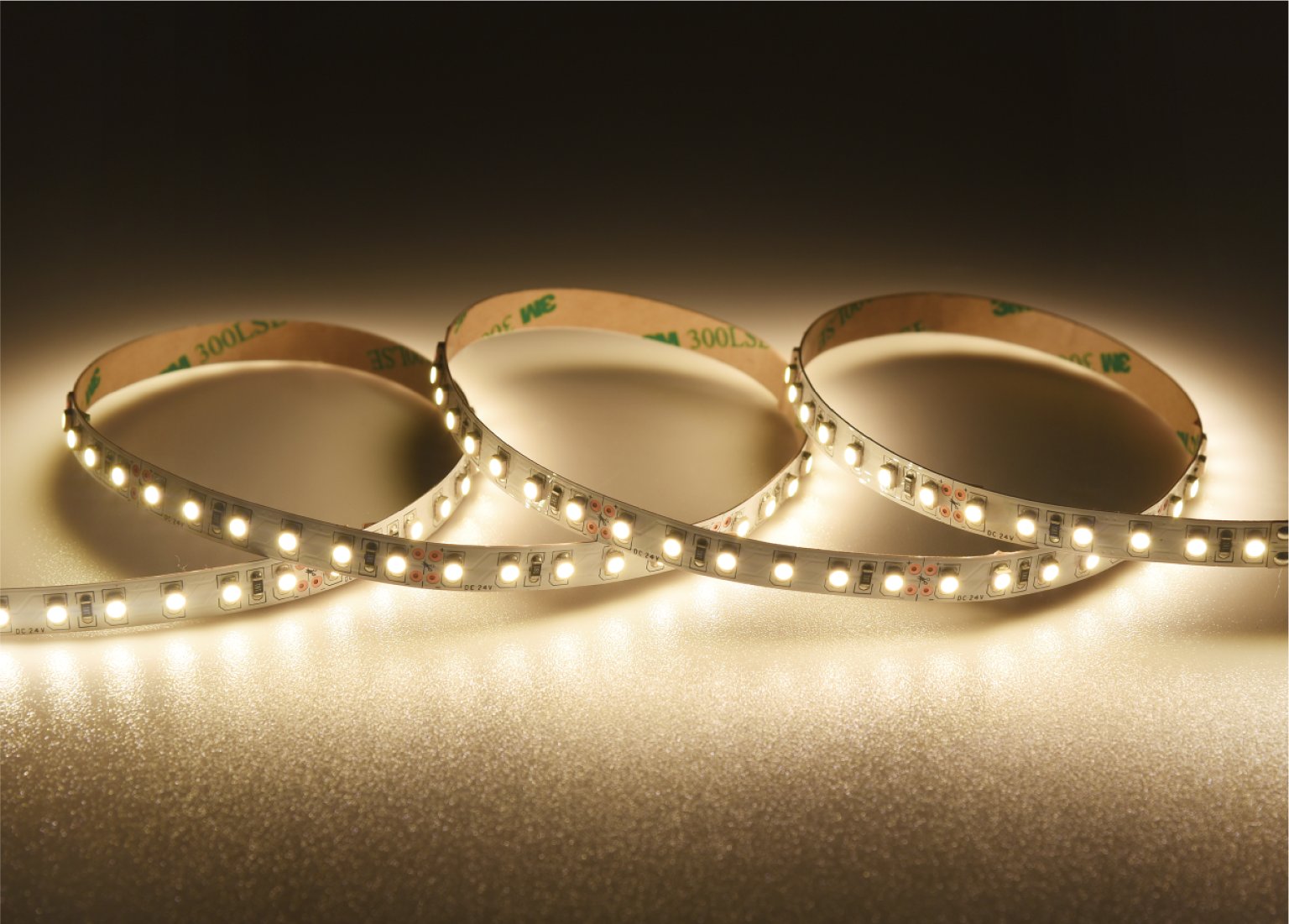
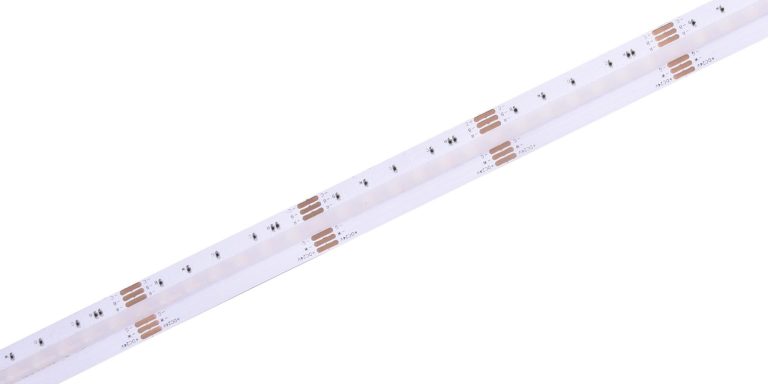
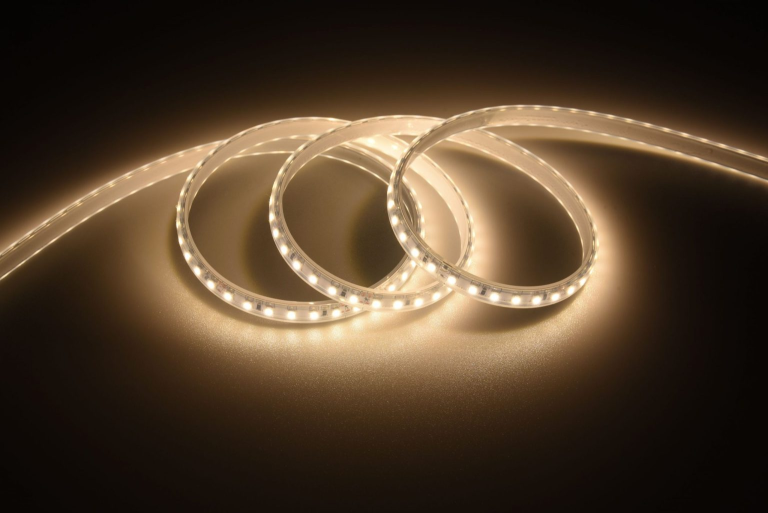
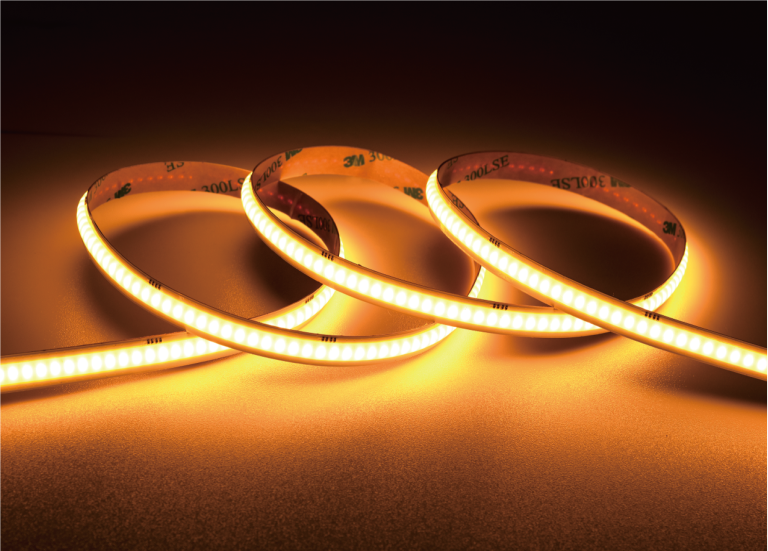
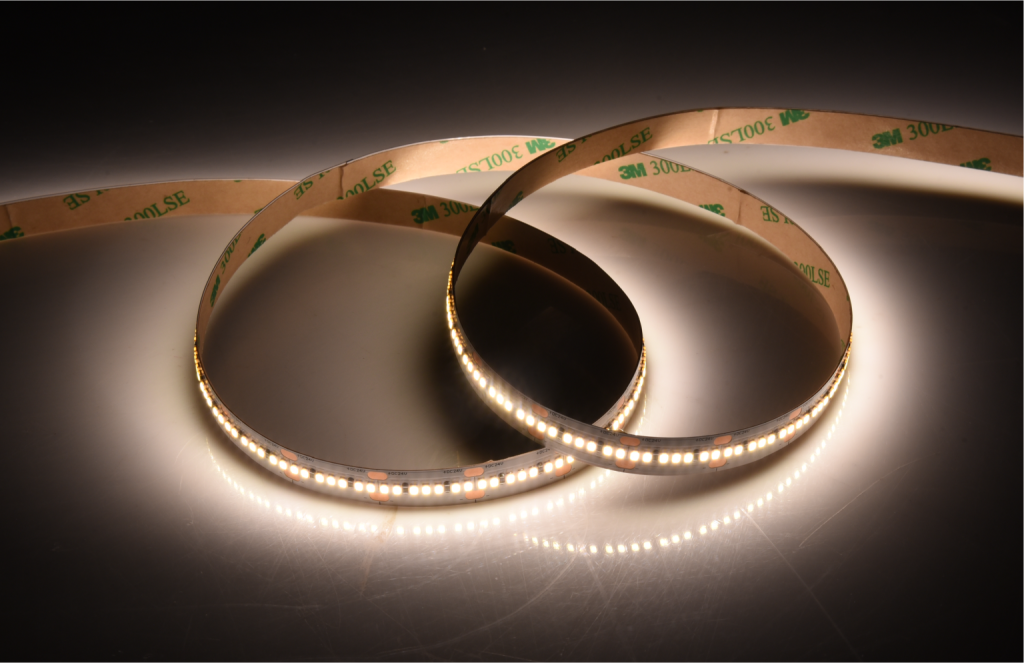
Among standard LED strip lights, our 2219 Series Regular Strip Light offers several useful features. Its dense chip arrangement supports efficacy, uniform illumination, and color consistency. It uses LM80-certified 2016 SMD chips, offers CRI 80+ with CRI 90+ optional, and carries a three-year warranty.
IP20, IP65, IP67, and IP68 options help teams match protection to the location. Applications include offices, homes, retail spaces, and decorative lighting. Confirm electrical and photometric data for the chosen configuration before specifying drivers and accessories.
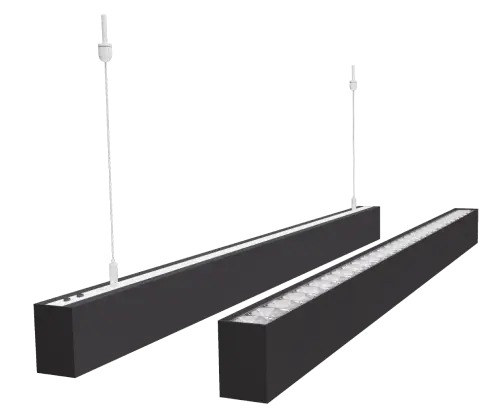
A linear surface mounted light and a flexible strip can serve different roles: one may provide a complete fixture line, while a profiled strip creates an accent or integrated detail. Compare ceiling conditions, access, output, and design intent rather than appearance alone.
Make the Final Choice with a Sample Installation
Drawings and product specifications narrow the options, but a mock-up reveals how the light interacts with actual finishes. It also helps compare standard LED strip lights under real viewing conditions. Install a short sample using the proposed profile, diffuser, driver, and mounting method.
Review it from normal viewing positions, check for visible LED points and glare, and observe whether the color matches adjacent lighting. This test can clarify whether a linear surface mounted light or a profiled strip better suits the space.
A mock-up also helps assess installation time and service access. Ensure surfaces are clean, dry, and suitable for the fixing method. Keep strips straight, avoid twisting, and make connections accessible. In wet areas, follow product-specific sealing instructions; field modifications can affect protection.
Bring Installation and Appearance into One Specification
Successful strip lighting balances technical suitability with a coherent visual result. By evaluating mounting surfaces, profile dimensions, diffusion, color quality, environmental protection, and electrical requirements together, project teams can make decisions that are easier to install and maintain. At LEDIA Lighting, we support these considerations with our regular strip light range, including the 2219 Series, for varied architectural and commercial applications. A carefully planned sample installation remains a practical final check before procurement and rollout.