A distinctive retail environment, hotel, office, or commercial venue is built from many coordinated details. Lighting is one of the most visible: it affects how customers read a space, recognize a brand, and interact with products. For project teams, selecting custom light fixtures means balancing visual identity with illumination quality, site conditions, safety, and long-term operation.
A successful specification starts with a clear brief. Before approaching a manufacturer, teams should define where the lights will be installed, what the space needs to communicate, and which performance requirements cannot be compromised.
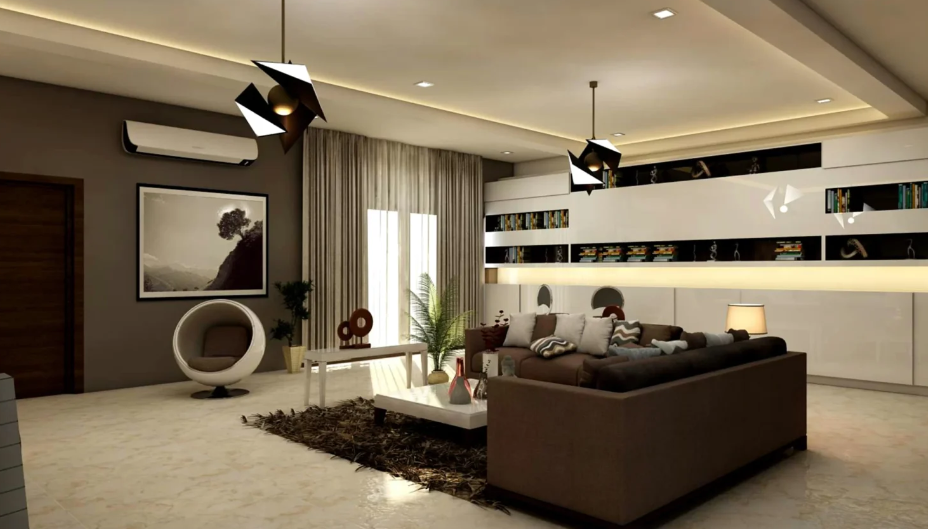
Translate Brand Identity into a Lighting Language
Brand identity can be expressed through more than logos and colors. The proportions of a luminaire, its profile, finish, light distribution, and placement all contribute to the atmosphere of a space. A minimalist technology showroom may call for clean linear forms, while a hospitality project may need softer illumination and concealed sources.
Lighting should reinforce the materials, architectural lines, signage, and customer journey already established by the brand. When developing custom LED lighting solutions, project teams should share brand guidelines, reference images, finish samples, and architectural drawings so that the supplier can assess the design in context.
Match Light Quality to the Intended Experience
Appearance is only one part of the specification. Color temperature influences whether a space feels warm, neutral, or cool, while color rendering affects how accurately merchandise, finishes, food, and other objects appear. The appropriate combination depends on the application: a fashion display may prioritize faithful color presentation, whereas a circulation area may place greater emphasis on comfortable, consistent visibility.
Teams should also review lumen output, beam angle, glare control, and uniformity instead of comparing wattage alone. A fixture that is visually striking but creates harsh reflections or uneven illumination can weaken the overall experience.
Select Materials, Dimensions, and Finishes for the Site
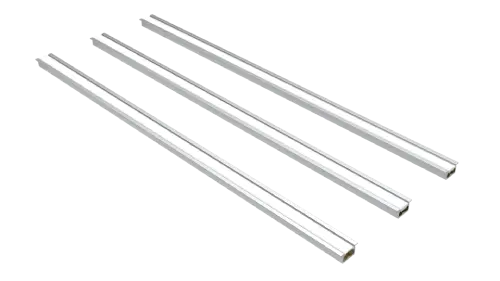
A custom design must fit the building as well as the brand. Well-planned custom light fixtures should complement the architecture without obstructing access or services. Confirm fixture length, width, mounting method, ceiling depth, wiring access, and clearance from nearby equipment. For linear systems, even small dimensional differences can affect alignment across a long ceiling or display.
Material and finish choices should reflect the operating environment. Outdoor and damp locations may require suitable ingress protection, while kitchens, workshops, and industrial spaces can have different cleaning, temperature, or impact demands. These conditions influence housing construction, sealing, connectors, and maintenance access.
Check Controls, Power, and System Compatibility
Lighting controls shape how a space works after handover. Determine whether the project needs simple on/off operation, dimming, tunable white, or integration with a building control system. Confirm the control protocol, driver location, voltage, circuit arrangement, and any emergency-lighting requirements before finalizing the design.
Compatibility deserves particular attention when new fixtures are added to an existing installation. Check whether the proposed driver supports the required dimming range and whether control wiring can be routed through the planned ceiling or wall structure. A visually consistent product may still be unsuitable if its driver or dimming method conflicts with the control system.
Evaluate the OEM Partner Beyond the Sample
A polished prototype does not by itself prove that a supplier can deliver a consistent project order. Buyers should also ask about minimum order quantities, lead times, component substitutions, warranty terms, and the handling of nonconforming batches. Buyers should review engineering support, production planning, component traceability, testing procedures, and communication.
A capable partner should understand custom LED lighting solutions as a coordinated process and explain the path from concept and technical drawings to material selection, prototyping, assembly, testing, and shipment. This is where custom LED lighting solutions become a coordinated manufacturing project rather than an isolated product request.
Plan for Installation, Maintenance, and Future Supply
Consider how installers will handle the fixtures on site. Clear mounting instructions, accessible connection points, consistent labeling, and manageable product weights can reduce installation time.
Maintenance should be considered at the design stage, not after the first failure. A fixture that is difficult to reach or requires a complete assembly replacement may increase the total cost of ownership, even if its purchase price is attractive. Ask about access to drivers, replaceable components, cleaning requirements, and the availability of matching products for future extensions.
How LEDIA Lighting Supports Project-Specific Requirements
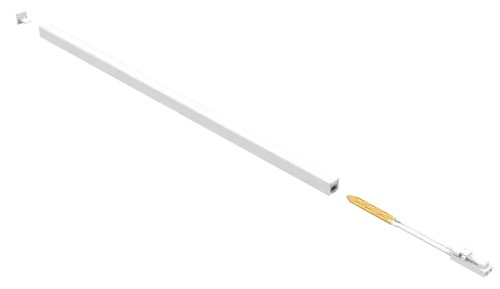
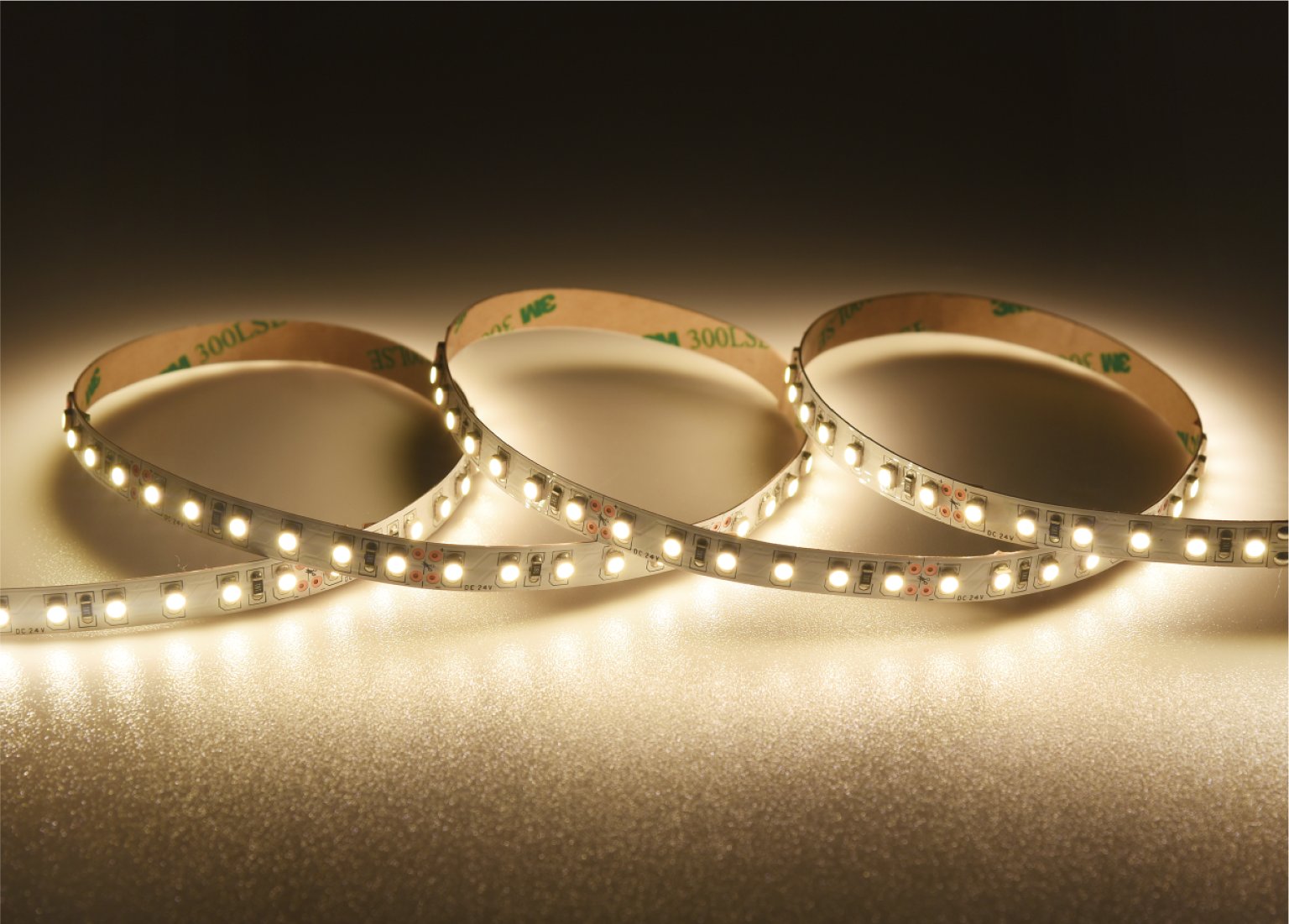
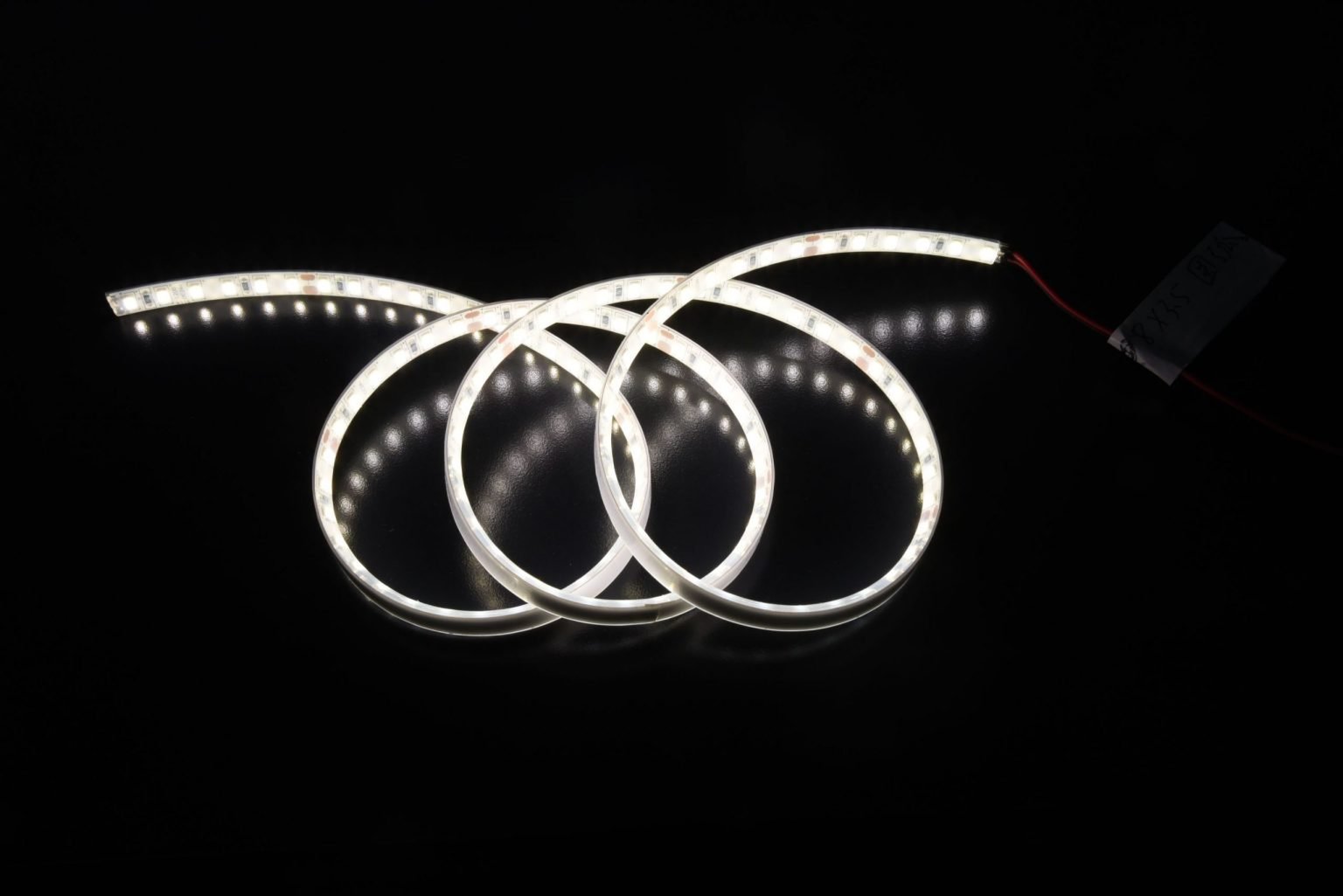
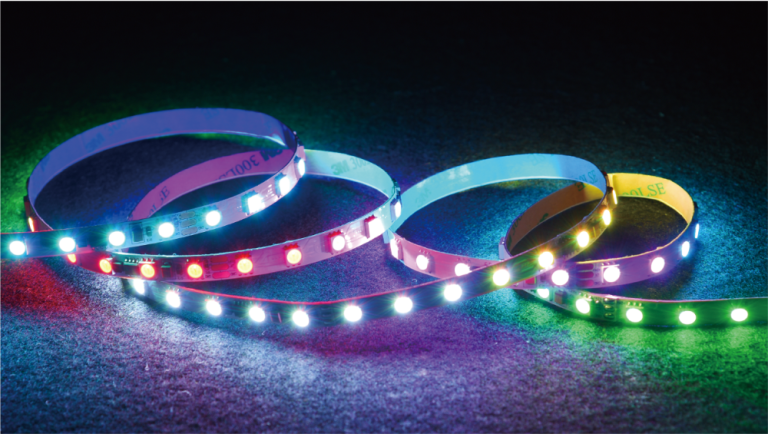
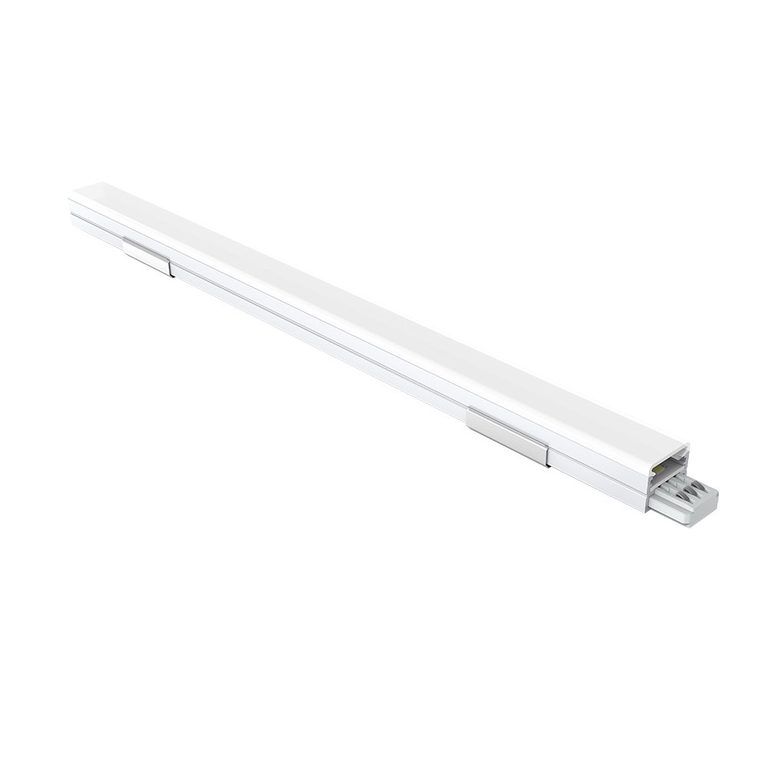
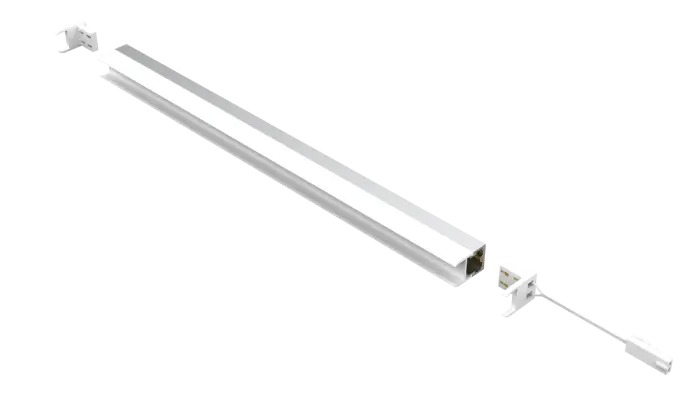
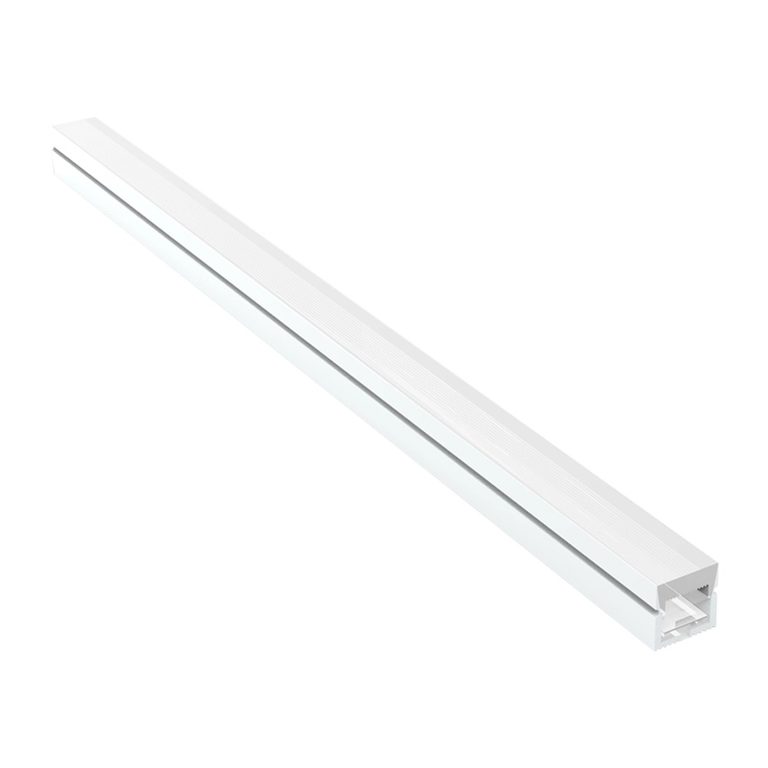
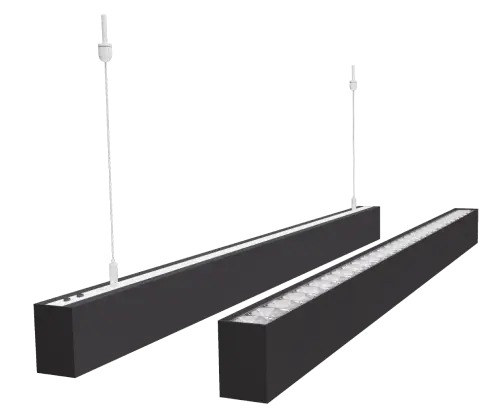
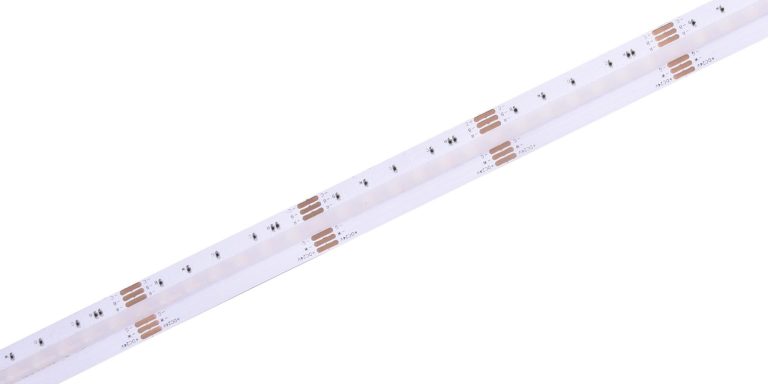
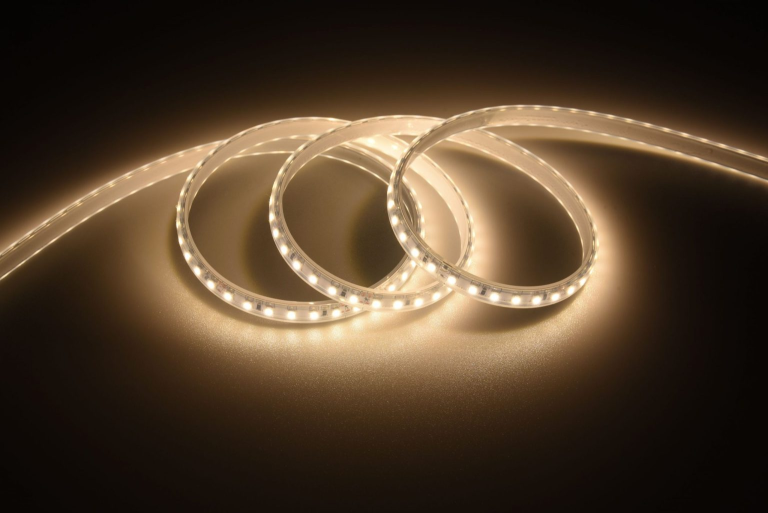
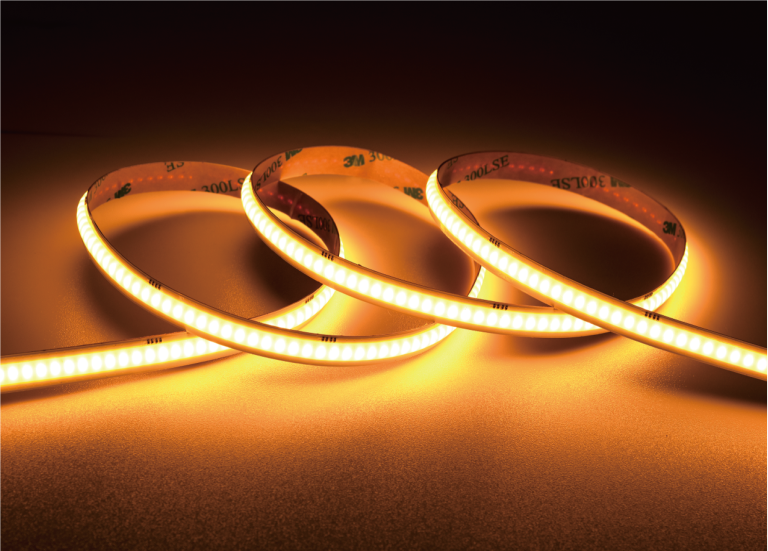
As a professional LED linear light manufacturer, we provide strip lights, linear fixtures, cabinet lights, high-bay lights, and tri-proof lighting for indoor and outdoor projects.
We support OEM requirements with manufacturing, R&D, quality control, and customer service. Our production planning and automated processes help support bulk and customized orders, while ongoing product development allows us to respond to different project needs. We discuss specifications with customers so that the selected product type, configuration, and production requirements are aligned before an order moves forward.
We at LEDIA Lighting apply quality management and testing throughout production to help maintain product consistency, and our team follows requirements, production progress, delivery, and after-sales questions.
Turn the Design Brief into a Reliable Lighting Specification
Brand-specific lighting works best when custom LED lighting solutions are planned around both design intent and technical requirements. Define the atmosphere, light quality, dimensions, materials, controls, site conditions, and maintenance expectations before approving a sample. Then assess the manufacturer’s engineering and production processes as carefully as the product’s appearance.
With a clear brief and a capable OEM partner, custom light fixtures can support a recognizable brand environment without sacrificing practical performance. At LEDIA Lighting, we work with customers to review project requirements and identify suitable LED linear lighting options, helping move a concept toward a specification that can be manufactured, installed, and maintained.