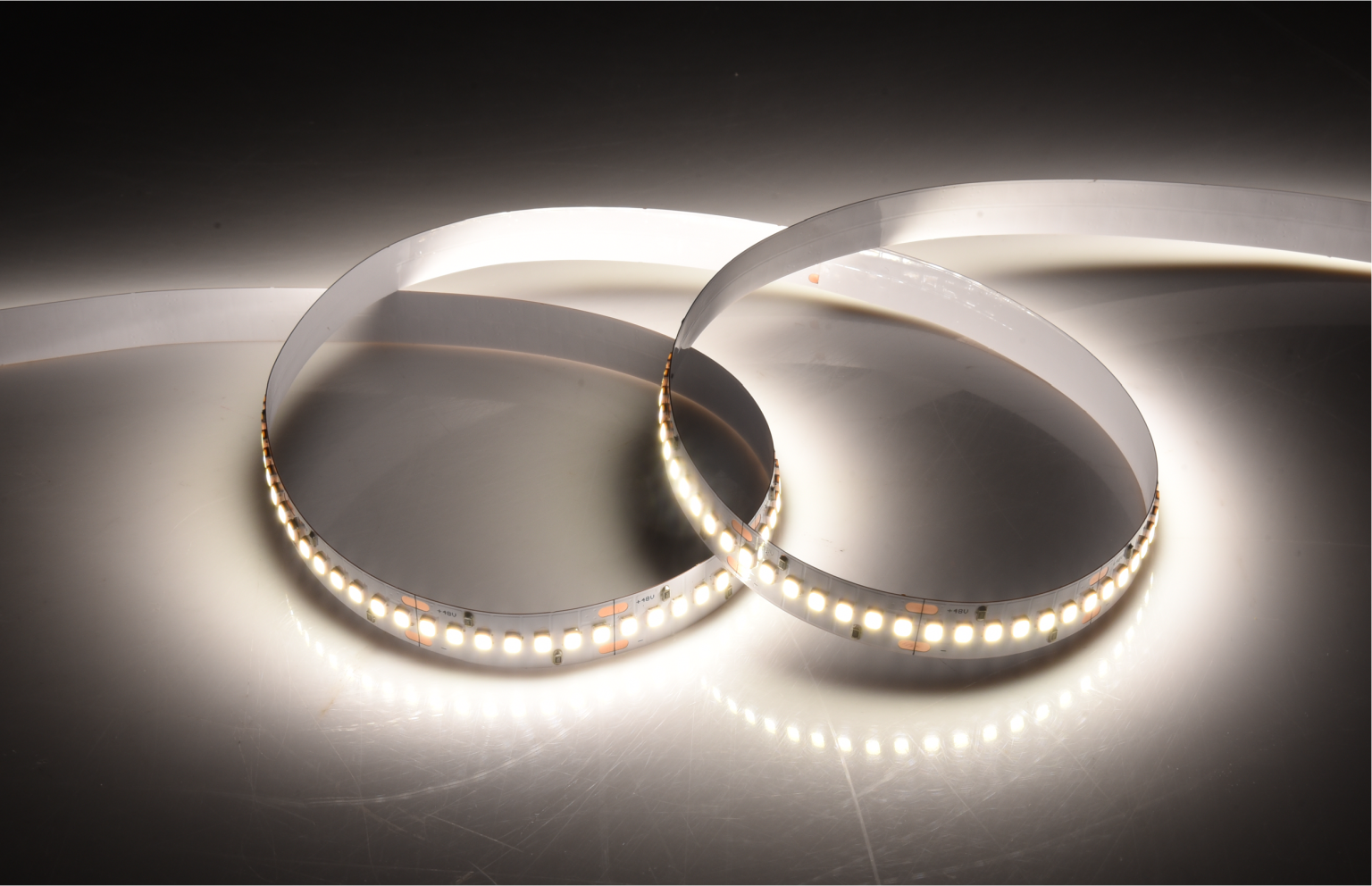
LED strip lighting can support everything from discreet cabinet illumination to long architectural lines in offices, retail environments, and residential projects. However, a successful installation depends on more than selecting a flexible light source. Buyers need to consider voltage, run length, cutting flexibility, environmental exposure, color quality, and power requirements. A clear brief also helps an LED strip supplier recommend a configuration that fits the site.
Define the Application and Installation Conditions
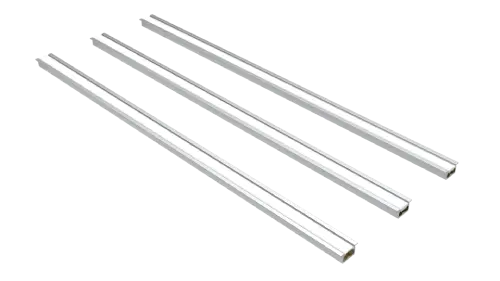
Start by identifying where the strip will be installed and what it needs to achieve. Cove lighting, shelves, display cases, ceilings, and decorative outlines have different requirements for brightness, profile dimensions, viewing angle, and mounting method. Measure the available channel or recess, note corners and changes in direction, and determine whether the strip will be visible directly or concealed behind a diffuser.
Next, assess the environment. Dry indoor locations may not require the same protection as kitchens, covered outdoor areas, or installations exposed to rain. Choosing the correct protection level helps avoid unnecessary costs while reducing moisture-related risks. Share photographs, drawings, and site conditions with your LED strip supplier so recommendations reflect the actual application.
Choose Voltage According to Run Length
Voltage is an important planning decision, particularly for long continuous installations. At the same power, a higher-voltage system draws less current than a lower-voltage system. This can help reduce voltage drop and power loss along conductors, although actual results also depend on strip design, cable size, feed points, and total load.
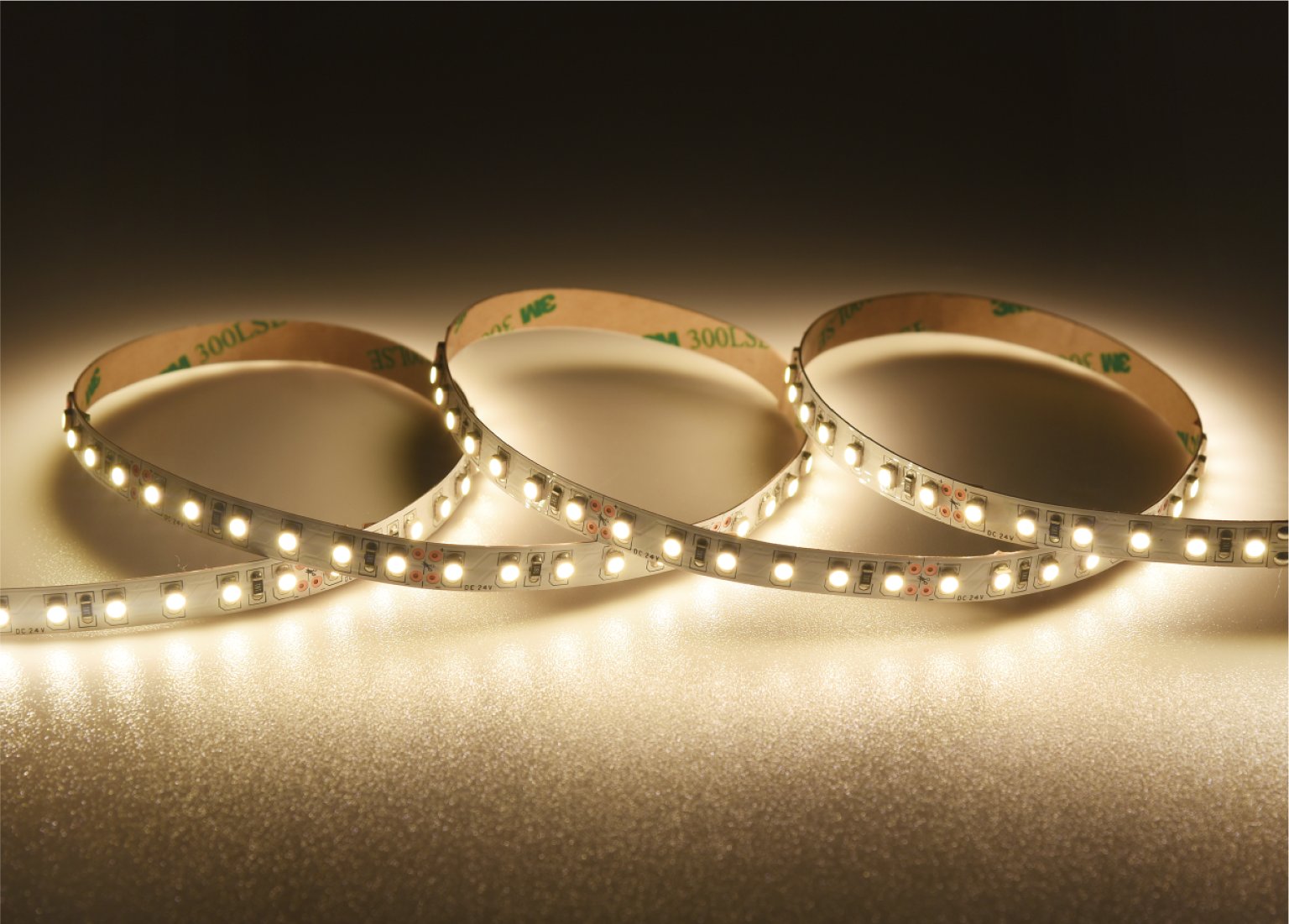
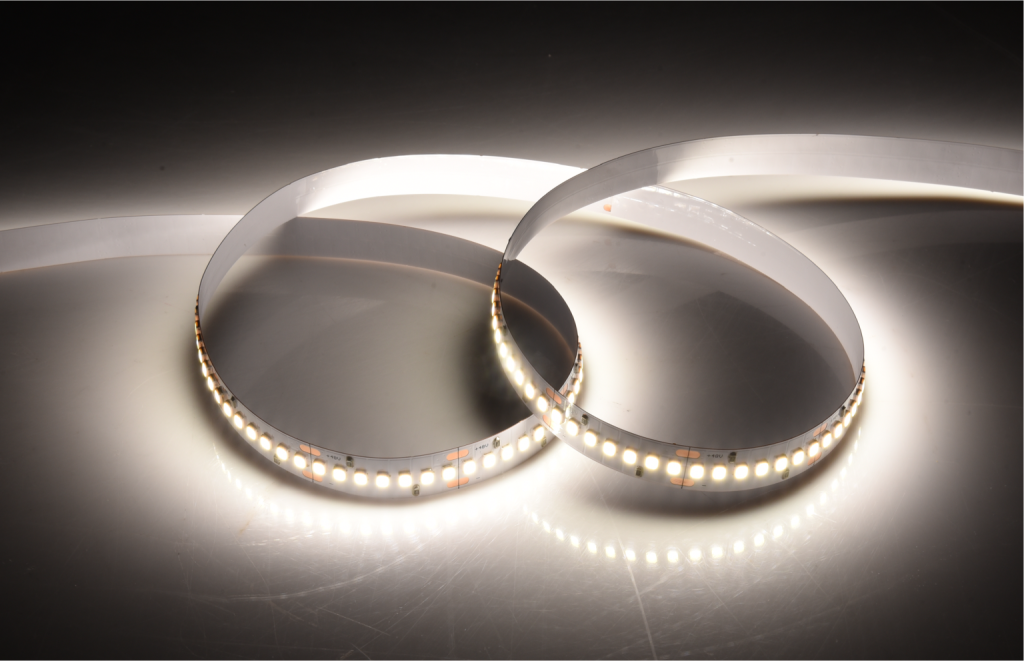
A 48 Volt LED strip lighting system can be worth considering for projects requiring longer runs and fewer interruptions. However, voltage alone should not determine the selection. Confirm the manufacturer’s maximum recommended run length, power input arrangement, and compatible driver. For complex layouts, request a wiring plan that identifies feed locations and cable routes before installation begins.
Check Cutting Intervals and Layout Flexibility
Cutting flexibility affects how efficiently a strip fits the dimensions of a project. A short cuttable interval helps installers align lighting with cabinet widths, shelf lengths, architectural details, and other fixed dimensions. It can also reduce leftover material when the layout includes different lengths.
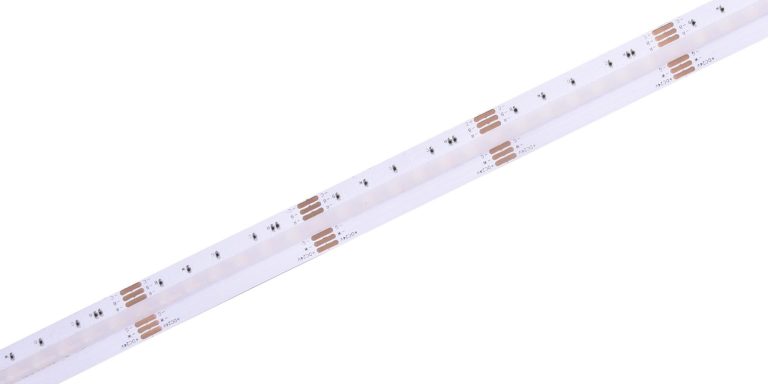
Review the printed cut marks and confirm whether field cutting affects the product warranty or waterproof protection. Sealed versions may require approved end caps, connectors, or resealing procedures after cutting. LEDIA Lighting’s 48V Series combines ultra-long-run capability with shorter cuttable intervals, helping project teams plan continuous lines while retaining installation flexibility.
Match IP Protection to the Environment
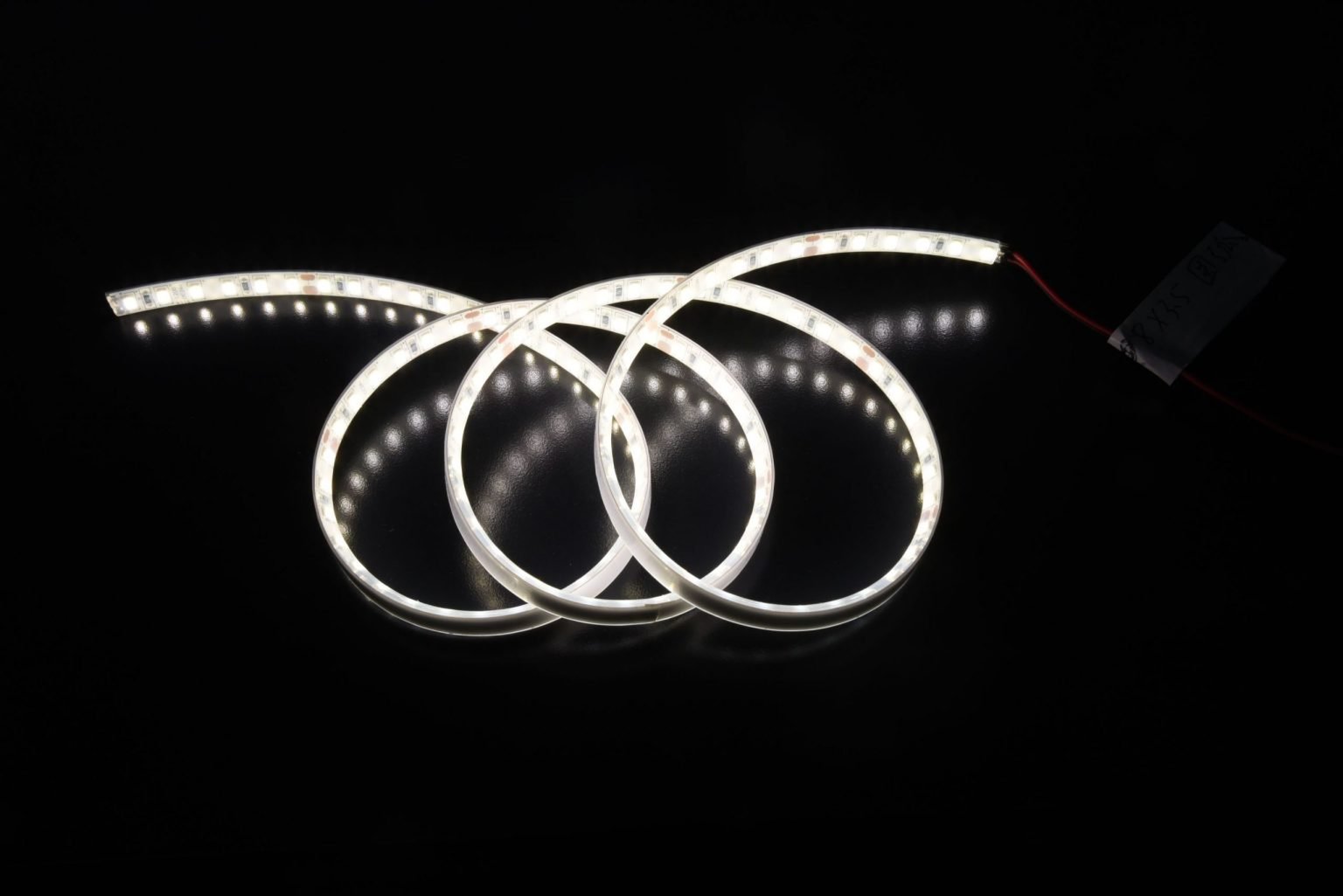
IP ratings describe protection against the ingress of solid objects and water under defined test conditions. Common strip lighting options include IP20, IP65, IP67, and IP68. The appropriate choice depends on whether the installation is dry, exposed to splashing or water jets, subject to temporary immersion, or designed for more demanding immersion conditions.
Do not assume that a higher rating automatically makes a product suitable for every outdoor or wet application. Confirm the exact product’s test scope and the manufacturer’s instructions for connectors, cut ends, power supplies, and installation. Our 48V Series offers IP20, IP65, IP67, and IP68 options, allowing buyers to specify protection according to project conditions.
Evaluate Light Quality and Service Life
Color quality influences how merchandise, finishes, and interior materials appear. Consider the required color temperature and color rendering index (CRI), especially in retail, hospitality, and residential applications where accurate color presentation matters. Our 48V Series uses LM80-certified 2835 SMD LEDs and offers CRI 80+ or 90+ options, helping buyers compare configurations against the visual priorities of each space.
Also review operating conditions, heat management, installation surfaces, and access for replacement. The series comes with a three-year warranty, but project teams should check the applicable warranty terms, including operating limits and installation requirements. Ask for product data sheets and confirm that the quoted configuration matches the intended application.
Compare Suppliers Beyond the Unit Price
A competitive quotation should make technical differences visible. Compare wattage per meter, luminous output, color consistency, cut interval, maximum run, IP option, driver requirements, accessories, lead time, and warranty. Check whether the supplier can provide samples, wiring guidance, and documentation for the exact model being quoted.
An experienced LED strip supplier should ask about the installation environment and layout before recommending a product. Provide a bill of quantities with individual run lengths, control requirements, and preferred protection levels. This makes quotations easier to compare and reduces the risk of receiving a product that does not suit the installation.
When evaluating 48 Volt LED strip lights, also ask about available power supplies and the recommended electrical configuration. A supplier that understands both product specifications and installation requirements can help identify potential compatibility issues before procurement.
Plan the Specification Before Procurement
Good LED strip planning begins with the site, not the catalogue. Define the application, measure each run, select voltage and cut intervals, confirm environmental protection, and assess color quality and power requirements. These steps help designers, contractors, and distributors avoid preventable changes during installation.
At LEDIA Lighting, we provide the 48V Series for office, residential, retail, and decorative lighting applications. Its ultra-long-run design, shorter cuttable intervals, LM80-certified 2835 SMD LEDs, multiple IP options, optional CRI levels, and three-year warranty support different project requirements. By sharing a clear specification with us, buyers can assess whether 48 Volt LED strip lights are appropriate for their intended layouts and operating conditions. Our team can also help buyers compare suitable configurations before finalizing their orders.