Choosing linear lighting too early can make a project harder than it needs to be. A product may look suitable in a catalog but create problems once the ceiling, wall, furniture, wiring, or viewing angle is considered. We prefer to begin with the space itself. A few simple questions can reveal whether the lighting should be concealed, exposed, continuous, segmented, architectural, or primarily functional before a product is selected.
What Exactly Needs to Become a Line of Light?
The first question is not which fixture to buy. It is what the project is actually trying to turn into a line of light.
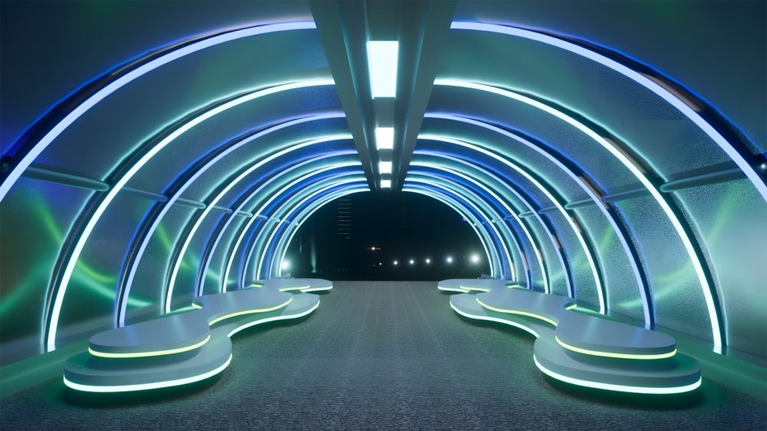
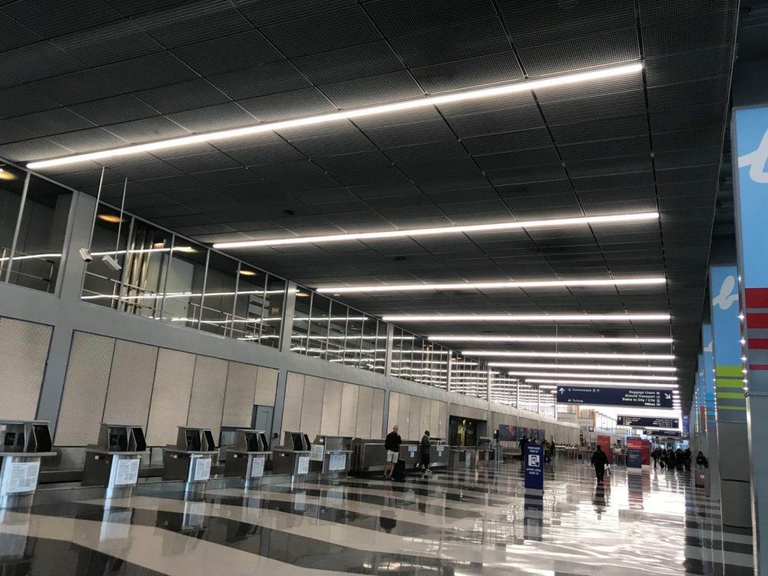
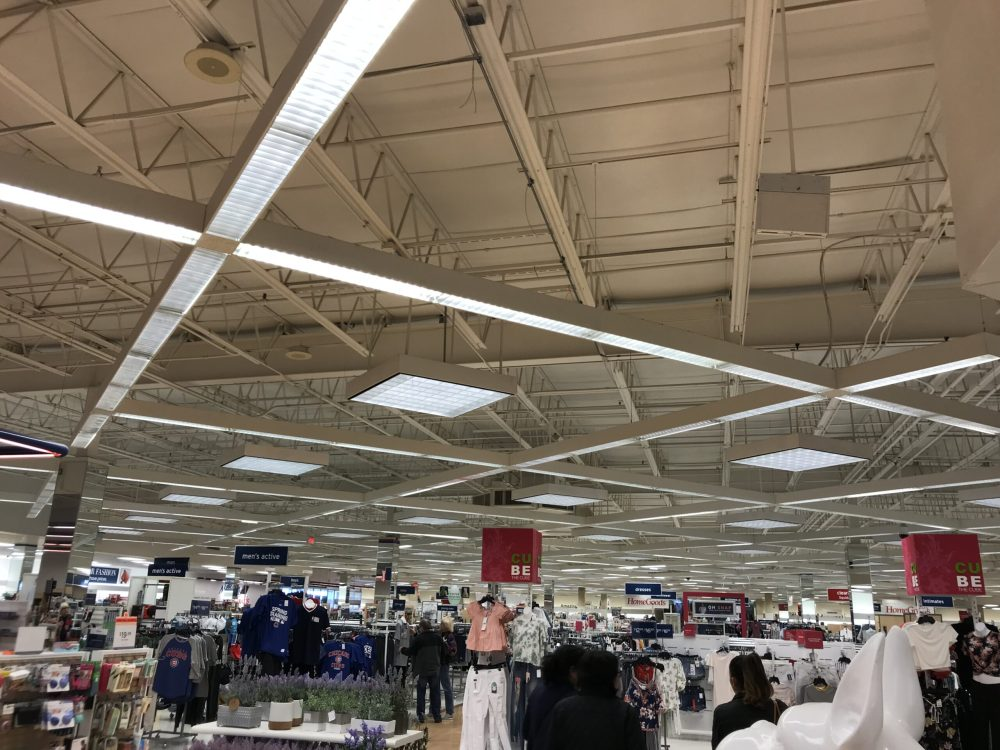
A ceiling may need a continuous architectural feature. A retail shelf may need a narrow illuminated edge. A corridor may need a long visual guide, while an office may need consistent functional illumination across a working area. These are all linear applications, but they do not necessarily require the same product.
Our process starts by mapping out the surfaces that truly need illumination. That immediately stops us from falling into the trap of picking a fixture first and trying to force it into the space later.
Where Should the Line Start, Stop, or Turn?
A line looks simple on a drawing because the drawing does not show every physical interruption. In an actual project, the route may meet a column, change direction, cross a ceiling module, stop beside a partition, or divide into separate sections.
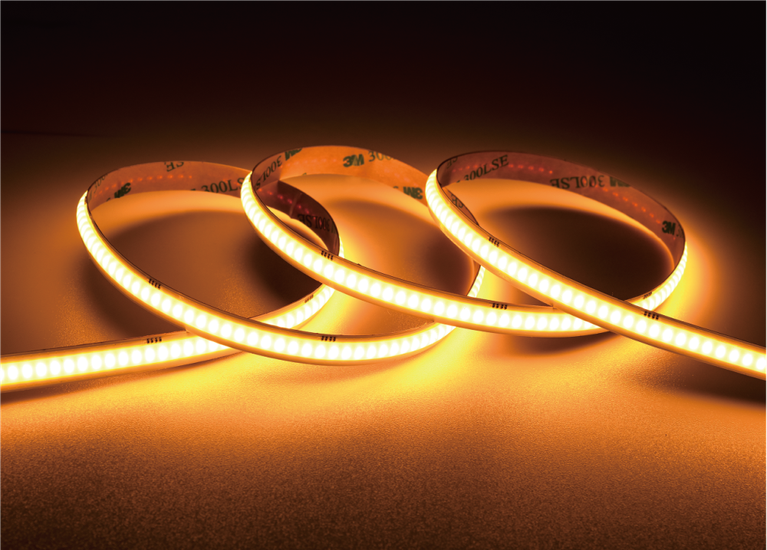
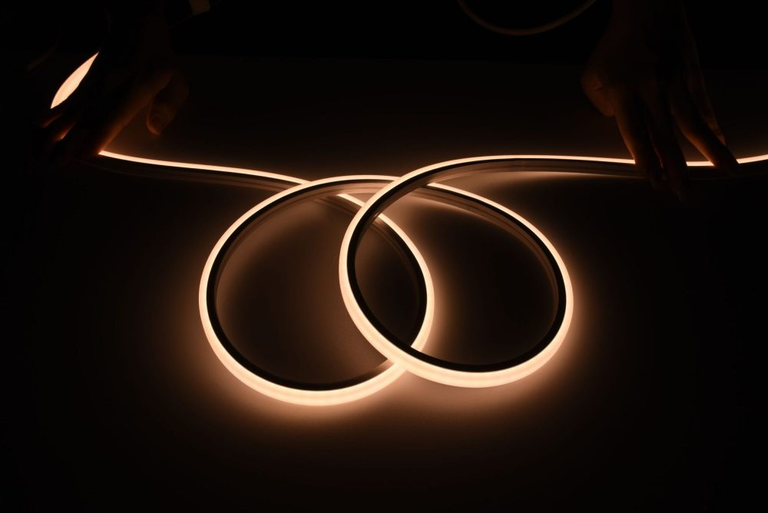
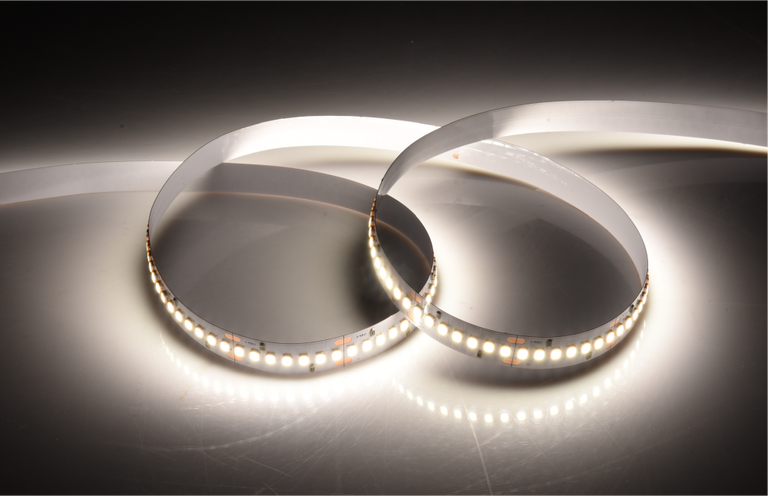
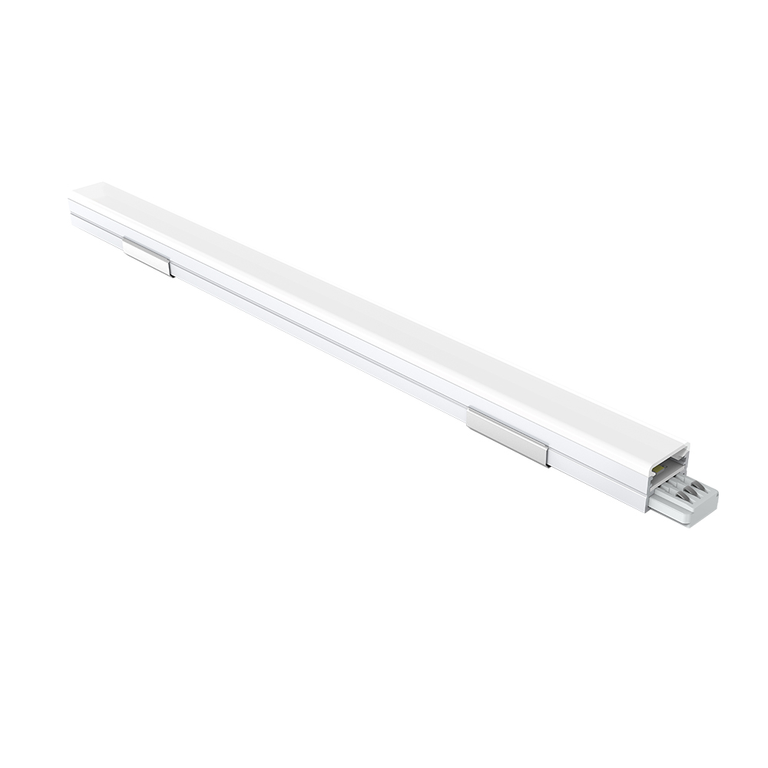
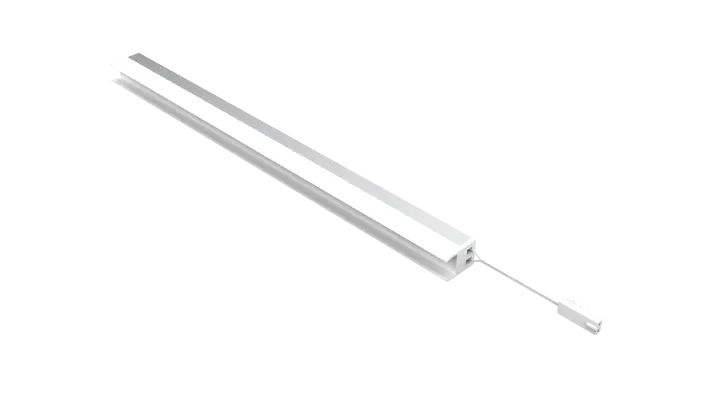
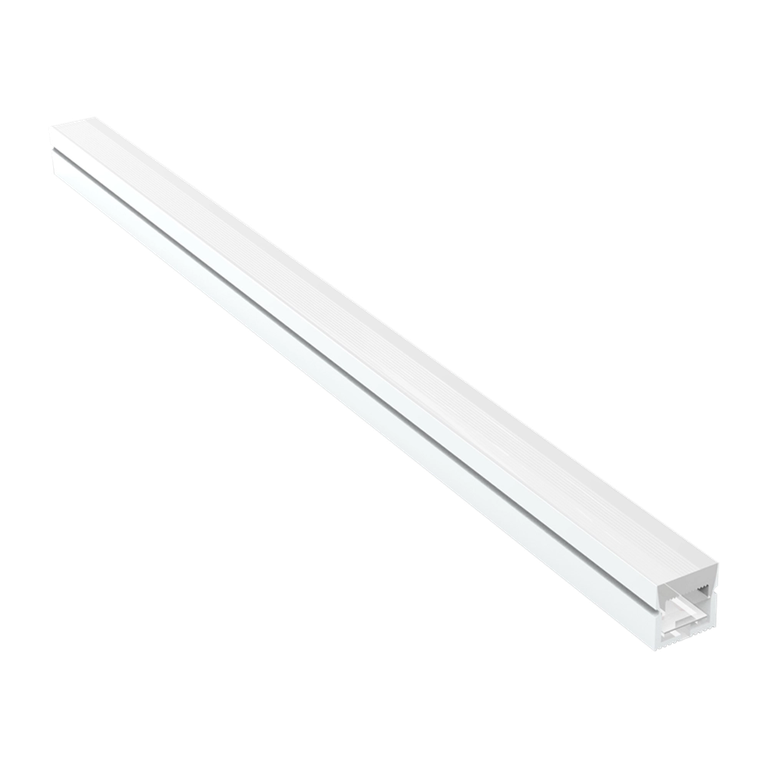
That is why we examine the complete route before fixing the product. LED linear lighting strips can provide flexibility for different layouts, but the important question is how each section connects to the next. A visually continuous line may need carefully planned breaks, connections, or separate runs to remain practical.
This is particularly important for commercial projects where several ceiling or furniture elements need to share one visual language. We would rather adjust the route early than discover during installation that the intended line cannot physically follow the architecture.
Will the Fixture Be Seen, or Only the Light?
A major difference between linear lighting projects is whether people are supposed to see the fixture itself.
Some designs deliberately expose the linear fixture as part of the interior. Others want the hardware to disappear so that occupants notice only a clean line of illumination. Recessed, concealed, surface-mounted, and suspended approaches can therefore produce very different results even when the basic lighting purpose is similar.
Our selection starts from the viewer’s position. If the source is visible, its housing, proportions, finish, and optical appearance become part of the architecture. If only the light should be visible, the installation detail becomes much more important than the appearance of the fixture in isolation.
What Has to Fit Behind the Finished Surface?
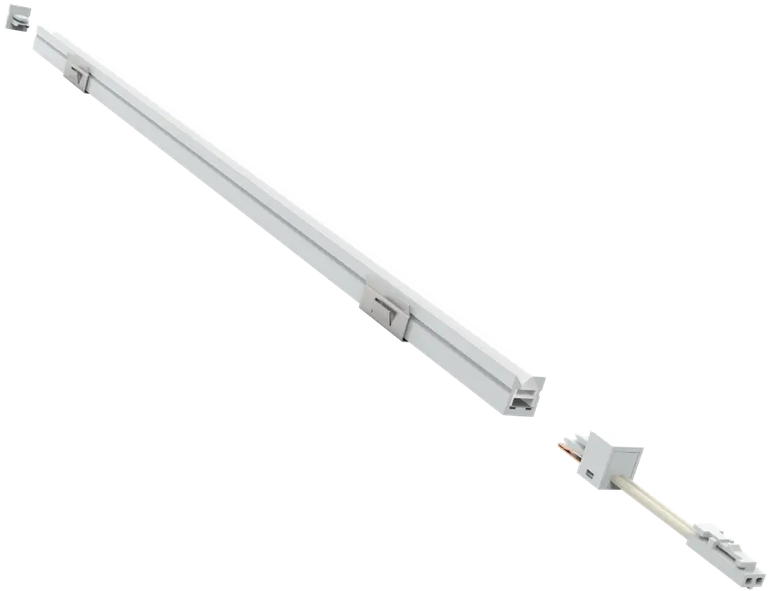
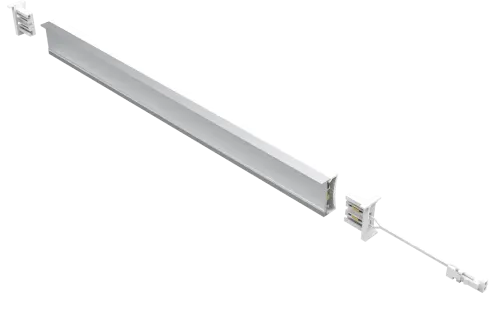
A narrow illuminated line still needs supporting components. We need to think about drivers, cables, connectors, mounting space, heat management, and access for maintenance before the surface is closed.
This is where an attractive concept can become difficult. A recess may have enough room for the visible portion of the light but not enough space for the rest of the installation. We therefore treat the complete assembly as part of the design rather than measuring only the illuminated opening.
With more than 20 production lines and rigorous testing for safety, performance, and electromagnetic compatibility, we at LEDIA Lighting know firsthand that a linear lighting product needs to do more than look good on a bench. It has to function seamlessly within the entire installation ecosystem
Can the Same Lighting Idea Survive the Real Installation?
The strongest lighting concept is one that remains practical after the drawings become construction.
Before finalizing anything, we evaluate how installers access the mounting points, where electrical tie-ins happen, how easy it is to replace a section, and whether the system remains serviceable after the interior finishes are in place. For projects with long continuous runs or multiple identical layouts, these practical checks are critical.
A reliable LED linear lighting system should therefore support the way the project is actually built. We do not want the final installation to depend on improvised connections or difficult access that was never considered during design.
Which Product Details Actually Need to Be Fixed Before Ordering?
Once the layout and installation are understood, product selection becomes much clearer. We can focus on the specifications that will genuinely affect the finished project: dimensions, light output, color temperature, color rendering, voltage, mounting method, protection requirements, control method, and the required run configuration.
At LEDIA Lighting, we provide indoor and outdoor LED lighting solutions and operates dedicated production capacity for both strip lighting and luminaires. Its company information also describes a CNAS testing laboratory and laboratories certified by UL WTDP and IECEE.
For us, those details matter because specification should follow the project rather than the other way around. We do not need to compare every available feature if only a few characteristics determine whether the lighting will fit.
Conclusion
Before choosing LED linear lighting, we believe the most useful planning exercise is to stop looking at products for a moment and look carefully at the project. Identify what needs to become a line of light, determine where that line must travel, decide whether the hardware should be visible, reserve space for the complete installation, and test whether the concept can actually be built and maintained.
Only then should LED linear lighting strips and an LED linear lighting system be evaluated against the project. LEDIA Lighting takes this approach because good linear lighting is not simply about selecting an appropriate fixture. It is about making sure the light, architecture, installation, and long-term use all agree before the order is placed.