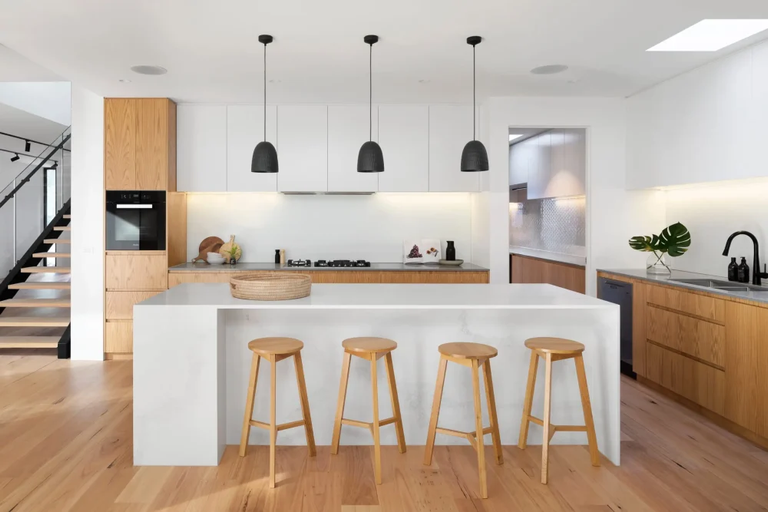
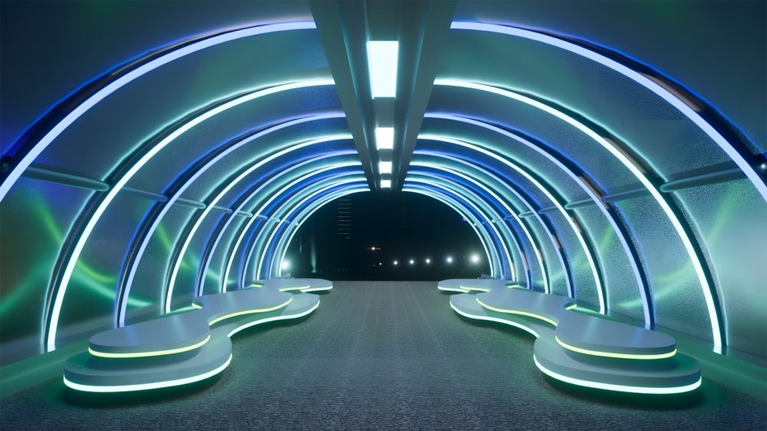
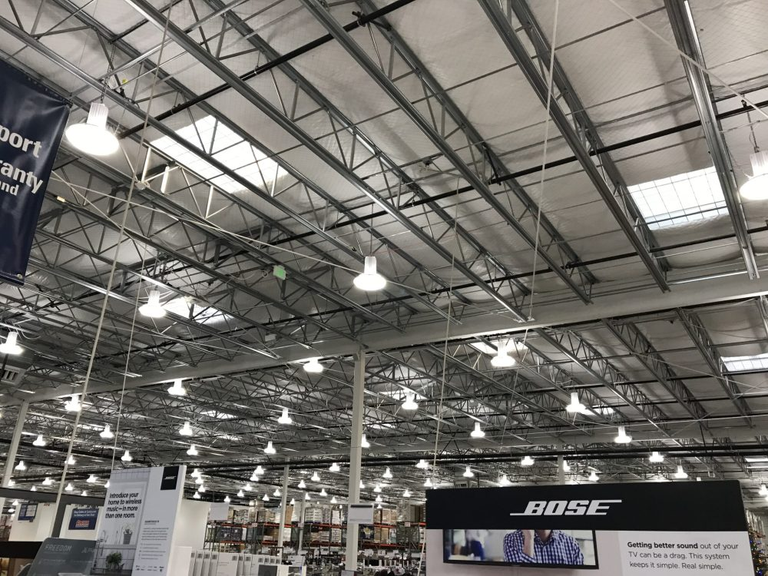
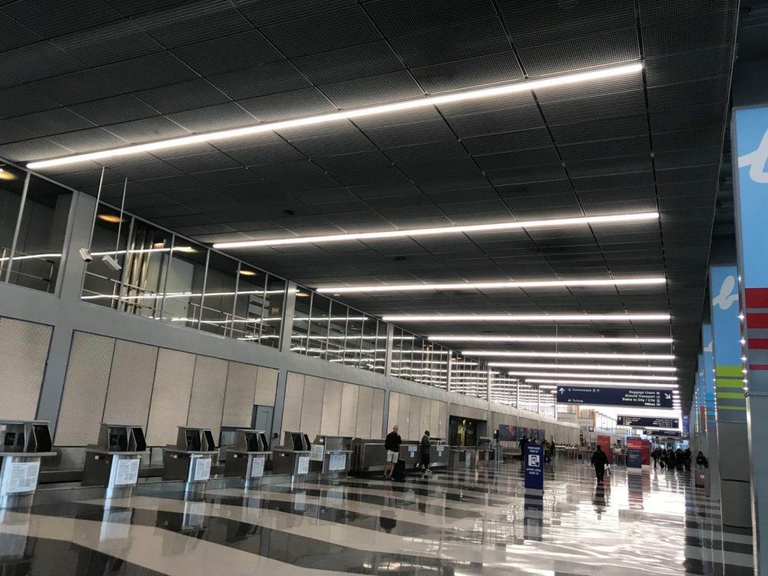
Aluminum LED lighting can take very different forms depending on where it is installed. A cabinet shelf, retail display, reception desk, and commercial ceiling may all require a linear light source, but the construction around that source is rarely identical.
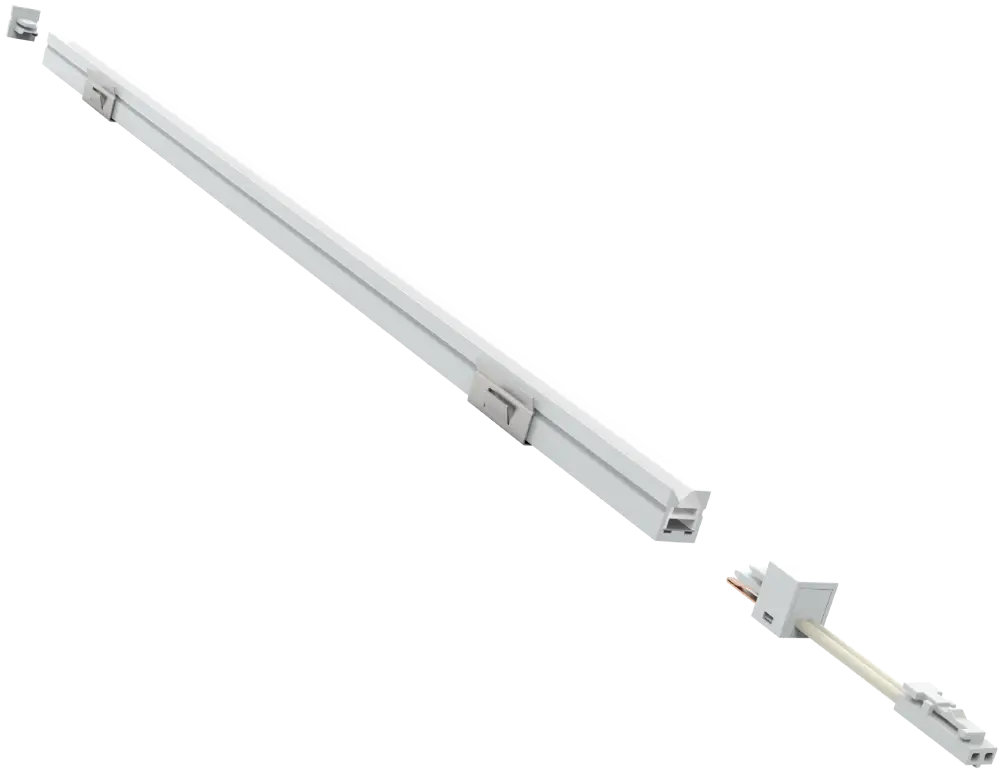
When tackling these projects, we separate the lighting goals from hardware choices. The core challenge isn’t selecting an aluminum LED product—it is defining the light’s exact position, its physical integration with surrounding elements, and whether to deploy a strip-based build or a finished fixture.
Furniture Lighting Starts With the Construction Detail
Furniture creates unusually specific conditions for lighting. Available space may be limited, the light source may need to remain concealed, and the finished component often has to align precisely with cabinetry or millwork.
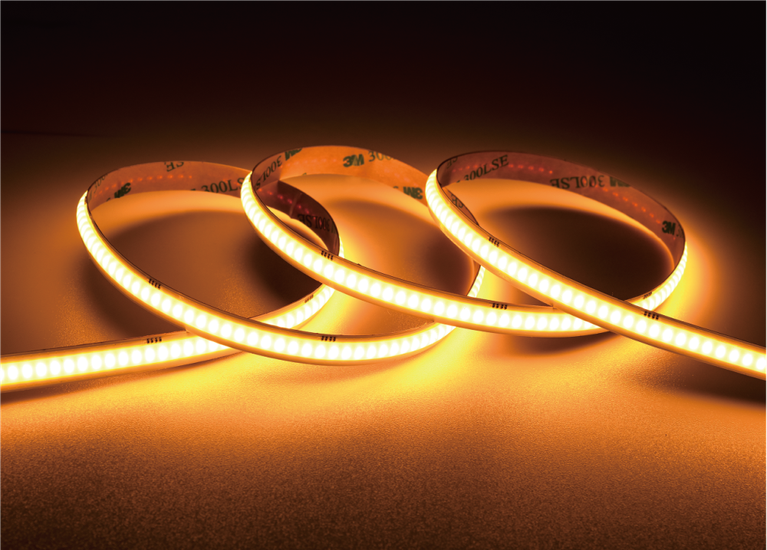
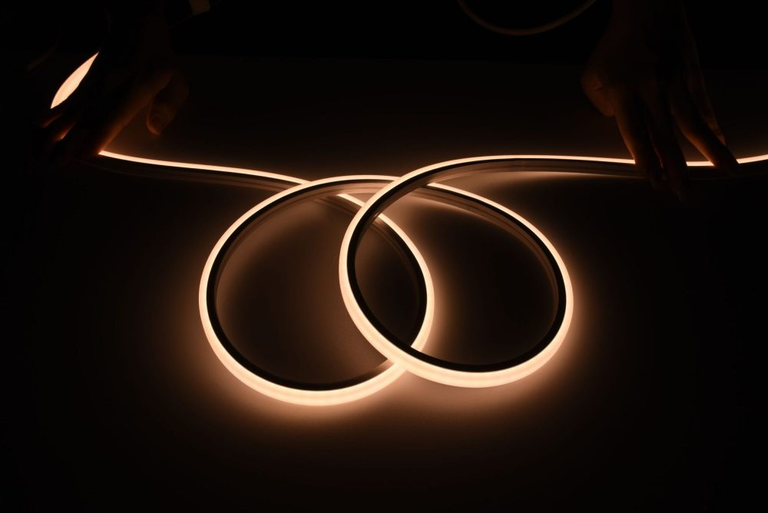
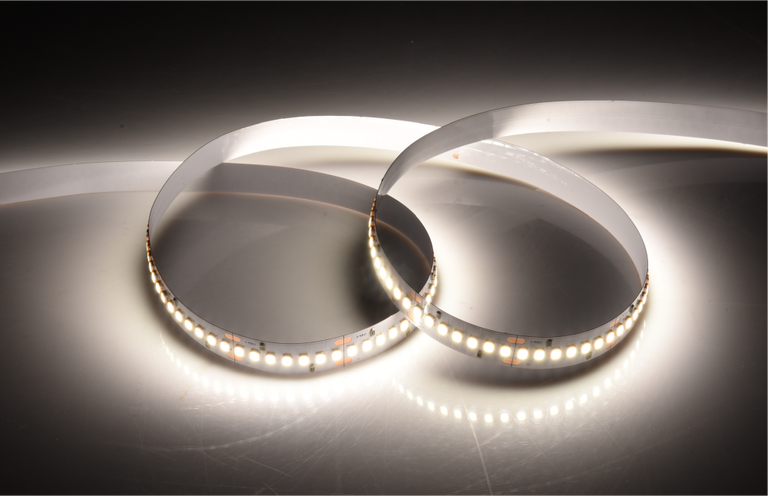
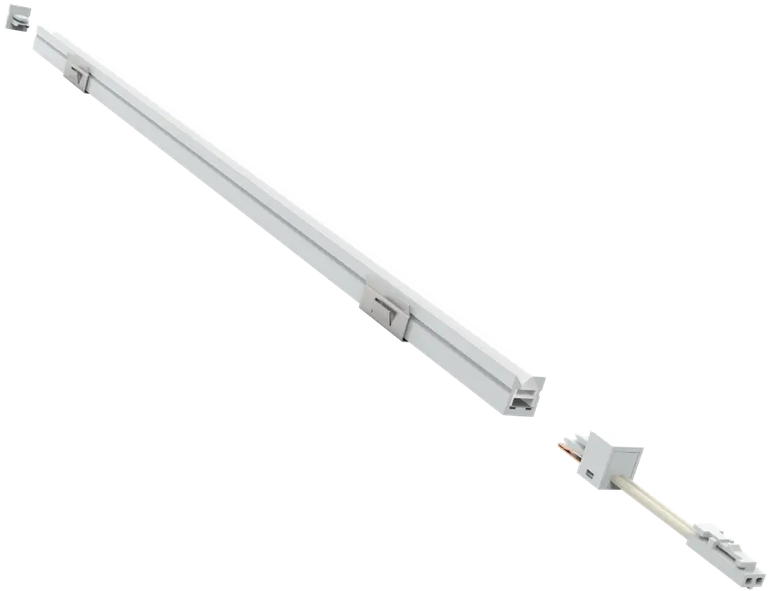
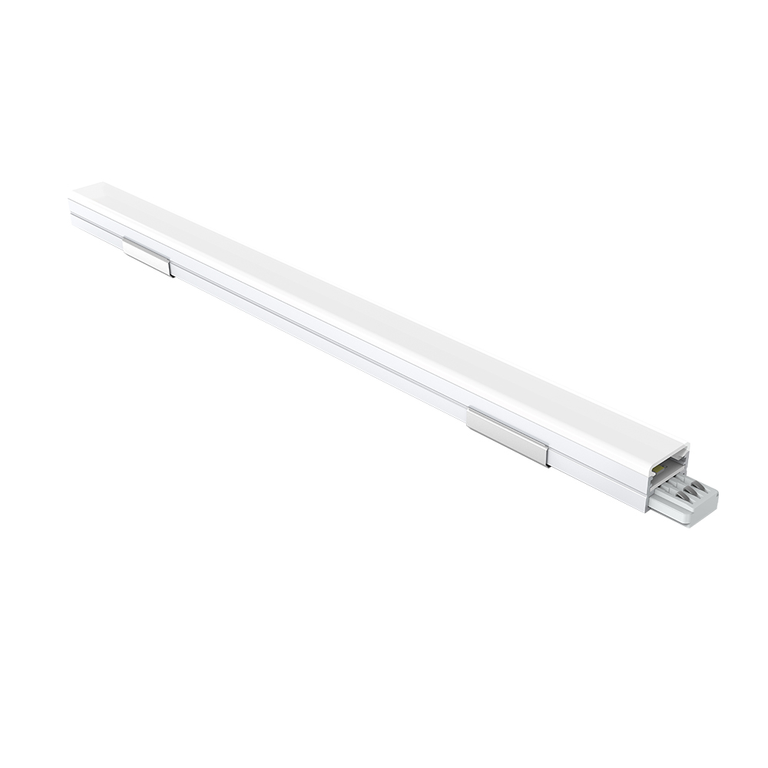
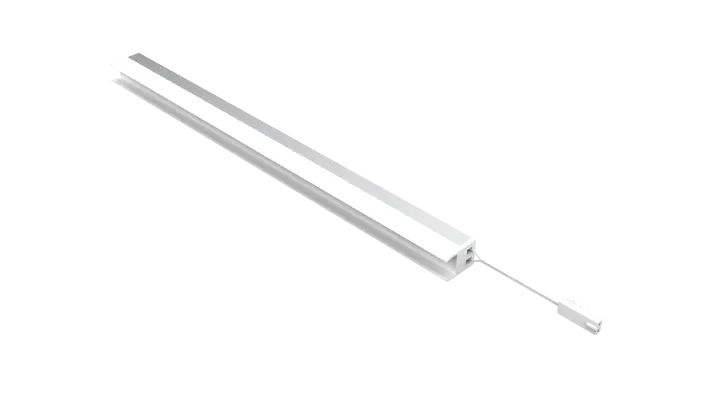
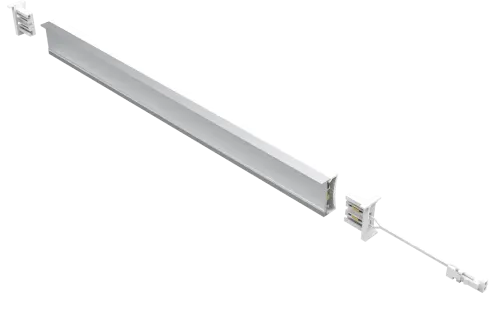
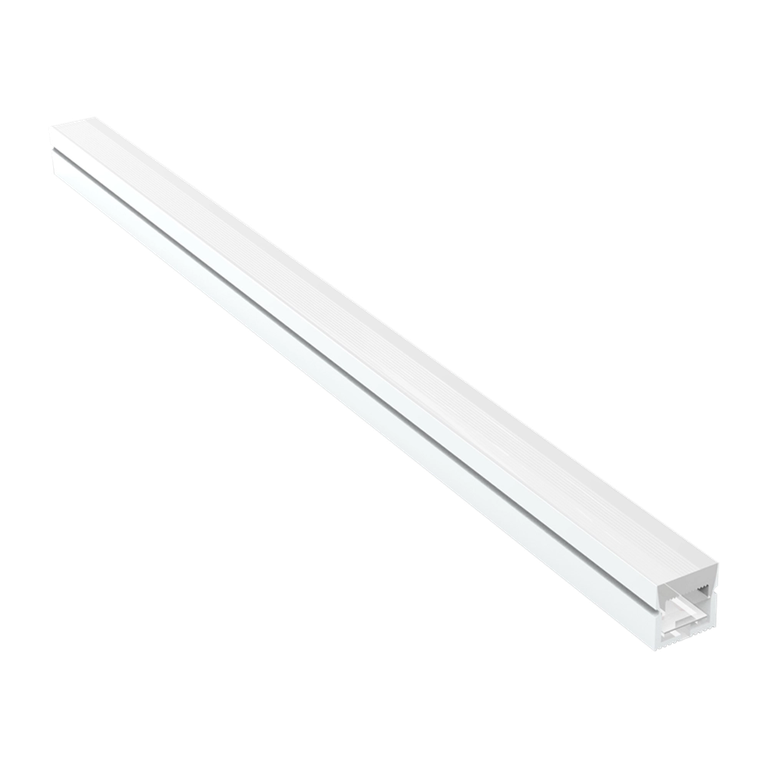
Our furniture lighting range includes built-in aluminum profile strip lights alongside built-in silicone light products. The current furniture category lists F01, F02, and F03 aluminum profile strip light models, showing that furniture-oriented solutions can be developed as dedicated components rather than simply adapting a general-purpose light.
For LED light strips for furniture, the physical relationship between the lighting and the furniture is therefore central. A profile can provide a defined location for the strip and diffuser while giving the fabricator a clearer installation detail.
Cabinets and Shelves Need a More Integrated Solution
Cabinet interiors and shelves usually require the light to work within an existing piece of joinery. A bulky fixture can interfere with storage space or become visually distracting, while an exposed strip can produce an unfinished appearance.
Before determining how to integrate the lighting, we evaluate shelf thickness, available recess depth, viewing angles, and the target direction of illumination. Our goal goes beyond simply tucking LEDs inside a cabinet—we aim to fuse the illuminated element directly into the overall construction.
Retail displays introduce another variation. Merchandise may need focused illumination, while the lighting hardware itself should remain visually secondary. A profile-based system can help establish a consistent relationship between the LED source, diffuser, and display surface.
For LED light strips for furniture, this integration is especially relevant in commercial joinery, where multiple cabinets or shelves may need to follow the same lighting detail. Standardizing the physical installation can make repeated elements easier to coordinate during fabrication.
When the Lighting Moves Beyond the Furniture
Not every linear lighting requirement belongs inside furniture. Reception areas, offices, retail interiors, warehouses, and other commercial spaces can require longer, more independent lighting systems.
LEDIA Lighting’s broader product portfolio includes linear lighting for commercial and industrial environments, with surface-mounted, recessed, and suspended formats described across its linear lighting range.
The distinction becomes practical at the project level. Furniture lighting generally has to conform to an existing object or joinery detail. Larger architectural installations may instead need the lighting to establish a continuous line across a ceiling, wall, workspace, or circulation area.
That difference affects how the system is mounted, connected, serviced, and coordinated with the building. A lighting solution designed as an independent fixture does not have to compete for the same limited space found inside a cabinet.
A Fixture Makes Sense When the Light Has Its Own Role
A dedicated linear fixture becomes more appropriate when the lighting itself is an architectural or functional element rather than a component hidden within furniture.
Our linear LED fixtures cover applications where the fixture needs to provide a defined lighting form. From office and suspended linear lights to tri-proof and highbay options, LEDIA offers a varied range of linear products engineered to suit a wide spectrum of operating environments.
Installation requirements can also influence the decision. LEDIA’s published information describes plug-and-play linear fixtures with pre-wired connectors, modular connections, and mounting components intended to simplify installation.
That approach can be useful for projects where contractors are installing repeated fixtures across a larger area. Instead of constructing each light from separate components, the fixture becomes a more defined unit within the installation workflow.
How We Match the Format to the Application
We normally begin by asking what the light is physically expected to do.
If it needs to disappear into a cabinet or shelf, a furniture-oriented profile or integrated strip solution may be appropriate. If it needs to illuminate a long commercial area, a dedicated linear fixture may provide a more suitable installation format.
Mounting also changes the decision. Recessed furniture lighting depends heavily on the dimensions of the joinery, whereas suspended or surface-mounted systems can be coordinated with the architecture independently. LEDIA’s linear lighting guide distinguishes these installation formats because their construction and visual results are different.
Electrical configuration, required length, maintenance access, and the level of customization should then be considered. We avoid choosing a product simply because it is labeled “linear.” The application should determine the format.
One Lighting Category Does Not Fit Every Project
Aluminum-based lighting becomes more useful when its role is clearly defined. Furniture requires compact integration and coordination with joinery. Displays may prioritize controlled illumination and concealment. Larger commercial spaces can require complete linear systems with their own mounting and connection methods.
That is why linear LED fixtures and furniture-oriented strip solutions should not be viewed as interchangeable products. They can both create linear illumination, but they solve different installation problems.
At LEDIA Lighting, we use the application as the starting point, then consider the physical construction, mounting arrangement, optical requirement, and project workflow. This keeps product selection connected to what the installer, fabricator, and end user actually need.
Integrating light strips for furniture works best when planned right into the joinery design rather than added after fabrication. For larger spaces, utilizing a dedicated linear system often ensures a much smoother transition from specification to final installation.
The important distinction is therefore not aluminum versus another material, or strip versus fixture in isolation. It is whether the selected lighting format belongs in the application. Once that question is answered first, the product choice becomes considerably more straightforward.