A building facade communicates a property’s identity after dark, helps visitors recognize entrances, and shapes how a commercial site appears. For developers, architects, lighting designers, and contractors, choosing a system means balancing visual impact, installation conditions, operating costs, and maintenance. A structured comparison reduces the risk of choosing equipment based on appearance or price alone. For commercial LED lighting solutions, context matters.
Start with the Building and the Lighting Objective
Before comparing products, define what the lighting needs to achieve. A hotel may need a calm wash across textured walls, while an office tower may benefit from emphasizing vertical lines or selected architectural details. Retail and mixed-use developments often need a recognizable nighttime identity without excessive brightness or glare.
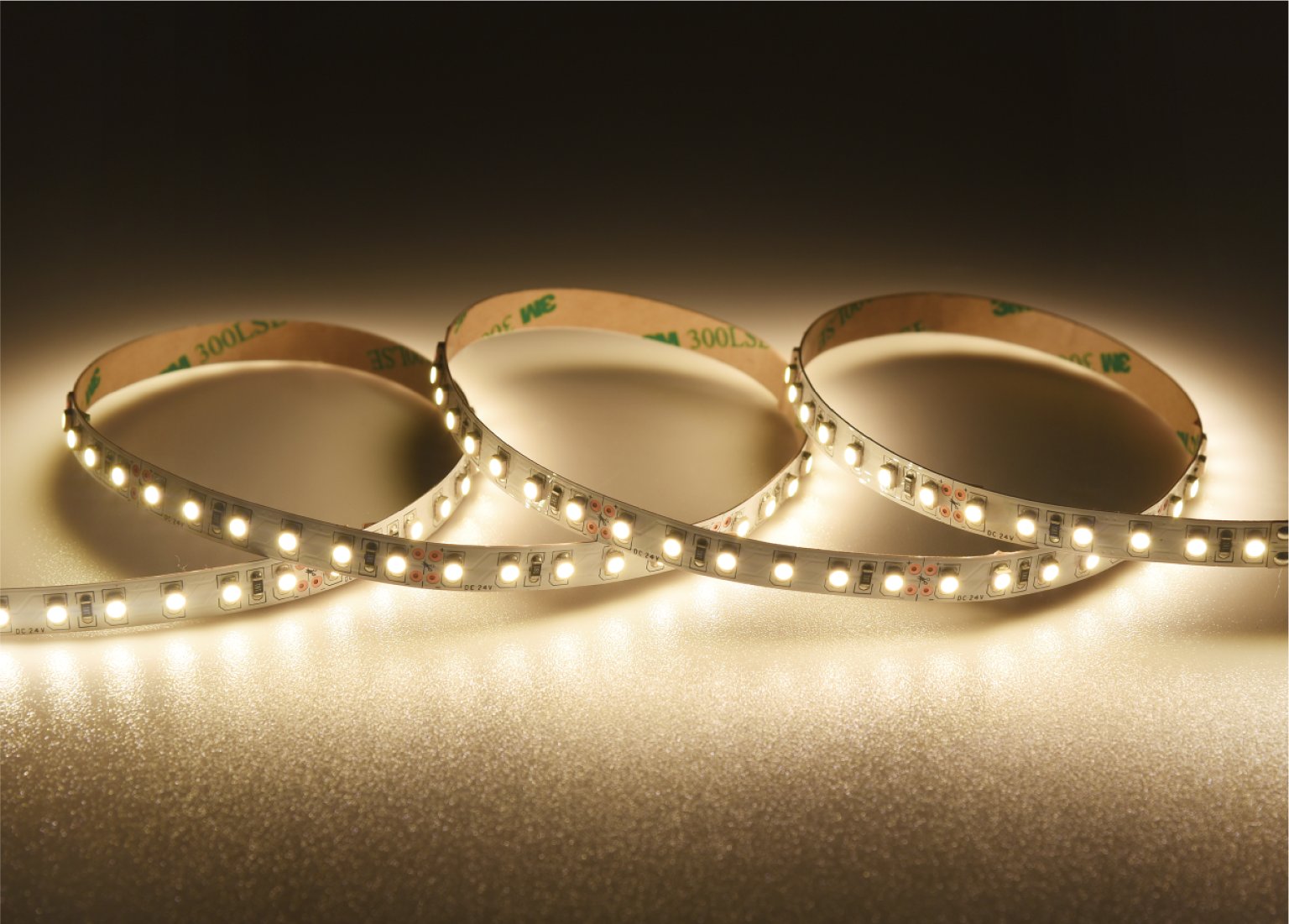
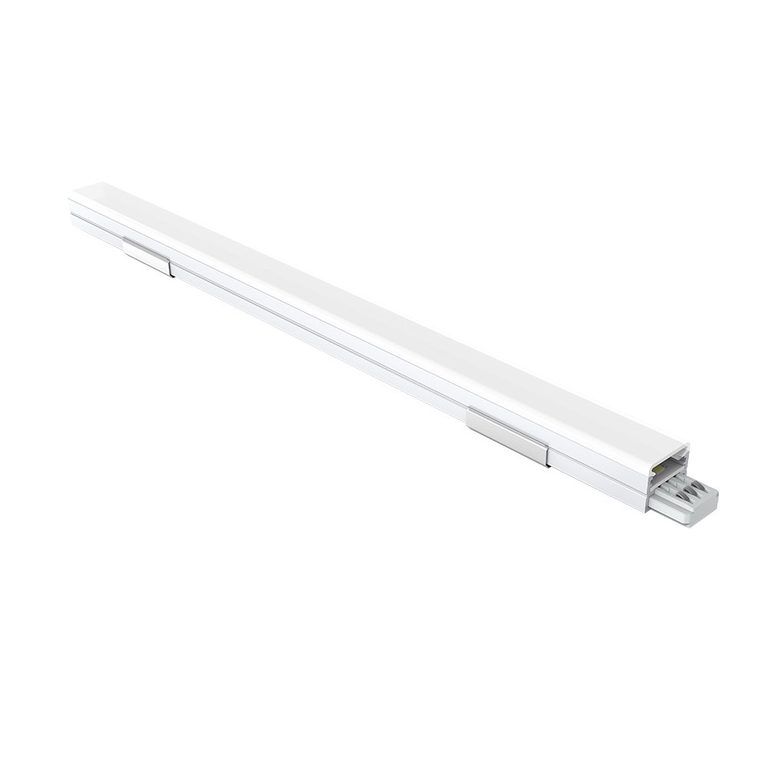
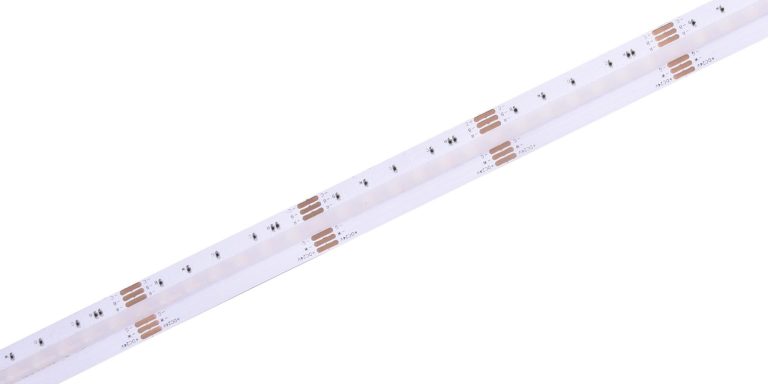
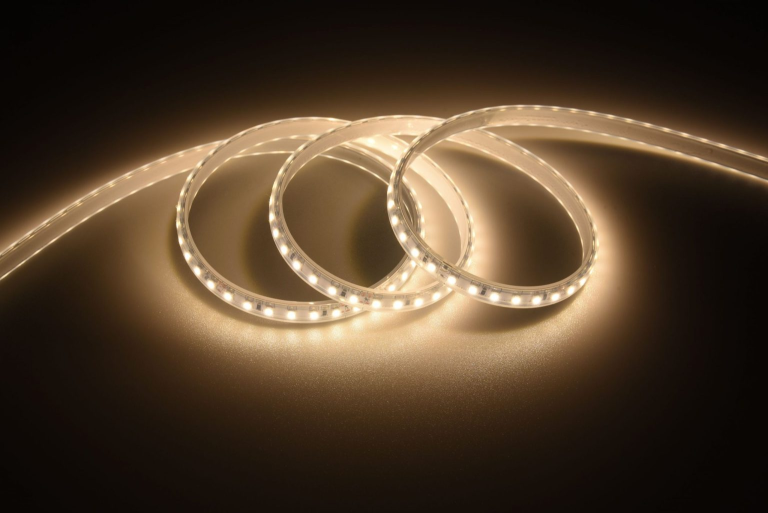
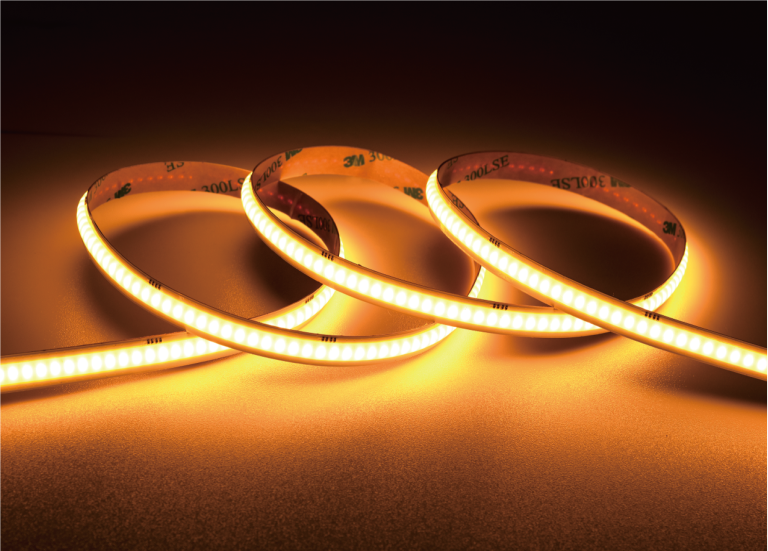
Review elevations and identify viewing distances, roads, windows, landscape features, and areas where light should be controlled. This helps determine whether the design calls for linear illumination, narrow accents, grazing, or broader wall washing. It also clarifies where LED strip light projects may be suitable and where a dedicated outdoor fixture is more practical.
Compare Light Distribution, Not Just Brightness
Lumens and wattage are useful starting points, but they do not show how evenly light will fall across a facade. Beam angle, mounting distance, fixture orientation, optical design, and surface texture all affect the result. A narrow beam can emphasize columns or edges; a wider distribution can create a more even wash, provided the fixture is positioned correctly.
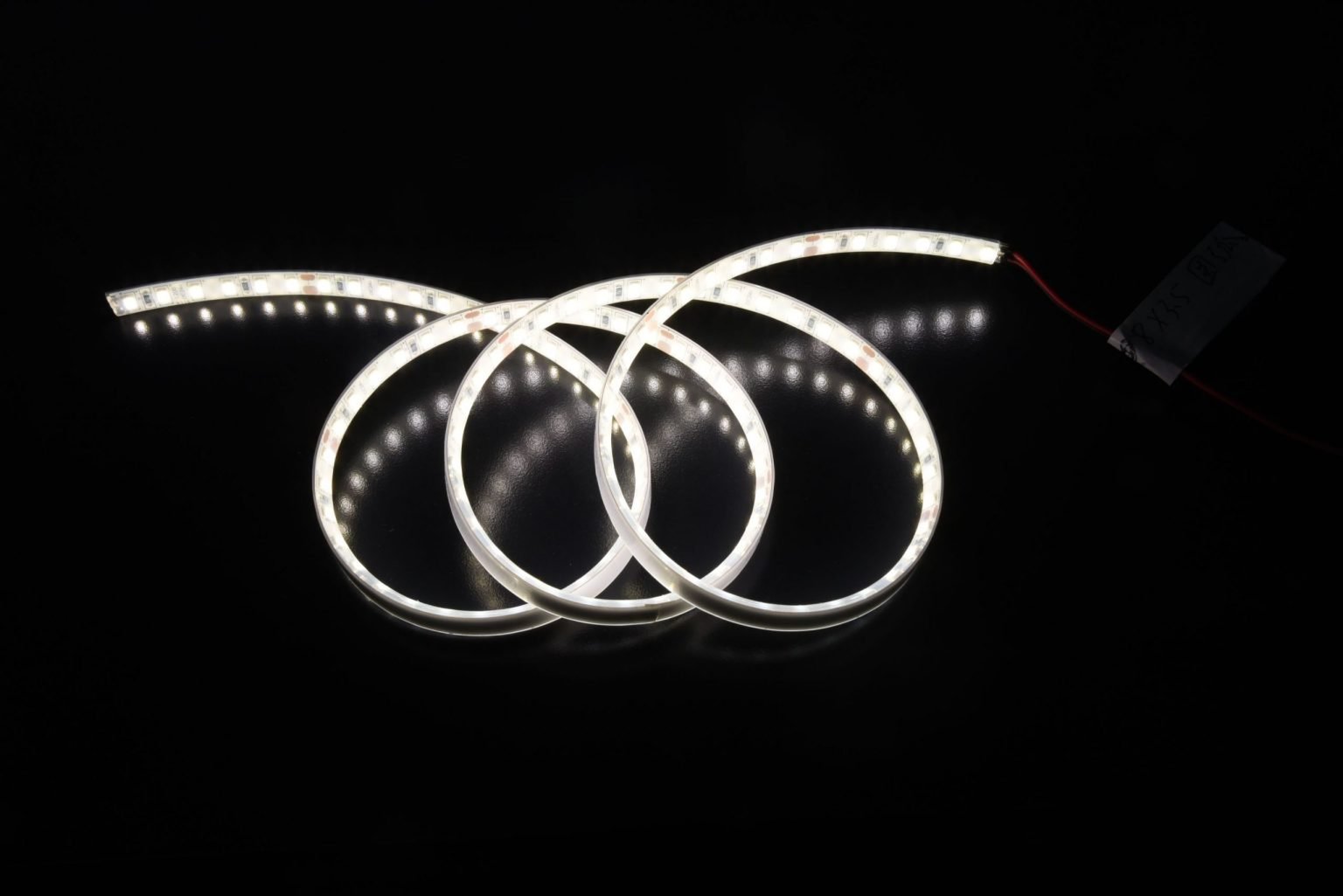
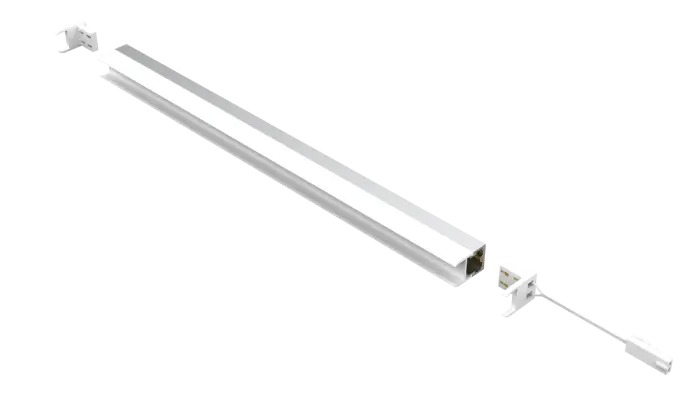
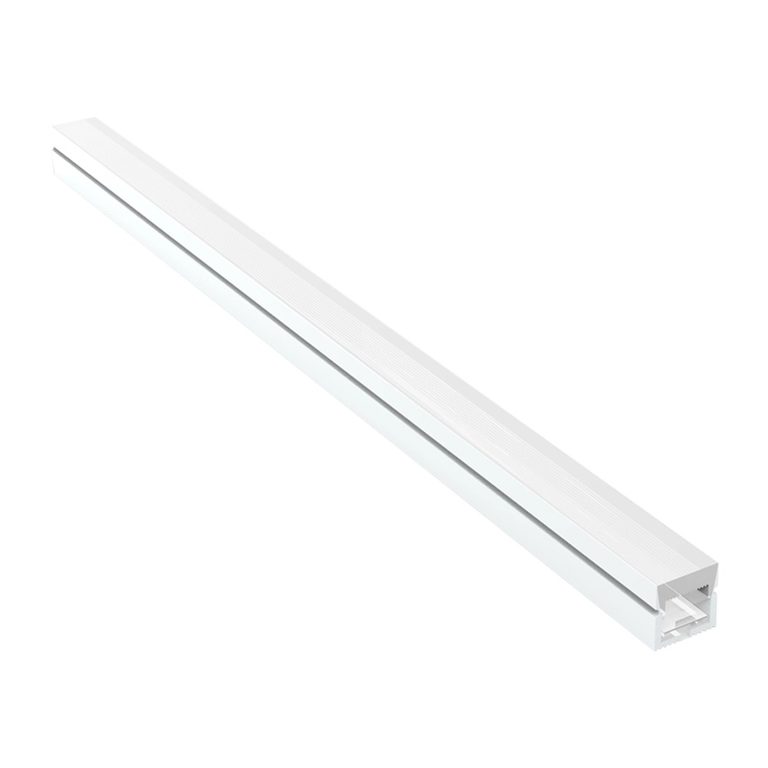
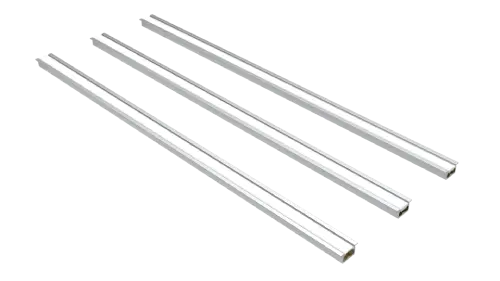
Ask suppliers for photometric files, such as IES or LDT data, for lighting calculations or mock-ups. Compare uniformity, spill light, glare, and dark patches—not simply the highest lumen output. For LED strip light projects, also check whether the strip will be visible directly, whether a profile or diffuser is needed, and how the installation will maintain a consistent line.
Check Outdoor Protection and Installation Conditions
Facade equipment is exposed to rain, dust, temperature changes, sunlight, and sometimes coastal air or industrial pollutants. Compare the stated IP rating against the actual exposure and applicable project requirements. An IP rating describes protection against ingress; it does not, by itself, establish resistance to corrosion, UV exposure, impact, or every outdoor condition.
Review connectors, power supplies, cable entries, end caps, and junction boxes. A protected light source can still fail if water enters at a connection. Check operating temperature, heat dissipation, mounting hardware, drainage, and replacement access, especially for tall buildings.
Evaluate Color, Controls, and Visual Consistency
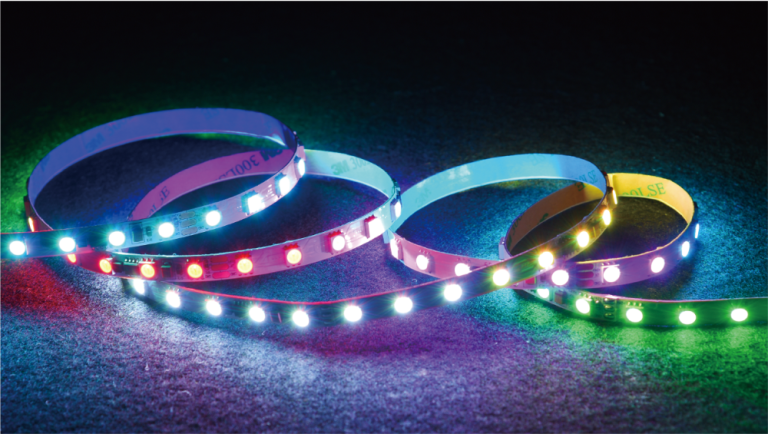
Color temperature should support the building’s materials and intended character. Warm white can complement brick, stone, and hospitality environments, while neutral or cool white may suit glass, metal, and contemporary commercial architecture. For color-changing schemes, confirm the control protocol, programming requirements, and whether the owner actually needs dynamic effects.
Compare color consistency across fixtures and production batches. Ask about color tolerance, dimming, flicker, and control-system compatibility. For multiple lighting zones, establish how each will be addressed, scheduled, and maintained. Good commercial LED lighting solutions should achieve the visual result without unnecessary control complexity.
Compare Total Project Cost and Maintenance
The lowest purchase price does not always produce the lowest project cost. Compare fixture pricing alongside drivers, profiles, brackets, wiring, installation labor, access equipment, controls, commissioning, and expected maintenance. A product that is difficult to reach or replace can create substantial costs over the building’s service life.
Request warranty terms covering the light source, driver, and accessories. Ask suppliers to explain their testing procedures and provide product documentation. For LED strip light projects, consider whether cut lengths, connectors, power-feed distances, and replacement sections are practical for the facade layout. A sample installation can reveal issues that drawings may not show.
Match the Supplier to the Project Requirements
A capable supplier should be able to discuss more than a product catalogue. Evaluate manufacturing consistency, technical support, customization capability, documentation, and experience with comparable installation conditions. Certifications also matter: check the exact certificate, product scope, destination-market requirements, and whether the supplied model is covered. Do not assume that one certificate applies to every product in a range.
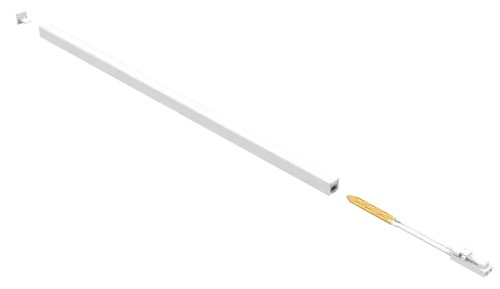
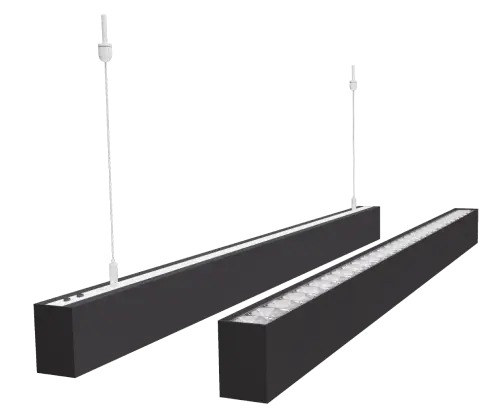
As a professional LED linear light manufacturer, we at LEDIA Lighting provide strip lights, linear fixtures, cabinet lights, high-bay lights, and tri-proof lighting for indoor and outdoor applications. Our products are supported by recognized certifications, including China CCC and US UL/ETL certification for applicable products. We also offer customization to address different project and installation requirements, helping buyers assess commercial LED lighting solutions against their actual specifications.
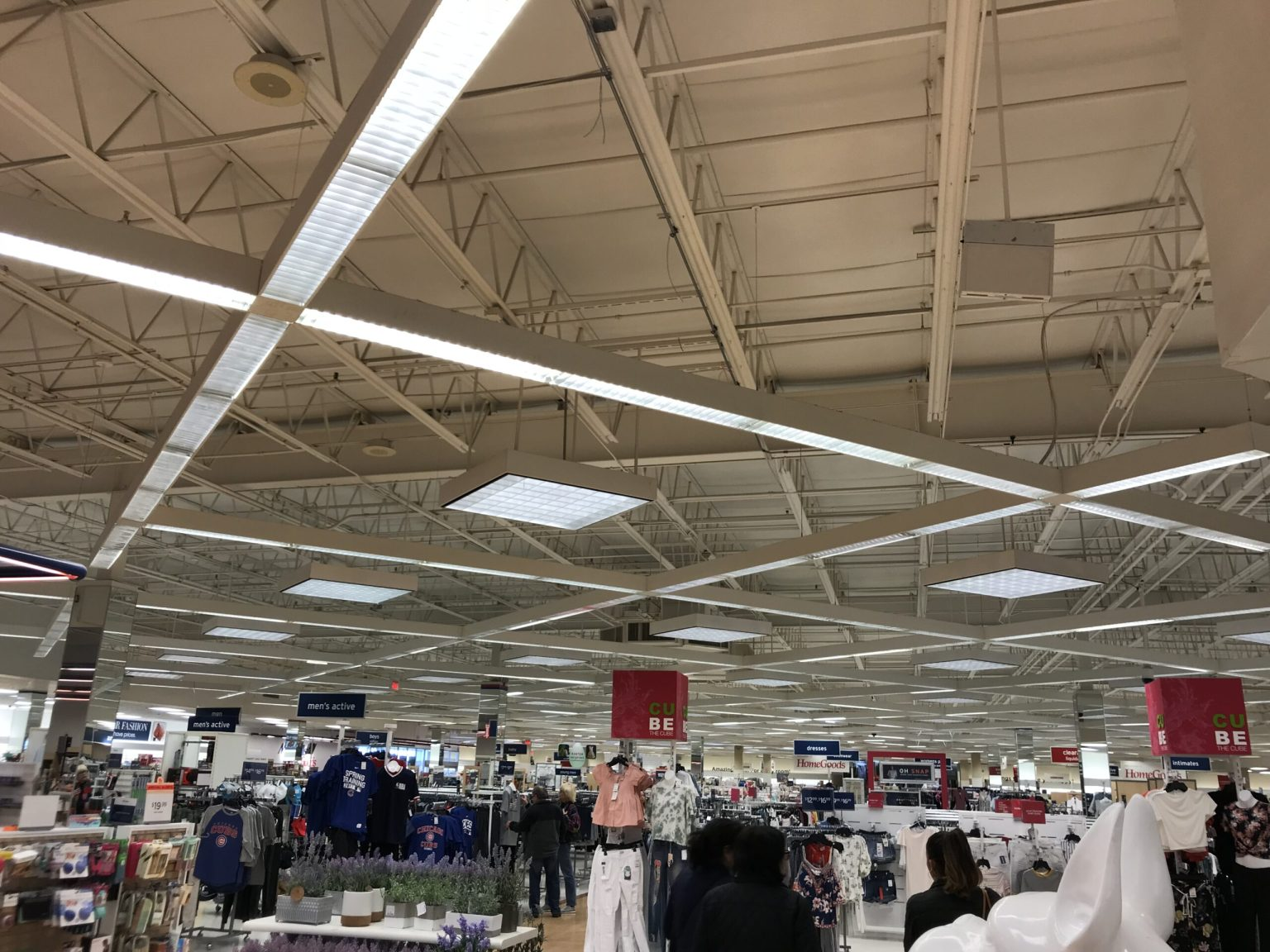
A useful reference is our linear fixture project in a supermarket. Although indoors, the project illustrates the importance of matching lighting selection to the space, installation arrangement, and intended illumination. Exterior work requires the same discipline, with added attention to weather exposure and access.
Make the Comparison Before You Specify
A reliable facade-lighting decision starts with the building, then compares optical performance, environmental protection, installation details, controls, lifecycle cost, and supplier capability. Put the same criteria and documentation requirements to every bidder so that proposals can be assessed fairly.
For project teams planning LED strip light projects, a sample section and a coordinated review between the designer, installer, and supplier can resolve practical questions before procurement. Use this checklist to compare commercial LED lighting solutions. Project stakeholders can then choose a system that supports the architecture and remains manageable throughout its operating life.