Indoor linear lighting is easier to understand when it is viewed as a lighting method rather than a single product type. The basic idea is to create a long, continuous source of illumination instead of relying only on individual downlights or conventional fixtures.
https://www.ledialighting.com/about-us/https://www.ledialighting.com/about-us/
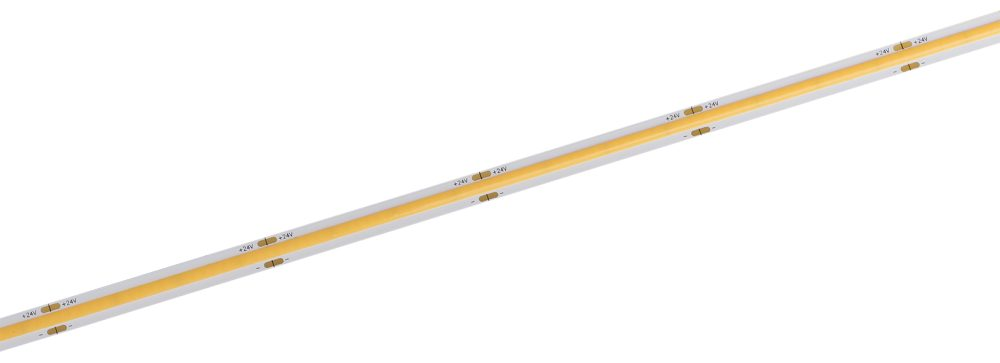
That makes it useful for many modern interiors. A linear light can illuminate a work surface, define a ceiling detail, brighten a cabinet, emphasize a wall, or provide general illumination across a larger area. LEDIA Lighting develops both strip-based and fixture-based linear lighting solutions for indoor applications, covering different installation approaches and project requirements.
What Indoor Linear Lighting Actually Does
The main advantage of linear lighting is the way it distributes light along a defined line.
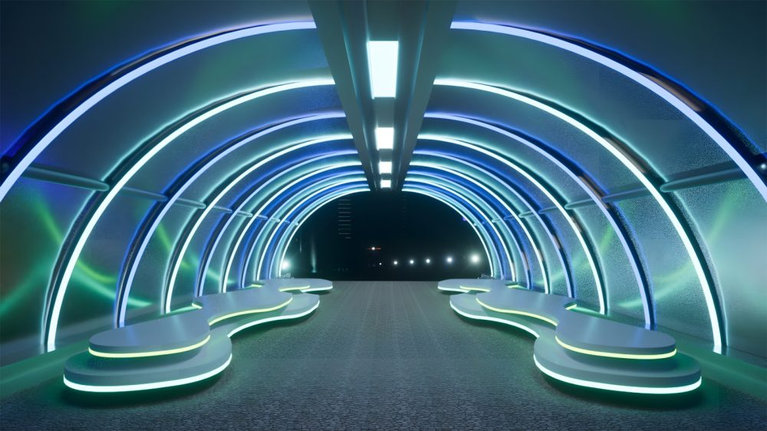
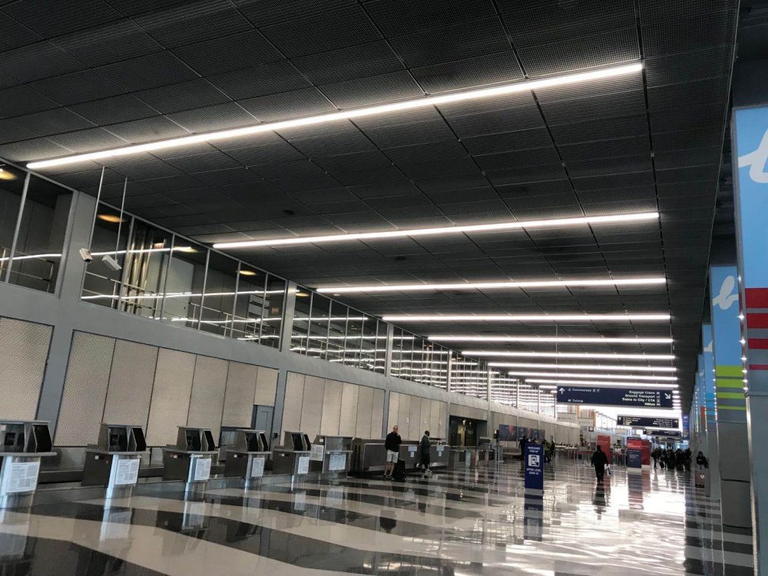
A short point source creates light around one location. A linear source can extend that illumination across a shelf, counter, ceiling, wall, or other architectural feature. This makes it useful when a project needs a continuous visual effect or more even illumination along a long surface.
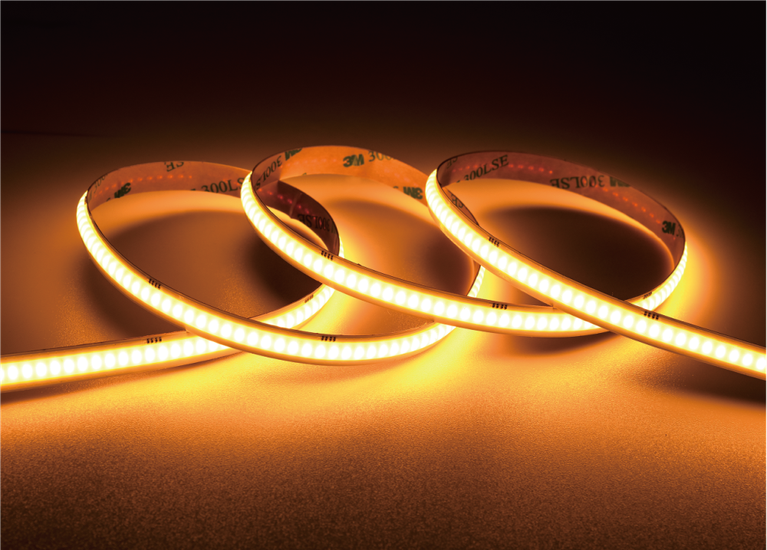
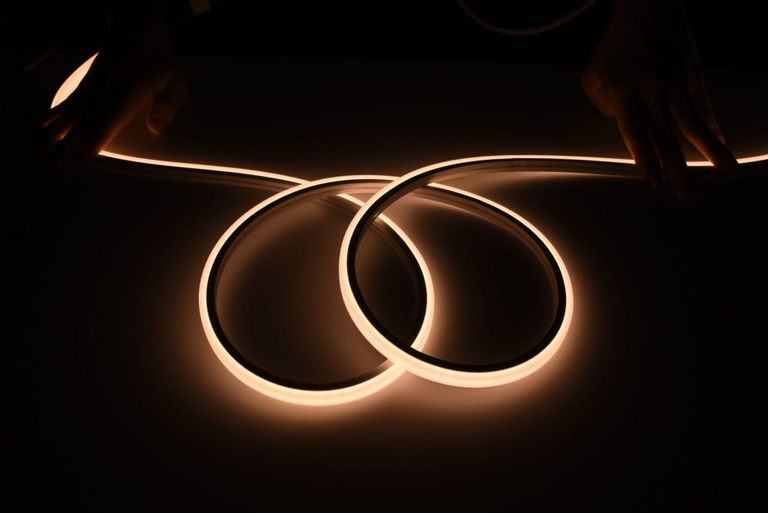
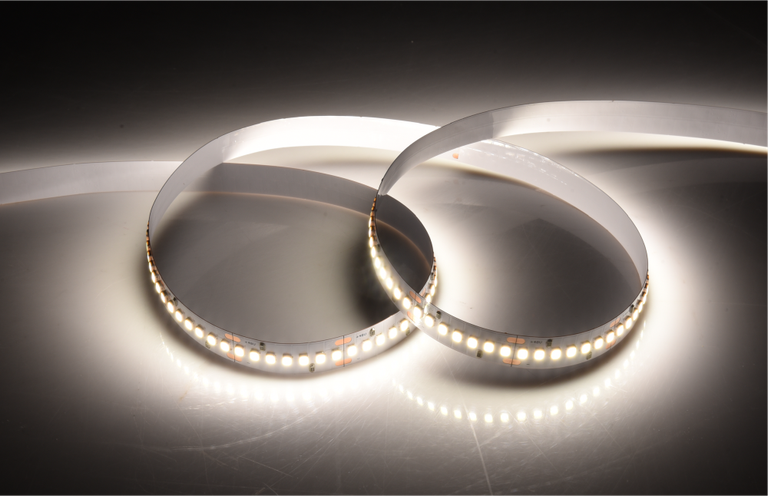
LED linear lighting strips are one common way to create this effect. Depending on the product and installation, the strip may be concealed inside a profile, placed into a recess, integrated into furniture, or used as part of a decorative lighting detail.
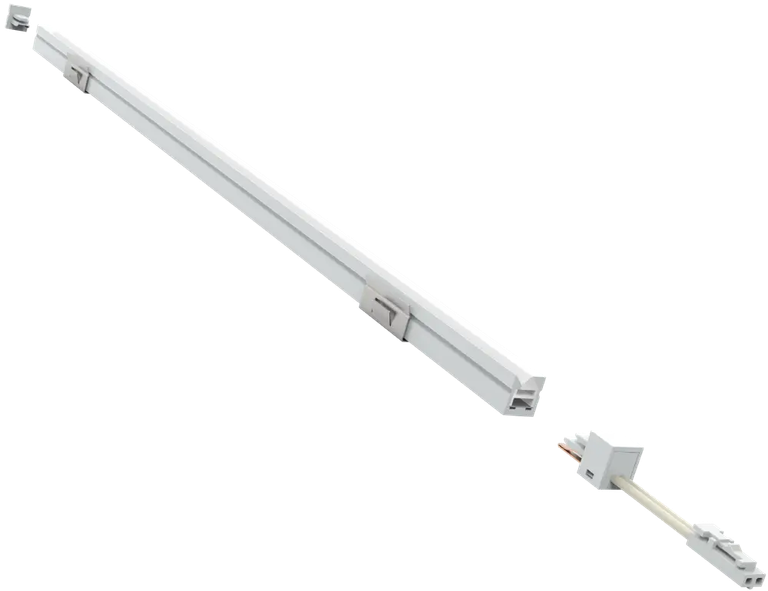
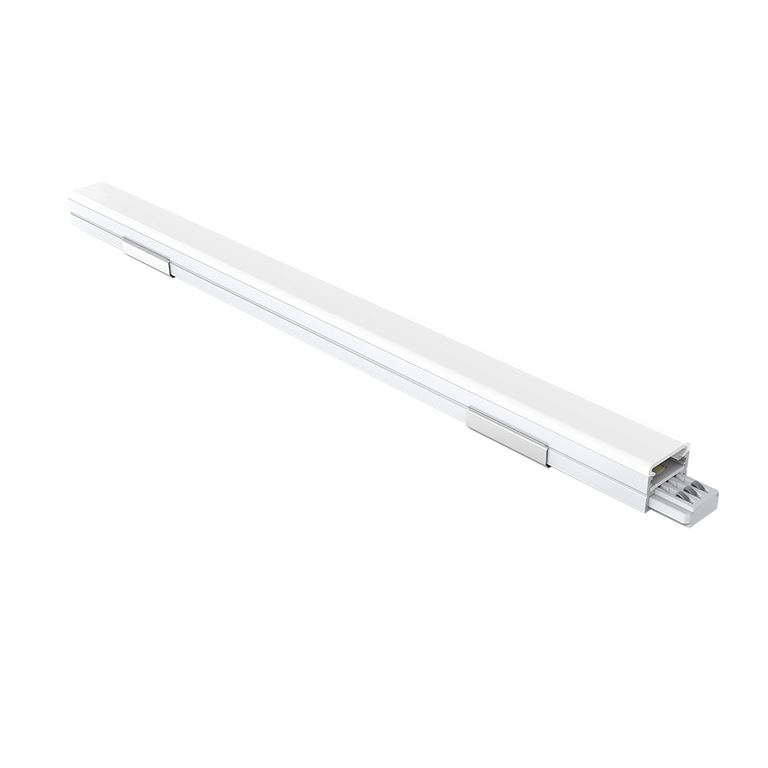
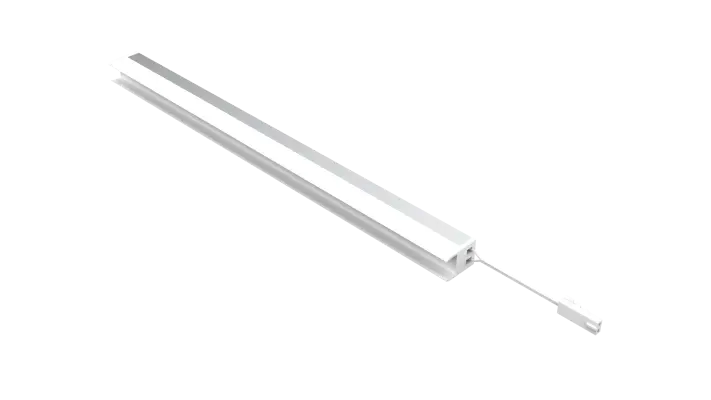
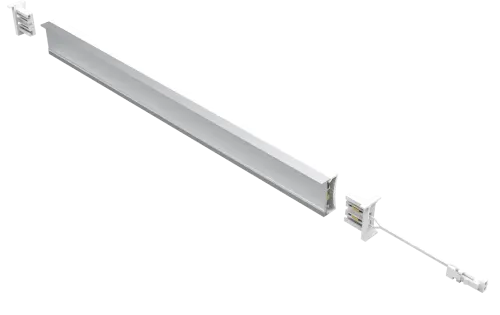
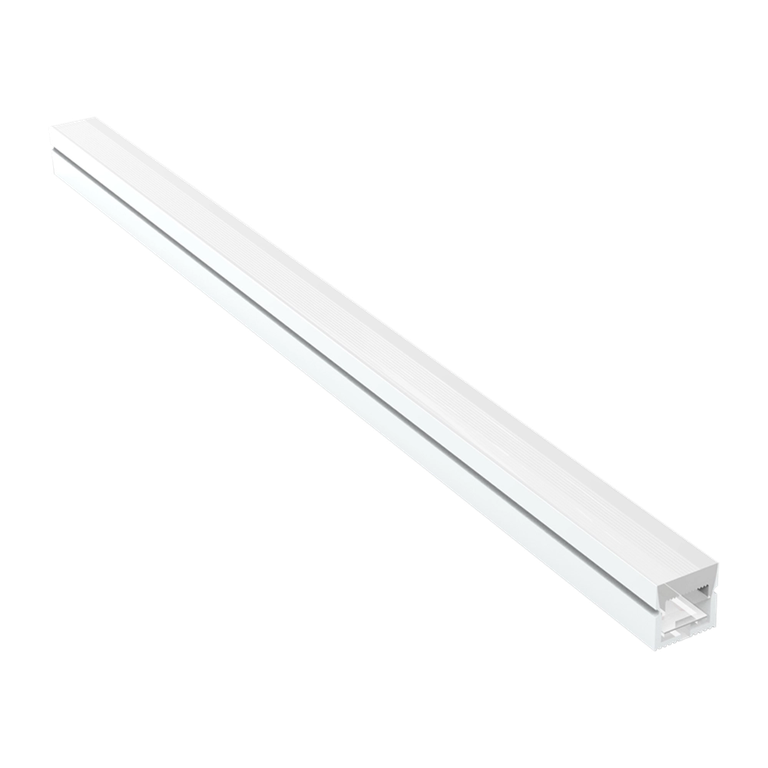
Indoor linear fixtures can also be surface-mounted, recessed, or suspended. LEDIA describes these as three common installation groups, with each suited to different architectural requirements.
The important point is that “linear” describes the form of the light. The actual product should still be selected according to the space, mounting condition, light distribution, and intended function.
Where Continuous Light Lines Make Sense Indoors
Linear lighting can be found in places where a long surface needs consistent illumination or where the architecture benefits from a continuous line.
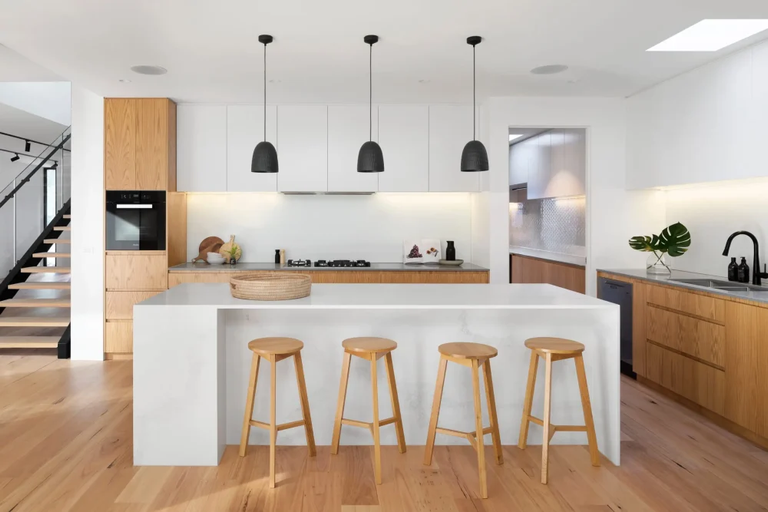
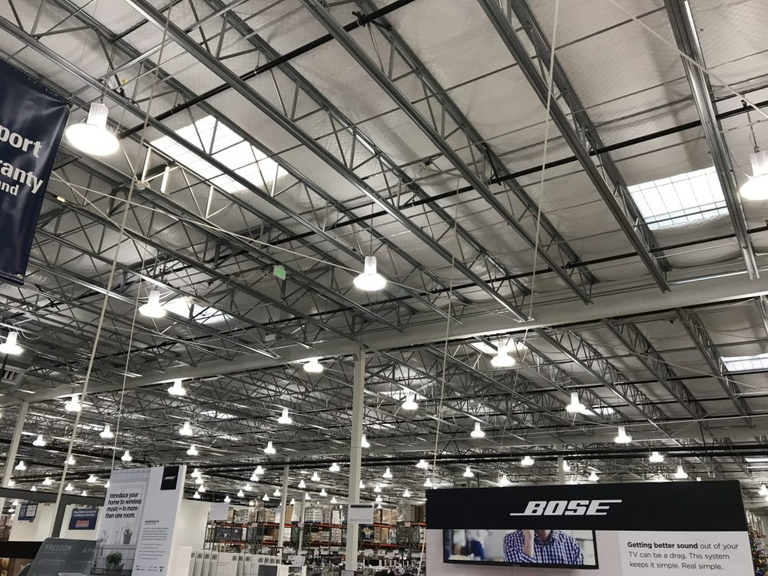
In offices, linear fixtures can provide general illumination across work areas. In retail stores, linear lighting can highlight shelves and displays. Residential interiors often use strips under cabinets, inside furniture, along ceilings, or around architectural details. Hospitality spaces can use the same principle to create softer layers of illumination in reception areas, dining spaces, and lounges.
The application should determine the lighting layout. A kitchen worktop needs useful task illumination, while a concealed ceiling strip may be intended primarily to create indirect ambient light.
This distinction affects the position of the strip, the required brightness, the optical treatment, and whether the light source should remain visible. Treating every indoor linear application as the same can lead to unnecessary glare or an unsuitable light distribution.
Choose the Installation Method Before the Strip
The physical location of the lighting should be established before the product is finalized.
A recessed installation needs enough space for the profile and light source. A surface-mounted solution needs an appropriate mounting surface and a way to conceal or manage wiring. Furniture applications may require a much smaller profile because available depth is limited.
Addressing diverse interior environments at LEDIA, we provide a comprehensive indoor linear lighting range that includes flexible strip lights alongside recessed, surface-mounted, and suspended linear fixtures. As detailed in our project guide, we recommend recessed linear systems when a seamless aesthetic is required, while leveraging suspended solutions to clearly define lighting zones in larger, open spaces.
This is also where LED linear lighting strips can become especially flexible. A strip can be integrated into a profile or architectural detail without requiring the entire lighting system to be built around the dimensions of a conventional fixture.
Before ordering, the project team should confirm the available installation space, required length, power connection, control method, and access for future maintenance.
Light Quality Depends on More Than the LED Chip
A finished linear lighting system is judged by the light it produces, not simply by the fact that LEDs are being used.
Color temperature affects the visual atmosphere of an interior. Color rendering influences how products, finishes, furniture, and architectural materials appear. Diffusion and optical design affect whether the light looks continuous or whether individual LED points remain visible.
The surrounding surface matters too. A light source installed close to a wall can reveal surface texture and imperfections that may not be noticeable under general room lighting. A recessed ceiling detail may need a different distribution from a cabinet light intended to illuminate a worktop.
For project buyers, these details should be included in the specification rather than left to installation. The lighting objective should be clear before comparing products, particularly when several manufacturers offer similar-looking linear solutions.
What Manufacturing Changes in the Finished Installation
Manufacturing may seem distant from the design stage, but it directly affects what happens after the products reach the project site.
Operating more than 20 production lines dedicated to the complete LED strip manufacturing chain, we at LEDIA Lighting power our facilities with advanced automated equipment, including high-speed SMT machinery and specialized waterproofing processes. To guarantee exceptional reliability, we back these manufacturing capabilities with comprehensive testing and quality-control systems that rigorously evaluate safety, performance, electromagnetic compatibility, and environmental endurance.
Recognizing that consistency is critical when identical lighting specifications are installed across multiple rooms or locations, we enforce a rigorous quality protocol that spans incoming material inspection, in-process evaluation, final quality control, and outgoing verification.
The LED strip light manufacturing process therefore has a practical connection to project performance. Component placement, assembly, waterproofing where applicable, testing, and inspection all contribute to whether the delivered product matches the specified design.
LEDIA Lighting also operates a CNAS-certified testing laboratory and describes testing across areas including safety, performance, EMC, photometry, and IP protection.
For contractors, distributors, and engineering teams, this is useful information when evaluating a supplier. The question is not simply whether a strip can produce the required light. It is whether the manufacturer has a controlled process for producing that specification consistently.
A straightforward way to approach indoor linear lighting is to start with the space rather than the catalogue. Decide what needs to be illuminated, determine where the light should sit, establish the required visual effect, and then select the appropriate strip or fixture.
Once those decisions are clear, manufacturing becomes part of the specification rather than an afterthought. A well-defined LED strip light manufacturing process can support consistent products, while the right LED linear lighting strips can provide the flexibility needed for modern interiors.
For a lighting project, that combination is what makes linear lighting practical: the product fits the installation, the light fits the task, and the manufacturing process supports the consistency expected across the finished space.