
Successful commercial lighting begins with understanding what the space needs before selecting products. LED strip systems can support accent lighting, architectural details, task areas, displays, and integrated linear fixtures, making them useful across many project types. For contractors, distributors, designers, and project buyers, the starting point is not simply finding a light source, but matching output, installation conditions, control requirements, and construction details to the application.

Define the Lighting Role Before Selecting Products
The first step is deciding what the linear lighting needs to accomplish. A strip can provide indirect illumination inside a ceiling cove, highlight merchandise, outline architectural elements, or contribute to general lighting when installed in a suitable fixture or profile.
Commercial products vary considerably in voltage, brightness, color temperature, dimensions, and installation requirements. Professional product guidance also shows that these factors need to be considered according to the application rather than treated as interchangeable specifications.
Start with Output, Color, and Electrical Requirements
Brightness should be evaluated using luminous output and system efficacy rather than wattage alone. The required level depends on the mounting position, distance from the illuminated surface, ambient conditions, and whether the system provides direct or indirect illumination.
Color temperature also affects how a space appears. Offices may require a different visual atmosphere from hospitality interiors or retail displays. Commercial strip systems are available across multiple CCT options, while professional specifications can also include CRI, dimming compatibility, operating temperature, and ingress protection.
When LED Strip Lights Wholesale Makes Sense
For distributors and contractors handling repeated projects, LED strip lights wholesale purchasing can provide a practical supply strategy. However, volume should not be the only consideration. Buyers need to evaluate product consistency, available specifications, packaging, lead times, technical support, and whether the supplier can maintain the same requirements across future orders.
A wholesale program becomes more useful when the supplier offers several complementary product categories. This allows project teams to source flexible strips, linear fixtures, and specialized lighting from a coordinated product portfolio instead of managing unrelated specifications from multiple sources.
Consider the Installation Environment
The installation location should influence product selection from the beginning. Indoor decorative applications may have different requirements from industrial areas, damp locations, or spaces exposed to dust and temperature variation. Protection ratings and operating limits should therefore be verified against actual site conditions.
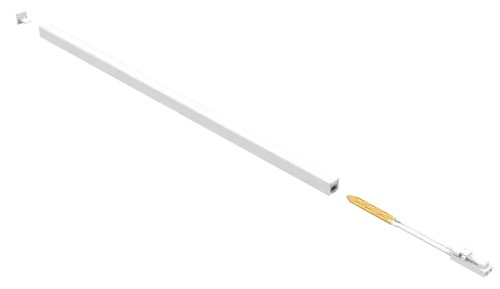
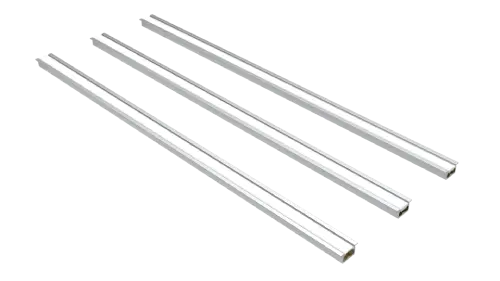
Installation geometry matters as well. Flexible strips can accommodate curves and irregular forms, while rigid linear luminaires may be preferable for long, straight runs requiring defined mechanical structures. Some professional LED strips are specifically designed for architectural, industrial, retail, office, and outdoor applications, demonstrating how different constructions address different environments.
Build the System, Not Just the Light Source
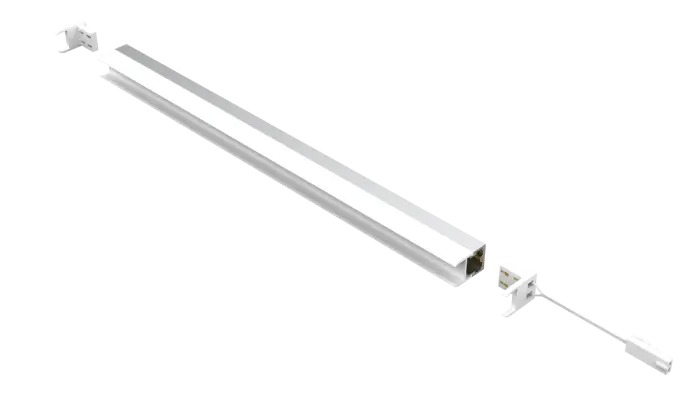
An LED strip installation is normally part of a larger electrical and mechanical system. Drivers, profiles, connectors, mounting methods, controls, and heat management can all influence the final result. For low-voltage products, the selected power supply must also match the system’s voltage and load requirements.
Control compatibility deserves attention during project planning. Professional strip products may support dimming through appropriate drivers or control interfaces, including systems such as DALI or 1–10V depending on the product. These details should be confirmed from the specific product documentation before procurement.
Where China LED Linear Light Solutions Fit
For business projects, China LED linear light sourcing can be considered when buyers need broader product selection, customization, and manufacturing support. The important issue is evaluating the supplier’s development capabilities and quality systems rather than relying on country of origin alone.
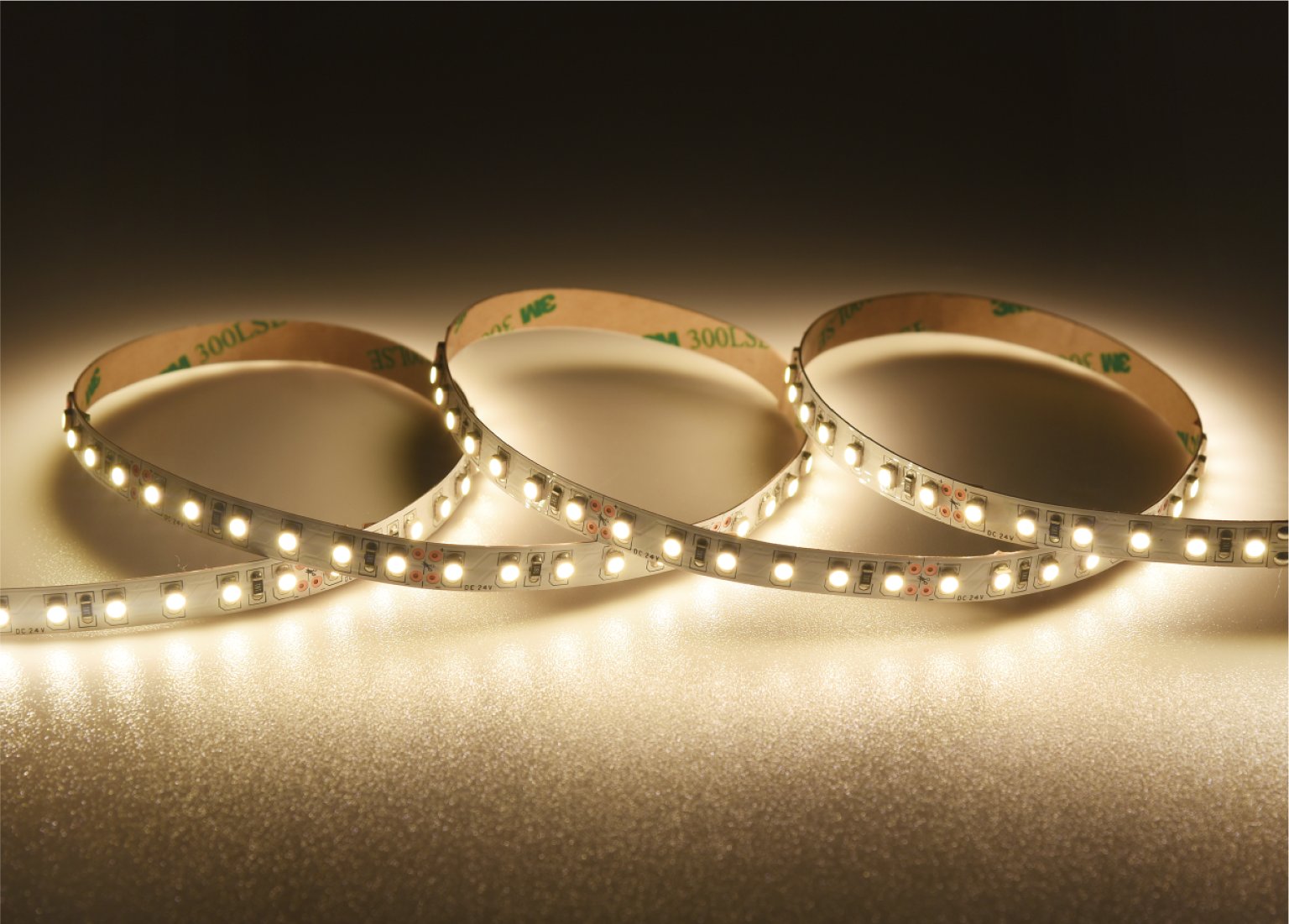
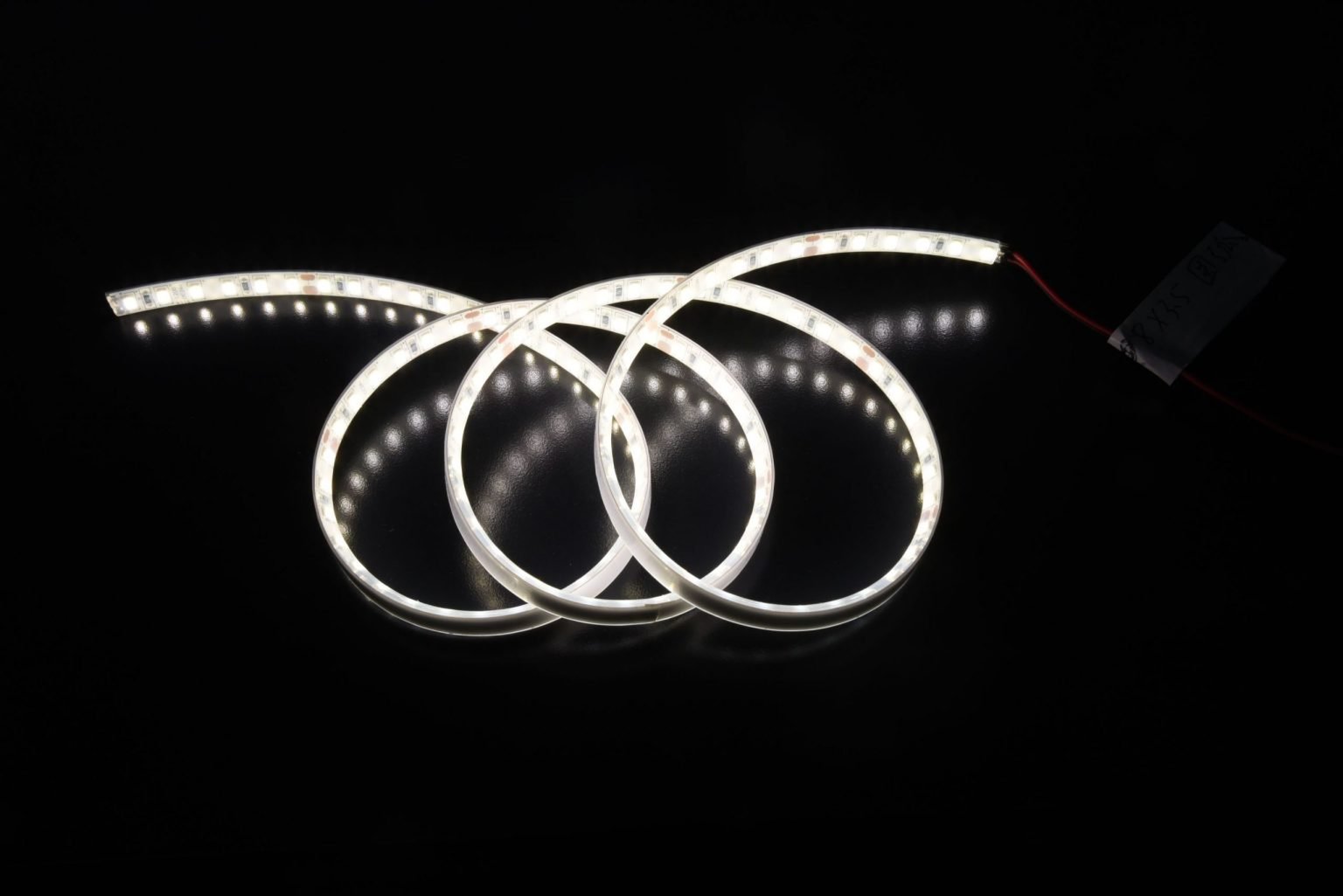
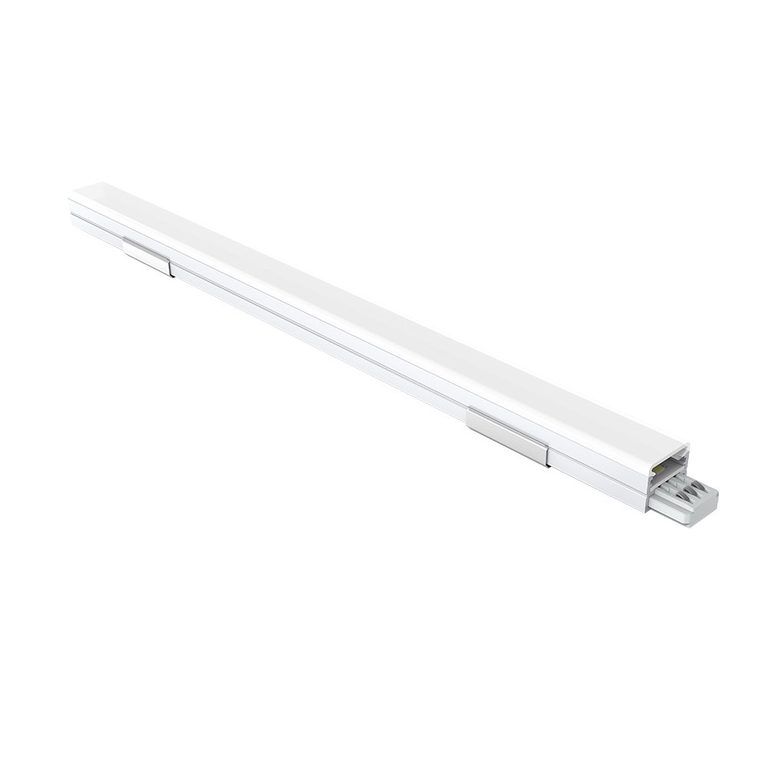
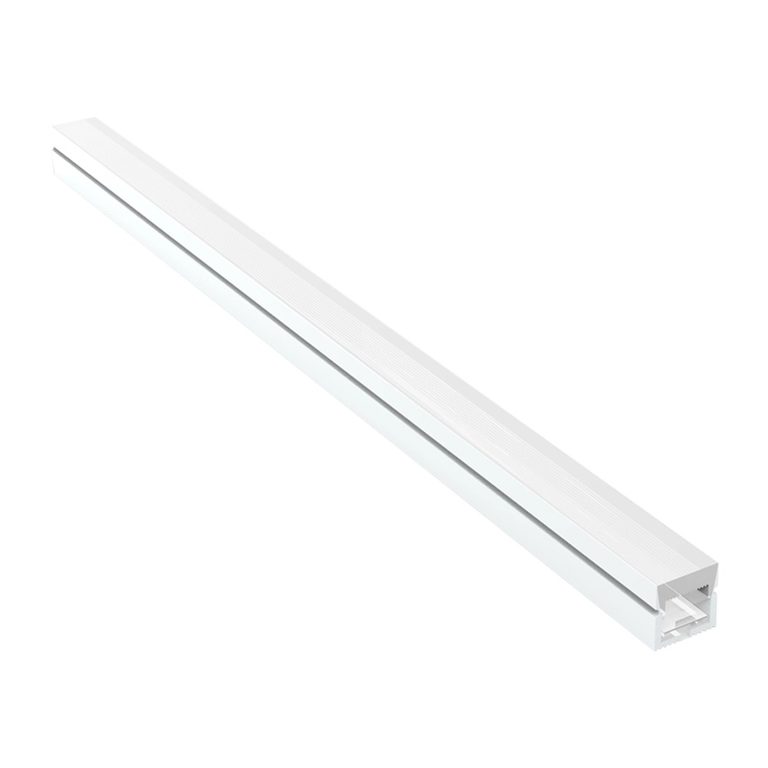
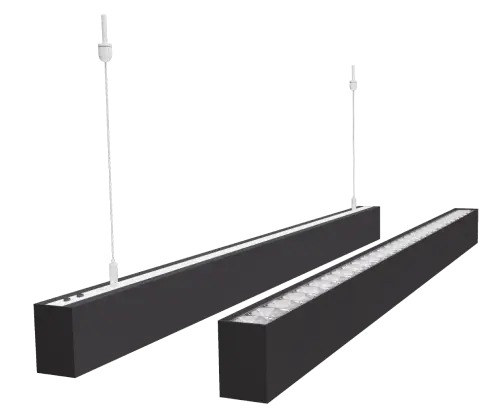
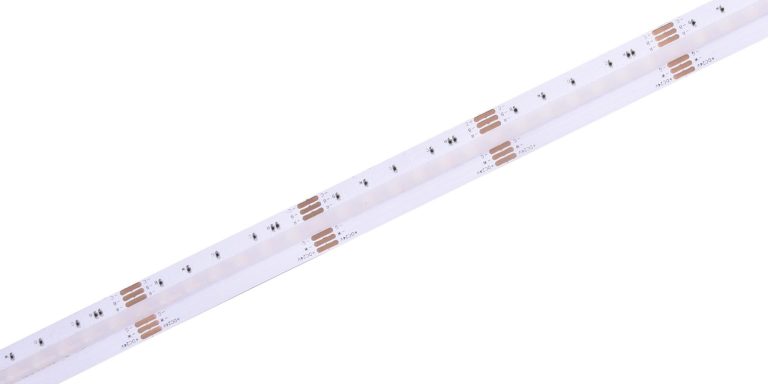
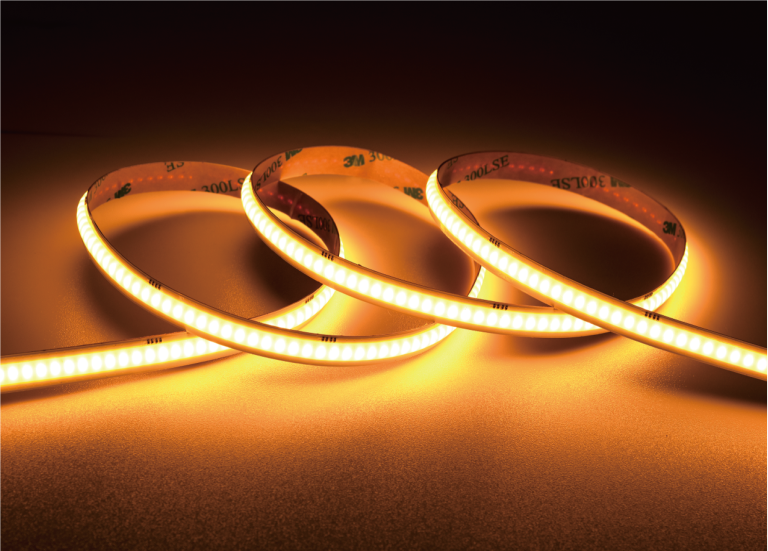
We support this approach through an independent R&D team of more than 30 specialists and more than 50 patents supporting product development and customized lighting projects. Our portfolio covers LED COB strip lights, silicone strip lights, office linear lights, and tri-proof lighting, giving project teams several formats for different applications.
Quality Control Matters at Project Scale
A lighting specification can look suitable on paper while still creating procurement problems if product consistency is not maintained. For larger projects, buyers should examine how quality control is applied during manufacturing and testing, as well as whether the supplier operates under recognized management standards.
We apply quality control throughout production and product testing, while our management systems are certified to ISO 9001, ISO 14001, and other recognized standards. These systems support a more structured approach to supplying lighting products for commercial and industrial applications.
Plan for Customization and Future Projects
Standard products can simplify procurement, but customized lighting may be necessary when dimensions, output, installation structures, or project aesthetics require a specific configuration. A supplier capable of handling development and customization can help reduce the gap between the design concept and manufacturable product.
For buyers developing recurring projects, this capability can also make future specifications easier to standardize. Our experience as an LED strip light supplier allows us to support both standard requirements and customized lighting projects, while our broader product range helps address different application conditions.
A Stronger Foundation for Lighting Procurement
Starting an LED project with a clear application analysis makes product selection more systematic. Buyers can first establish the lighting role, then compare output, CCT, CRI, voltage, environmental requirements, controls, installation method, and long-term supply considerations.
For distributors and project contractors, LED strip lights wholesale purchasing should therefore be evaluated alongside quality, customization, and supplier capabilities. When a project calls for integrated fixtures, China LED linear light sourcing can offer another route to product development and supply flexibility. At LEDIA Lighting, we combine R&D expertise, structured quality control, international certifications, and a focused product portfolio to support commercial and industrial lighting projects from specification to delivery.