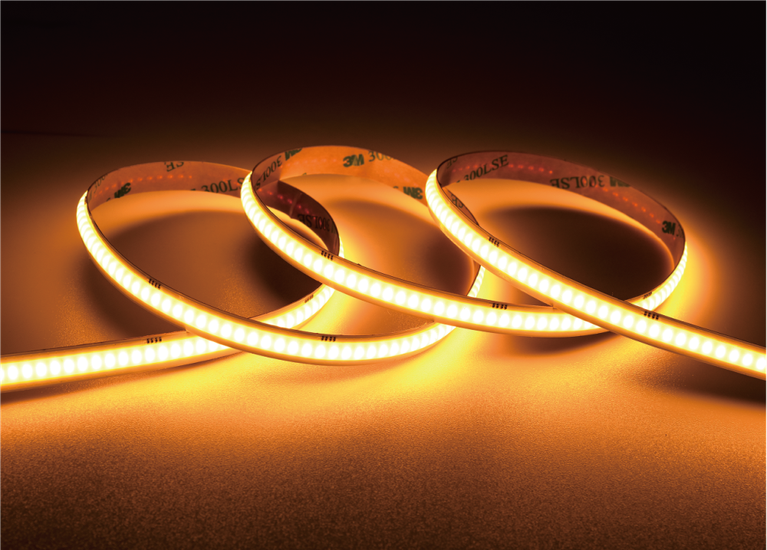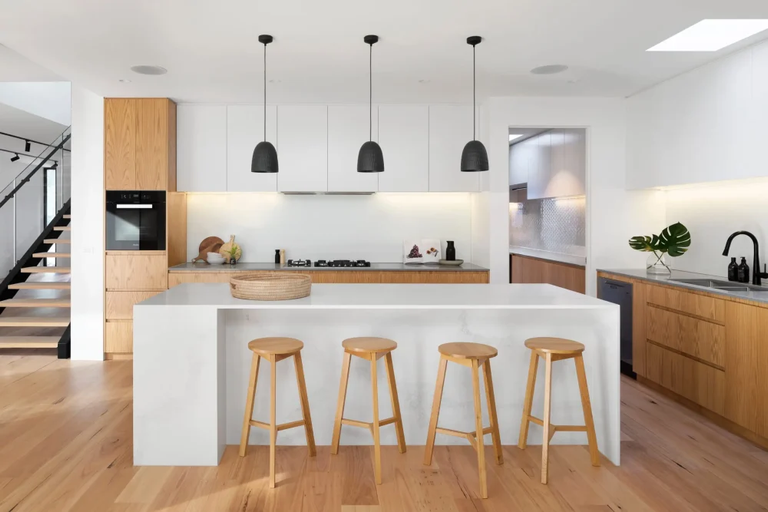
Furniture lighting rarely begins with a question about wattage or color temperature. In an actual wardrobe, kitchen cabinet, display unit, or built-in storage project, the first problem is usually physical: where can the light go, how much space is available, and how should the finished furniture look once the light is installed?
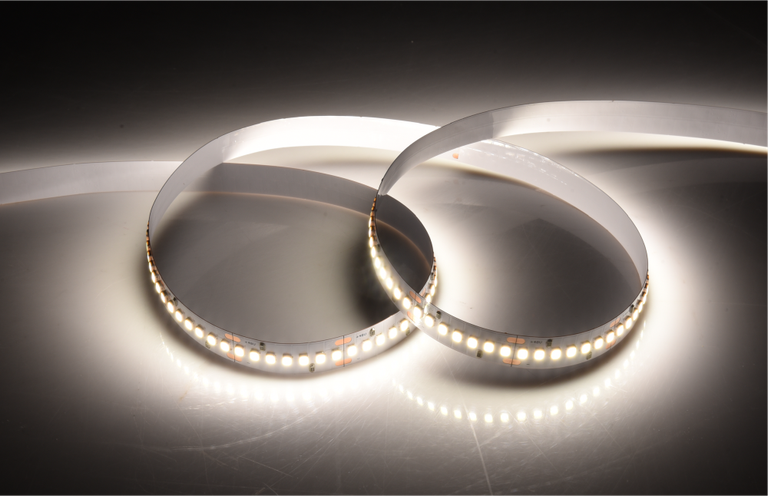
That makes the furniture itself the starting point. For project buyers and installers, LED light strips for furniture need to fit the dimensions, construction method, and visual role of each cabinet or built-in element. A product that works well in one profile may be less suitable for another.
Furniture Dimensions Should Decide Where the Lighting Starts
A furniture lighting specification becomes much clearer once the cabinet structure is fixed. A wardrobe, for example, may need illumination along a long horizontal shelf, while a kitchen cabinet may require a narrow light source beneath the cabinet body. Retail furniture can introduce another requirement: the lighting needs to integrate with the display structure without becoming the main visual feature.
Length is therefore not a minor installation detail. It affects ordering, cutting, connection, and the amount of material left over after installation.
At LEDIA Lighting, we approach this type of application with dedicated furniture lighting rather than treating every installation as a conventional strip-light project. Its furniture range includes both aluminum-profile strip lights and built-in silicone lights, giving project teams different physical formats for different furniture structures.
The decision can then start from the furniture drawing. Identify the available channel, the visible edge, the required lighting line, and the cable position before choosing the light source.
A Recessed Channel and an Exposed Edge Need Different Lighting
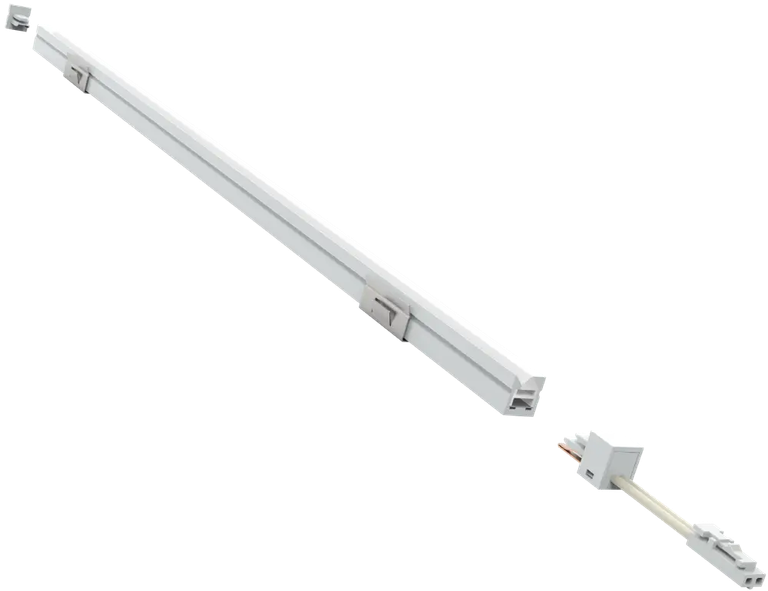
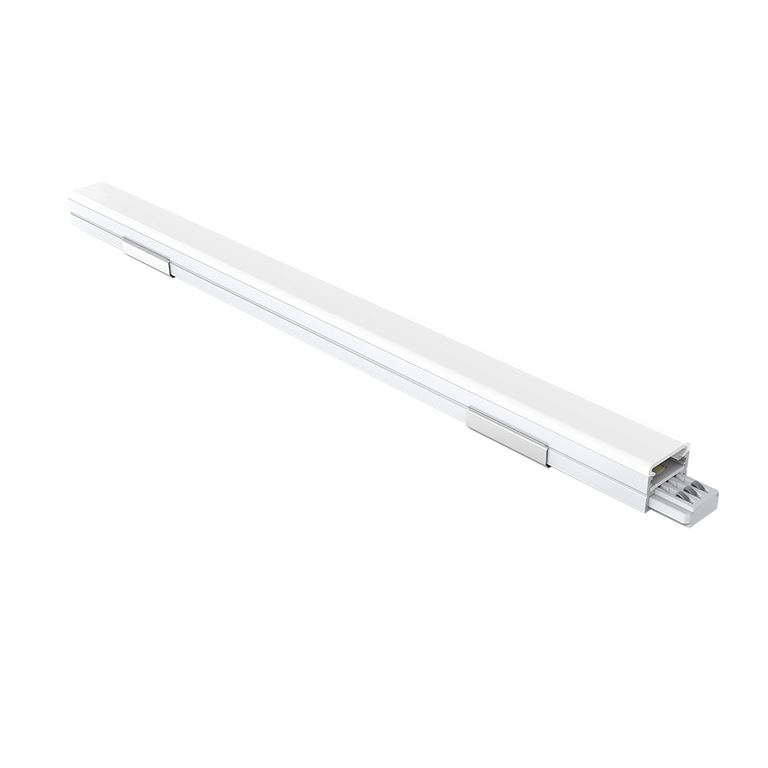
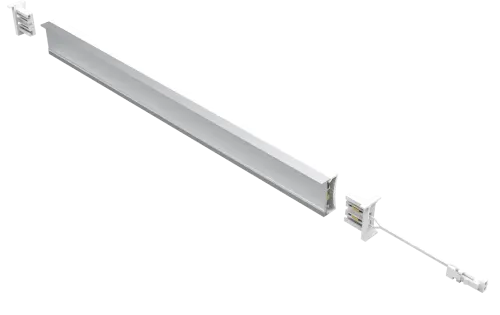
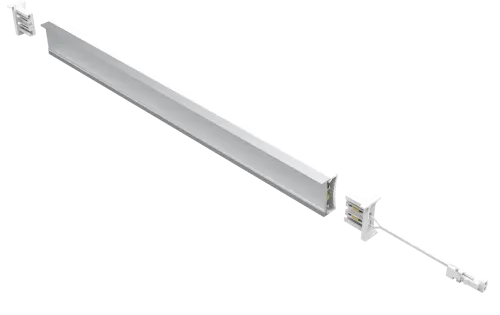
A rigid or semi-rigid aluminum housing makes sense when the furniture has a defined installation channel. LEDIA’s F01 furniture light uses an aluminum housing and is designed for built-in furniture and retail applications. Its quick plug-in terminal is designed for welding-free installation, while different PMMA diffuser options support different light requirements.
That format is useful when the lighting line needs to remain visually controlled. The fixture can sit as part of the furniture construction rather than looking like an added component attached after the cabinet has been completed.
Optics also become relevant here. The F01 is offered with 120°, 60°, and 45° asymmetric beam options, with the 45° version directing light inward. Such choices matter when the goal is to illuminate the contents of a cabinet or display area without simply throwing light straight outward.
A project should therefore define the lighting direction before the product is finalized. The question is not simply whether the fixture can fit the cabinet, but whether its light lands where the furniture designer intended.
Custom Furniture Lengths Make Free-Cutting More Than a Convenience
Furniture projects rarely follow one universal dimension. Cabinet widths change, shelves stop at different points, wardrobes may have several compartments, and retail displays are often built around individual layouts.
That is where free-cutting becomes a practical project feature. F01 is specified as free-cutting and can be cut to meet different installation requests. LEDIA also states that its furniture F series can be delivered in lengths up to three meters, with the design intended to reduce waste and installation labor.
For contractors, this can simplify the relationship between the furniture drawing and the lighting order. Instead of forcing every cabinet dimension into a limited set of standard fixture lengths, the lighting can be prepared around the actual installation requirement.
The same principle applies to LED light strips for furniture when multiple cabinet sizes appear in one project. Cutting flexibility does not remove the need for correct planning, but it can reduce the amount of compromise between the lighting specification and the furniture dimensions.
Soft Silicone Lighting Fits Furniture Details That Need a Continuous Look
Not every furniture application calls for an aluminum housing. Some designs need a softer, more continuous visual line, particularly where the lighting follows cabinet details or needs to blend into the furniture rather than read as a separate fixture.
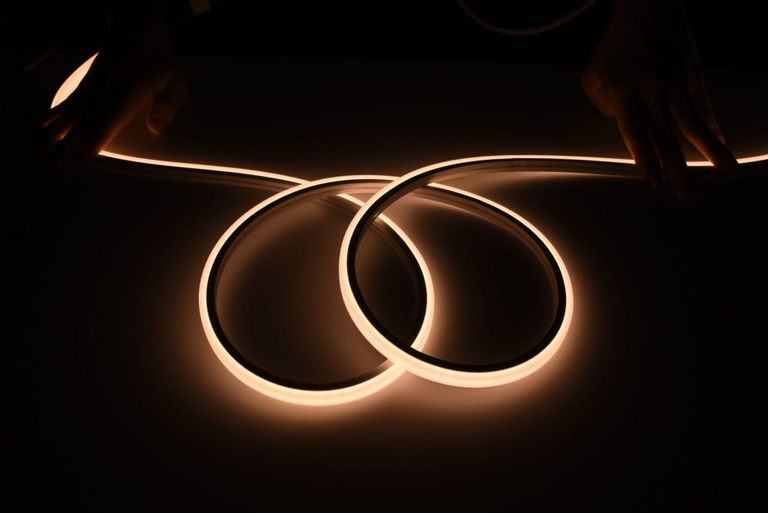
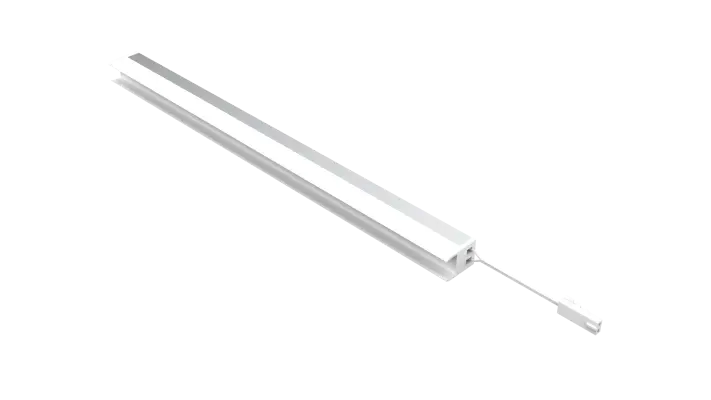
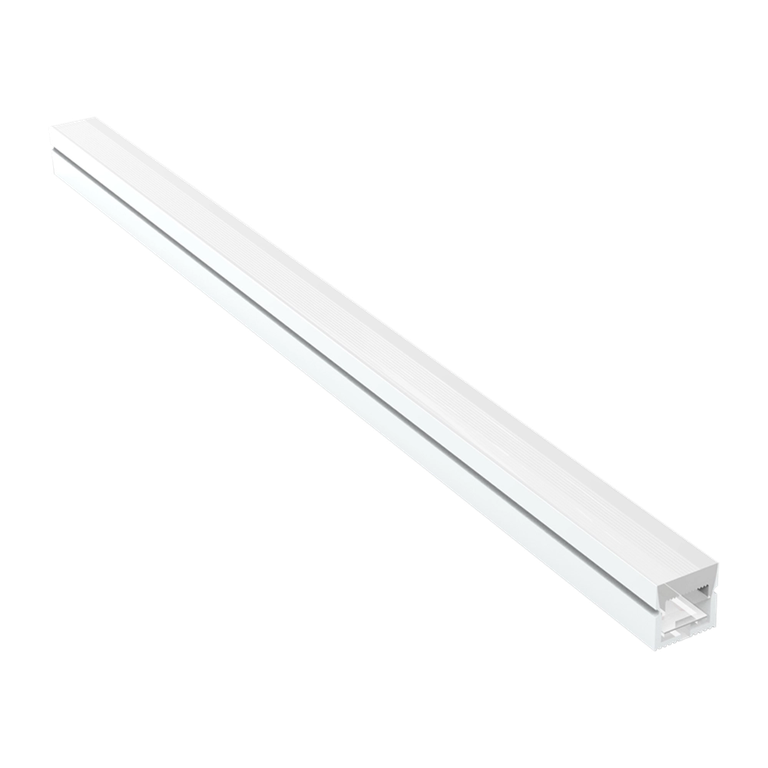
LEDIA’s E01 is a built-in 12V/24V back-lit silicone strip light developed for whole-house cabinets. The product uses a silicone extrusion, does not require an aluminum profile, and is designed for welding-free installation with a quick plug-in terminal. It can also be cut to different lengths for installation requirements.
The silicone construction creates a different visual character from a rigid aluminum furniture light. E01 uses a double-color silicone extrusion to produce a soft and even neon-style effect, making the format particularly relevant when the lighting itself needs to appear continuous along the furniture detail.
Its combination options also matter at project level. LEDIA specifies that the driver, controller, and terminal can be combined according to different scenarios and personalized requirements. For a furniture contractor working across several cabinet configurations, that flexibility can be more useful than selecting a single fixed lighting assembly for every location.
The Best Furniture Lighting Choice Is the One the Installer Can Actually Build
A furniture lighting specification should survive the transition from drawing to workshop and then from workshop to installation site. That means the selected product needs to make sense not only visually, but also in terms of cutting, connection, mounting, and available space.
For a rigid furniture section, an aluminum-profile solution may provide the structure and optical control the project needs. For a detail that calls for a softer continuous appearance, a silicone solution may be easier to integrate. The right answer depends on the furniture construction rather than on a universal preference.
Color and light quality can then be specified around the application. F01 models include standard 3000K and 4000K versions as well as 2CCT options from 2700K to 5000K, while published F01 models offer CRI above Ra90. E01 is also available in 3000K, 4000K, and 2CCT 2700K–5000K versions.
That gives flexible silicone light strip solutions and aluminum furniture fixtures different roles within the same project rather than forcing one product format into every application.
For project buyers, the practical starting point is straightforward: match the lighting format to the furniture construction, confirm the required lengths, decide how the light should appear, and then complete the specification around connection and control.
Furniture lighting becomes easier to manage once those decisions are made in that order. LEDIA Lighting provides dedicated F-series aluminum furniture lights and E-series built-in silicone lights, covering different physical approaches to wardrobes, closets, kitchen cabinets, built-in furniture, and retail applications.
The goal is not to find one fixture that works everywhere. It is to start with the furniture detail in front of you and select a lighting format that can be built into it cleanly, ordered efficiently, and installed without unnecessary adjustment.